

Disconnecting from the Cloud to Connect with the Self
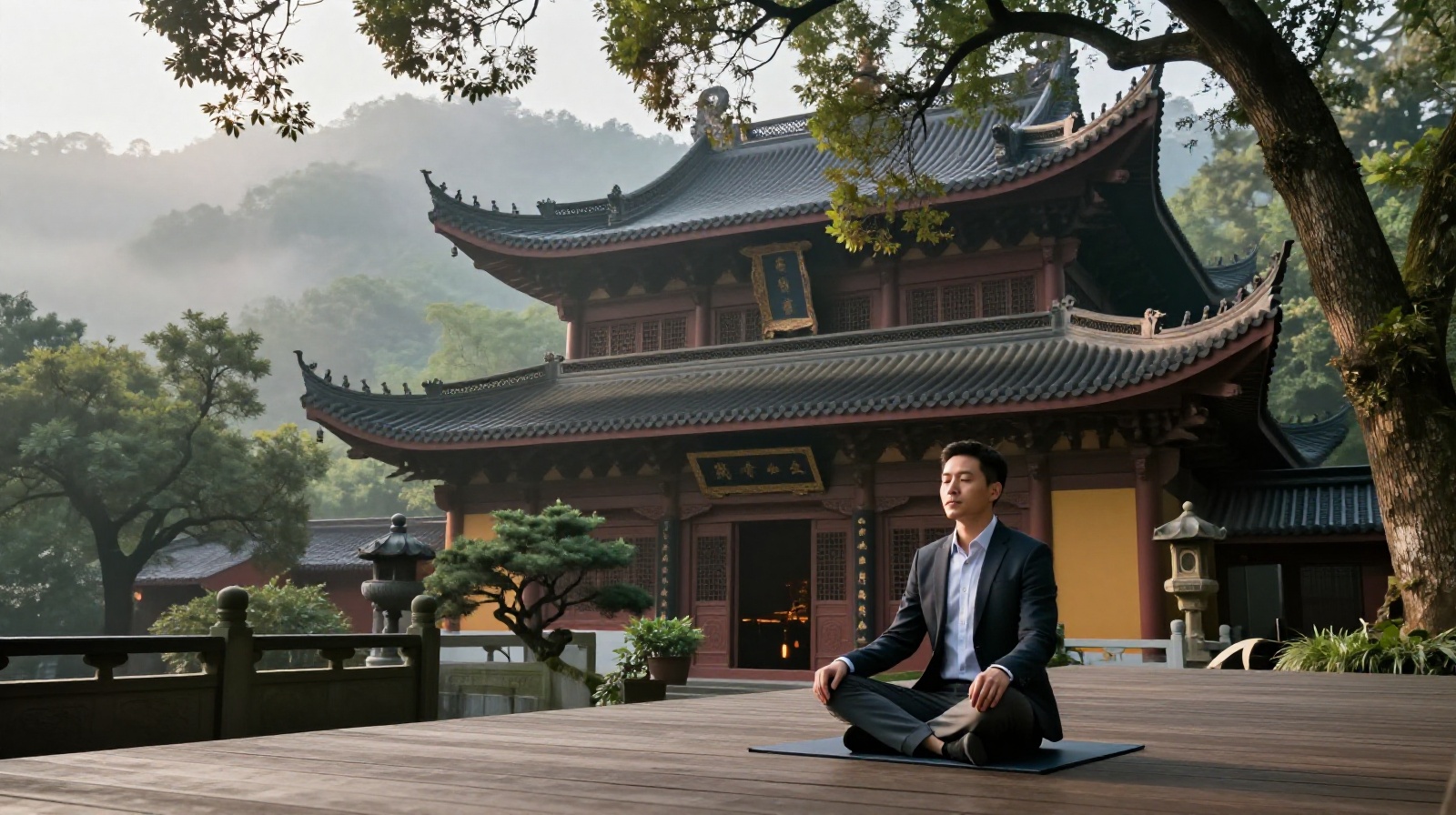
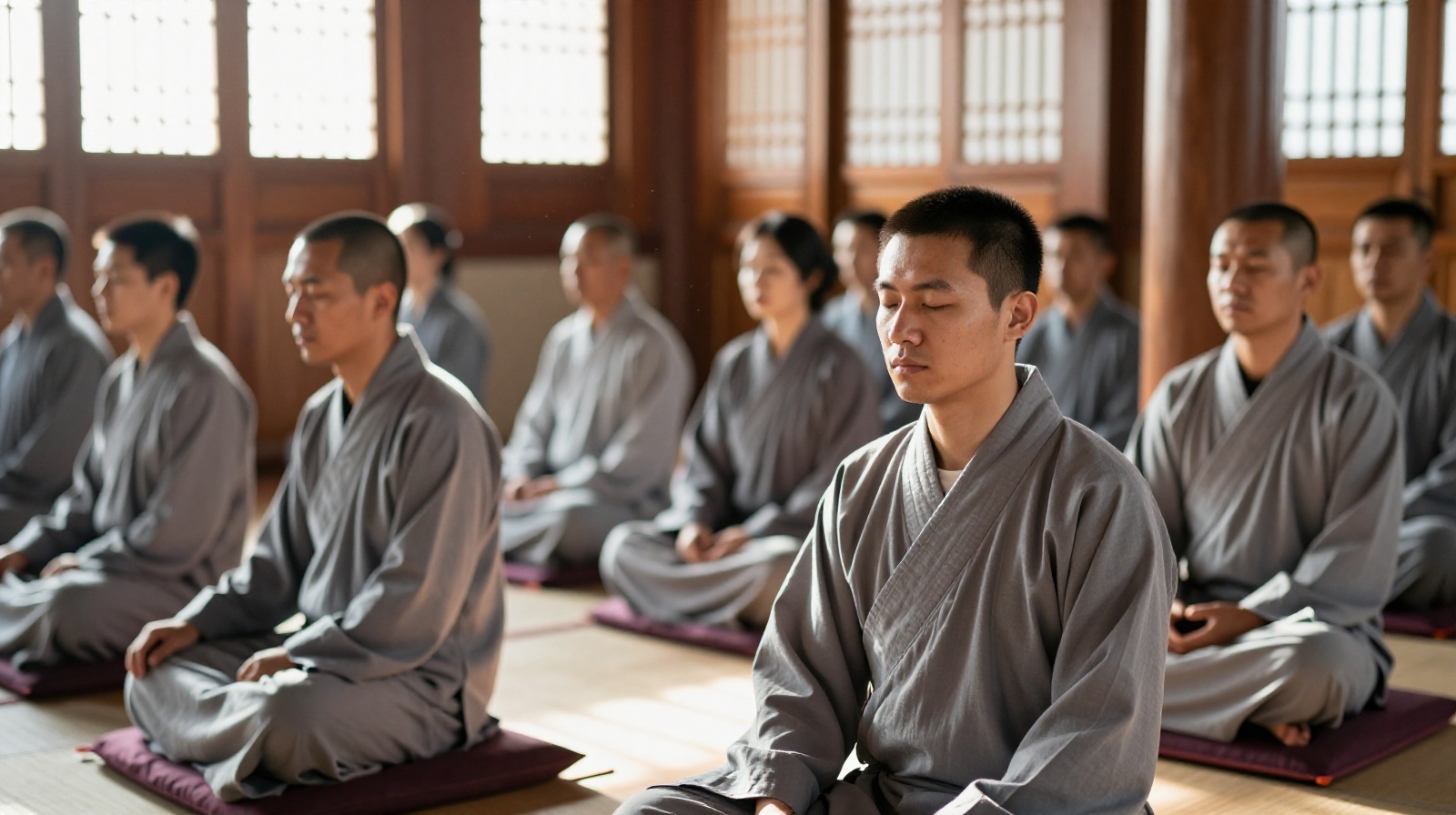
The air in the valley is thin, cold, and smells faintly of sandalwood and damp moss. It is 6:00 AM on a Tuesday, but inside the wooden meditation hall of a secluded temple in Zhejiang province, there is no sound except the rhythmic chanting of thirty men and women in grey robes. Among them sits Li Wei (a pseudonym), a 38-year-old founder of a fintech startup valued at over $200 million. His iPhone is locked in a sealed envelope at the front desk. His WeChat notifications, board meetings, and investor calls do not exist here.
For three days, Li Wei will not speak. For seven days, he will not touch a screen. He is participating in what has become a growing trend among China’s business elite: the “CEO Hermit” retreat. These are not typical spiritual pilgrimages for the elderly; they are intensive, high-priced mental detox programs designed for people who run billion-dollar companies. The cost? Typically between $2,000 and $5,000 for a week, including transport to remote locations, organic vegetarian meals, and accommodation in ancient guesthouses.
The Anatomy of a Digital Detox
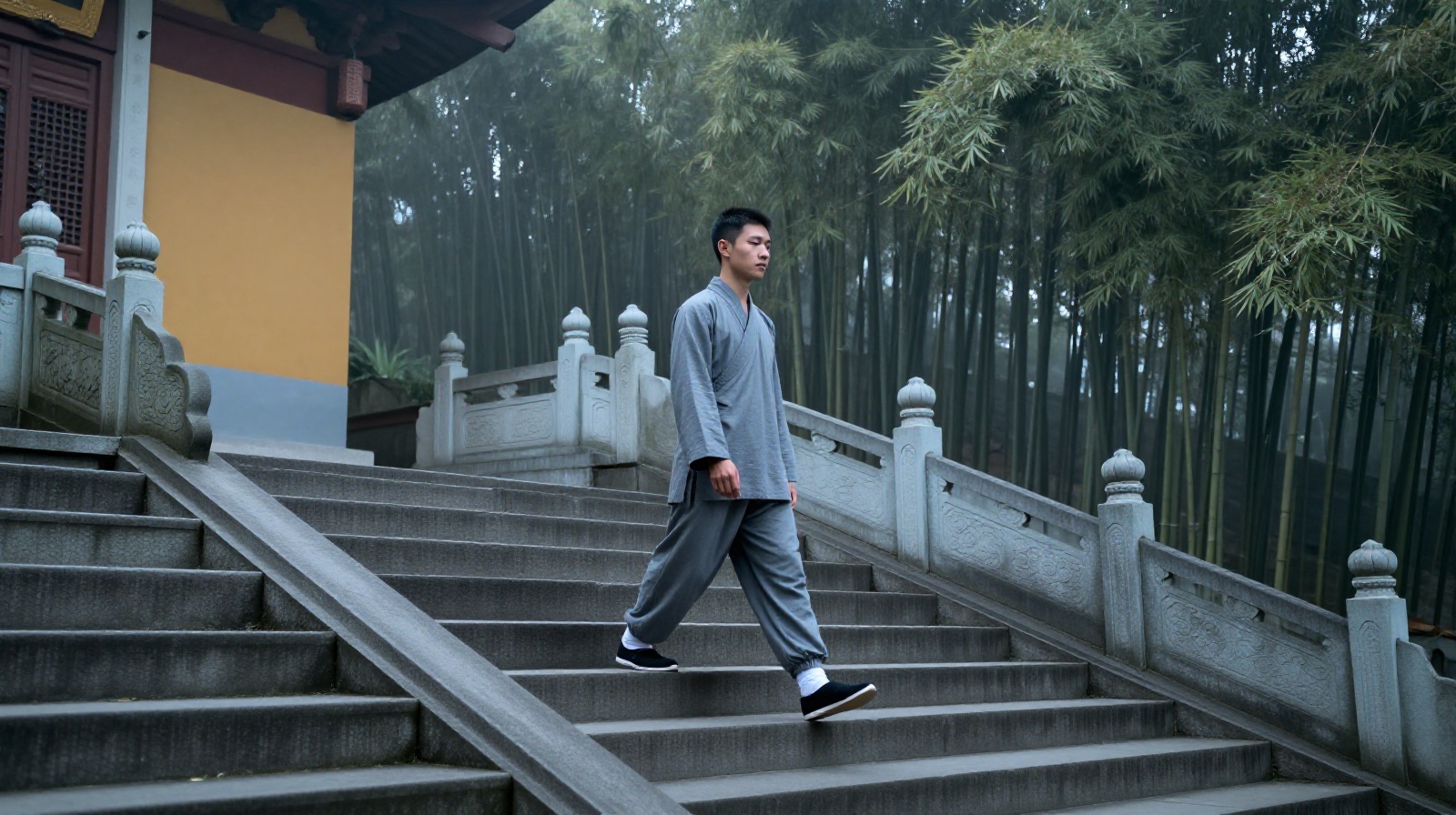
The schedule is rigorous, blending ancient monastic discipline with modern wellness science. The day begins at 4:30 AM with “silent walking” meditation on the temple steps. Breakfast is a simple bowl of congee and pickled vegetables, eaten in absolute silence. By 7:00 AM, the group moves into deep sitting meditation (Zazen), often for two hours straight. There are no breaks for checking emails. There is no Wi-Fi password to ask for.
The most challenging part isn’t the physical discomfort of sitting on hard floors; it’s the psychological withdrawal. “The first night was hell,” Li Wei admits later, sipping hot herbal tea in the courtyard. “My hand kept reaching for my pocket. I felt phantom vibrations. I thought about the Series B funding round and panicked.” But by day three, the noise in his head begins to quiet. The constant dopamine hits from social media and instant messaging are replaced by the sound of wind in the bamboo and the distant clatter of wooden bowls.
Why Silence is the New Luxury
Why would someone with so much to do choose to do nothing? The answer lies in the extreme burnout culture of China’s tech sector. Known as “996” (working from 9 AM to 9 PM, six days a week), this grueling schedule has left many founders feeling hollowed out. In this context, silence is not just a spiritual ideal; it is a strategic resource.
These retreats are marketed as “mental reset” tools. Participants are told that by disconnecting from the digital noise, they can reconnect with their core intuition. For a CEO making thousands of decisions a day, the ability to sit with uncertainty without reacting immediately is a superpower. Many attendees report returning with clearer strategic vision and renewed energy. One participant, a founder of an e-commerce logistics company, claimed that the silence helped him solve a supply chain bottleneck that had plagued his team for months.

Commercializing Ancient Wisdom
This trend has given rise to a new industry: high-end spiritual tourism. Traditional temples, often located in scenic but remote mountains, partner with boutique travel agencies and wellness coaches to offer these packages. The experience is carefully curated. While the meditation is authentic, the surrounding amenities are luxurious. The guest rooms feature heated floors, premium organic bedding, and private study spaces for journaling. The food, while vegetarian, is prepared by chefs trained in modern culinary techniques, ensuring it is both healthy and gourmet.
Critics argue that this commodifies spirituality, turning ancient practices into a status symbol for the wealthy. “It’s not about enlightenment; it’s about looking like you’re enlightened,” says one cultural observer. However, most participants don’t see it that way. They view it as a necessary maintenance for their mental health, similar to a high-end gym membership or a private chef. It is a way to reclaim agency in a life controlled by algorithms and shareholder demands.

The Paradox of the Connected Hermit
When Li Wei finally returns to civilization, the contrast is jarring. The noise of the city hits him like a wave. His phone, once unlocked, floods with hundreds of unread messages. But he carries something different now: a practiced stillness. He doesn’t rush to reply. He takes a deep breath.
This trend reflects a broader shift in how success is defined in contemporary China. It is no longer just about speed, scale, or wealth. It is about resilience, clarity, and the ability to endure complexity without losing oneself. The “CEO Hermit” is not running away from the world; he is stepping back to better understand it.
In a world that never stops talking, the most radical act might just be to say nothing at all.