


The Invisible Uniform of the Shanghai Elite
Imagine walking into a high-end boutique in the Former French Concession of Shanghai. The air is thick with the scent of jasmine, sandalwood, and something faintly metallic. You bump into a colleague from a neighboring desk. Before you even exchange greetings, you realize: you are both wearing the same limited-edition Eau de Parfum. A moment of silent panic ensues.
In Shanghai’s professional circles, this “scent collision” (撞香) is not just an annoyance; it is a social faux pas. For the city’s young elite—tech founders, creative directors, and finance professionals—fragrance has evolved from a luxury accessory into a critical tool for individual branding. The fear of smelling generic is driving a massive shift in consumer behavior, fueling a boom in the niche perfume market.
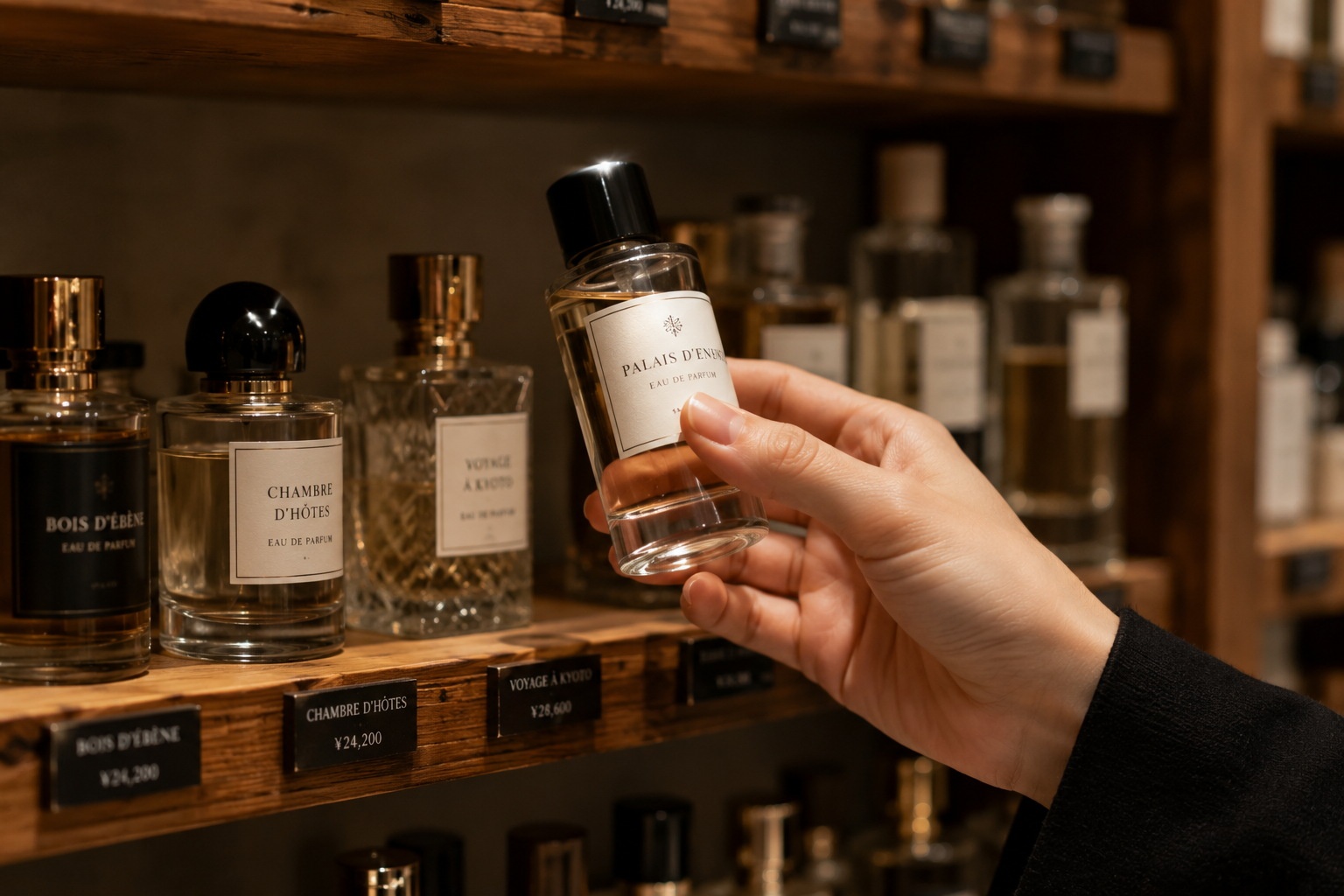
Why “Generic” Is the New Taboo
For decades, the global perfume industry was dominated by Western giants. Brands like Chanel, Dior, and Tom Ford were not just selling scents; they were selling an aspirational lifestyle. In China’s first wave of consumerism, wearing these established names was a clear signal of success. But as the market matured, something changed.
Today’s Chinese consumers, particularly Gen Z and Millennials in tier-one cities, are rejecting this uniformity. They view mass-market luxury fragrances as “off-the-rack” solutions. To smell like the person next to you on the subway is to admit a lack of imagination or distinctiveness. In a hyper-competitive environment where personal branding is everything, standing out matters—even in how you smell.
This desire for uniqueness is not merely vanity. It is a form of invisible social currency. A unique scent acts as a conversation starter, a subtle filter for shared tastes, and a marker of cultural capital. It signals that you are not just following trends, but curating your own identity.

The Rise of Homegrown Artisans
Enter the Chinese niche perfume boom. Over the past three years, dozens of independent Chinese perfumery brands have emerged, primarily based in Shanghai, Guangzhou, and Chengdu. These are not copycats. They are sophisticated laboratories of scent, blending traditional Eastern ingredients with modern olfactory aesthetics.
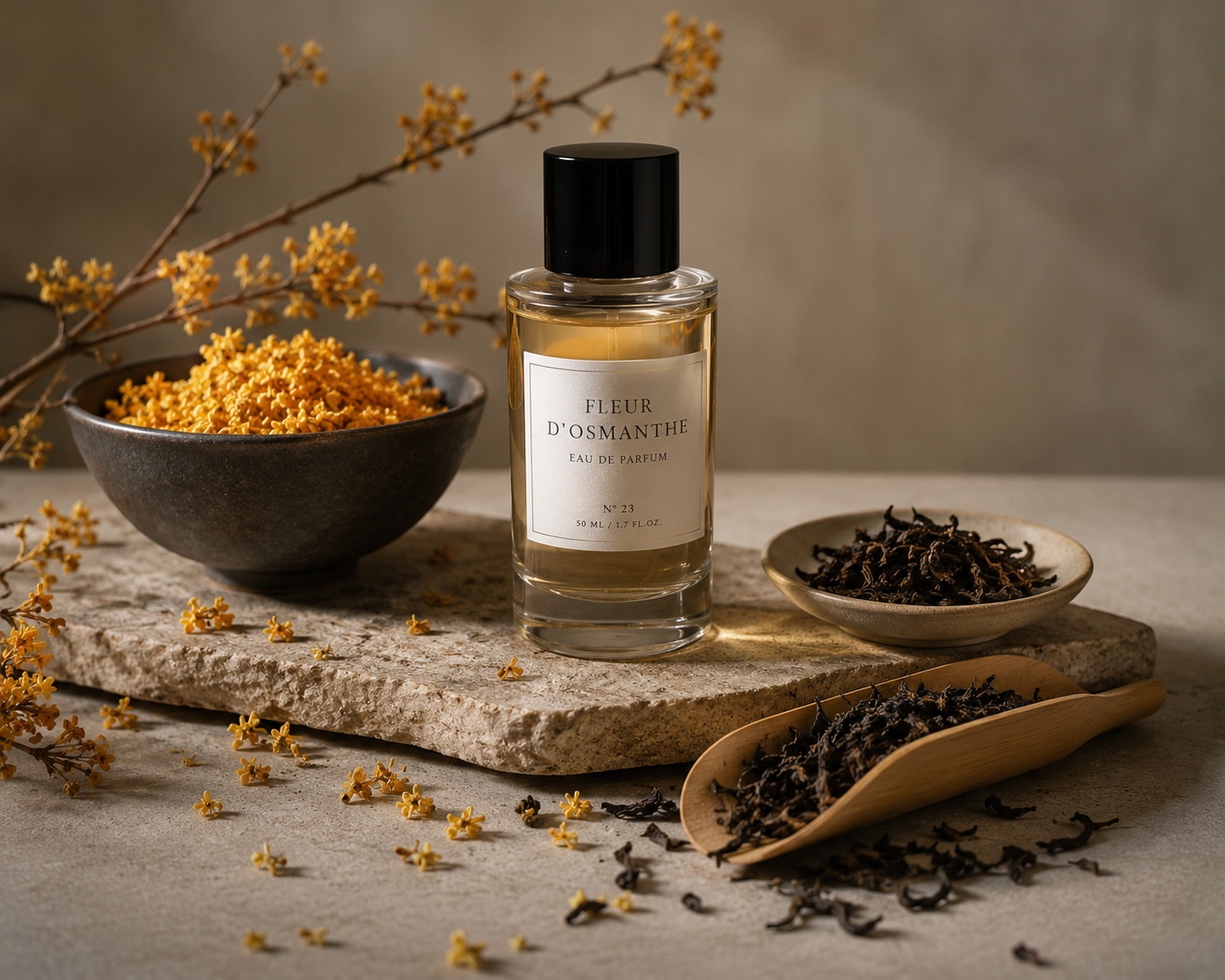
Taking inspiration from Chinese poetry, nature, and history, these brands use materials like osmanthus, tea leaves, ink, bamboo, and plum blossoms. But they do not present them in a clichéd “oriental” way. Instead, they deconstruct these scents to create complex, narrative-driven experiences. A perfume might smell like rain falling on ancient temple tiles, or the dry warmth of old library books.
Local perfumers are leveraging China’s advanced manufacturing supply chain to produce high-quality ingredients at a fraction of the cost of Western houses. This allows them to experiment with rare, natural essences that would be prohibitively expensive for mass-market brands. The result is a product that feels both culturally resonant and globally competitive.
The Psychology of Scent and Status
Why is this happening now? The answer lies in the intersection of economic confidence and psychological shifts. As China’s middle class solidifies its purchasing power, consumption has moved from “having” to “being.” People no longer just want to own things; they want to express who they are through them.
Fragrance is uniquely suited for this. It is ephemeral, intimate, and subjective. Unlike a handbag or a watch, a scent cannot be easily photographed or displayed, making it a more genuine test of personal taste. It is a “silent status symbol”—only those who know how to look (or sniff) will understand its value.
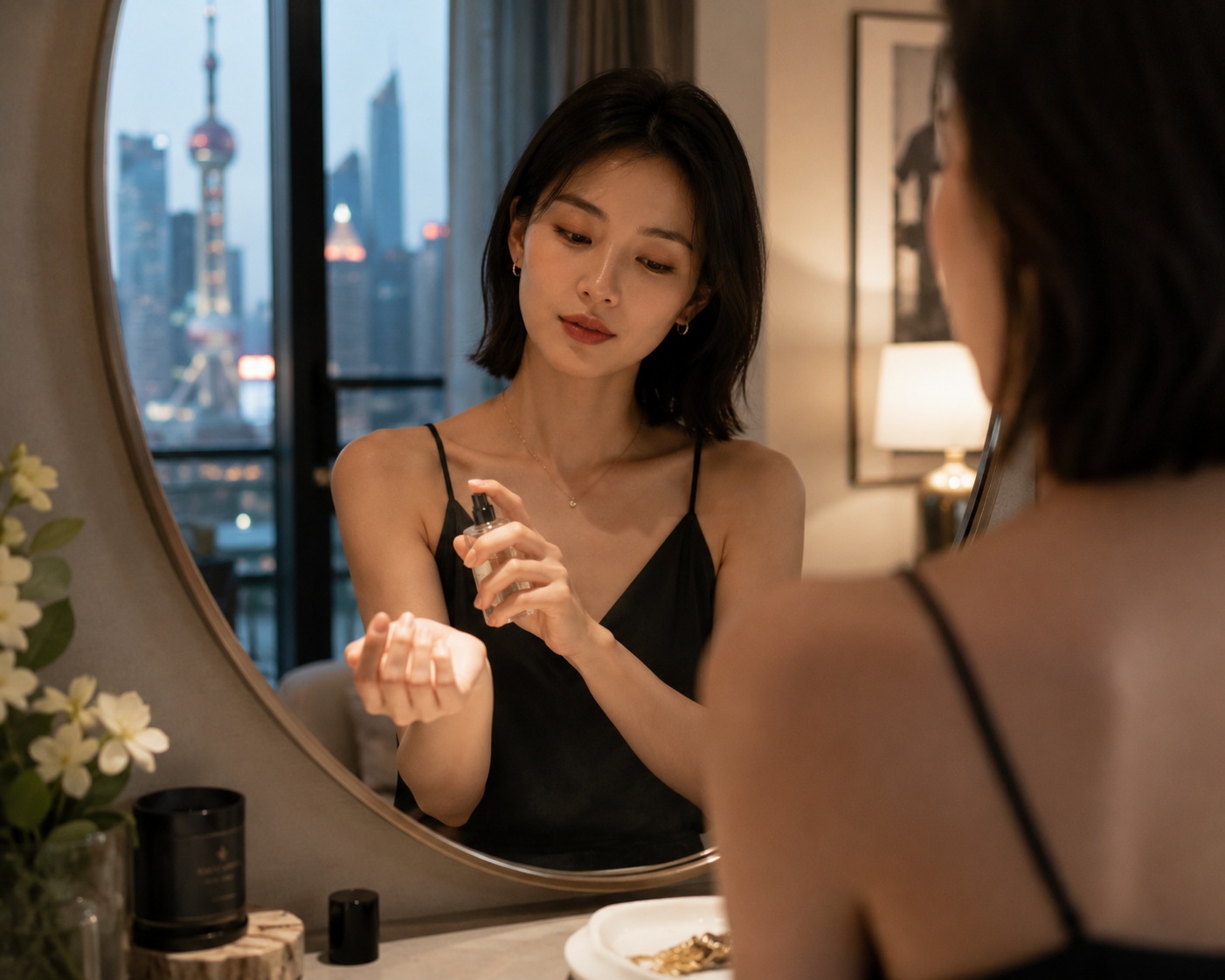
For Shanghai’s elites, buying niche perfume is an act of self-reward and differentiation. It is a way to carve out a private space in a crowded, noisy city. The ritual of spraying a unique scent becomes a moment of mindfulness, a reminder that despite the hustle of daily life, there is still room for personal nuance.
A Cultural Shift in the Making
The niche perfume fever is more than a marketing trend; it is a reflection of a broader cultural shift in China. It shows that Chinese consumers are becoming more sophisticated, more introspective, and more demanding of authenticity. They are not just buying products; they are buying into stories, aesthetics, and identities that resonate with their own lived experiences.
For global brands, this is a wake-up call. The era of relying solely on logo recognition is over. To win over the discerning Shanghai consumer, companies must offer more than just fame; they must offer distinction. They must understand that for this new generation, smelling like no one else is not just a preference—it is a necessity.