
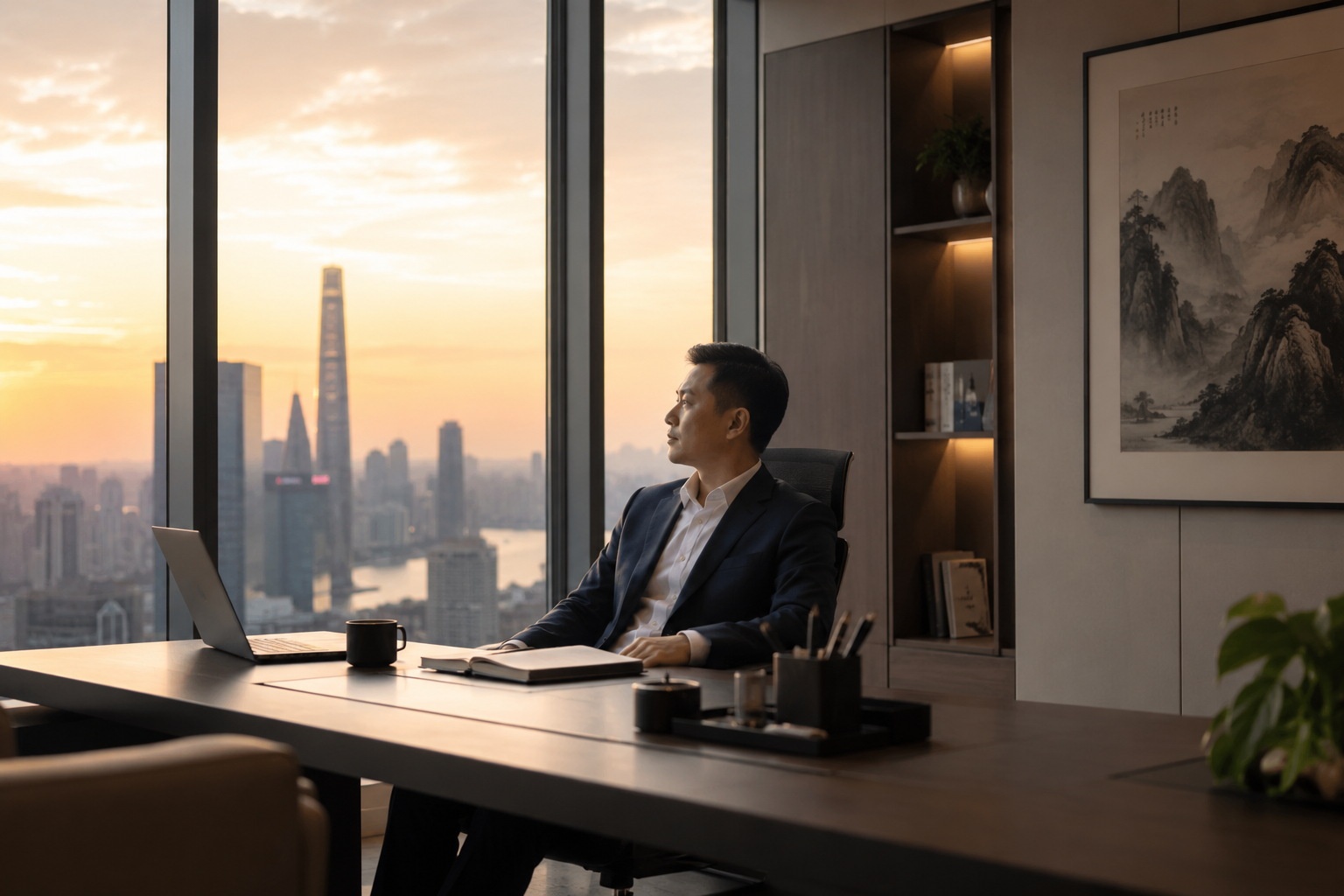

The Empty Office at Midnight
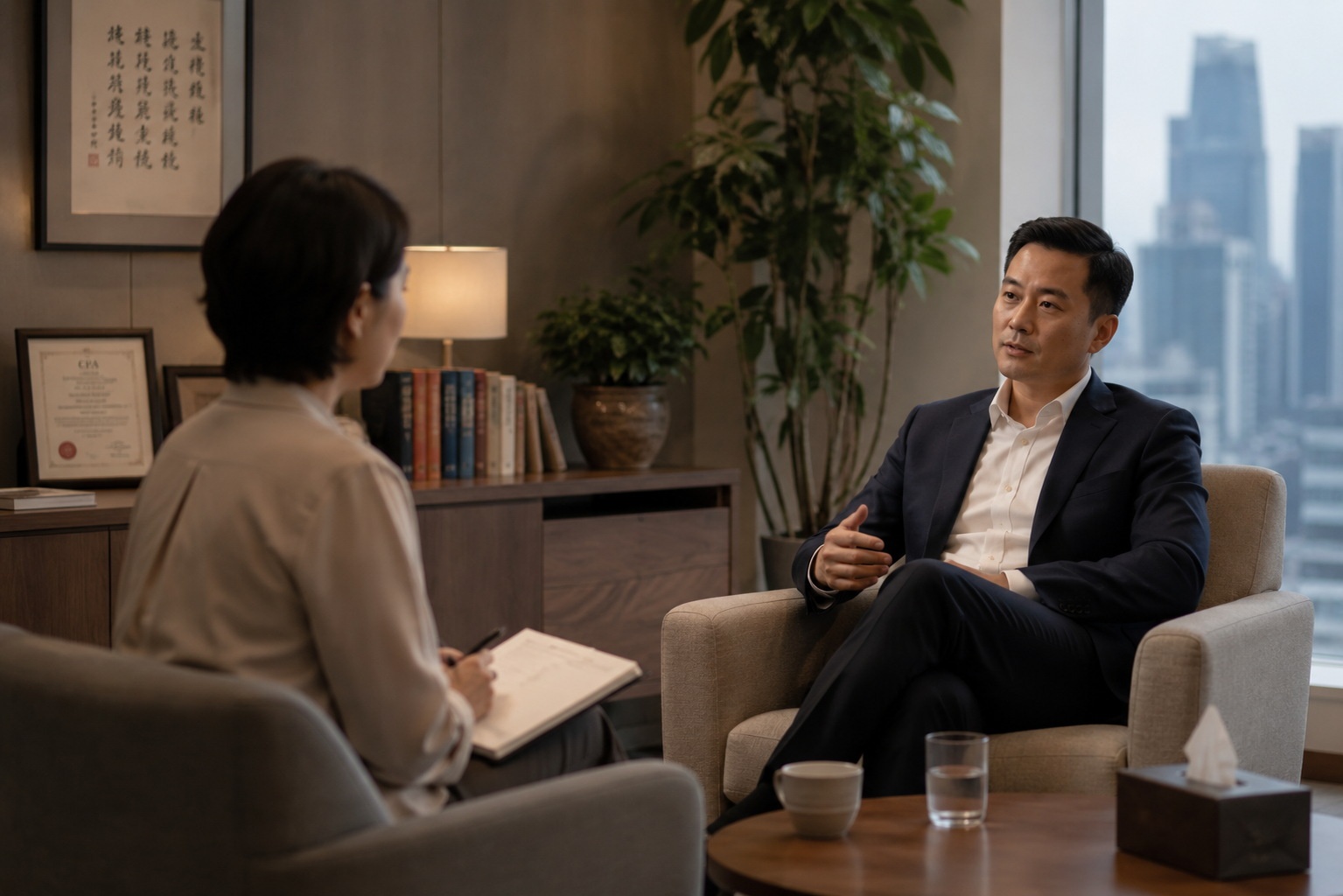
At 11:30 PM, the office tower in Shanghai’s Lujiazui financial district is mostly dark. But on the 42nd floor, the light in Li Wei’s corner office remains on. Li, a 38-year-old Chief Technology Officer at a leading tech firm, isn’t coding or reviewing spreadsheets. He is sitting on a leather sofa in a soundproof room three blocks away, speaking to a therapist via a secure video link.
For years, Li followed the unwritten rule of Chinese corporate culture: leaders must be steel. Admitting stress was seen as a liability, a crack in the armor that could spook investors or demoralize staff. But after suffering from chronic insomnia and a sudden spike in blood pressure last year, Li broke the silence. “I realized I couldn’t make clear decisions when my mind was foggy,” he says. “Therapy wasn’t about fixing a broken person. It was about cleaning the lens.”
From Stigma to Strategy
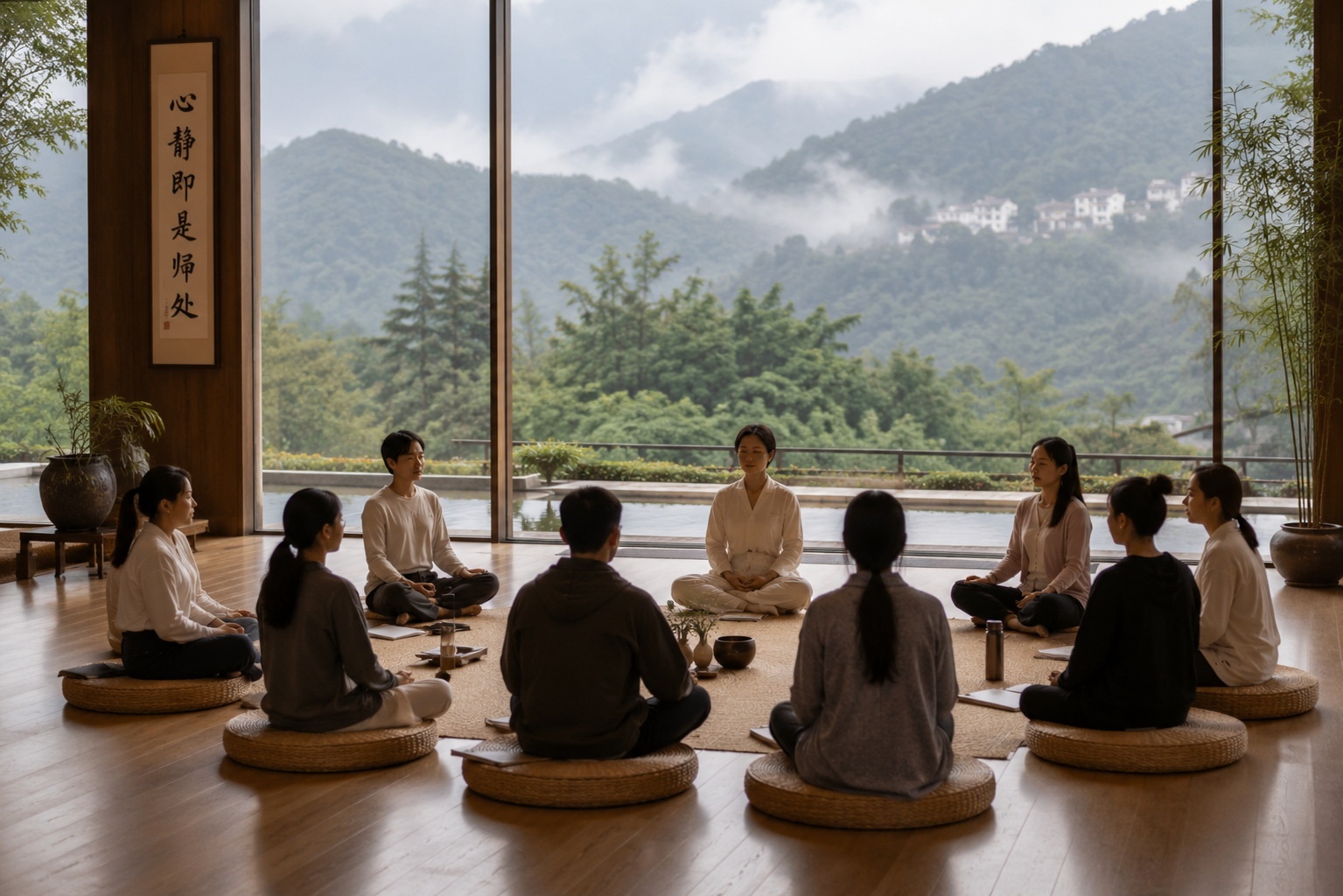
Li’s experience is no longer an anomaly. In Beijing, Shanghai, and Shenzhen, a new ecosystem of mental wellness is emerging for the elite. This isn’t just about traditional clinical psychiatry; it includes high-end psychological coaching, mindfulness retreats in the mountains near Hangzhou, and private ‘mental health days’ that don’t require sick leave.
The shift is driven by a generational change in leadership. The post-90s generation, now moving into senior roles, views mental well-being not as a luxury, but as a basic operational requirement. They are less influenced by the older generation’s ‘hardship worship’ and more open to emotional intelligence as a leadership skill.
Furthermore, the cost of inaction is becoming too high. In an era of rapid market volatility, executive burnout is a tangible business risk. Companies are beginning to offer confidential counseling services as part of their executive benefits packages, acknowledging that a stressed CEO makes poor strategic choices.
Redefining ‘Strength’
The most significant change is linguistic and cultural. In the past, psychological issues were often stigmatized as ‘illnesses’ requiring isolation. Today, among China’s business elite, therapy is being reframed as ‘performance optimization’ or ‘cognitive maintenance.’
Taking a break to see a therapist is increasingly seen as a sign of self-awareness and responsibility, not weakness. It is akin to a professional athlete working with a physiotherapist—to maintain peak condition, not because they are injured.
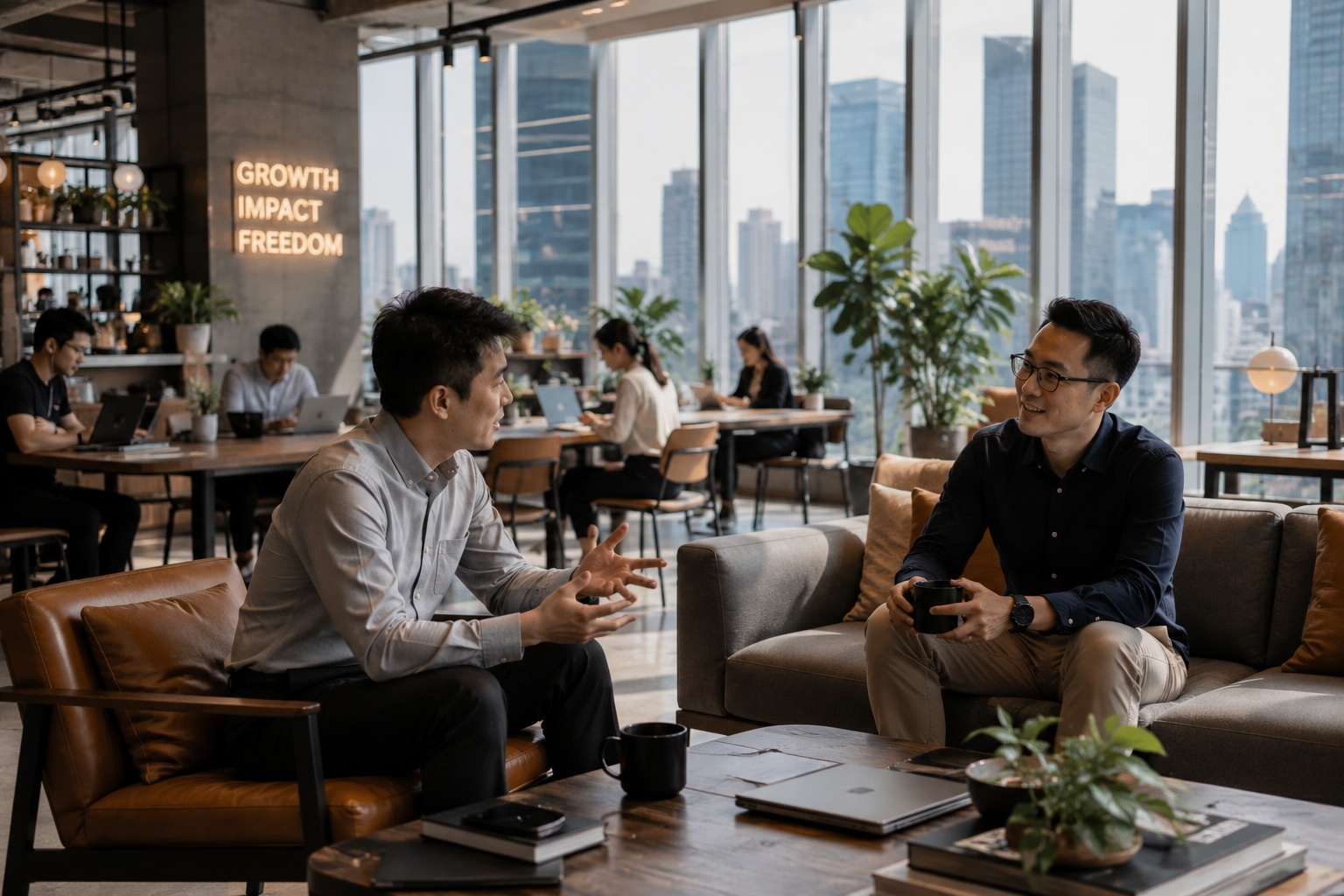
This shift is also visible in the rise of ‘executive coaching’ firms that blend Western psychological techniques with Chinese cultural contexts. These coaches don’t just listen; they help leaders navigate complex interpersonal dynamics, decision fatigue, and the loneliness of power.
The Road Ahead
Despite this progress, the taboo hasn’t fully vanished. Many executives still keep their therapy sessions strictly confidential, fearing that HR or board members might misinterpret vulnerability as instability. The stigma is fading, but it remains a private matter.
However, the trend is undeniable. As more leaders openly discuss their mental health journeys, they are paving the way for a healthier workplace culture. The message is clear: true leadership isn’t about enduring pain in silence; it’s about managing your mind so you can lead effectively.
For Li Wei, the change has been profound. He sleeps better, his relationships with his team have improved, and he feels more resilient. “I used to think strength was holding everything together alone,” he says. “Now I know strength is knowing when to ask for help.”