
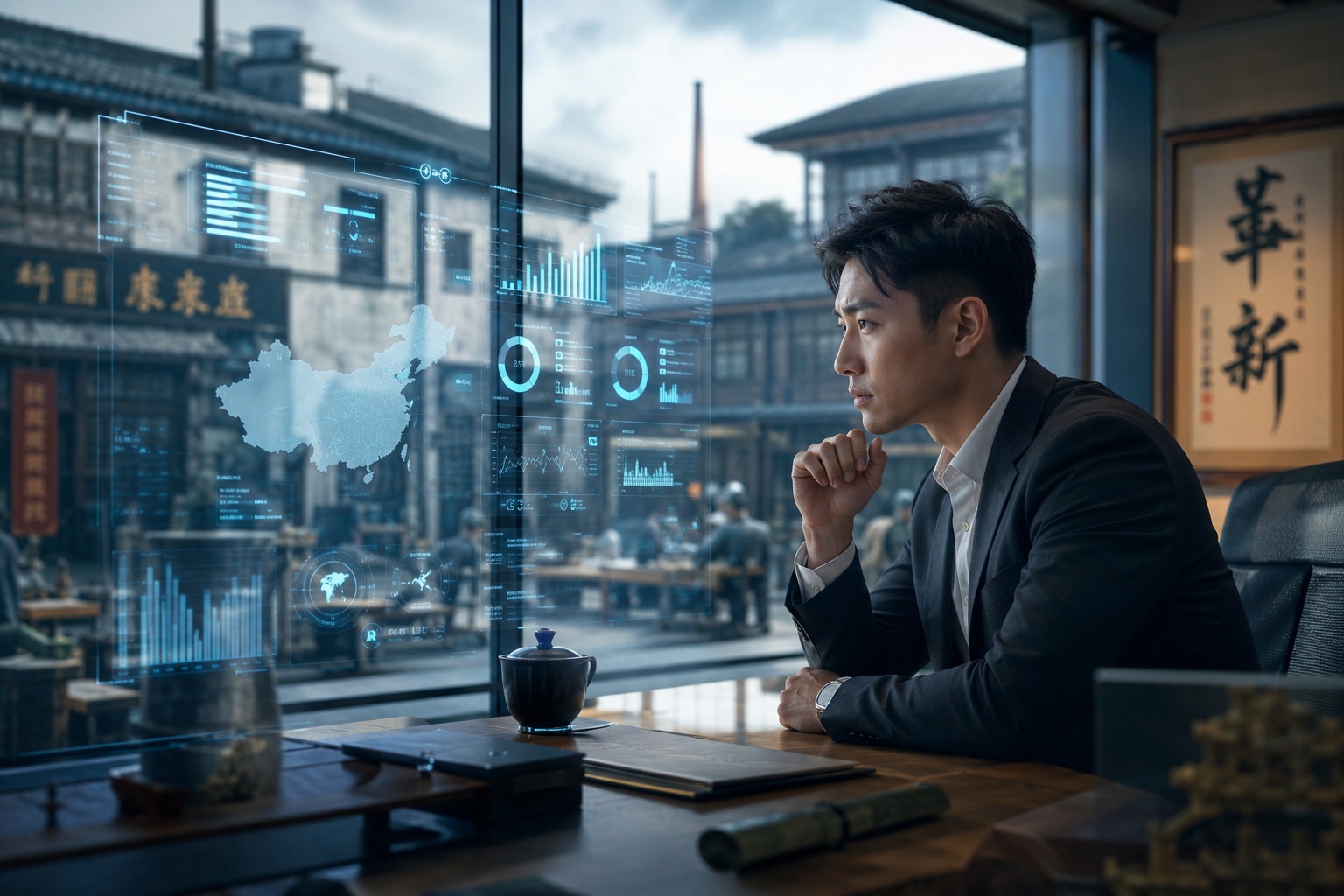

The Weight of the Key
Lin Hao, 32, stood in the middle of his father’s factory floor in Zhejiang province. The air smelled of metal and lubricant, a scent he had associated with childhood weekends and teenage rebellion. Today, it smelled like pressure. He held a tablet displaying real-time data from IoT sensors installed on the assembly lines—data his father, the company’s founder, barely understood.
“The machine stopped because of a sensor error,” Lin Hao said, pointing to a red alert. “Dad wants to fix it with a wrench. I need to fix it with code.”
This is the daily reality for many of China’s “second-generation” business successors, known locally as Er Dai. Unlike their predecessors who built empires through sheer grit and flexible regulation, these successors are inheriting complex, mature enterprises in an era of intense competition and rapid technological change. The transition is no longer just about passing the torch; it is about rebuilding the fire.
Digital Transformation as a Battleground
For decades, Chinese family businesses relied on personal relationships (guanxi), low-cost labor, and agile decision-making. But as the economy shifts toward high-quality growth, those advantages are fading. This is where the successor’s role becomes critical.
Lin Hao’s mission was not just to manage, but to digitize. He introduced an Enterprise Resource Planning (ERP) system that connected procurement, production, and sales. The resistance was fierce. Veteran managers, some of whom had worked with his father for 20 years, felt their intuition was being replaced by cold algorithms.
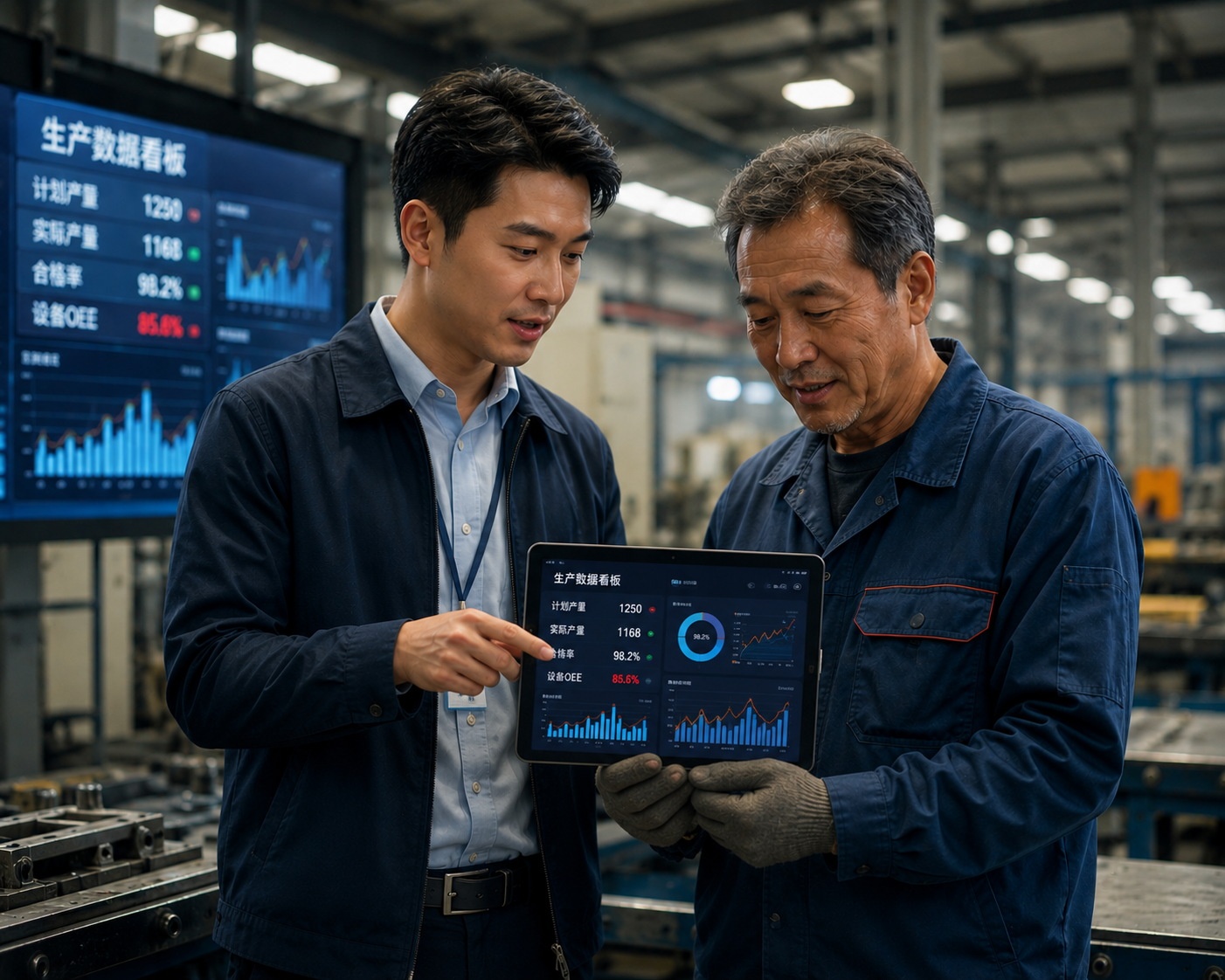
“They called me a ‘tech bro’ who didn’t know how to shake hands,” Lin Hao recalled. “But when the system reduced our inventory costs by 15 percent in three months, the talking stopped.”
This scenario is repeated across industries, from textiles to heavy manufacturing. A report by HEC Paris and Zhejiang University found that firms led by second-generation successors were significantly more likely to invest in automation and digital technologies compared to those still run by founders. The pressure to modernize is not just a personal ambition; it is an existential necessity.
Emotional Inheritance vs. Personal Identity
Beyond the boardroom, the stress is deeply personal. In Chinese culture, the family business is often seen as a collective asset, not just a job. Rejecting it can be viewed as a betrayal of parental sacrifice. Yet, many successors studied abroad, absorbing Western management theories and individualistic values.
Take the case of Sarah Chen, who took over her parents’ logistics company in Shanghai. She wanted to pivot toward green supply chains and carbon neutrality—a move that required significant upfront investment with no immediate return. Her father saw it as risky; she saw it as the only way to stay relevant in a global market.
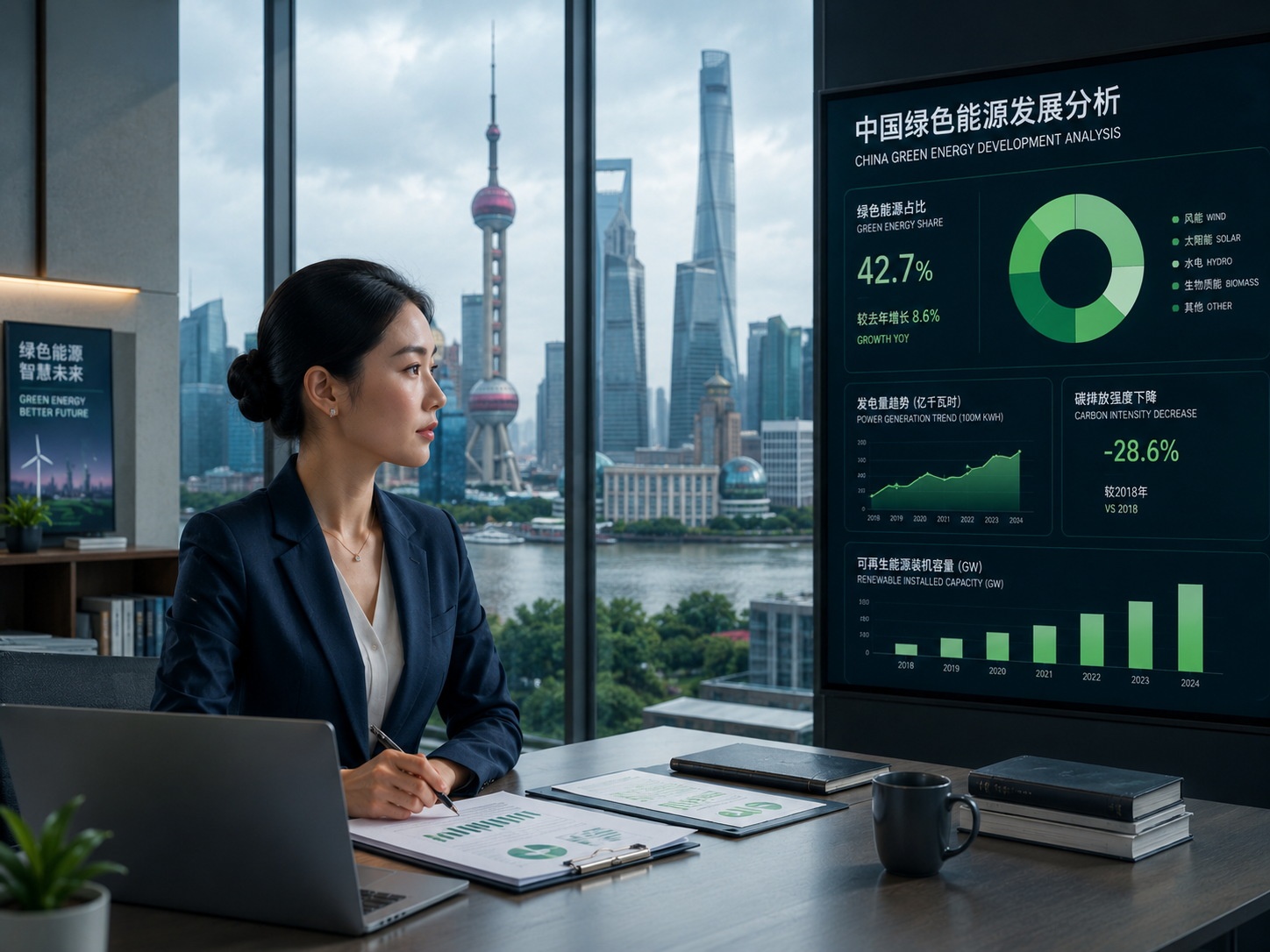
“It’s not just about profit,” Chen explained. “It’s about proving that I can be myself without destroying what they built. It’s a balancing act between filial piety and innovation.”
This tension creates a unique psychological burden. Studies suggest that while second-generation successors often have higher educational backgrounds, they report higher levels of anxiety and burnout. They are caught between the expectation to preserve the legacy and the desire to innovate.
A New Breed of Leaders
Despite the challenges, this generation is reshaping Chinese business. They are more open to external capital, professional management, and corporate governance. Many are bringing in outside CEOs or restructuring the board to include independent directors, moving away from the patriarchal model.
Moreover, they are leveraging China’s digital ecosystem. From using AI for customer service to implementing blockchain for supply chain transparency, these successors are integrating global standards with local agility. They are not just inheriting businesses; they are upgrading the operating system of Chinese enterprise.
The Future of Family Enterprise
The story of China’s business successors is a microcosm of the country’s broader economic transition. As the “demographic dividend” fades and innovation takes center stage, the ability of family firms to adapt will determine their survival.
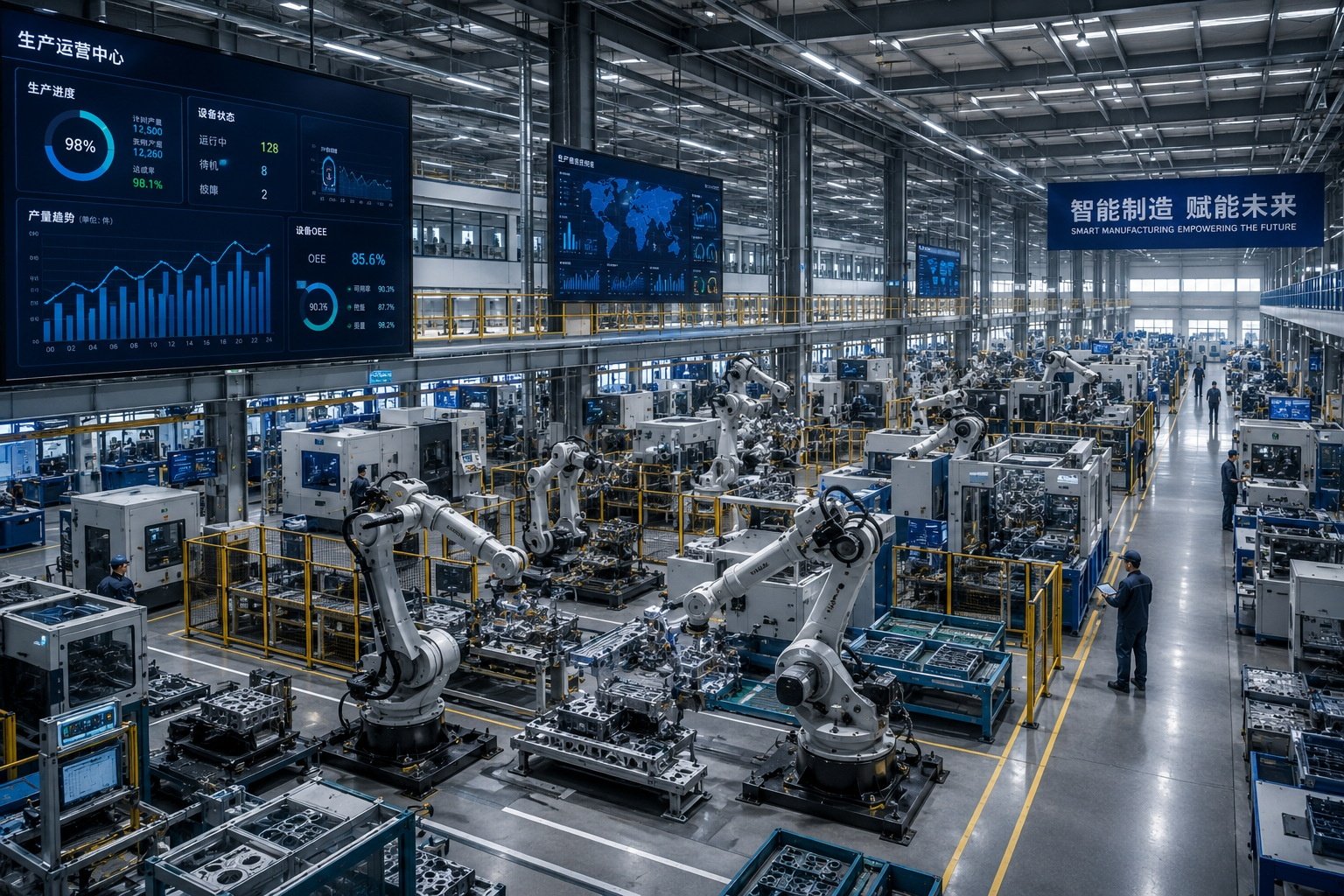
For Lin Hao, the factory floor is no longer just a place of production; it is a laboratory. The data he collects today will inform decisions tomorrow. He is not just his father’s son; he is a bridge between the old world of hard labor and the new world of intelligent manufacturing.
The stress of inheritance is real, but so is the opportunity. In navigating the complex interplay of tradition and technology, these successors are defining the next chapter of China’s economic story.