

The First Bite Changes Everything
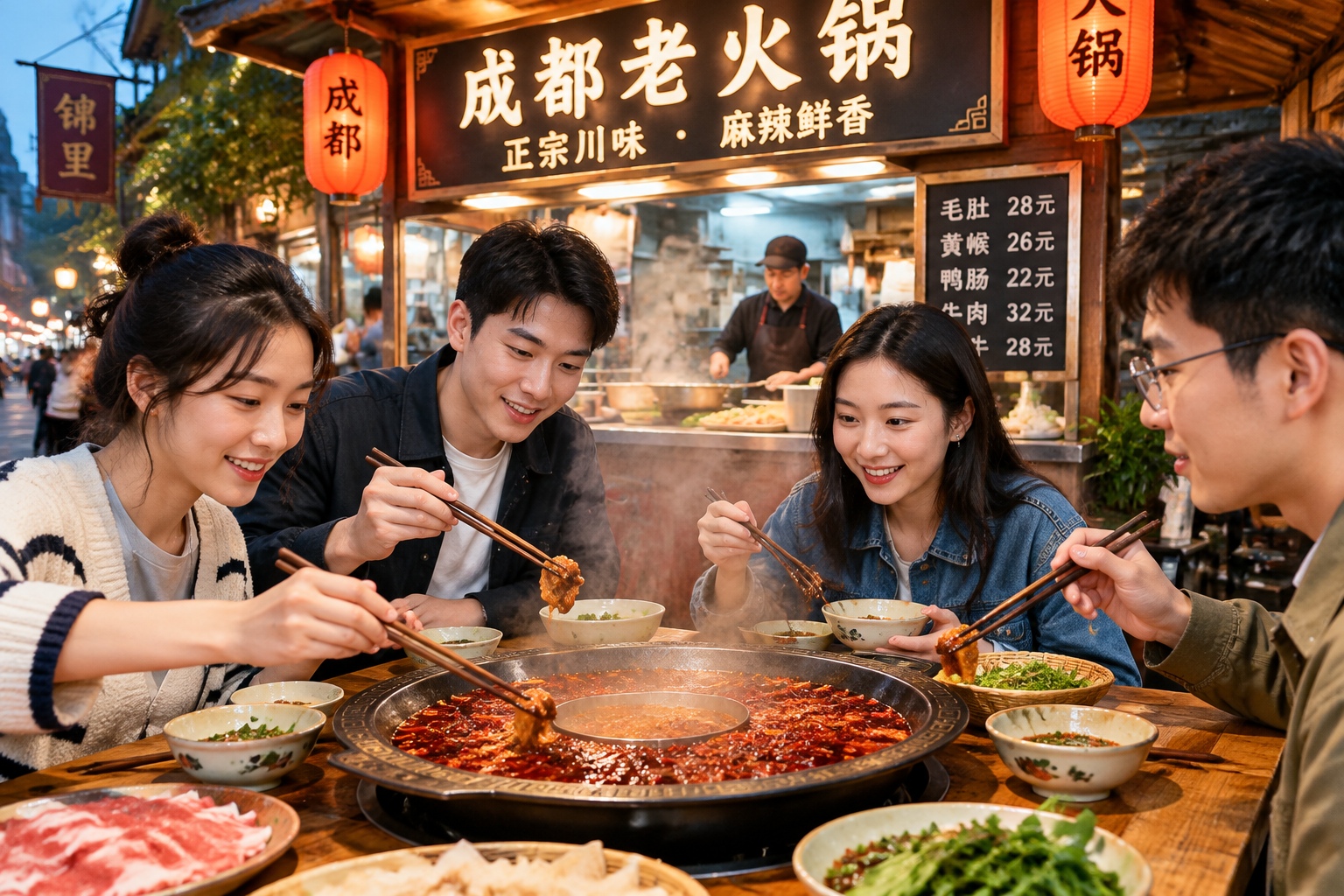
It starts with a single bowl of noodles in Chengdu. The air is thick, not just with humidity, but with the scent of boiling chili oil and Sichuan peppercorns. You take a sip of your tea to cool down, only to realize the steam rising from the bowl isn’t cooling you—it’s warming you up while your mouth tingles. This isn’t a restaurant for tourists; it’s where local office workers gather after 5 PM. They don’t eat slowly. They eat with the speed and precision of people who know exactly what they want.
For many Western observers, Chinese food is often reduced to “General Tso’s Chicken” or generic sweet-and-sour pork from a takeout box. But standing in the heart of China’s culinary map reveals a complexity that defies these labels. Food here isn’t just sustenance; it’s a language of geography, history, and community.
The North-South Divide: Spice vs. Sweetness
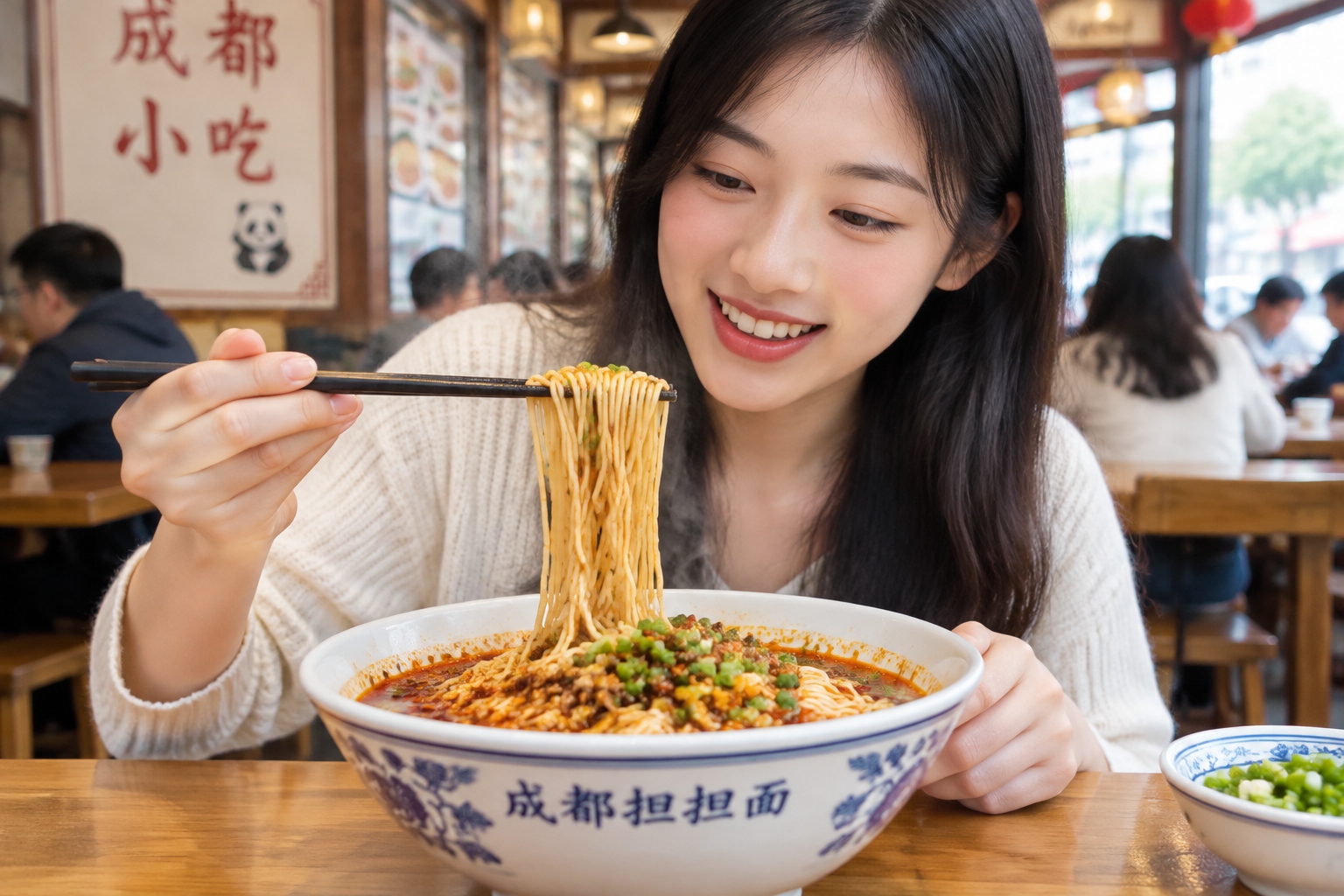
Traveling west to east across China is like crossing different continents in terms of taste. In the southwest, specifically Sichuan and Chongqing, food is aggressive. It’s about “mala”—the unique combination of numbing spice from green peppercorns and the fiery heat of chili.
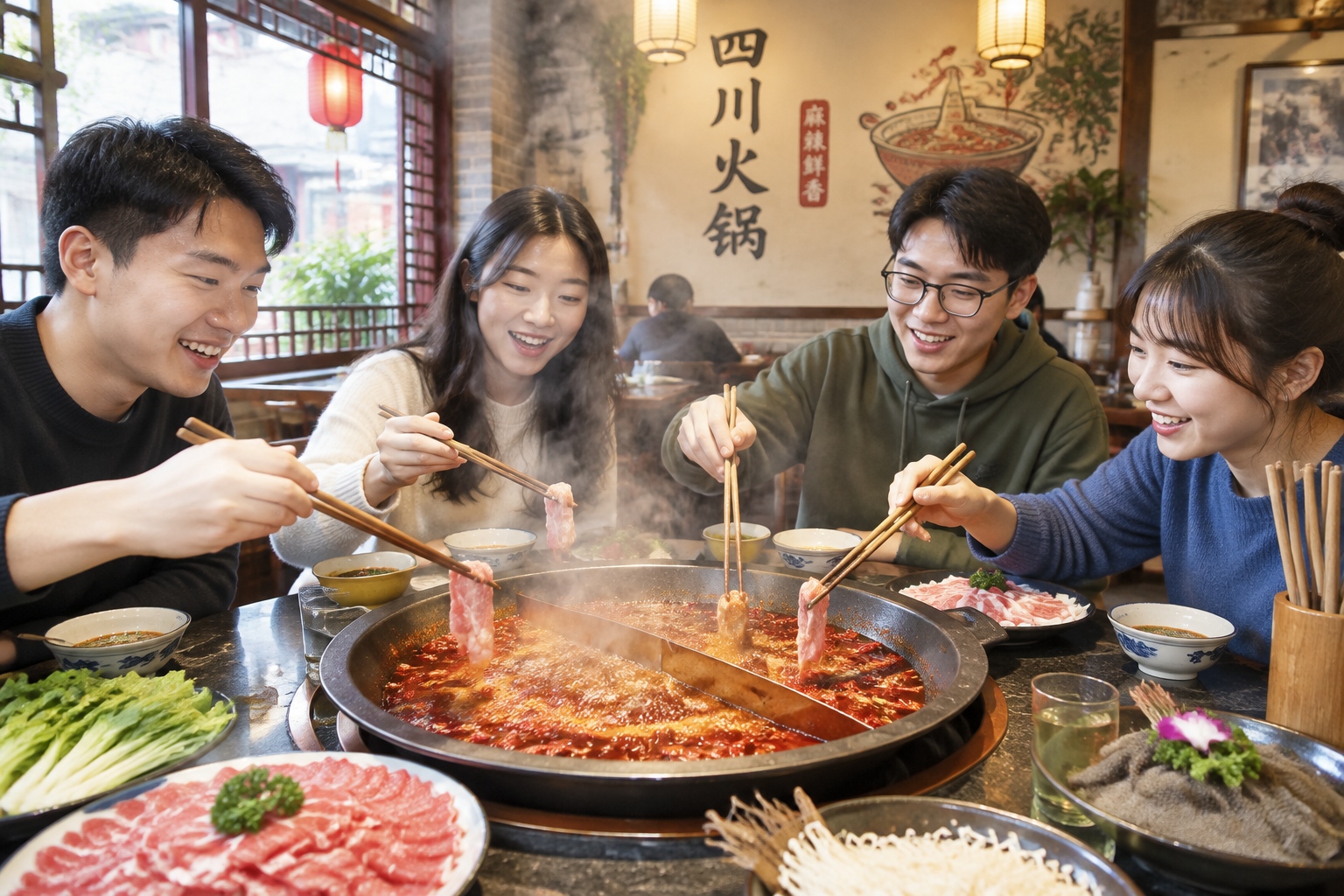
In a Chengdu hot pot restaurant, the broth bubbles over two sections: one clear for those who prefer mild flavors, and one red inferno for the brave. Diners dip meat, tofu, and vegetables into the boiling oil, then coat them in a garlic-chili sauce. It’s messy, loud, and deeply social.
Now, imagine flying 1,000 kilometers east to Jiangnan—the region around Shanghai, Suzhou, and Hangzhou. The air changes, the dialect shifts, and so does the flavor profile. Here, food is about balance and subtlety.
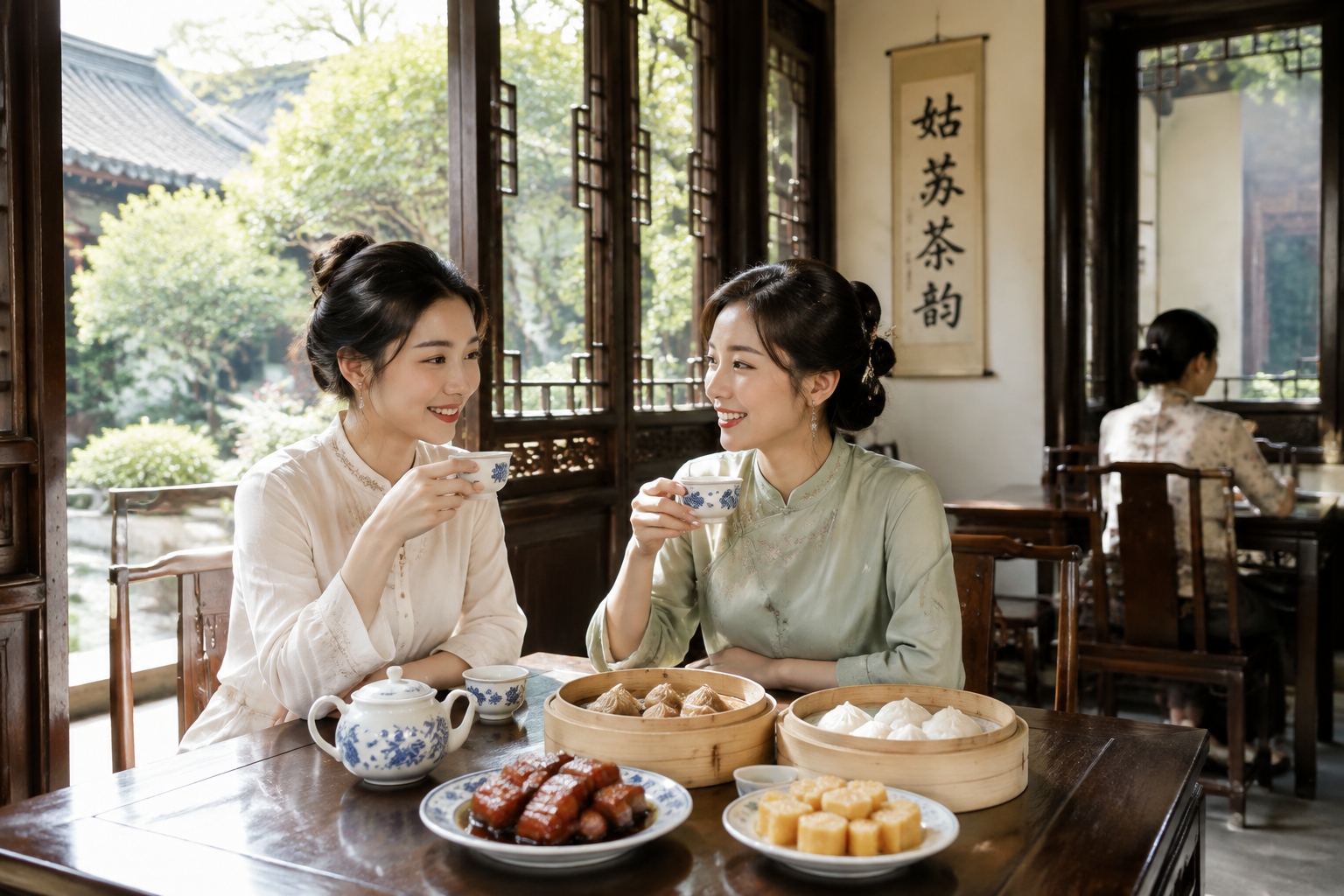
In a small tea house in Suzhou, you might order Dongpo Pork or Sweet Shrimp. The dishes are glazed with sugar, not to mask the taste of meat, but to enhance its natural sweetness. A bite of braised pork belly here feels soft, melting like butter, accompanied by the faint floral scent of jasmine tea. It’s a stark contrast to the fiery intensity of the west.
More Than Just Food: The Social Fabric
What makes these regional differences so fascinating isn’t just the ingredients; it’s how people eat. In China, meals are rarely solitary affairs. Whether in a bustling Sichuan alleyway or a quiet Jiangnan courtyard, food is the glue of social interaction.
In Chengdu, lunch breaks are sacred. You’ll see groups of workers crowding around round tables, sharing massive platters of spicy beef and steamed buns. The conversation is as loud as the chewing. It’s a moment to disconnect from work stress and reconnect with colleagues over shared heat and spice.
In contrast, dinner in Shanghai or Suzhou might happen in more intimate settings. While still communal, the pace is slower. Families gather around square tables, passing dishes family-style. The focus is on conversation and the delicate interplay of flavors. A meal here can last hours, with multiple courses served slowly.
The Modern Twist: Fast Food and Tradition
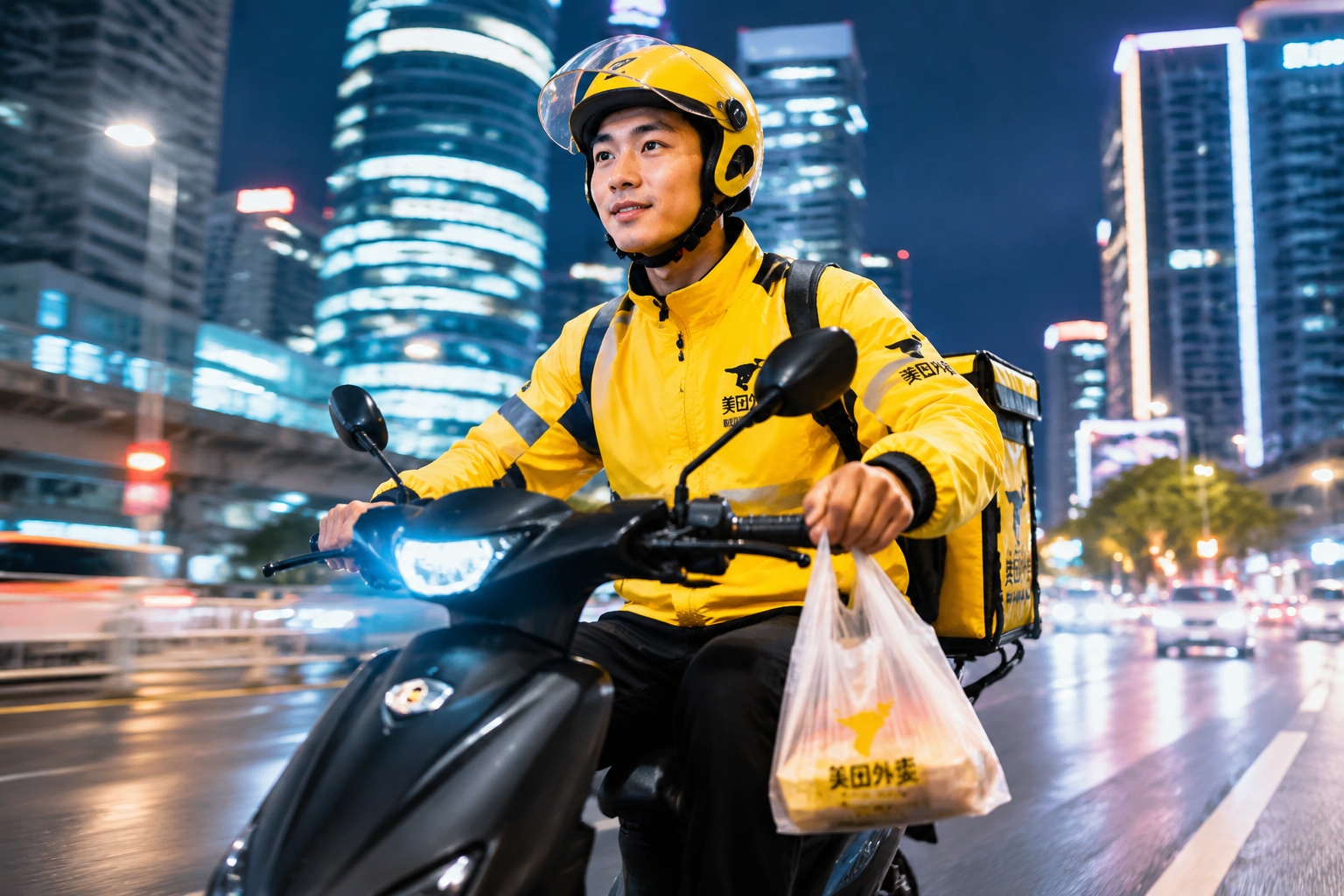
You might wonder if this traditional map still holds up in a hyper-modern country. The answer is yes, but with a twist. China’s delivery ecosystem is the fastest in the world. Apps like Meituan and Ele.me allow you to order authentic regional dishes from any city to your doorstep within 30 minutes.
But don’t expect the food to lose its soul. A spicy hot pot meal ordered via app still comes with the same intense broth and fresh ingredients prepared in a local kitchen. In fact, technology has made it easier for people to explore their own culinary heritage. A young professional in Beijing can order Suzhou-style sweet dumplings for lunch without leaving their office building.
Why It Matters
Understanding China’s food culture is the best way to understand its people. The spice of the west reflects a bold, resilient spirit shaped by harsh winters and mountainous terrain. The sweetness of the east mirrors a history of trade, refinement, and a focus on harmony.
Next time you think about China, don’t just think of factories or skyscrapers. Think of the steam rising from a bowl of noodles in Chengdu, or the delicate glaze on a piece of pork in Suzhou. These small, flavorful details tell the true story of a country that is as diverse and dynamic as its map.
Start the discussion at forum.chinacomes.com