

The End of the “Green Train” Myth
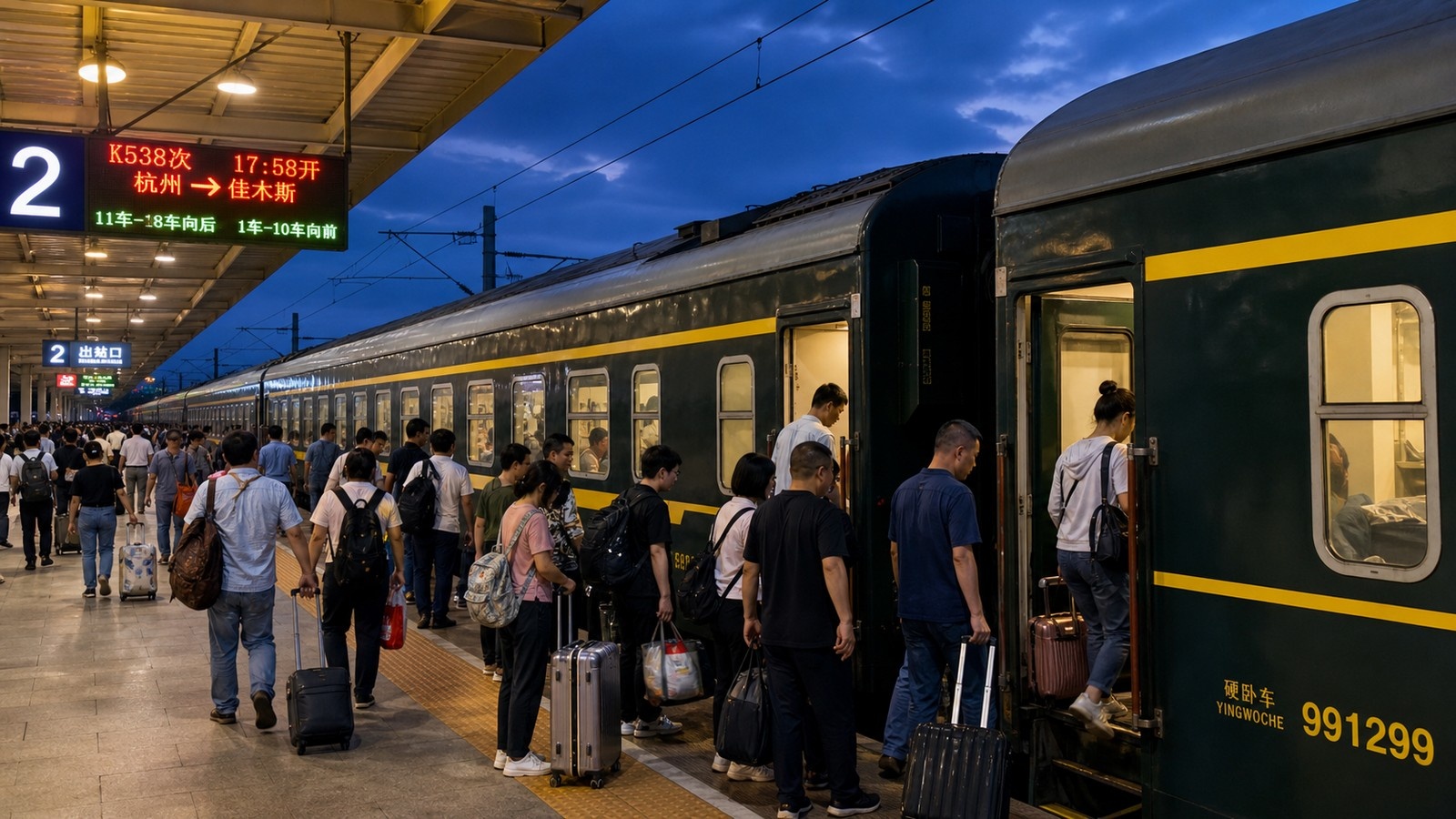
It is nearly midnight in a bustling station in Chengdu. The air smells of instant noodles, diesel fumes, and damp raincoats. Thousands of travelers are queuing under flickering fluorescent lights, clutching crumpled tickets. They are not boarding high-speed bullet trains. Instead, they are heading toward the aging but reliable “green trains”—officially known as K, T, or Z series express trains.
For decades, these slow trains were China’s only option for long-distance travel. Today, while high-speed rail dominates intercity trips, sleeper trains remain vital for crossing vast distances at a fraction of the cost. If you are planning an overnight journey in China, understanding the difference between hard sleeper and soft sleeper is not just about comfort; it’s about survival.
The Hardware: Open Bunks vs. Private Cabins
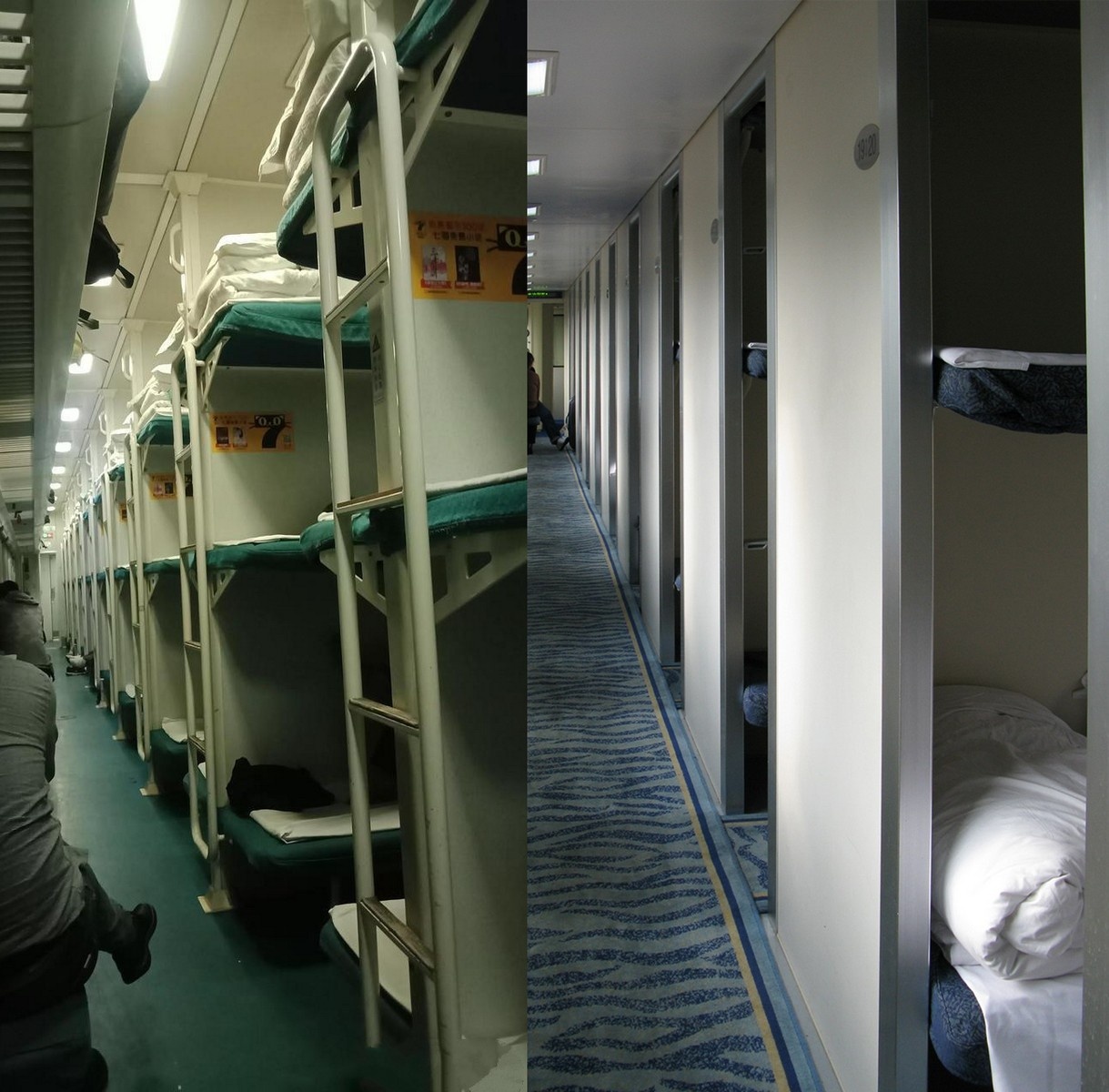
The fundamental difference lies in the physical layout of the carriage. Imagine walking down a narrow aisle with luggage racks overhead and open compartments on either side.
Hard Sleeper (Yingwo)
A hard sleeper compartment is an open corridor design, typically housing 66 bunks across 11 rows. There are no doors to close. Each row has three tiers of beds: lower, middle, and upper.
- The Lower Bunk: The most coveted spot. It offers the most legroom and is easiest to access without climbing. However, it also receives the most foot traffic as other passengers pass by or climb over others to reach upper bunks.
- The Middle Bunk: A compromise. You have decent headroom but limited space for bags at your feet.
- The Upper Bunk: The cheapest and often the quietest option, provided no one is sitting on the lower bunk next to you. It offers a bird’s-eye view of the aisle but requires climbing a steep ladder every time you need to use the restroom or get water.
There are no curtains. Privacy is non-existent. The beds are roughly 75 cm wide and 180 cm long, which might feel tight for taller travelers. The mattresses are thin foam pads on metal frames—firm enough to be uncomfortable but not quite hard like a rock.
Soft Sleeper (Ruanwo)
In contrast, soft sleeper carriages feature enclosed private cabins with sliding doors and locks. Each cabin holds four bunks: two lower and two upper, arranged in a 2×2 configuration. Some newer trains offer “four-berth soft sleepers” with more space, or even luxury suites with en-suite toilets (though these are rare).
- Privacy: You can close the door. This is a game-changer for many travelers who want to change clothes without an audience or simply sleep without interruption.
- Comfort: The beds are slightly wider, and the mattresses are thicker. The walls are padded with fabric, which helps dampen sound from the corridor.
The Night Experience: Sounds, Smells, and Routine
Regardless of your ticket class, the atmosphere in a sleeper carriage is distinct. It is not a hotel; it is a shared living space that moves at 100 km/h.
Noise and Social Dynamics
In hard sleepers, noise travels everywhere. You will hear the clatter of chopsticks, the hiss of instant noodle bowls being prepared with boiling water from the communal kettle, and conversations starting at 8 PM that may last until midnight. Strangers often bond over shared meals or complaints about the journey. If you are a light sleeper, earplugs are mandatory.
Soft sleepers are quieter, but not silent. The door helps block corridor noise, but your cabin-mates’ snoring or phone calls will be very audible. In hard sleepers, the social pressure to interact is higher; in soft sleepers, you can retreat behind a closed door if you prefer solitude.
Utilities and Rules
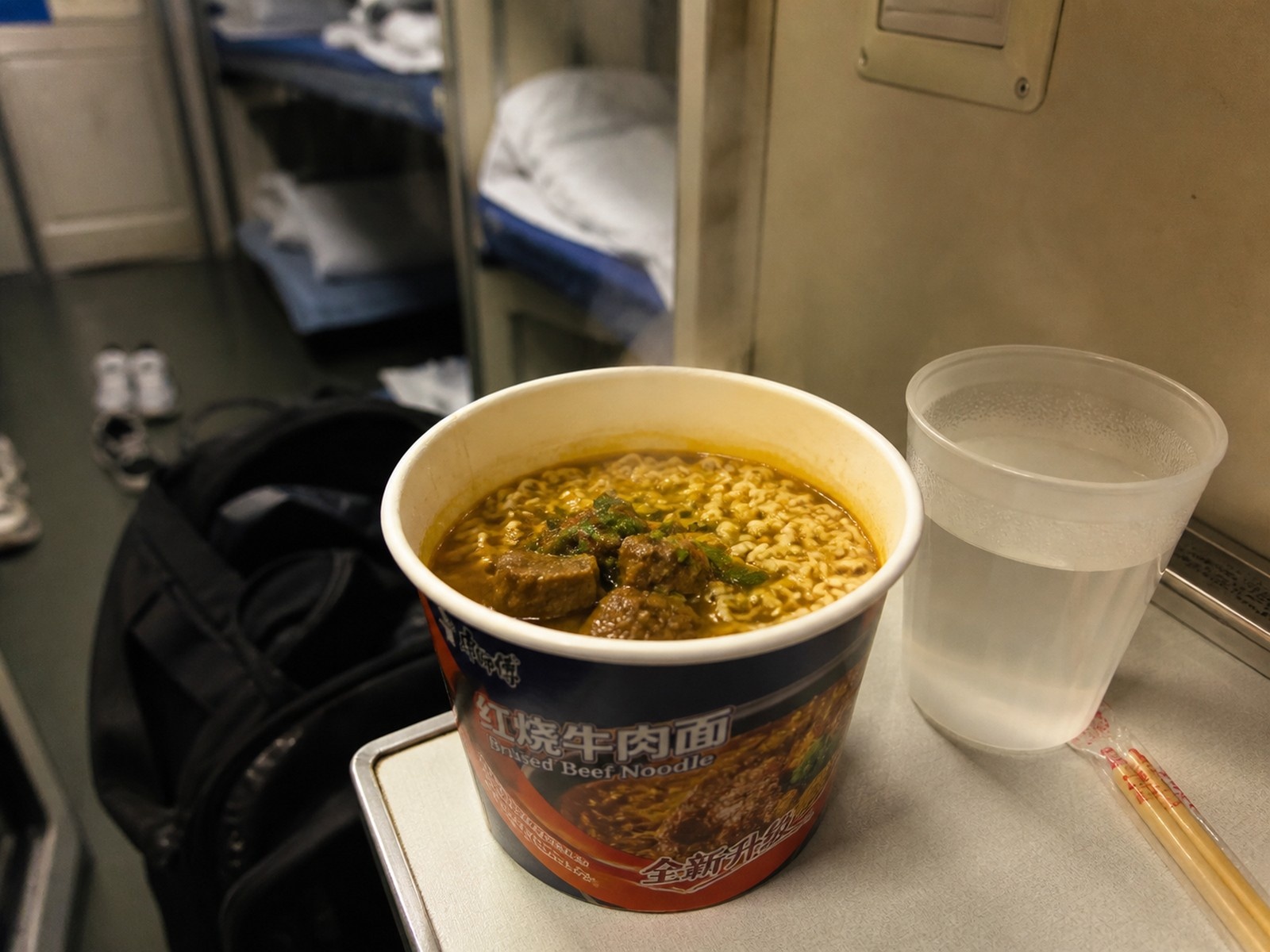
Every carriage has a water boiler at the end of the aisle. It provides free hot water 24/7. This is where the famous Chinese instant noodle culture happens. Most travelers carry dried noodles, sausages, or fruit from station vendors.
Lights are dimmed around 10 PM, and main corridor lights may turn off completely at midnight to encourage sleep. However, individual reading lights above each bunk remain on unless you cover them with a cloth provided in the seat pocket. Bathrooms are shared (western-style squat toilets or occasional sit-down toilets) and located at either end of the carriage. They are functional but often smell strong by late night.
Security
You will not be sleeping alone. The train conductor (or guard) patrols every few hours, checking tickets with a handheld device. In soft sleepers, they may knock to verify occupancy. In hard sleepers, the open design allows for easier monitoring, but theft is still rare due to constant passenger presence.
Which One Should You Choose?
The decision depends on your budget, tolerance for discomfort, and travel duration.
- Choose Hard Sleeper if: You are traveling solo or with friends who don’t mind noise. It is significantly cheaper (often 30-50% less than soft sleeper). If you are young, resilient, and want to experience the “real” China, this is your ticket. Aim for a lower bunk if possible; avoid it only if you hate climbing.
- Choose Soft Sleeper if: You are traveling with family, elderly companions, or require guaranteed sleep. If your journey exceeds 12 hours, the extra cost buys peace of mind and privacy. It is also safer for valuables left in the cabin overnight.
Final Tips for the Road
Bring a small padlock for your luggage locker (if available) or just zip-ties for your bag handles. Wear comfortable clothes that are easy to change into sleepwear. Bring slippers—the hard floors are unforgiving after a long day of walking.
The green train is not about luxury; it is about connection. It connects cities across time zones and social strata. Whether you choose the open chaos of a hard sleeper or the quiet enclosure of a soft one, you are participating in one of the world’s largest daily migration rituals. Just remember: respect your neighbors, keep your voice down at night, and enjoy the view as the Chinese countryside rolls by under the moonlight.