In Guangzhou, morning tea is not about speed. It is a multi-hour ritual where steam rises over bamboo baskets, carts roll through crowded halls, and conversations stretch from business deals to family gossip. For locals, this isn't just breakfast; it's a vital social marathon.

A new travel trend among China's college students involves hitting dozens of landmarks, sleeping on overnight trains, and spending under $50 in a single weekend. This 'Special Forces' style is reshaping urban tourism.

In cities across China, small shop owners quietly place bottles of water outside their doors for sanitation workers. It's not a government mandate or a viral campaign; it's a daily habit born from mutual respect and the simple reality of shared streets.

Forget the quiet corners of Western coffee shops. In China, bubble tea stores are battlegrounds where brands fight with prices as low as $1 and marketing stunts that rival blockbusters. Here is how ordinary people live through this fierce competition.

A traveler drops their wallet in a Chinese high-speed train. Instead of chasing it across the country, they watch as a digital system and a dedicated team retrieve it within hours. Here is the real story behind China's modern service efficiency.

It started as a joke for single students in Beijing universities, but today, November 11th is the world's largest shopping carnival. This report follows ordinary citizens through the pre-sale chaos, the live-streaming frenzy, and the logistics miracle that moves millions of packages in a single day.

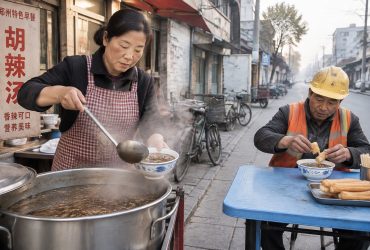
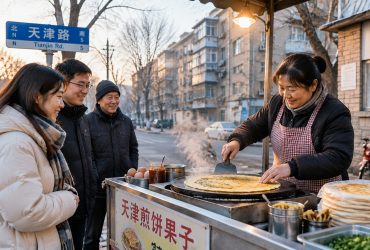
From sizzling skewers to bustling night markets, China's street vendors are more than just food sellers. They are the heartbeat of urban recovery, balancing economic necessity with a vibrant cultural revival.

In a Beijing basement lit by soft LED strips, Li Wei sits alone. He pays $2 an hour to escape the noise at home and compete for graduate school spots. This is the new reality for millions of Chinese youth: buying silence as a strategy for survival.

Forget the glass storefronts on busy avenues. In cities across China, the trendiest coffee spots are tucked away in ordinary apartment blocks, accessible only by a specific code or a friendly knock. This isn't just about cheap rent; it's a new kind of community that turns finding a cafe into an urban treasure hunt.

Stepping into a centuries-old temple in Hangzhou, we stumbled upon a bustling Hanfu photoshoot. What started as an intrusion turned into a vivid encounter where Gen Z's passion for traditional culture blends with modern life, creating a unique bridge between the sacred past and the vibrant present.