
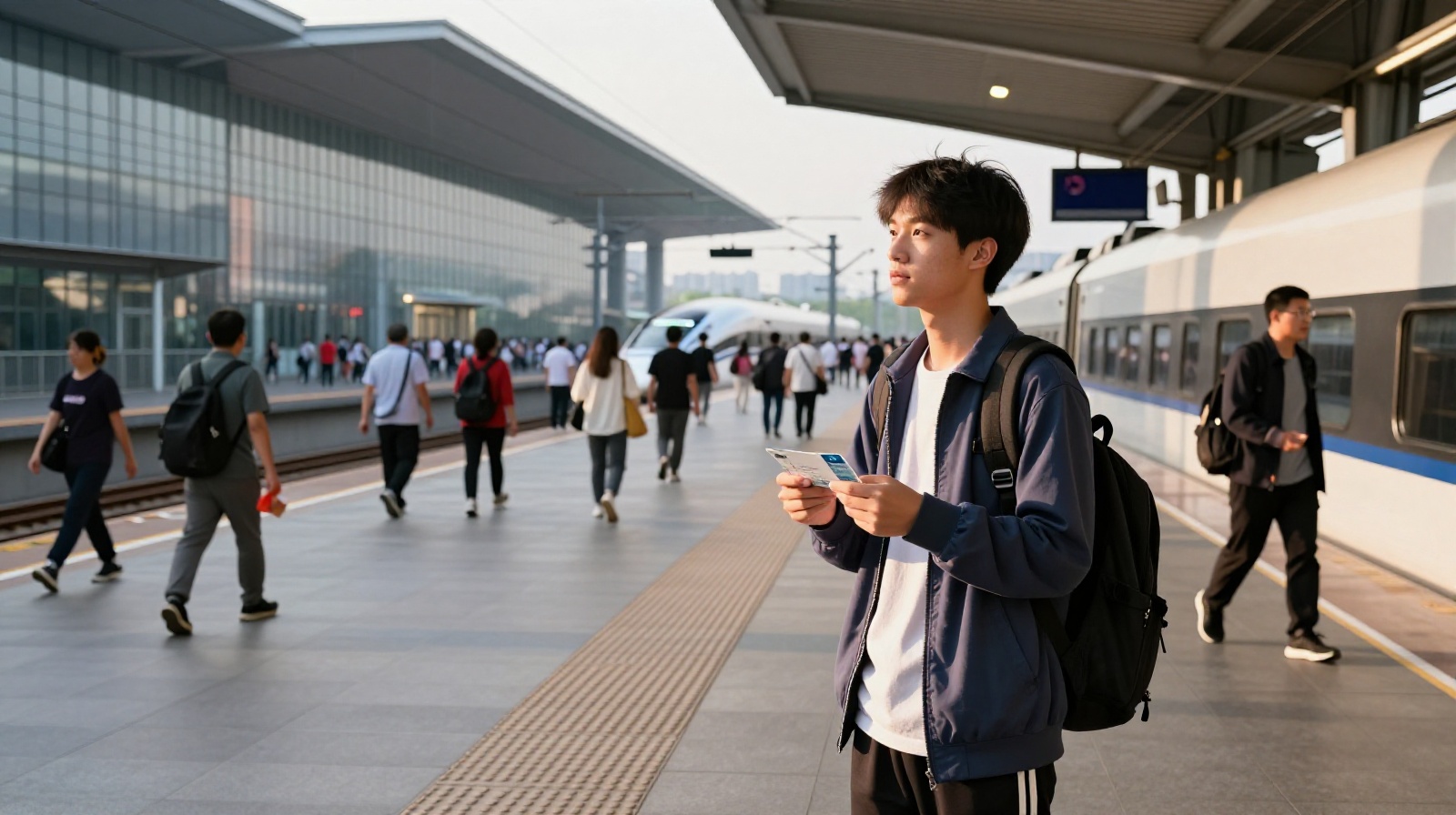

From Beijing to Hangzhou in One Weekend
The alarm goes off at 4:30 AM. There is no time for breakfast, only a quick grab of two buns from the convenience store. By 5:15 AM, Li Wei is on a high-speed train leaving Beijing, heading south to Hangzhou. He has exactly 48 hours to visit the West Lake, a local museum, three ancient temples, and catch a sunset at the Qian Tang River.
Li isn’t a professional guide or a wealthy tourist. He is a 20-year-old undergraduate student in Beijing. His itinerary looks like a military operation: zero margins for error, maximum efficiency, and a strict budget cap of 300 yuan (approx. $42 USD) for the entire trip.
This phenomenon, dubbed “Special Forces Travel” (特种兵式旅行), has become a defining cultural moment for Chinese Gen Z. It is not just about sightseeing; it is a high-intensity race against time and money, driven by tight schedules during school breaks and the urgent desire to see the world before graduation.
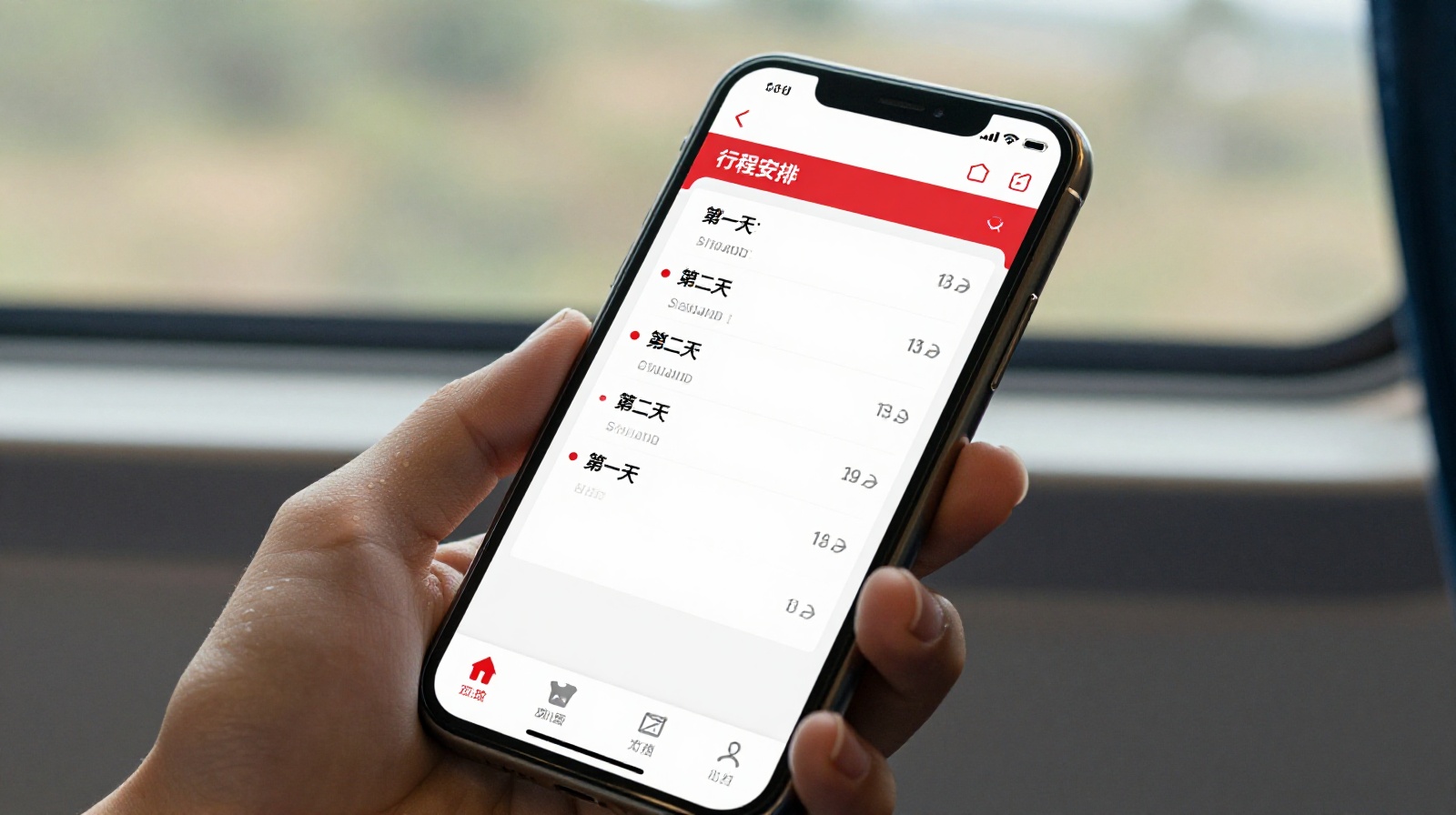
The Logistics of Extreme Efficiency
What does this travel style actually look like? It starts with obsessive planning. Using apps like Xiaohongshu (Little Red Book) or Douyin, students map out routes that minimize walking time between landmarks. They often choose overnight sleeper trains to save on a night’s hotel accommodation.
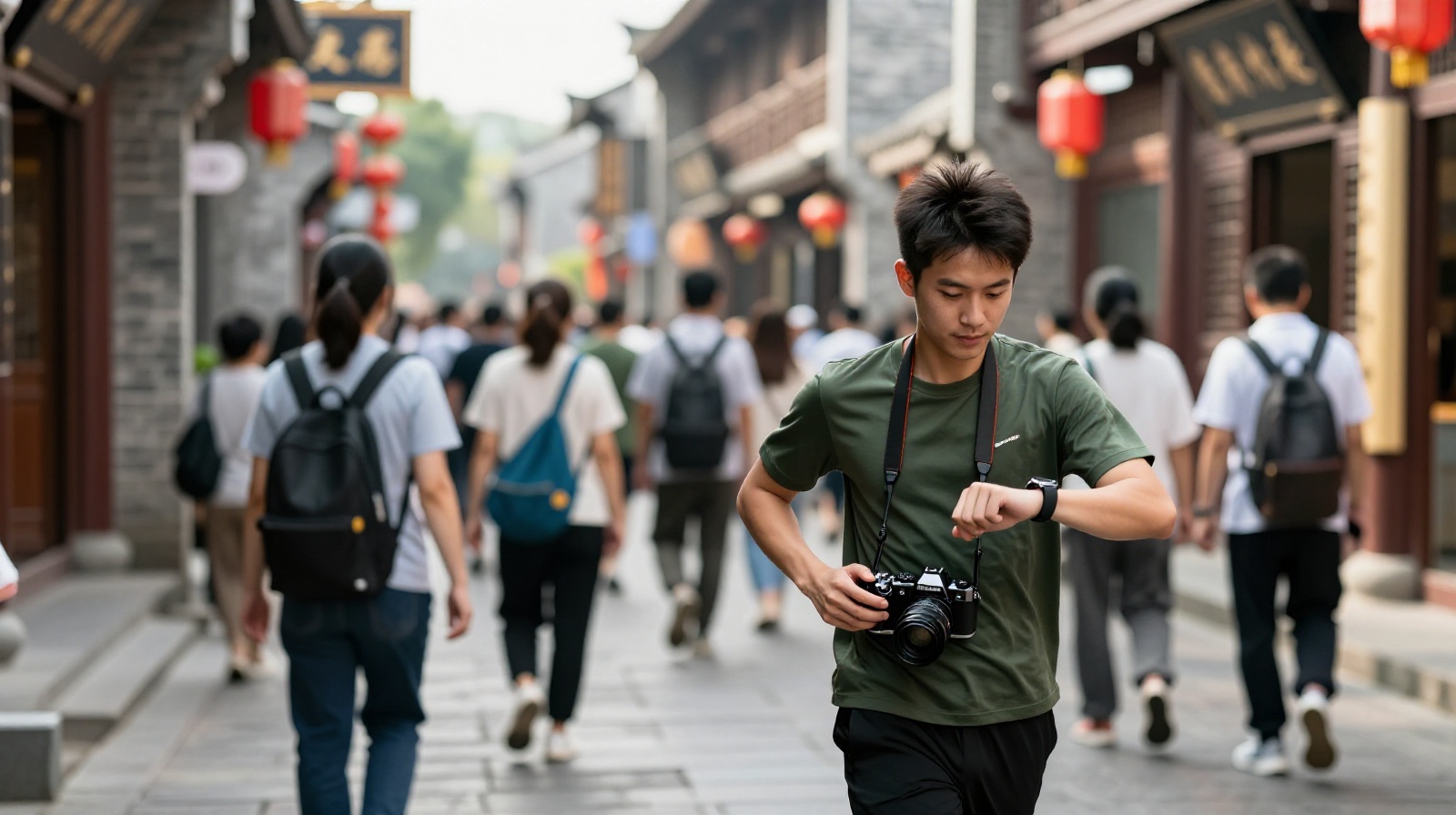
In the morning, they might arrive at a destination and immediately head to the first spot. Lunch is eaten while standing in line for tickets. Afternoon involves rushing from one photo op to another, with students using stopwatches to ensure they don’t miss their return trains.
The physical toll is real. Many report sleeping only 4-5 hours over two days. Yet, the reward is a sense of conquest. “I saw more in this weekend than my parents saw in a week-long vacation,” Li says, showing a photo album filled with dozens of snapshots from different locations.
Why Do It? The Economics and Emotion
The rise of this trend is rooted in economic reality. For many Chinese college students, travel budgets are limited. They often rely on part-time jobs or family allowances that cannot cover traditional luxury vacations.
High-speed rail networks make long-distance travel affordable. A one-way ticket from Beijing to Hangzhou can cost as little as 70 yuan if booked in advance. With accommodation costs eliminated by sleeping on trains, the barrier to entry is incredibly low.
But it’s not just about saving money. It is also about the emotional payoff of “checking off” a list. In a society where competition for jobs and academic success is fierce, this travel style offers a tangible sense of achievement. Each checked box on their itinerary feels like a small victory against the pressure of daily life.
Social media amplifies this. Posts with titles like “24 Hours in Xi’an” or “Beating the Clock in Chengdu” garner thousands of likes. These viral videos turn individual struggles into shared cultural spectacles, inspiring others to try their own 48-hour marathons.
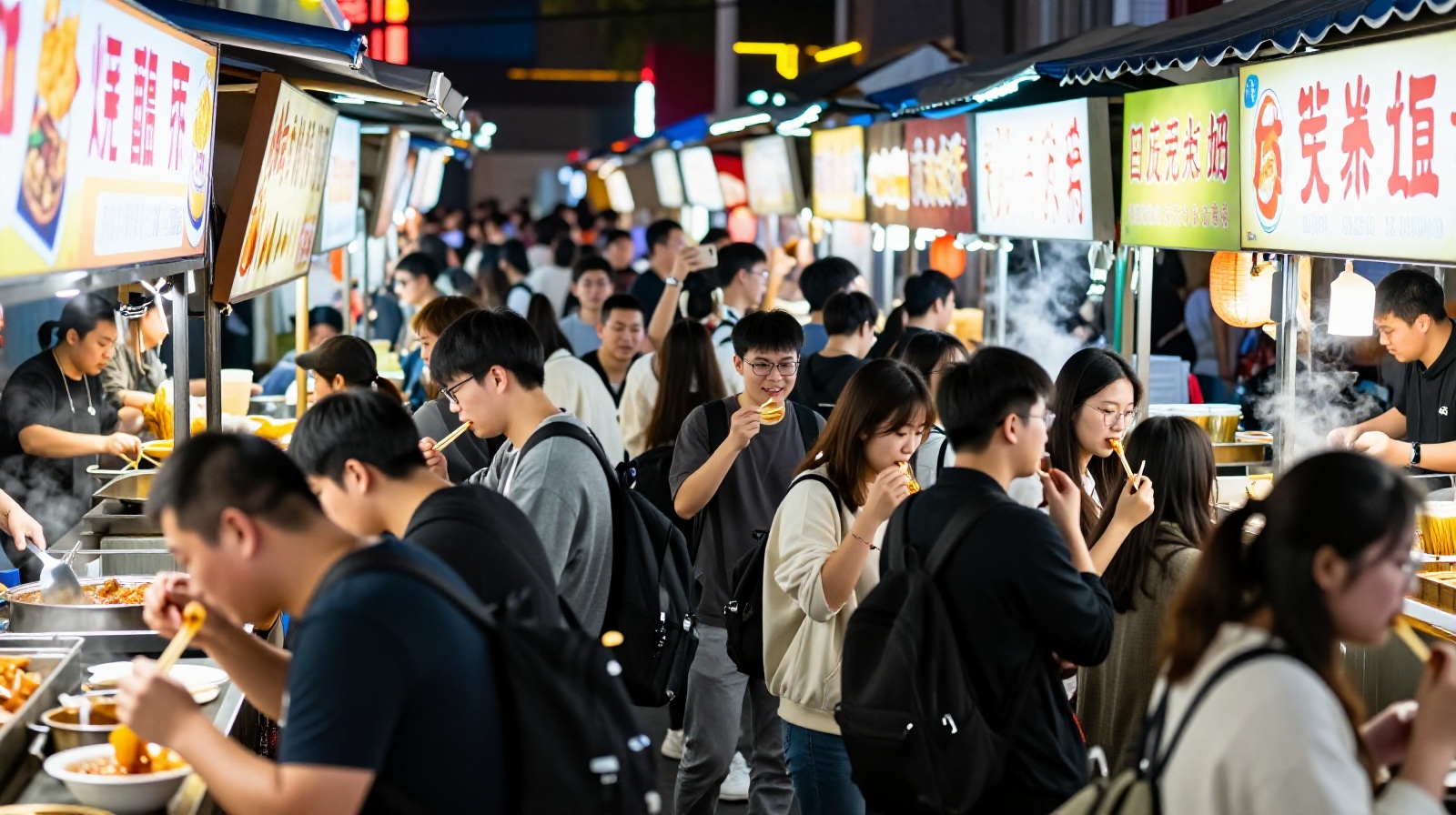
The Impact on Cities and Sustainability
For the cities involved, this influx is a double-edged sword. Local tourism boards are thrilled by the sudden spike in foot traffic. Small businesses near major attractions report surges in sales for cheap snacks and local souvenirs.
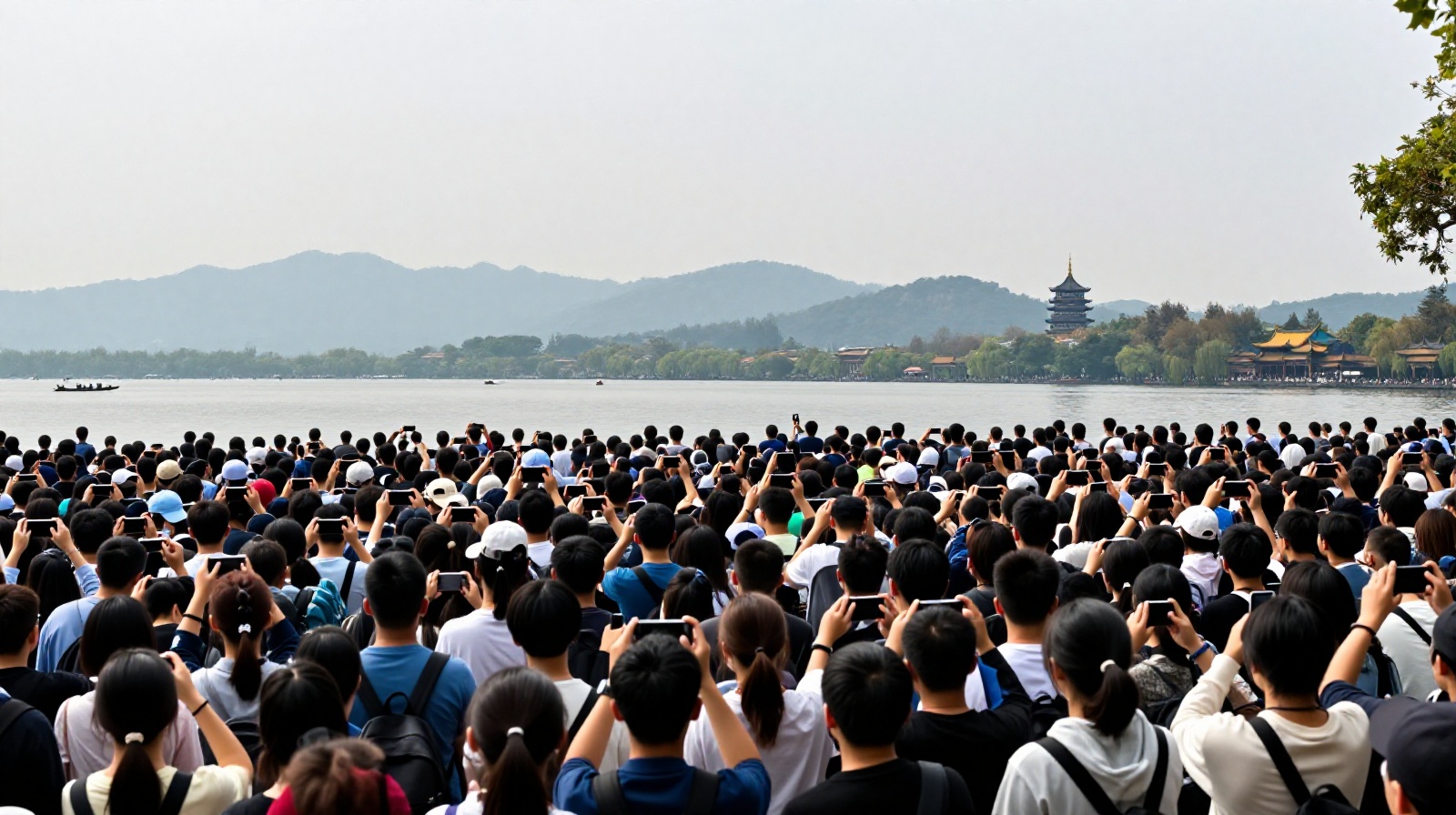
However, the intensity of these visits can strain resources. Crowded landmarks face overcrowding issues that traditional tourists might avoid during peak hours. Some heritage sites worry about the wear and tear caused by thousands of young people rushing through without stopping to appreciate the history deeply.
There are also concerns about sustainability. Is this a healthy way to travel? Medical professionals warn against the risks of sleep deprivation and physical exhaustion. The “Special Forces” model prioritizes quantity over quality, raising questions about whether it fosters genuine cultural understanding or simply creates a blur of images.
A New Rhythm for Young Travelers
Despite the criticisms, the trend shows no signs of slowing down. It reflects a generation that is resourceful, connected, and eager to experience as much as possible within their constraints.
For Li Wei and his peers, this isn’t about burning out; it’s about making every moment count. Whether they are standing in line at the Forbidden City or watching the sunrise over a river, they are carving out their own narratives of independence.
As China’s travel landscape continues to evolve, this high-speed, low-cost approach offers a unique window into how young people navigate their world today. It is fast, exhausting, and incredibly energetic—a true reflection of the current generation’s pulse.