
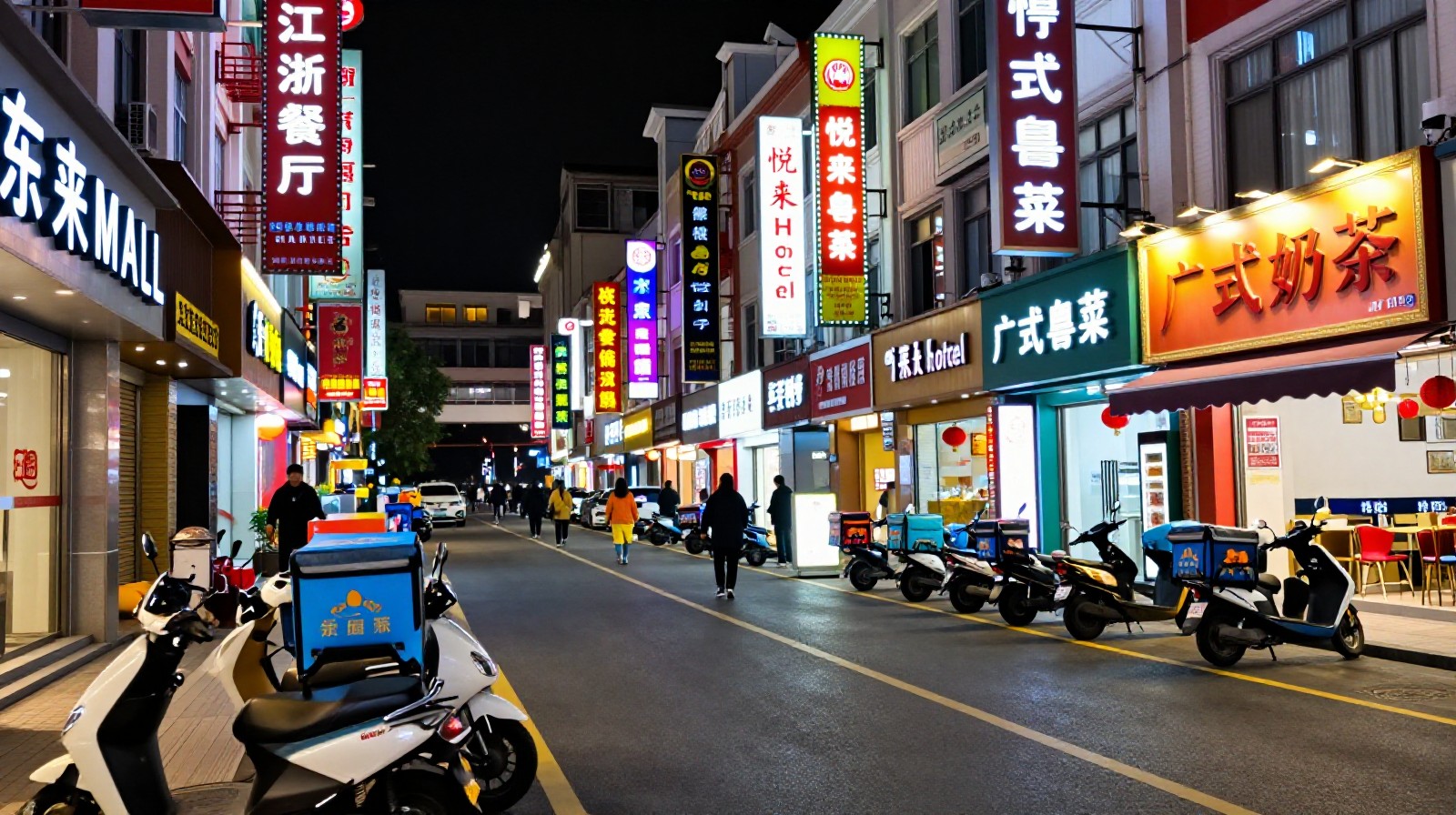

3:00 AM: The Digital Rush Begins
The silence of a Beijing apartment is broken not by an alarm, but by the glow of a smartphone screen. At 3:00 AM on November 11th, Li Wei, a 28-year-old graphic designer, isn’t sleeping. She is refreshing a shopping app with her thumbs moving at blurring speed. On her screen, a countdown ticks down to zero: 50 seconds… 49…. This is the moment she has been waiting for all month—the start of the “Double 11” sales.

A dimly lit bedroom at night, a young woman’s face illuminated by her phone screen as she taps rapidly on a shopping app interface, capturing the pre-dawn rush of online shopping.
For decades, November 11th was known simply as “Singles’ Day” (Guanggun Jie), a humorous holiday for unmarried people to celebrate their freedom. But in 2009, an e-commerce giant decided to turn this date into a sale event to boost winter inventory. The strategy worked too well. What began as a discount day has grown into a global phenomenon where billions of dollars change hands in minutes.
The Psychology of the Pre-Sale
Today’s shoppers don’t just buy; they strategize. Li Wei isn’t waiting for midnight to make her first purchase. She spent two weeks calculating complex discounts, stacking coupons, and joining group-buying chats on social media apps like WeChat. The goal? To save 40% or more.
“It feels like a game,” Li explains while scrolling through lists of necessities she doesn’t strictly need. “I bought three air fryers because the price was lower if I bought them together, even though I only have one kitchen.” This phenomenon highlights a unique shift in consumer behavior: the thrill isn’t just about acquiring goods, but outsmarting the algorithm to get the best deal.
Live-streaming shopping has become the engine of this economy. In another part of the city, a 24-year-old streamer named Chen sits in a neon-lit studio, surrounded by shelves of cosmetics and electronics. He speaks at a rapid fire pace, demonstrating products while flashing discount codes on his screen. “This is for my fans! Only five hundred left at this price!” he shouts. In one hour, thousands of viewers click ‘buy’ without ever seeing the product in person.
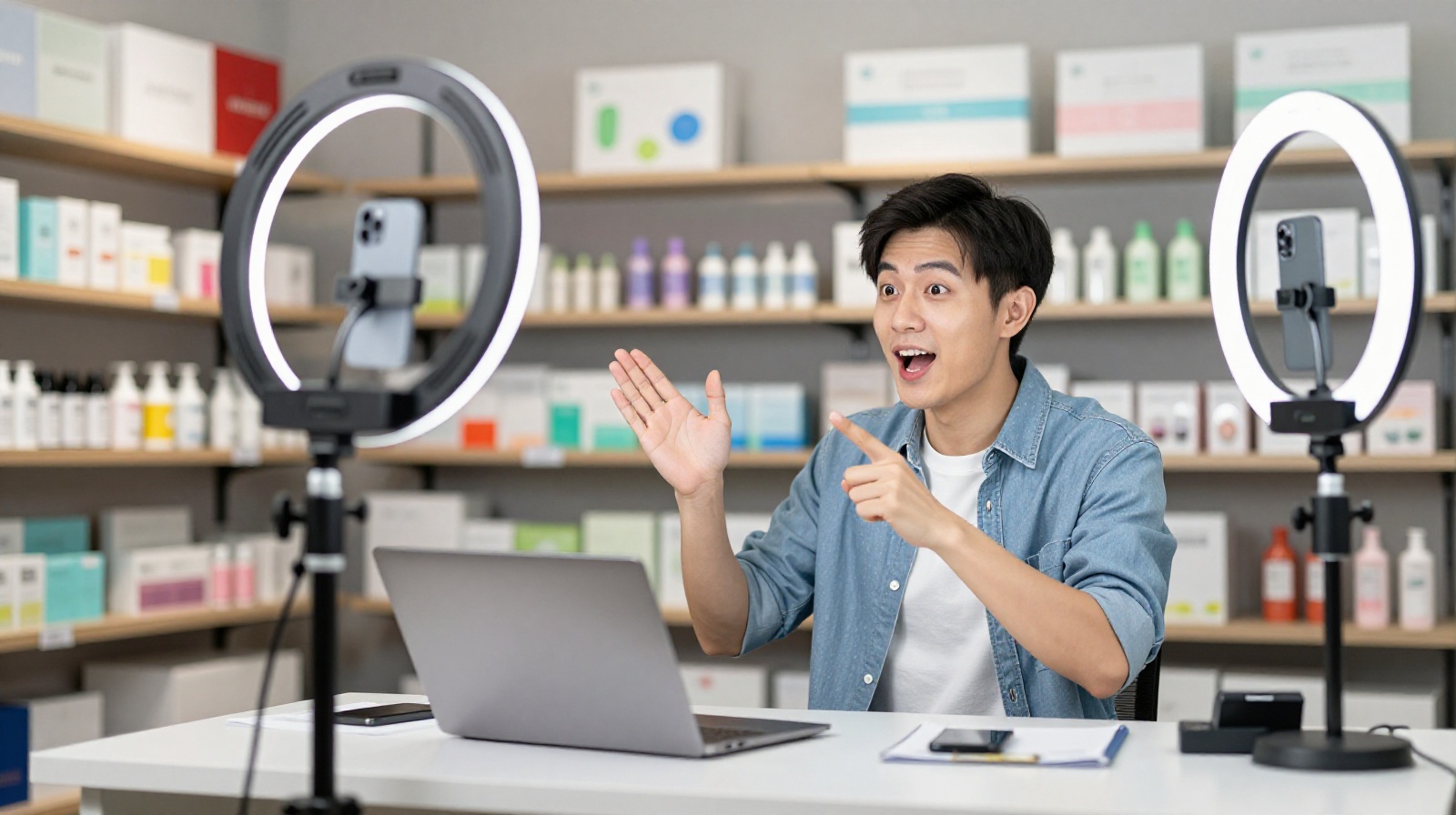
A busy live-streaming studio with bright ring lights and a young male host gesturing enthusiastically towards products on shelves while typing discount codes on a tablet.
From Click to Delivery: A Logistics Miracle
The true scale of Double 11 is not just in the spending, but in the movement. While Li Wei finishes her checkout at 3:15 AM, thousands of kilometers away in Shanghai, warehouses are waking up. Automated robots zip across floors, picking and packing items with robotic precision.
China’s logistics network is built to handle this shockwave. In a typical year during Double 11, the country processes over 600 million parcels. Delivery drivers, wearing branded jackets, navigate through traffic as their scooters are loaded with cardboard boxes that will soon reach homes across the continent.
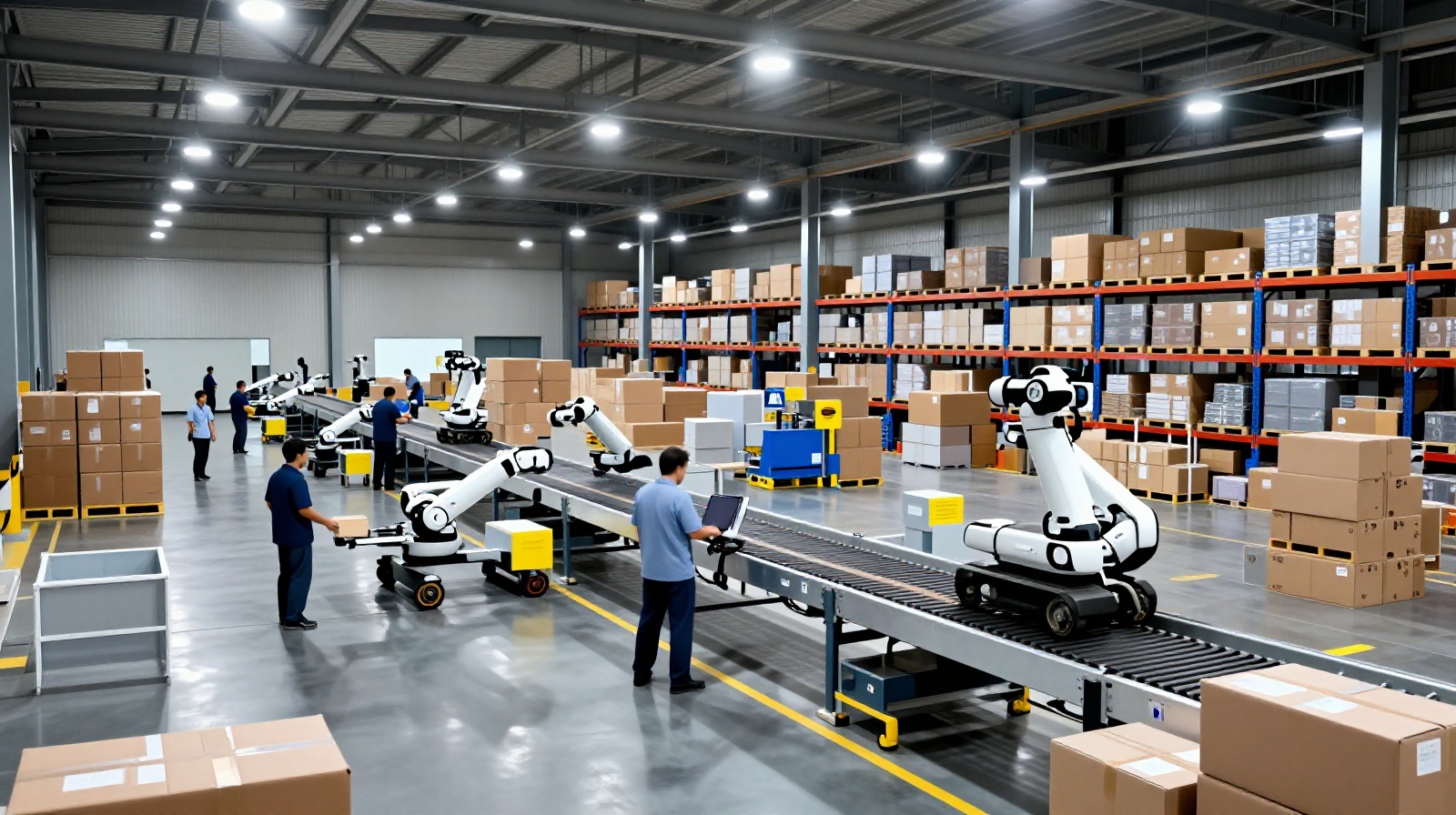
A wide shot of a modern automated logistics warehouse at night, illuminated by bright overhead lights, showing robots moving along conveyor belts and workers sorting packages efficiently.
This efficiency is often invisible to global observers who only see news headlines about “overconsumption.” But for the average resident in cities like Chengdu or Hangzhou, it means a package ordered yesterday can arrive before dinner tonight. This speed has reshaped urban life, allowing people to rely on online delivery even for fresh vegetables and medicine.
The Evolution of a Festival
Is Double 11 still about being single? For most young Chinese, the answer is no. It’s a cultural touchstone that blends commerce with social ritual. Friends share shopping lists in group chats, parents buy gifts for their children, and couples celebrate together by splitting orders to maximize discounts.
Unlike Black Friday or Cyber Monday in the West, which are often fragmented across days, China’s Double 11 is a unified national event. The data reflects this intensity: in recent years, transaction volumes have surpassed hundreds of billions of yuan. It is not just a sale; it is a test of the country’s digital infrastructure and supply chain resilience.
As Li Wei finally closes her app at 4:00 AM, exhausted but satisfied, she checks her tracking number. Her order for winter coats and skincare products is already “shipped.” The frenzy has passed, leaving behind a trail of packages that will define the next two weeks of her life.