

A Cold in Beijing: Why You Don’t Need a Top Hospital
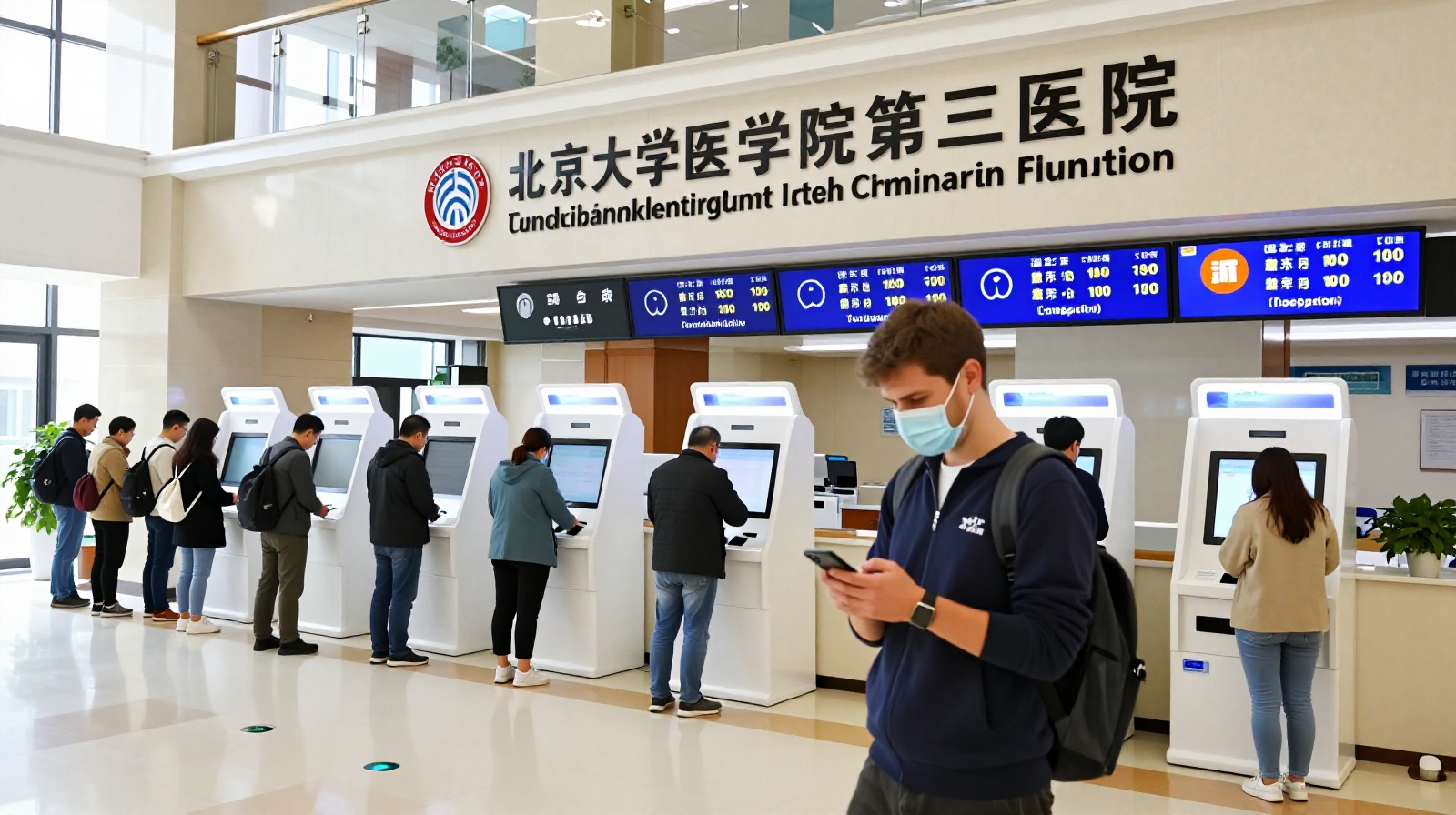
When Li Wei woke up with a sore throat and a slight fever last winter, his instinct was to rush to the nearest Grade A Class Three (San Jia) hospital. These are China’s largest medical centers, famous for their advanced equipment and renowned specialists. For two hours, he sat in a crowded waiting hall filled with people coughing and shivering, only to be told by the triage nurse that his symptoms didn’t warrant a specialist visit.
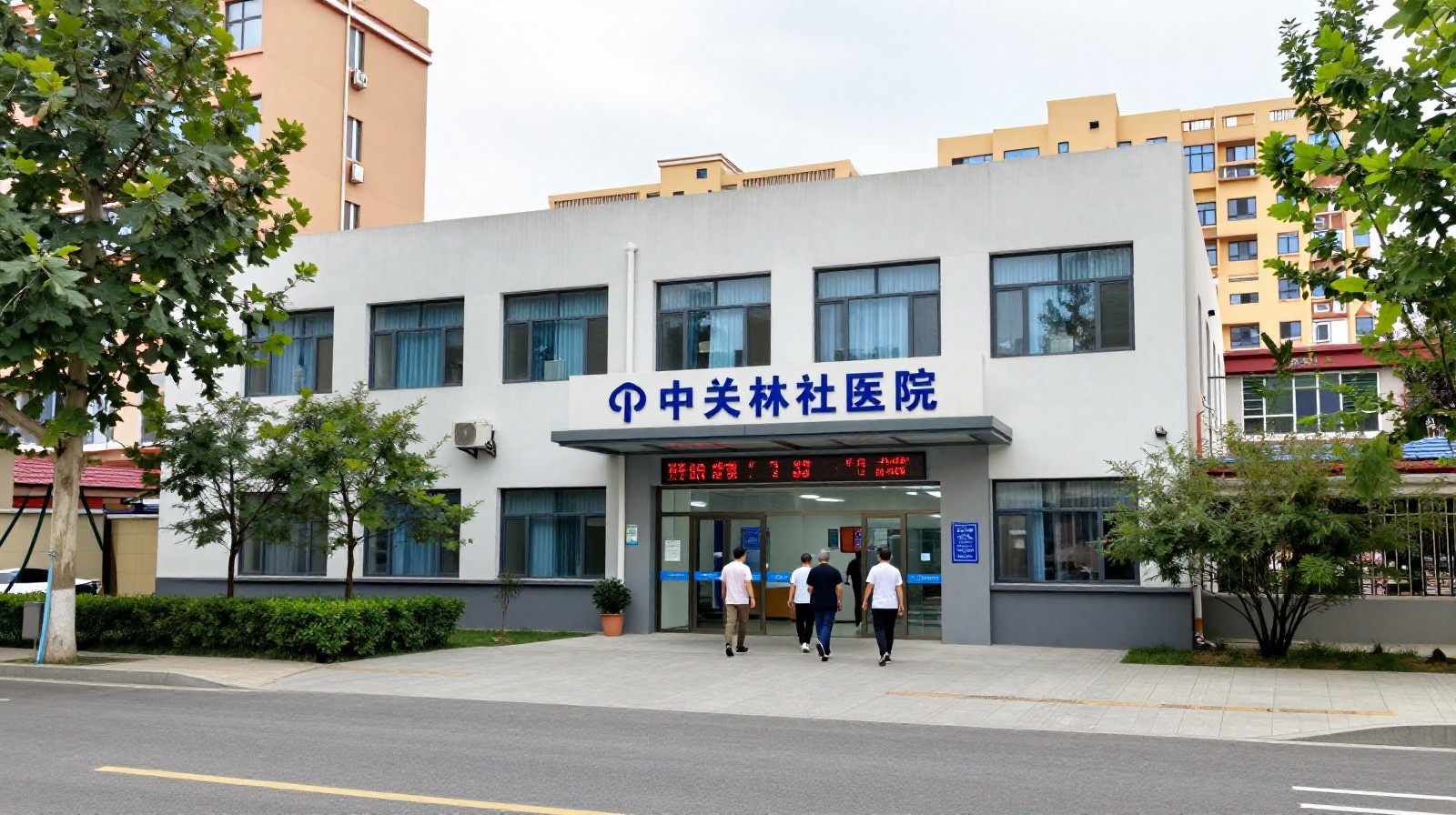
Instead of wasting time, Li Wei switched plans. He walked three blocks to a local community health center. There, a doctor saw him within ten minutes, prescribed some basic medicine, and sent him home with a total bill of about 40 RMB ($5.50). This is the reality for millions of Chinese: when it comes to minor ailments like colds, flu, or simple injuries, the most efficient path isn’t always the biggest hospital.
Choosing the Right Facility: Triage by Symptom
China’s healthcare system operates on a clear hierarchy designed to prevent overcrowding at top facilities. Understanding this structure is the first step to navigating it smoothly.
The Grade A Class Three Hospital (San Jia): These are the giants, often affiliated with universities. They handle complex surgeries, rare diseases, and emergencies. The wait times can be four hours or more for non-emergency issues. If you have a high fever that won’t break, chest pain, or a serious injury, this is where you go.
The Community Health Center: These are neighborhood clinics found in almost every residential district. They handle routine check-ups, vaccinations, and minor illnesses like colds or stomach bugs. Doctors here are often general practitioners who can prescribe standard medications. The queue is short, the atmosphere is calm, and they accept most insurance plans.
The rule of thumb: If it’s a “small thing,” skip the big hospital. It saves you hours and supports a system that works for everyone.
Booking Your Appointment: The Digital Ecosystem
In China, walking into a hospital without an appointment is rarely an option anymore, even for urgent minor issues. Almost all booking happens digitally through smartphones. While you might not have a Chinese bank account or phone number yet, the process is surprisingly accessible.
The most common tools are WeChat and Alipay. These apps function as super-apps containing everything from messaging to healthcare.
Step 1: The WeChat Mini Program
Open WeChat, go to the “Discover” tab, and tap “Mini Programs.” Search for the name of the hospital you need (e.g., “Beijing Chaoyang Hospital”) or a regional health platform like “Jiankang Baokan.” Many major hospitals have their own official mini-programs.
Step 2: Registration
You will be asked to register as a new patient. You can usually enter your foreign passport details directly into the system. If you are in a city with English interfaces, select “English” in the settings. If not, use a translation app or ask for assistance at the hospital’s information desk.
Step 3: Payment
You can link an international credit card (Visa/Mastercard) to Alipay or WeChat Pay. Most hospitals now accept these direct payments, so you don’t need to carry cash for registration fees.
The On-Site Experience: Flow and Etiquette
Once you have booked a time slot, the actual visit is highly structured. Unlike the chaotic waiting rooms of the past, modern Chinese hospitals are like well-oiled machines.
Triage and QR Codes:
Upon arrival, do not go straight to the doctor’s office. First, find the triage station or the self-service kiosk near the entrance. Scan your registration QR code from your phone. This will tell you which floor and room number to go to.
The Waiting Room:
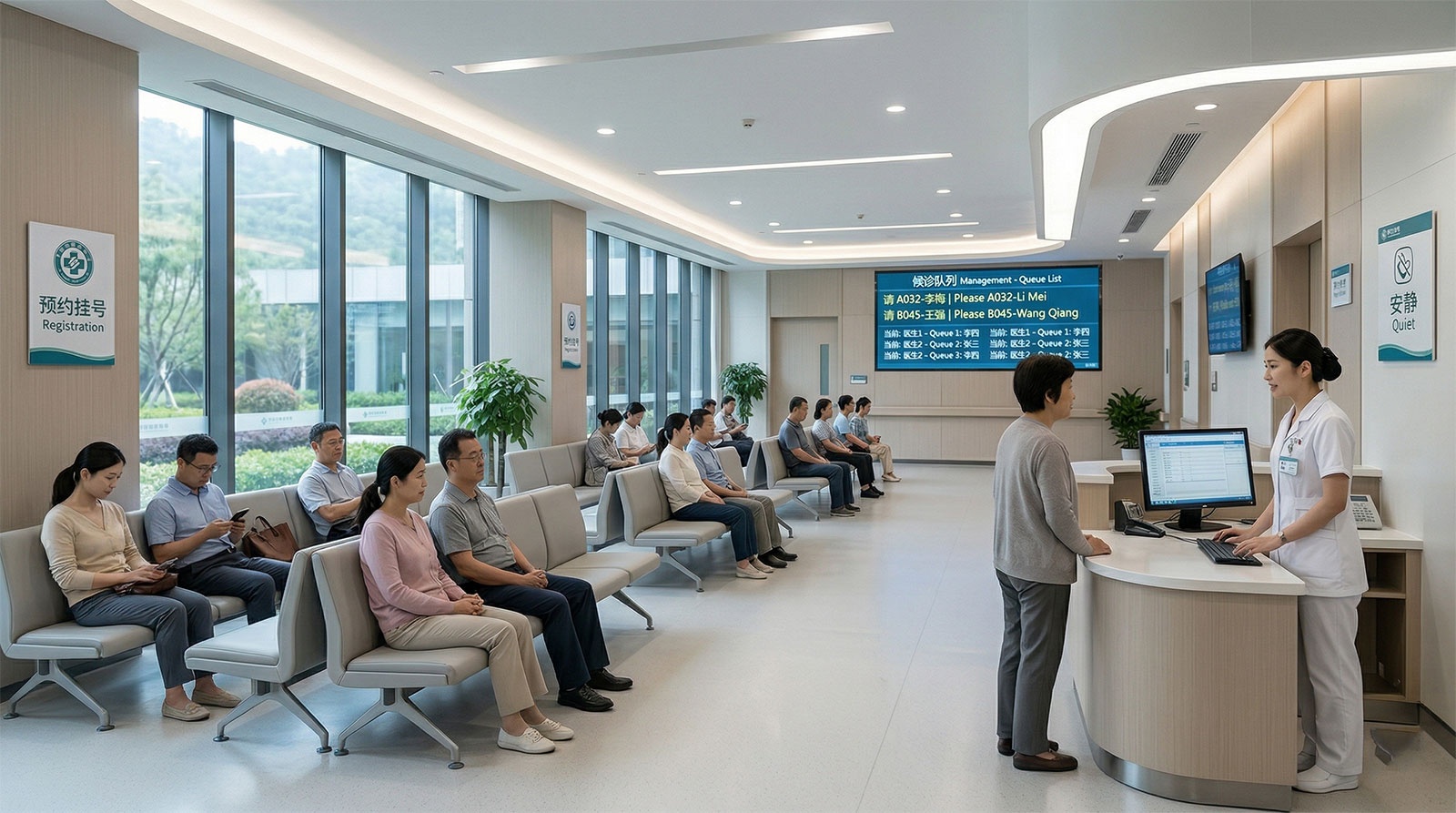
Wait in the designated area for that specific doctor. You don’t need to be there exactly at your booked time; arrive 15-20 minutes before. The system uses a queue management screen. When your turn comes, an audio announcement and a screen update will guide you. This eliminates the anxiety of wondering if you are next.
The Consultation:
Doctor visits in China are efficient but brief. For minor issues, a consultation might last only 5 to 10 minutes. The doctor will ask about your symptoms, look at your tongue (a traditional diagnostic method), and may order basic blood tests or X-rays if needed. Be prepared to describe exactly what hurts and when it started.
Prescriptions and Pharmacy: One Stop Shop
The modern process is seamless. Once the doctor finishes, they will send your prescription directly to the hospital’s pharmacy system electronically. You do not need to take a paper slip to the counter.
Simply go to the pharmacy window or use the self-service pickup machine. Present your ID card (or passport) and scan the QR code for payment. If you paid online, you just pick up the medicine. If not, pay at the counter using your linked credit card or cash.
The entire process from registration to leaving with medication can take less than an hour if you choose a community center and avoid peak hours (usually early morning on weekdays).
Final Thoughts: A System Designed for Efficiency
Navigating Chinese healthcare for minor issues doesn’t have to be daunting. It requires understanding the division of labor between different facilities and leveraging the digital tools that locals use every day. By choosing the right clinic and following the digital steps, you can receive high-quality care quickly, avoiding the crowds that often discourage visitors from seeking help.
The goal isn’t just to survive a trip to the hospital; it’s to experience how China’s infrastructure works: fast, integrated, and surprisingly accessible for those who know where to look.