

The $1 Cup That Broke the Rules
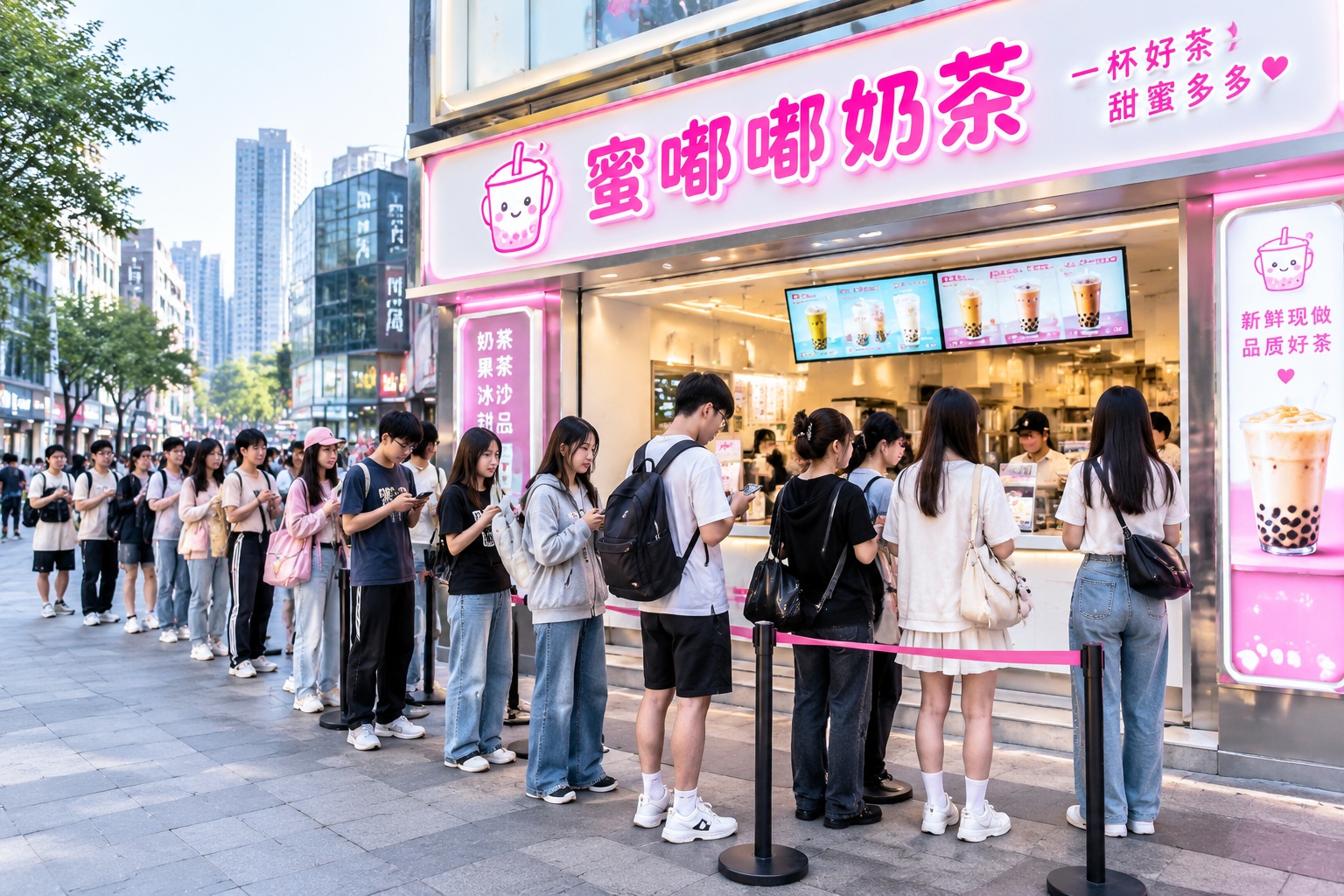
It is 7:00 PM on a Tuesday in Chengdu. The humidity hangs heavy, but the line outside Mixue Bingcheng stretches around the block. It isn’t for a luxury dessert. It’s for their signature lemon tea, priced at less than $1 USD. In New York or London, that price would cover just the cup and lid. Here, customers are queuing up to buy something sweet, cold, and incredibly cheap.

This isn’t a charity event. It is a calculated move in one of the world’s most ferocious business wars. China’s new-style tea market—where milk tea meets fruit, cheese foam, and boba—is not just growing; it is exploding with a pace that leaves even Hollywood scriptwriters breathless. There are over 500,000 tea shops across China, and every week, hundreds of new ones open while others shut their doors.
A Battle for Every Customer
Walk into any district in Beijing or Shanghai, and you will see the strategy in action. A few years ago, a cup of premium milk tea cost around $5 to $7. Today, that same category is fighting back with prices under $3.
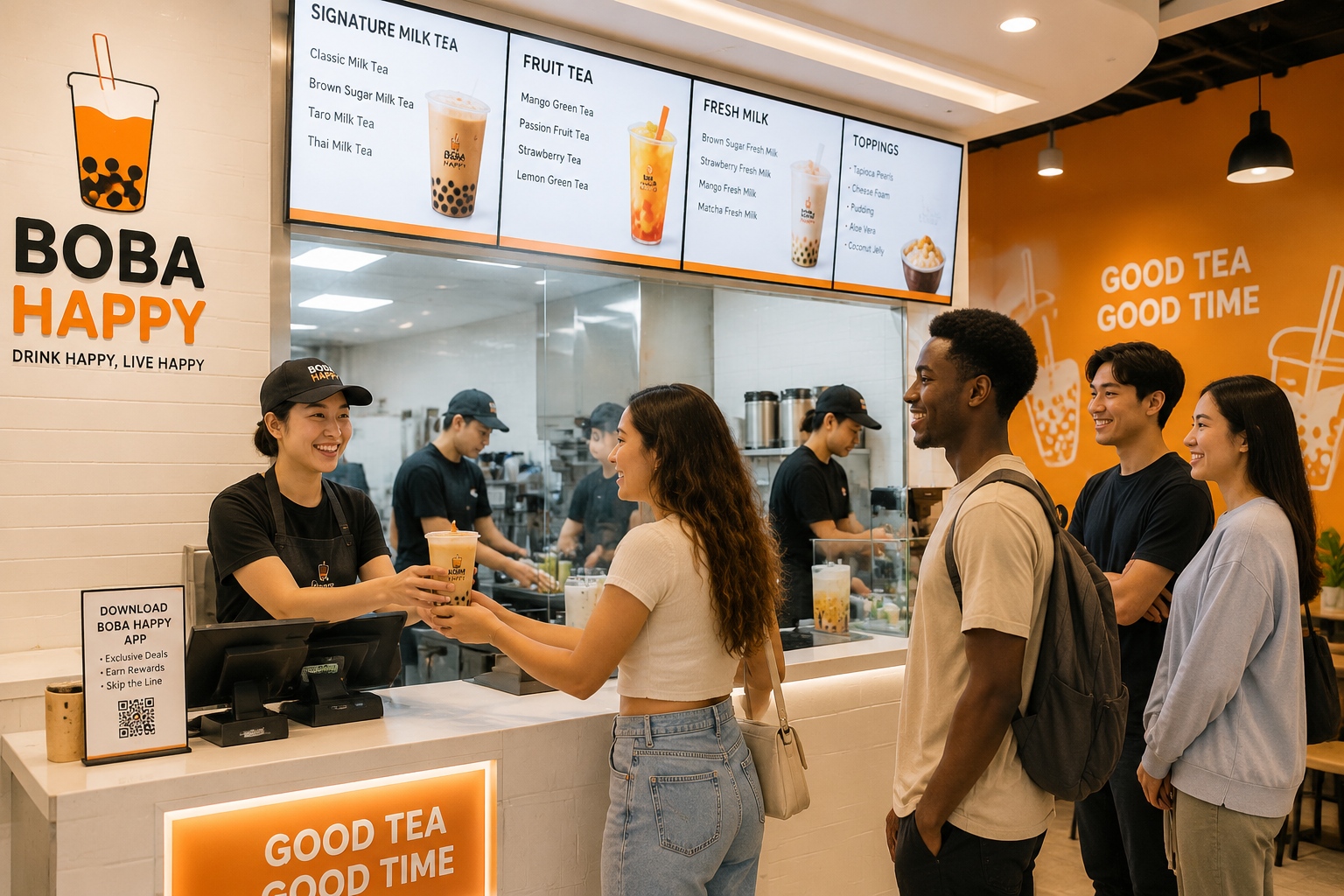
The rivalry is intense. When one brand launches a viral strawberry flavor, competitors release their own version within days. When Heytea, the high-end pioneer, drops its prices to compete, others follow suit. It is a game of musical chairs where the music never stops.
This isn’t just about sugar and tea leaves; it is about supply chains that move faster than any logistics network in the West. To keep costs low enough for a $1 drink, brands must control everything from the orchards to the cup factory. A single delay in transportation can wipe out months of profit.
More Than Just a Drink: The Digital Battlefield
What makes this war so unique is how it plays out on your smartphone. In China, ordering bubble tea rarely involves standing at a counter and waiting to pay with cash or card.
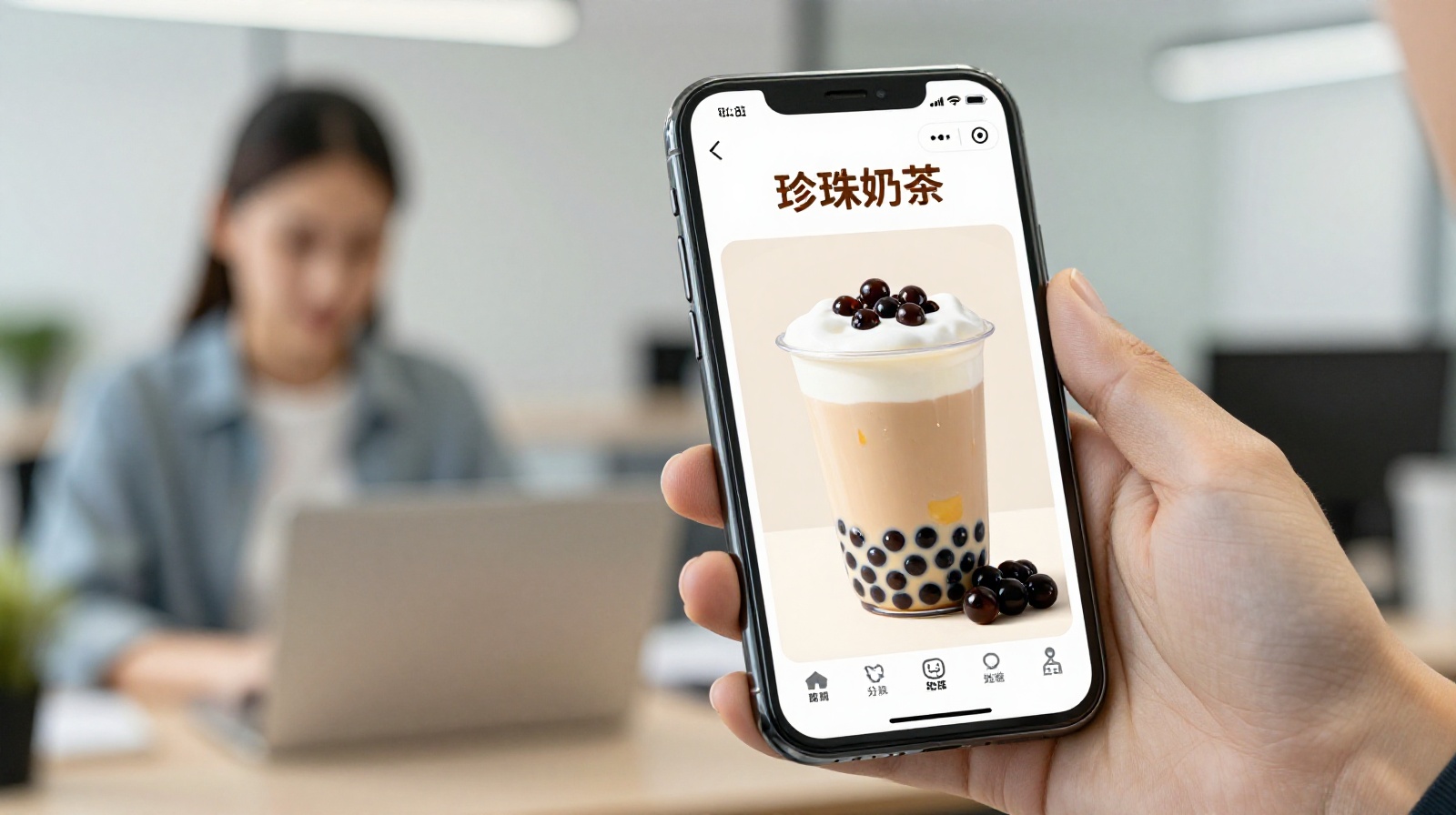
Almost every order starts with a QR code scan. You select your sugar level, ice amount, and toppings in an app, then pick up the drink from a locker when it’s ready. This digital efficiency allows shops to serve hundreds of customers per hour without needing a massive staff.
For the ordinary worker, this means a break can be faster than a cigarette break. For the entrepreneur, it means the margins are razor-thin. A single misstep in inventory management or a failed marketing campaign can mean closing down by next month.
The Human Cost and The Sweet Opportunity
Behind the data lies real human drama. I spoke with Li, a 24-year-old franchise owner in Wuhan who opened his shop last year. “The competition is terrifying,” he admitted. “We are competing not just with other tea shops, but with convenience stores and coffee chains.”

Li’s story is common. Many young people see the industry as a golden opportunity because the barrier to entry seems low. However, the reality is brutal. Only a fraction of new shops survive past their first year.
Yet, there is magic in this chaos. The innovation drives prices down for everyone, making sweet treats accessible to students and factory workers alike. It has created millions of jobs, from delivery drivers to tea pickers in remote provinces.
What This Means for the World
If you think your local coffee market is competitive, wait until you see China’s bubble tea scene. It is a microcosm of the country’s broader economy: fast-paced, highly digitized, and unforgiving to those who are slow.

But it also shows resilience. Despite the fierce battles, the sector continues to grow because people love the experience. The drink is no longer just a beverage; it is a social currency, a status symbol for students, and a daily comfort for office workers. In these cups, you don’t just see tea; you see the pulse of modern China.
Start the discussion at forum.chinacomes.com