


The Panic in Seat 9A
I didn’t realize I’d lost my wallet until the train slowed down at the next station. My hand patted the empty pocket where my ID, cash, and credit cards usually lived. The air in the carriage felt suddenly heavy. In my head, a rapid calculation ran: How long does it take to get from Shanghai to Beijing? How many people have sat here since I stood up?
Most travelers know the horror of losing something valuable on public transport. But what happens next is where the story changes. While I was frantically scanning my memory for the seat number, the train staff had already begun their work.

The 12306 System in Action
China’s railway system runs on a digital backbone known as 12306. It is not just an app for buying tickets; it is the central nervous system of the entire network. When I called the train conductor, he didn’t ask me to guess who might have found my bag. He simply entered my seat number and time into his tablet.
Within minutes, the screen lit up with data from a sensor at the cleaning station. The item had been swept up by a crew member during the quick turnaround between stops. In many countries, you would wait days for a lost-and-found report to even be generated. Here, the system knew my wallet was gone before I even finished describing it.
Who is Actually Helping You?
Imagine a chain of trust that moves faster than your phone rings. The conductor handed my wallet to the station manager at the next stop. Within an hour, a dedicated “lost property” team in Shanghai had scanned the contents and verified the owner’s identity through the ticketing database.

They didn’t just lock it away; they called me back on my phone number registered to the ticket. The voice on the other end was calm, professional, and spoke English with a reassuring accent. “Your wallet is safe,” she said. “We can mail it to your hotel in Beijing via express courier tomorrow morning.”
From Anxiety to Relief
The next morning, I received a text message: the package was out for delivery. It wasn’t just a piece of plastic; it was my identity and my financial security. The entire process took less than 18 hours from loss to handover.
This isn’t magic. It is the result of years of investment in digital infrastructure, standardized training for staff, and a culture that values trust. When you travel on China’s high-speed rail, you aren’t just moving fast; you are moving through a system designed to catch your mistakes before they become disasters.
Why This Matters
For international visitors, the question is rarely “Is the train fast?” It is more often, “Will I be safe if I lose something?” The answer in China has shifted. The integration of technology and human service creates a safety net that feels almost invisible until you need it.
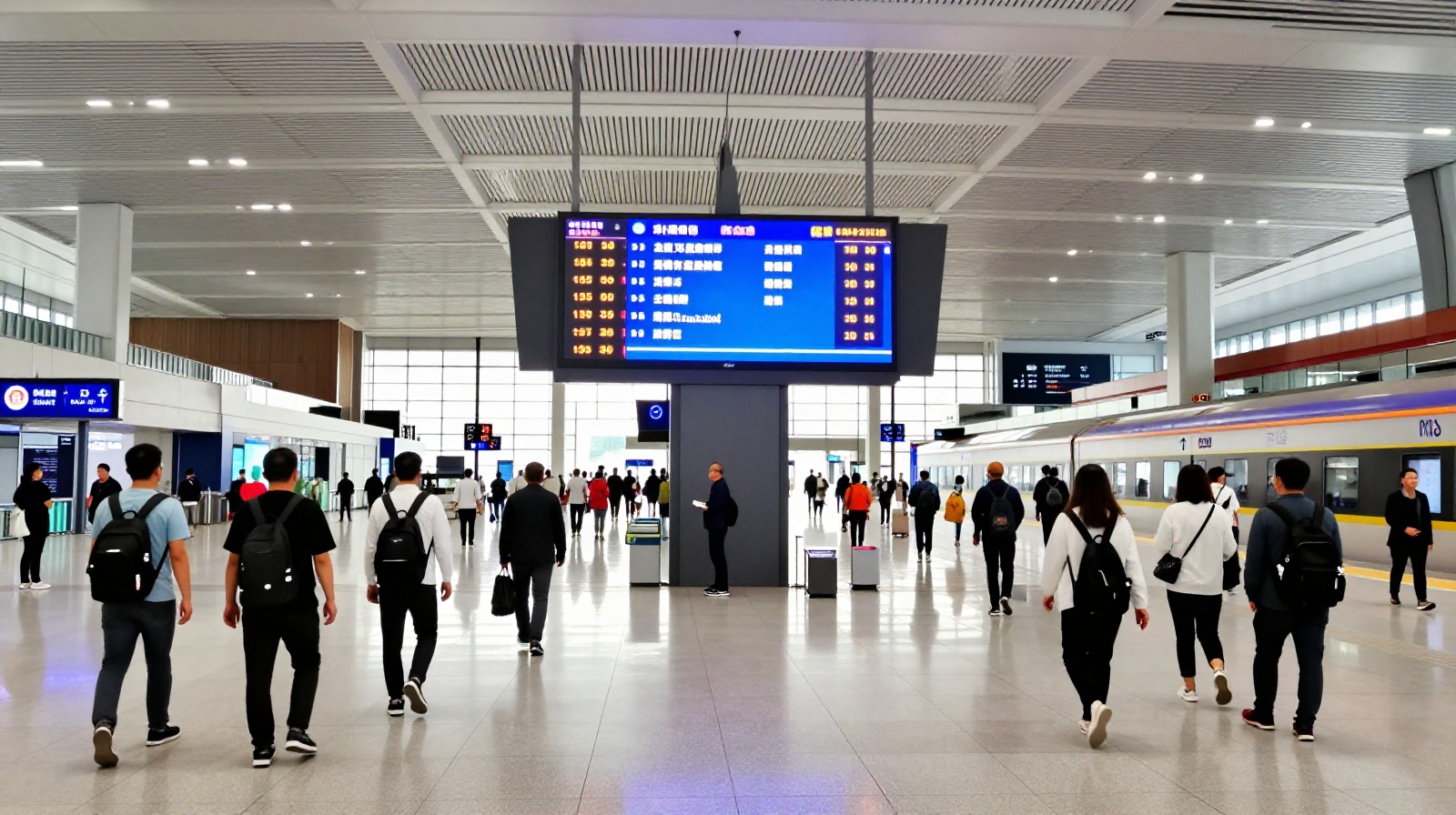
Today, thousands of wallets, phones, and passports are returned to their owners every day across the network. It is not about grand promises; it is about the quiet reliability of a system working exactly as it should.