

The Myth of ‘Spicy’
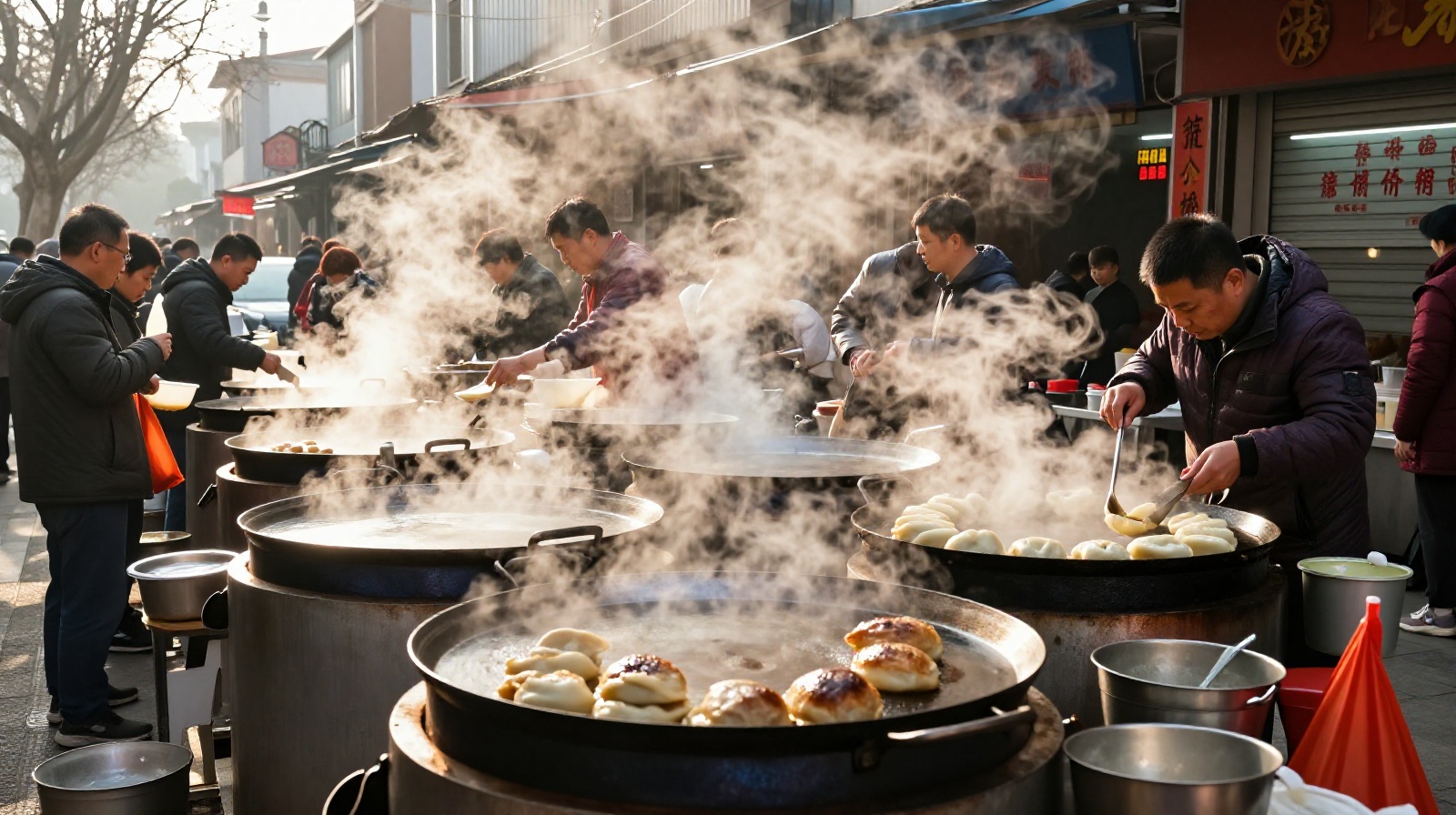
At 6:30 AM, the air in Hankou’s old streets is thick with steam and the sharp scent of burning charcoal. It isn’t just heat; it smells like fermentation and fresh rice. A woman in a faded yellow raincoat stands over a massive, round iron pan. She flips a square tofu cake, golden-brown on one side, sizzling in peanut oil. Next to her, a young man in his twenties wipes sweat from his forehead with a rag, shouting orders that sound like rapid-fire percussion.
This is Wuhan. Often labeled by outsiders simply as the “city of spicy food,” locals would roll their eyes at such a reduction. Yes, chili peppers are everywhere here, but to say Wuhan cuisine is just about heat is like saying New York is just about pizza. The truth is far more nuanced.
Wuhan sits where three major rivers meet—the Yangtze and its two biggest tributaries. For centuries, this confluence has created a culture of preservation and bold flavor. Spiciness here isn’t a punishment; it’s a tool to cut through humidity, preserve ingredients before refrigeration was common, and wake up the palate after long nights in humid summers.
The Morning Ritual: Doupi and Rice Noodles
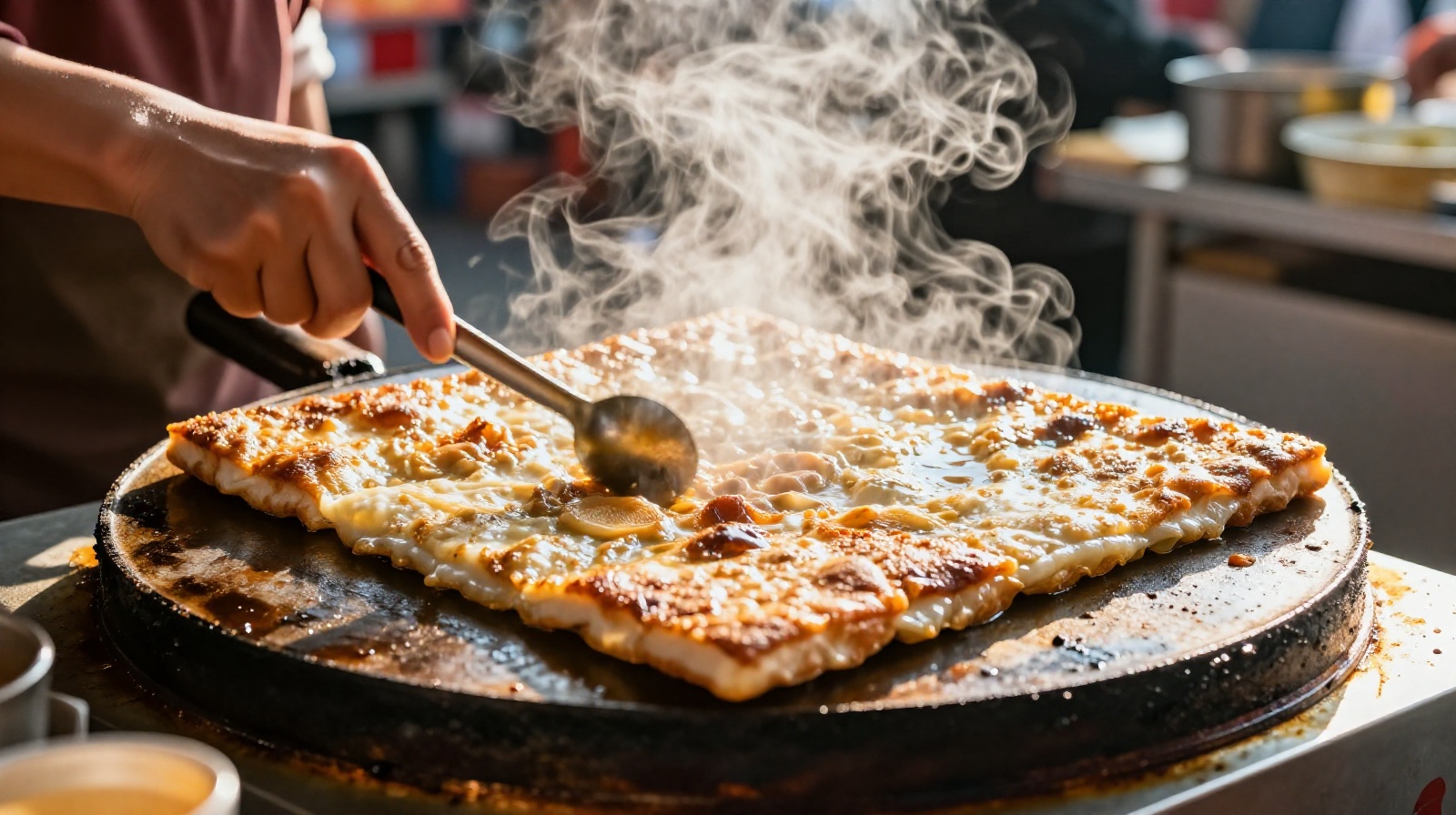
Most visitors expect spicy noodles. They get them. But the true soul of Wuhan breakfast is doupi. It looks like a giant, thick omelet but is actually a fusion of rice flour skin, sticky rice, and diced pork with wood ear mushrooms.
I watched a local man named Li eat his first bowl at 7:00 AM. He didn’t just pour chili oil over it. First came the vinegar, sharp and bright to cut the grease. Then, a spoonful of spicy pickled beans for crunch. Finally, the chili oil, which was less about burning heat and more about adding a deep, roasted aroma.
“If you only eat the spicy stuff,” Li told me, chewing slowly while standing by a rusted metal cart, “you miss the texture. The skin is slippery, the rice is sticky, the meat is savory. The spice just ties it all together.”
This balance is key. In Wuhan’s summer, when temperatures routinely hit 40°C (104°F), heavy meals become unbearable without a kick of spice to stimulate appetite and sweating, which cools the body down.
The ‘Fresh’ Factor: Yangtze River Roots
While chili is the king of flavor, fresh water is the queen. Wuhan has always been known as the “City of Ten Thousand Lakes.” The food on your plate often reflects the river that runs right through the city.
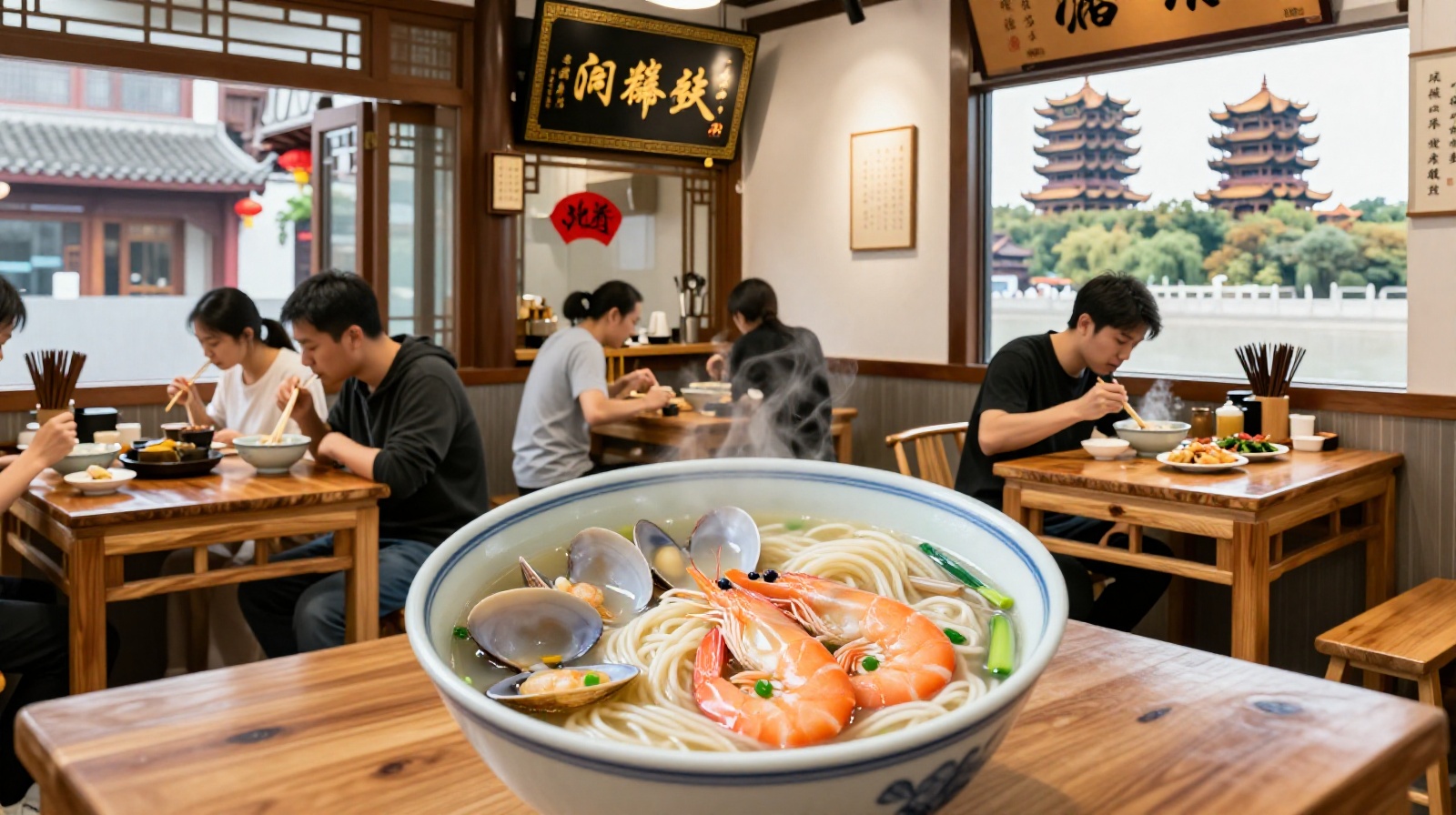
In a small noodle shop near the Yellow Crane Tower, I saw bowls of clear soup containing razor clams and freshwater shrimp. These aren’t canned imports; they were caught in the Yangtze tributaries just hours before. The broth is milky white, simmered with pork bones until it turns into a rich, comforting liquid that has nothing to do with the fiery red chili oil sitting on the side.
This duality—fiery and fresh—is what defines Wuhan’s culinary DNA. It’s not about choosing between spicy or mild; it’s about layering them. A bowl of hot noodles might start with a clear, savory broth that highlights the freshness of the rice cake, then finish with a generous drizzle of chili oil for warmth.
A Modern Twist: Young Chefs and Fusion Flavors
2. The old streets are changing. In recent years, young entrepreneurs have started reinterpreting these traditional flavors. They aren’t just selling to locals anymore; they are designing spaces that appeal to Gen Z and international tourists.
In a renovated warehouse in the Qiaokou district, I visited a “new wave” dumpling shop. The chef, a 28-year-old named Chen, was making dumplings filled with spicy crayfish meat—a classic Wuhan snack usually served as a main dish at dinner parties. He wrapped it in thin dough and fried it until crispy.
“Old flavors need new friends,” Chen said, flipping the golden bites on a griddle. “We keep the taste of home, but we make it look like something you’d see in Shanghai or Tokyo.”
This shift reflects a broader trend in China: local culture is being celebrated with pride rather than hidden away. Young people are not abandoning their traditions; they are packaging them for a modern world. You can find these fusion snacks in trendy coffee shops, food trucks, and even high-end restaurants that focus on regional Chinese cuisine.
Conclusion: Eating as Connection
Leaving the street market at noon, with my stomach full of savory rice cakes and a lingering heat in my throat, I realized something. The spice isn’t just about flavor; it’s about survival and community.
In Wuhan, food is how people talk to each other. It’s how they acknowledge the humidity, the history, and the resilience required to live by such a massive river. To eat here is to understand that Chinese cuisine for foreigners is not a monolith of “spicy” or “sweet.” It is a complex, living story written in steam, fire, and fresh river water.
So, next time you hear about Wuhan food, don’t just think of the heat. Think of the morning ritual, the river freshness, and the people who turn a simple meal into a daily celebration.