

Beyond the Aesthetics: Why a Simple Ritual Went Viral
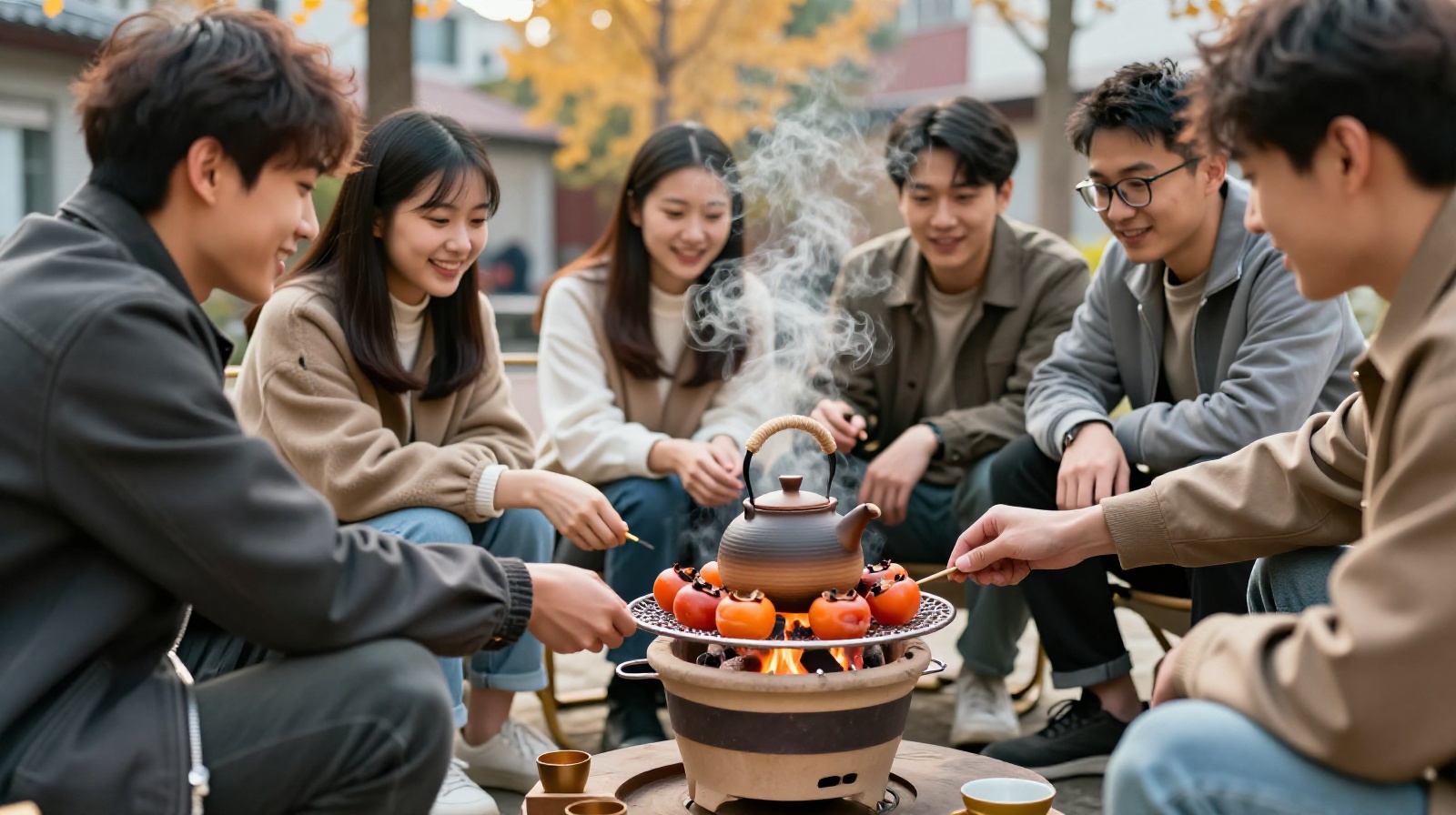
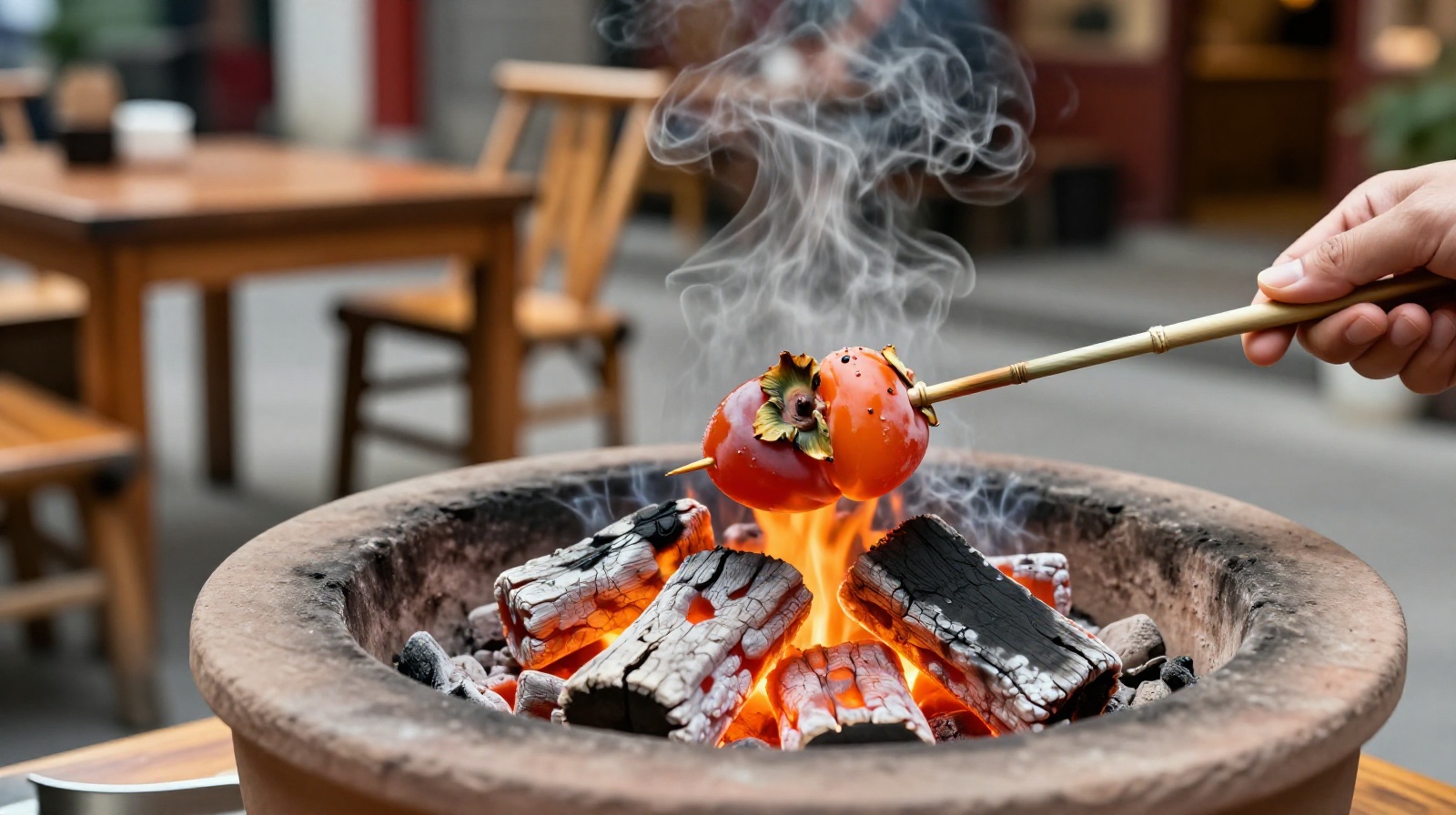
The air in the courtyard smells of roasted sweet potatoes and oolong tea. It is a crisp Saturday afternoon in late autumn, the kind that cuts through the lungs but feels invigorating. Around a small, charcoal-fired clay stove sits Lin, a 28-year-old graphic designer from Hangzhou. She isn’t just drinking tea; she is managing the heat. With long bamboo tongs, she turns a skewer of roasted persimmons over the glowing embers, watching the skin blister and soften. Beside her, two friends are arguing good-naturedly about which song to play on the portable Bluetooth speaker.
This scene, known as “stove-boiled tea” (Wei Lu Zhu Cha), has become one of the most visible social trends in China over the past two years. On the surface, it looks like a return to ancient literati culture—porcelain teapots, clay stoves, and slow sipping. But if you look closer, this isn’t just about nostalgia. It is a complex reaction to the speed of modern Chinese life.
For decades, China’s urban centers have been defined by pace. The “996” work culture (9 am to 9 pm, six days a week) and the relentless pressure of academic and professional competition created a society that moves fast. Stove-boiled tea forces a pause. You cannot rush charcoal; it demands attention, patience, and presence. In an era where everything from food delivery to job interviews happens on smartphones, this ritual is a deliberate act of slowing down.
The Social Catalyst: How Algorithms Created a Mass Phenomenon
It would be inaccurate to call this trend entirely organic. Its explosion was fueled by the algorithmic engines of Chinese social media platforms, primarily Douyin (TikTok) and Xiaohongshu (Little Red Book). The visual language of stove-boiled tea is perfectly engineered for these apps: the rising steam against a twilight sky, the golden hue of roasted fruits, and the warm glow of charcoal fire creating a natural filter effect.
When users post photos or videos of their “slow weekends,” they are participating in a digital performance. But unlike curated travel posts that showcase luxury, stove-boiled tea is often framed as affordable and accessible. It requires little more than a small stove, some tea leaves, and a few snacks—often items bought from local street vendors.
The phenomenon tapped into FOMO (Fear Of Missing Out). As influencers and everyday users flooded their feeds with images of intimate gatherings around fires, the trend shifted from a niche hobby to a social necessity. For young professionals feeling isolated in high-rise apartments, posting these photos became a way to signal: “I have time for myself. I value connection.” The algorithm rewarded this content with visibility, creating a feedback loop that turned a traditional practice into a nationwide lifestyle brand.
Urban Spaces Reimagined: Reclaiming the Slow in the Fast City
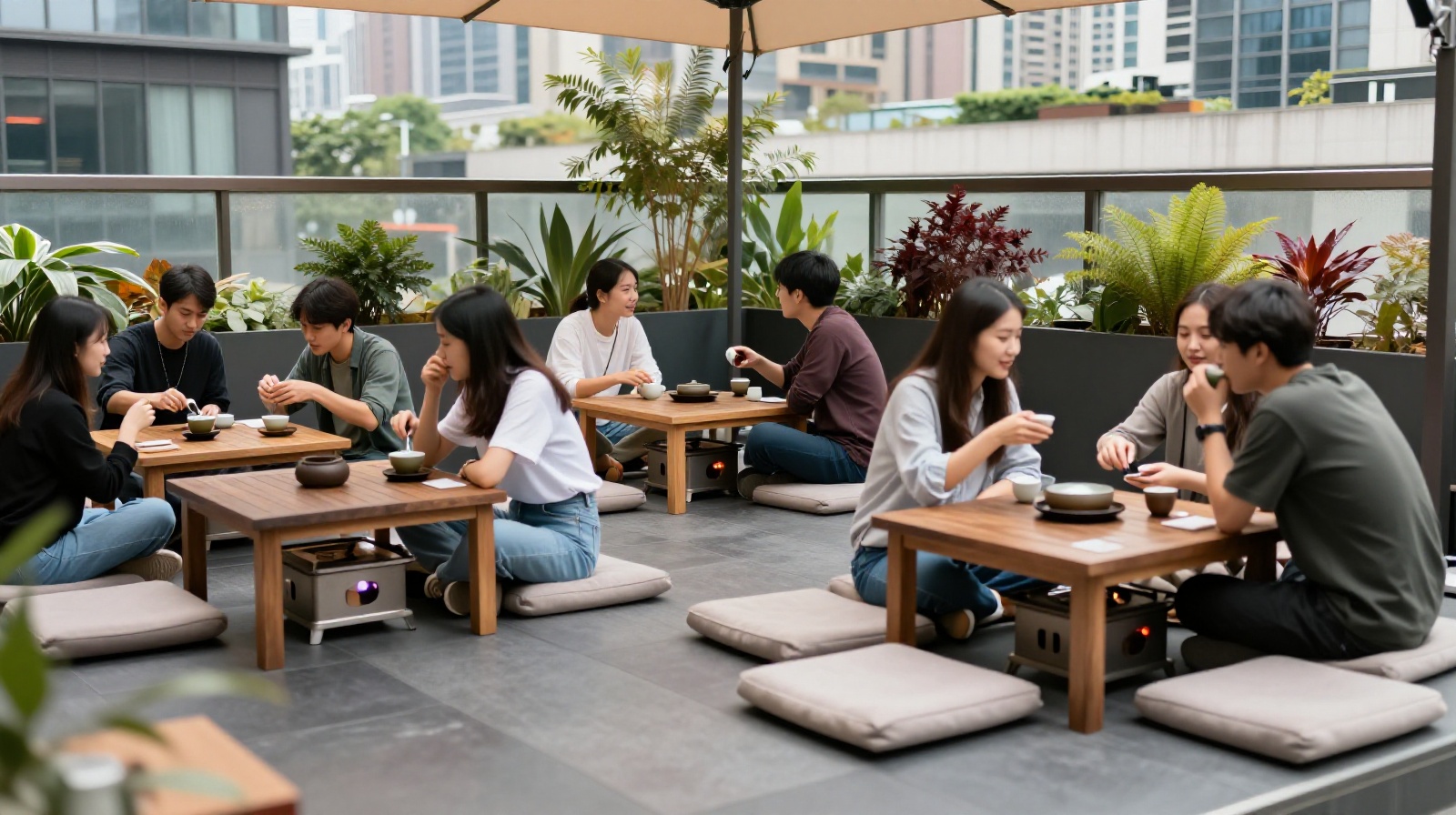
The rise of stove-boiled tea has also reshaped how Chinese cities are used. In Shanghai, Beijing, and Chengdu, cafes that once focused on quick takeaway coffee have started dedicating entire terraces or backyard corners to “tea zones.” These spaces often feature low wooden tables, floor cushions, and small iron stoves, requiring customers to sit for hours rather than minutes.
This shift reflects a broader desire among urbanites to reclaim public space for leisure. In densely populated Chinese cities, private space is expensive and limited. Public parks are crowded, and commercial cafes can be loud and transient. The “stove-boiled tea” setup creates a temporary, semi-private bubble in the middle of the city. It allows strangers or friends to sit close together, sharing warmth and conversation without the pressure of a formal dinner or business meeting.
For many, it is also a safe way to interact outdoors. Unlike night markets which can be chaotic and noisy, or bars which require alcohol, this activity offers a calm, sober social environment. It bridges the gap between the convenience of urban infrastructure and the human need for nature and quiet.
The Economic Reality: A Resilient Small Business Model
Behind the romantic imagery lies a pragmatic economic reality. The pandemic severely impacted China’s service sector, but niche leisure trends like stove-boiled tea showed surprising resilience. For small business owners, this trend offered a low-cost way to revitalize underused spaces.
I spoke with Zhang Wei, who runs a small cultural space in Nanjing. “Before the trend, my rooftop was empty half the year,” he told me. “By adding simple charcoal stoves and partnering with local tea suppliers, we turned dead space into a revenue stream.” He noted that while the initial hype has settled, the core customer base remains loyal. They aren’t just buying tea; they are paying for the atmosphere and the time.
This model highlights a shift in Chinese consumption habits. Post-pandemic consumers are more value-conscious but willing to spend on “emotional value.” They prefer experiences that offer mental relief over material goods. The low barrier to entry also allowed countless small vendors—from street food stalls to park kiosks—to participate, creating a grassroots economic layer that was largely invisible in official statistics.
Cultural Translation: ‘Renqing’ in the Digital Age
To understand why this trend stuck, one must look at the concept of “renqing” (人情), roughly translated as human feeling or social warmth. In traditional Chinese culture, sharing food and drink around a fire is a fundamental way to build trust and intimacy.
In modern China, where digital communication can often feel transactional or superficial, stove-boiled tea offers a return to tangible interaction. You have to physically tend the fire. You have to pass the teapot. You have to roast the marshmallows until they are just right for your friend. These small, shared actions create micro-moments of connection that text messages cannot replicate.
It is also a way for Gen Z to engage with their heritage without feeling burdened by it. They are not reenacting ancient ceremonies; they are remixing tradition. They pair oolong tea with modern snacks like marshmallows and popcorn, blending old and new in a way that feels authentic to their digital-native lives.
Conclusion: The Craving for Tangible Slowness
The “stove-boiled tea” trend may eventually fade from the viral charts, replaced by the next Instagrammable phenomenon. But its core message remains relevant. In a society that has sprinted through decades of economic growth in just a few generations, there is a deep, collective need to stop and breathe.
For the world, this trend offers a glimpse into the inner life of contemporary China. It shows that even as technology accelerates, people still crave warmth, slowness, and face-to-face connection. The fire may be small, but it burns bright against the backdrop of a fast-moving modernity.