

The “Optical City” Phenomenon
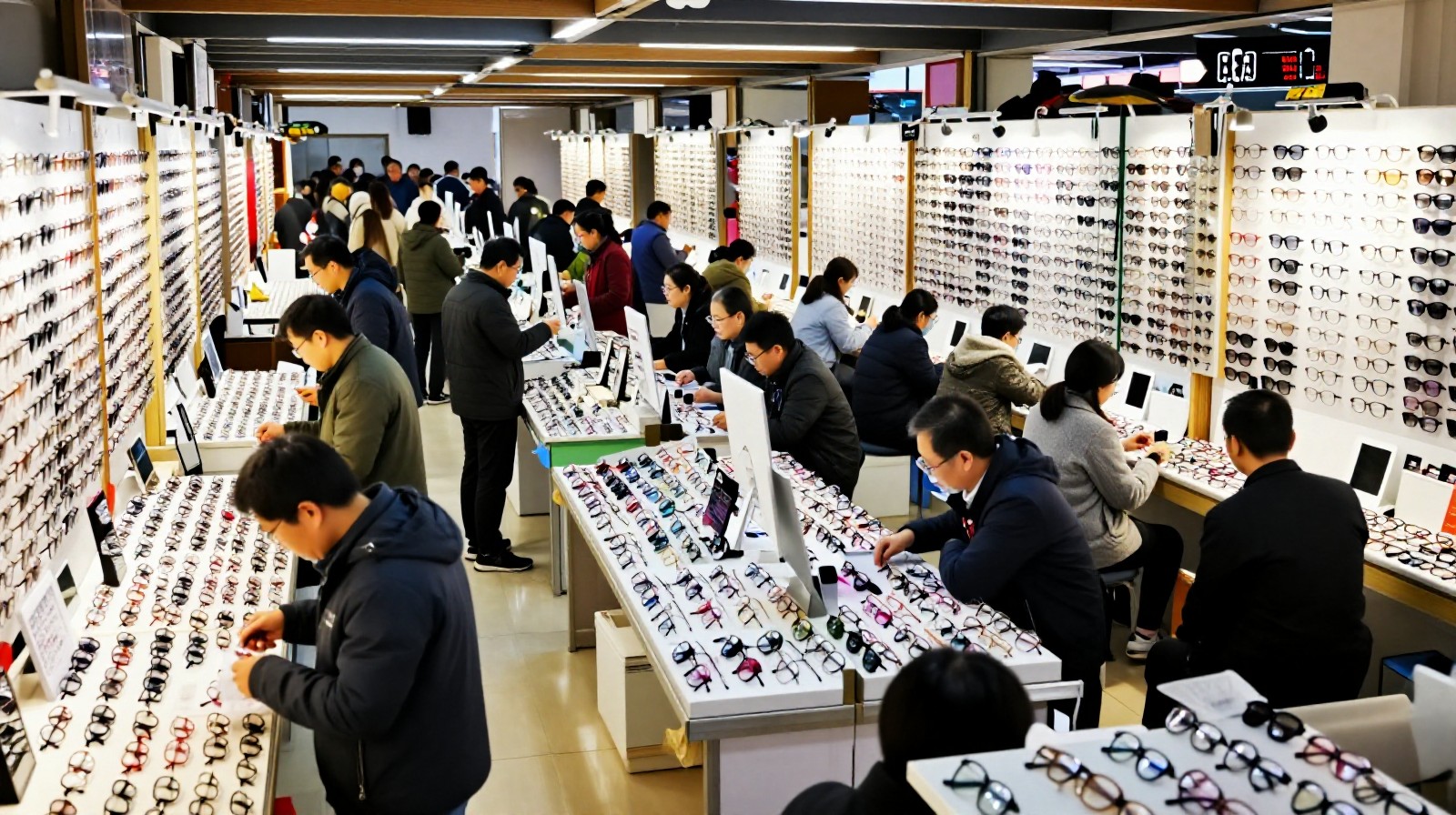
Walk into any major shopping mall in China, and you will likely see a cluster of optical shops huddled together like insects. This isn’t just aggressive branding; it is the result of intense competition that has driven prices down to astonishing levels for consumers.
In many Western countries, getting new glasses involves scheduling an appointment with an optometrist, waiting weeks for lenses to be ordered or shipped from abroad, and paying hundreds or even thousands of dollars. In China, the experience is radically different. It is faster, cheaper, and surprisingly transparent.
From “Optical Cities” to Mall Chains
To understand this market, you first need to know about the “Optical City.” These are not single stores but massive wholesale districts dedicated entirely to eyewear. Guangzhou’s Pan Yu Optical City is a famous example, housing thousands of vendors in one building.
For the average consumer, however, the experience usually starts in a shopping mall or a high street chain store like Baodao (Baodao Optometry) or Jins. These chains have professionalized the service. They offer clean environments, standardized testing protocols, and—most importantly—they don’t haggle.
The 45-Minute Process
Here is how a typical visit goes for a local in a tier-1 city like Shanghai or Beijing:
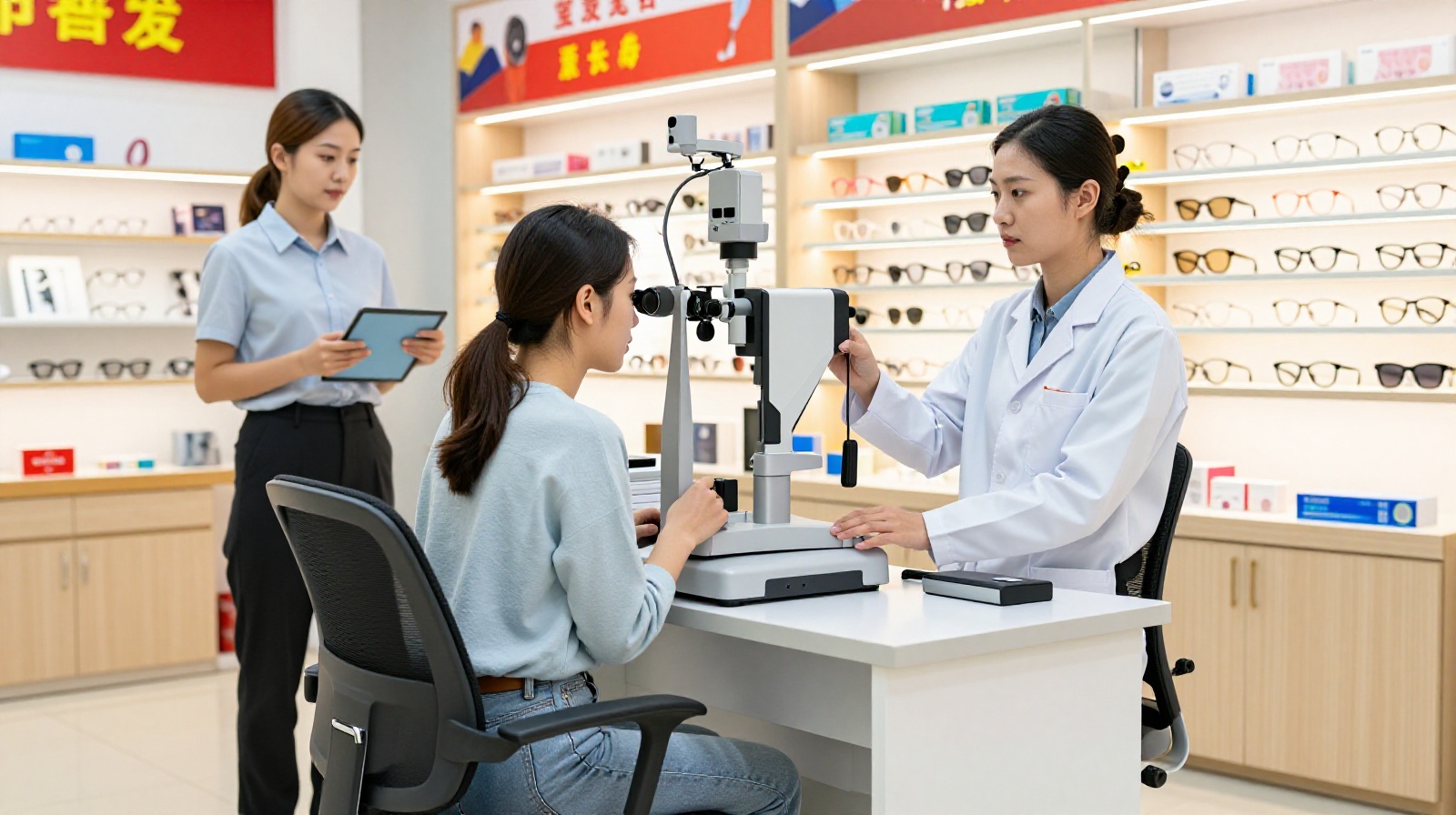
- The Eye Exam (10 mins): Unlike the US, where you often need a separate appointment with an eye doctor, most Chinese optical shops now have certified optometrists on staff. The test is thorough but efficient.
- Selecting Frames and Lenses (15 mins): You pick your frame from racks that look like Apple product displays. Then, you choose your lenses. This is where the magic happens. Because of local manufacturing efficiency, high-index plastic lenses—which are thin, light, and durable—are sold as standard items, not luxury add-ons.
- On-Site Lab (20 mins): You wait in a comfortable lounge while technicians cut your lenses to fit the frame right there in the shop. The entire process usually takes 30 to 45 minutes.
You walk out with new glasses on your face before you’ve even finished your coffee.
Affordability Without Sacrifice
The cost is what shocks most foreigners. In a mid-range chain store, you can buy a decent brand-name frame and high-quality anti-reflective lenses for 300 to 800 RMB (approx. $45–$110 USD). In the wholesale districts, prices can be even lower.
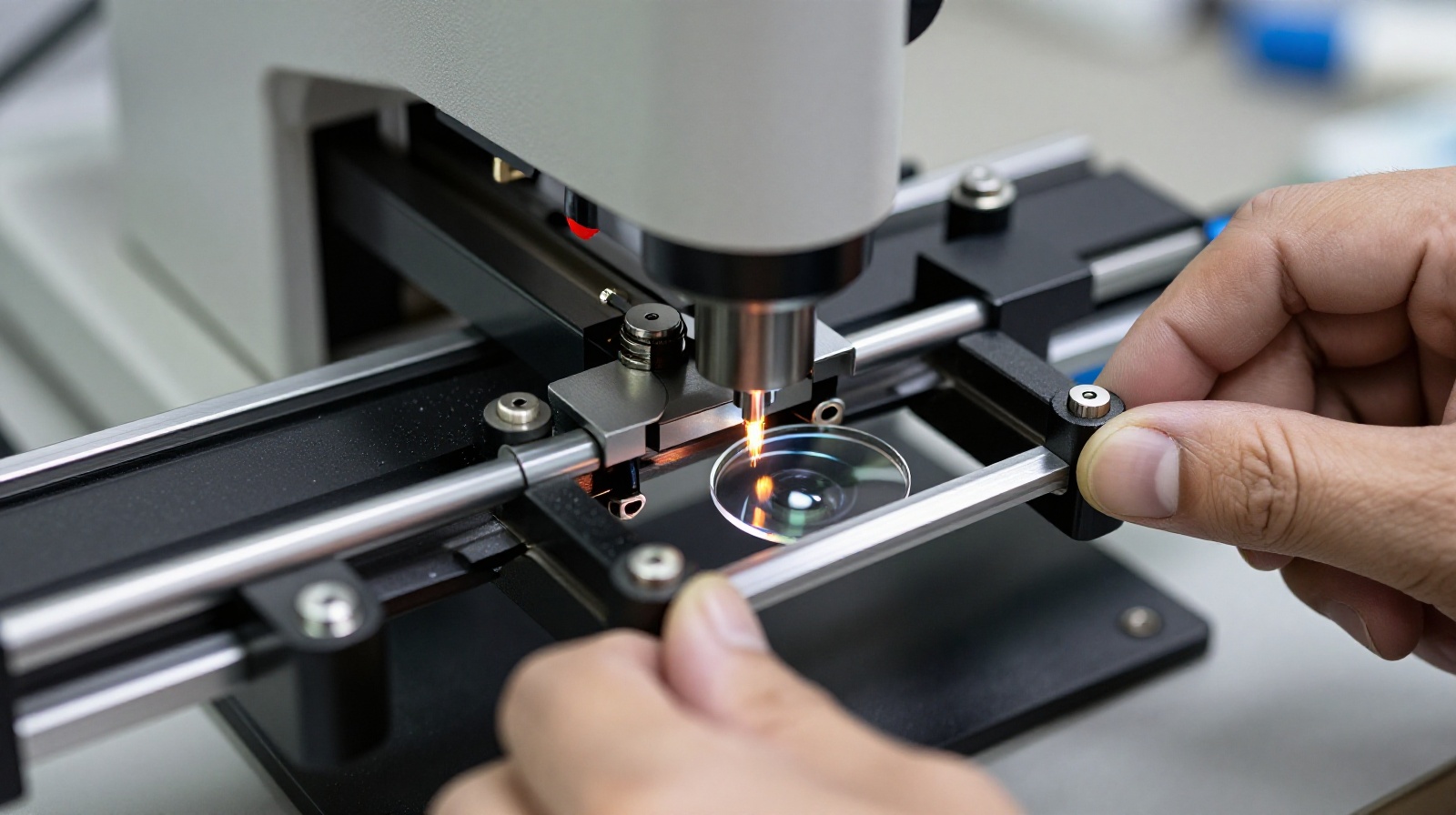
Why is it so cheap? Two reasons: scale and supply chain integration. China produces a huge percentage of the world’s eyewear components. The distance between the lens factory and the retail shop is often just a few kilometers. There are no expensive middlemen importing goods from overseas.
The Contact Lens Market
For those who prefer contacts, the market is equally convenient but requires more caution. Unlike glasses, contact lenses are classified as medical devices in China.
You can buy them online via Taobao or JD.com with ease, often at discounted prices for multi-packs. In physical stores, pharmacies and optical shops sell them, but you will be asked about your prescription and eye health history. It is crucial to follow professional advice here, as improper use can lead to serious infections.
Why This Matters
This efficiency isn’t just about saving money; it reflects a broader shift in China’s service industry. The integration of manufacturing power with retail speed has created a consumer environment where basic necessities are accessible without financial stress. For visitors or expats, understanding this system means you don’t need to dread your next eye check-up—you might actually look forward to the quick trip.