

Step Inside: The Slipper Ritual
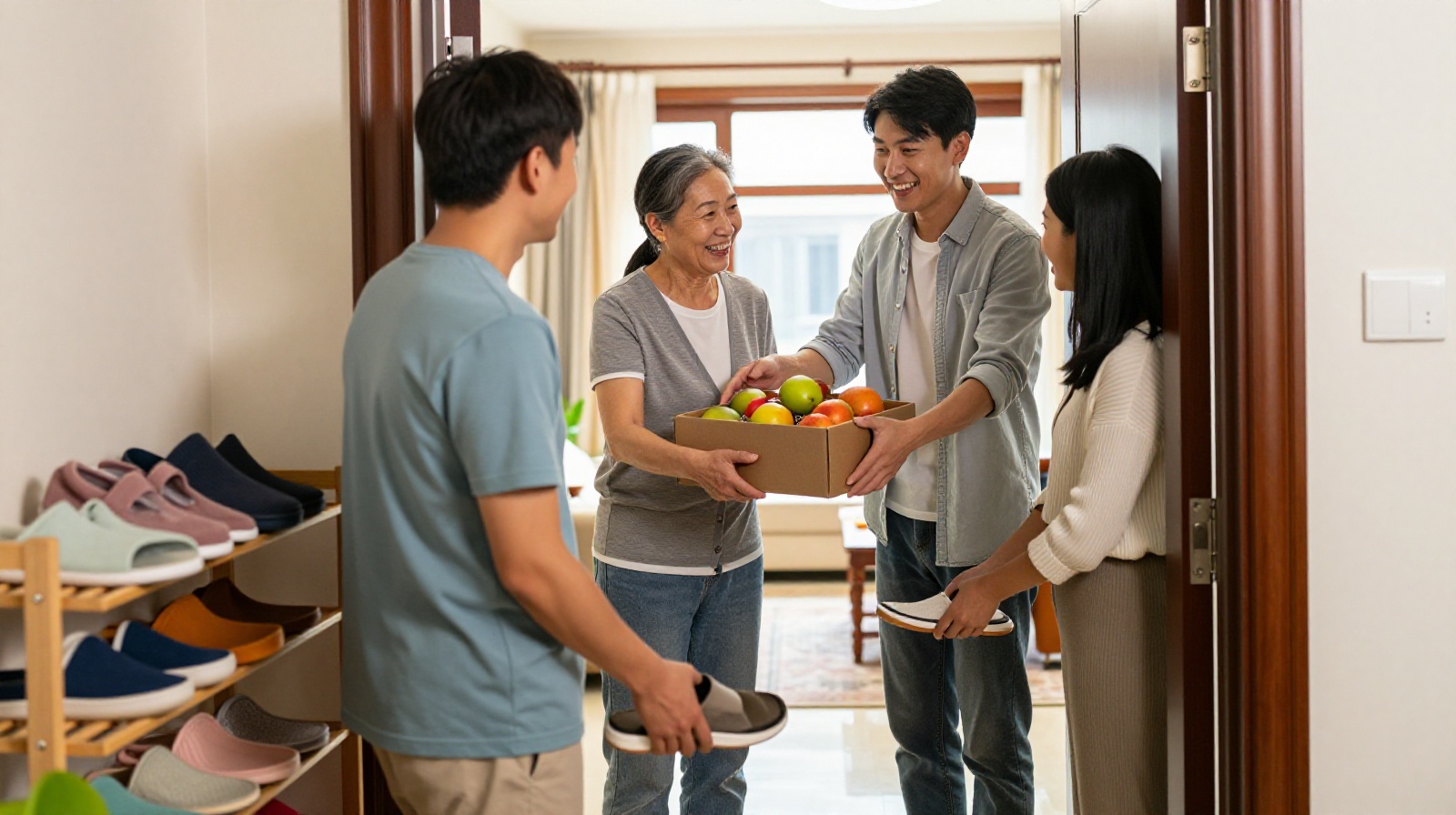
The first test of being a guest in China happens at the door. If you walk into a Chinese home wearing your outdoor shoes, you have likely just committed a minor social faux pas. The rule is simple and universal across urban and rural areas: remove your shoes before crossing the threshold.
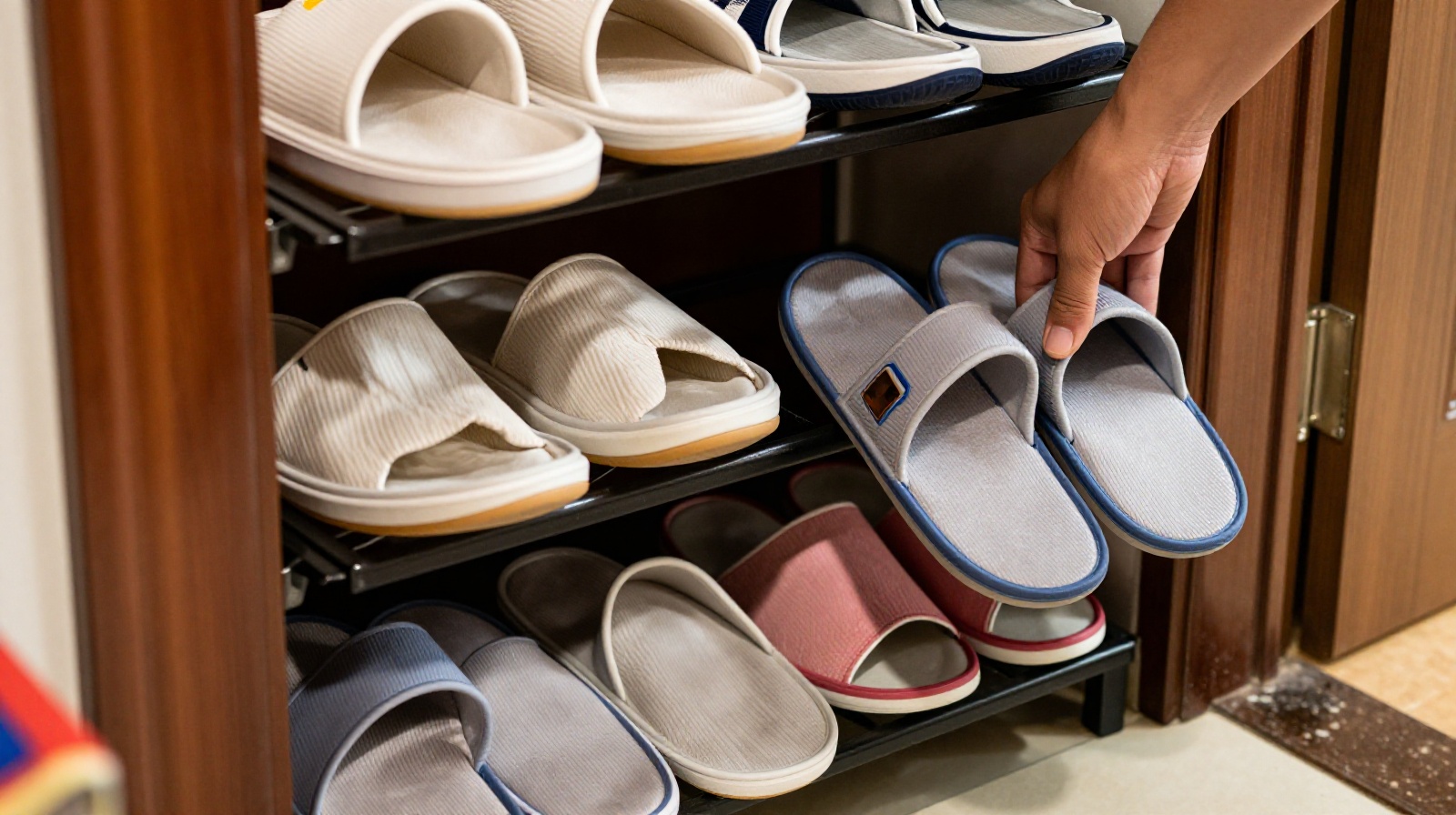
For decades, many foreigners found this confusing or even uncomfortable. “What if my feet get cold?” they would ask. But in China, hygiene and respect are intertwined here. Floors are where families sit, play with children, and sometimes even eat. Keeping outdoor dirt off the floor is a baseline of consideration for your host.
Don’t worry about looking unprepared. Almost every Chinese household keeps a pair of guest slippers ready by the door. They might be clean canvas shoes or sturdy plastic slides—functionality matters more than fashion. Slipping them on instantly signals that you respect the household’s space. It’s a small gesture, but it sets a tone of comfort and intimacy for the visit.
The Art of the Gift: Why Fruit Wins
Walking into a Chinese home empty-handed is almost unheard of. Bringing a “hostess gift” (伴手礼) is not optional; it’s expected. But what should you bring? This is where many travelers hesitate.
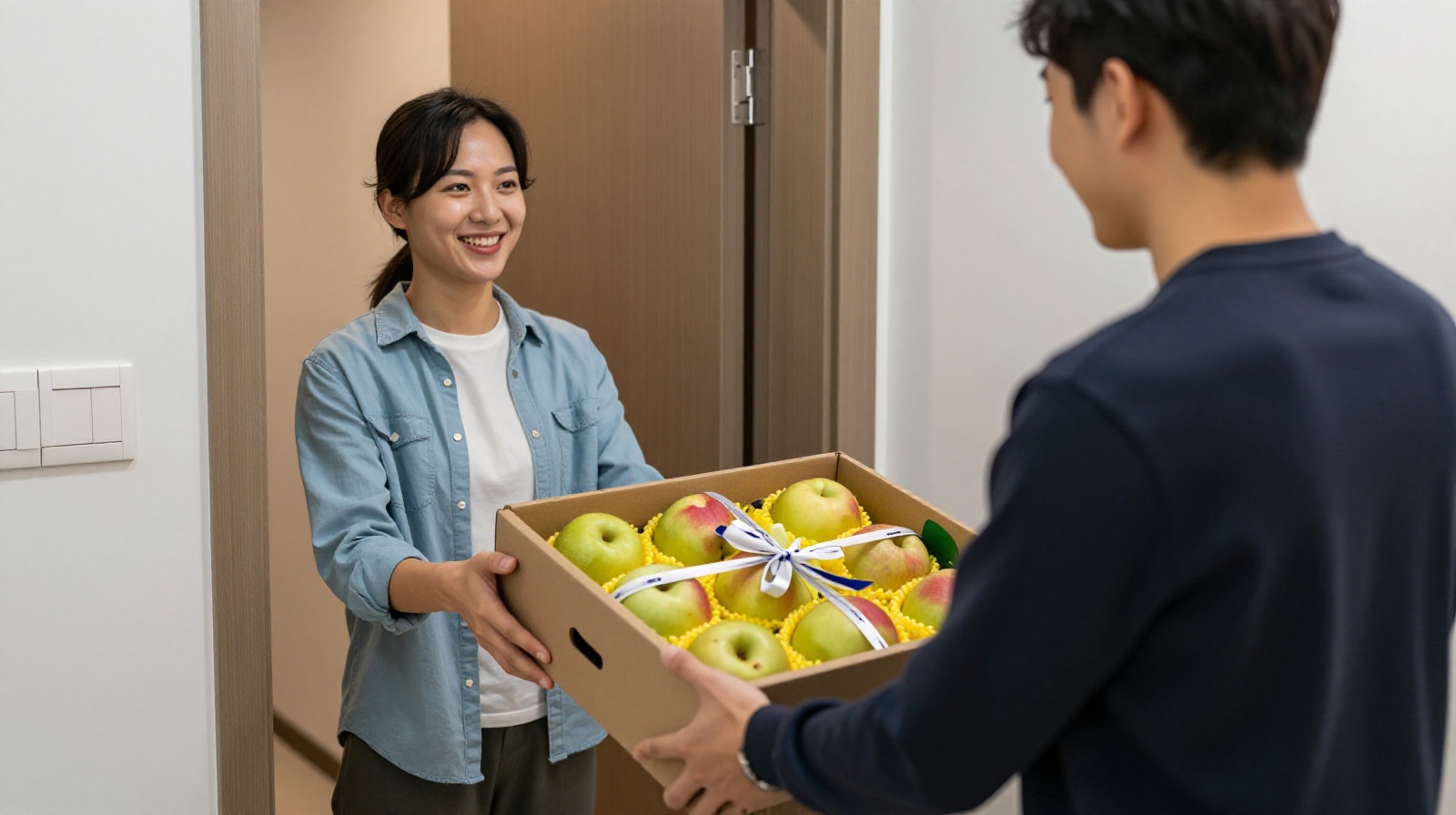
The safest, most appreciated gift is high-quality fruit. You will see this everywhere: from premium apples and pears to exotic durian or cherries during special seasons. Fruit is practical, healthy, and universally liked by all ages. When you hand over a box of carefully selected fruit, your host might politely protest—”Oh, you shouldn’t have!”—but they will accept it with genuine gratitude.
Why not flowers? While acceptable in some modern circles, traditional superstitions warn against giving white chrysanthemums or all-white flowers, as these are associated with funerals. And clocks? Never give a clock (送钟), because the phrase sounds like “attending a funeral” in Chinese. Stick to fruit, tea leaves, or local snacks from your home country. These are safe bets that show thoughtfulness without risking cultural missteps.
The Feast: Understanding “Cheng Dun” Food
Once you settle into the living room, the real test begins: the food. If you visit during a mealtime or holiday, expect an overwhelming abundance of dishes. In Chinese internet slang, there’s even a term for this: “cheng dun” (成吨), meaning “tons” of food.
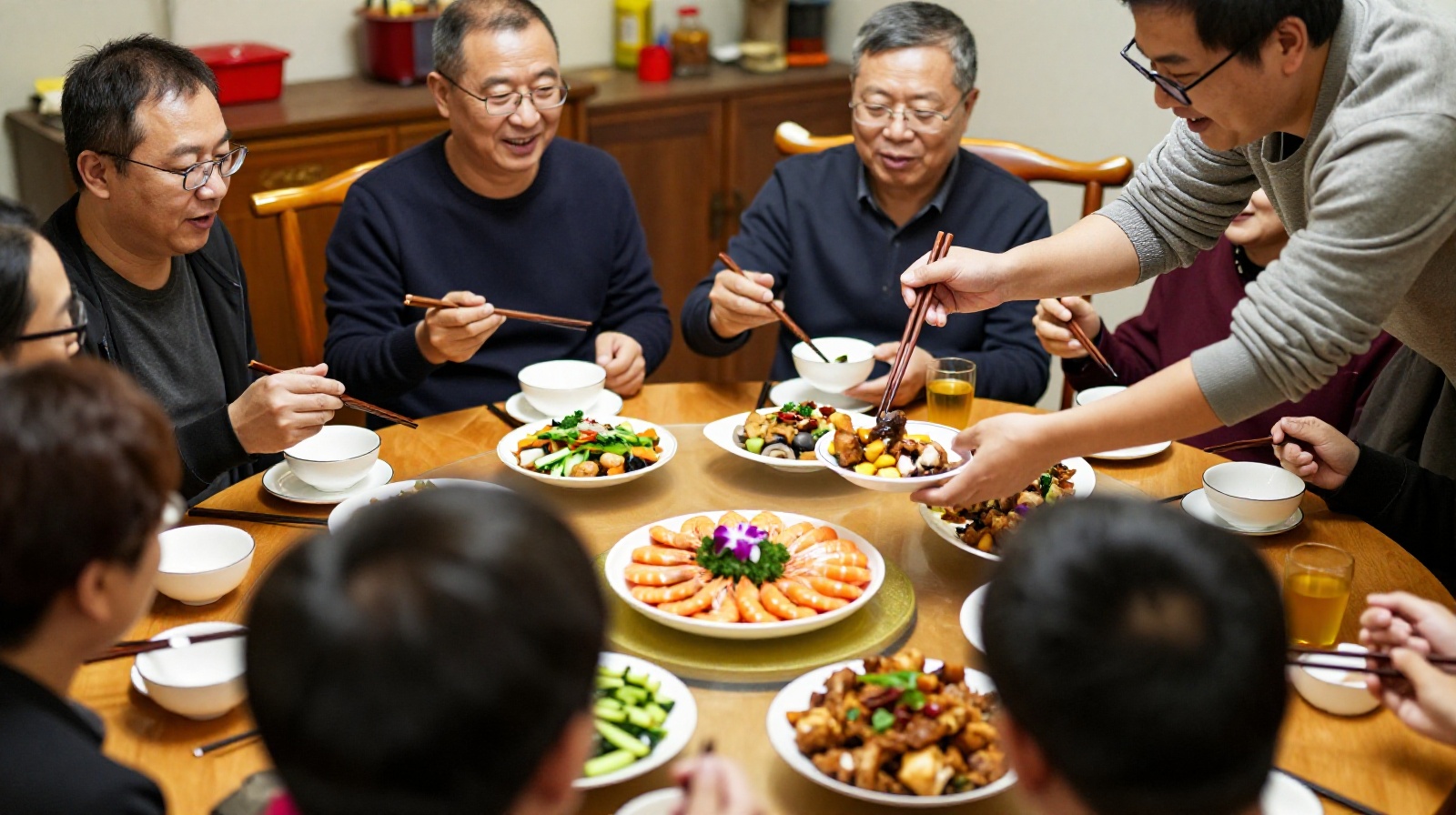
This isn’t just about feeding you; it’s a language of care. In China, saying “I love you” is often translated into action—specifically, filling your plate. Your host will constantly pile more food onto your bowl, using chopsticks to place shrimp, chicken, or vegetables right in front of you. This can feel intrusive if you are used to personal plate boundaries.
How do you respond? A polite decline is fine, but don’t insist too hard. If you say “no” firmly three times and they still insist, it’s likely because your refusal hurts their feelings—they want you to eat more. The best strategy is a balanced approach: accept the gesture with thanks, take moderate portions, and finish what you are given. Leaving a small amount of food on your plate can also signal that you are thoroughly satisfied, whereas cleaning the plate entirely might prompt them to serve more.
Boundaries in the Home
Chinese homes are warm, but they do have boundaries. Unlike some Western cultures where hosts might enthusiastically give a tour of every room, Chinese guests are often guided only to the living and dining areas. This isn’t coldness; it’s privacy.
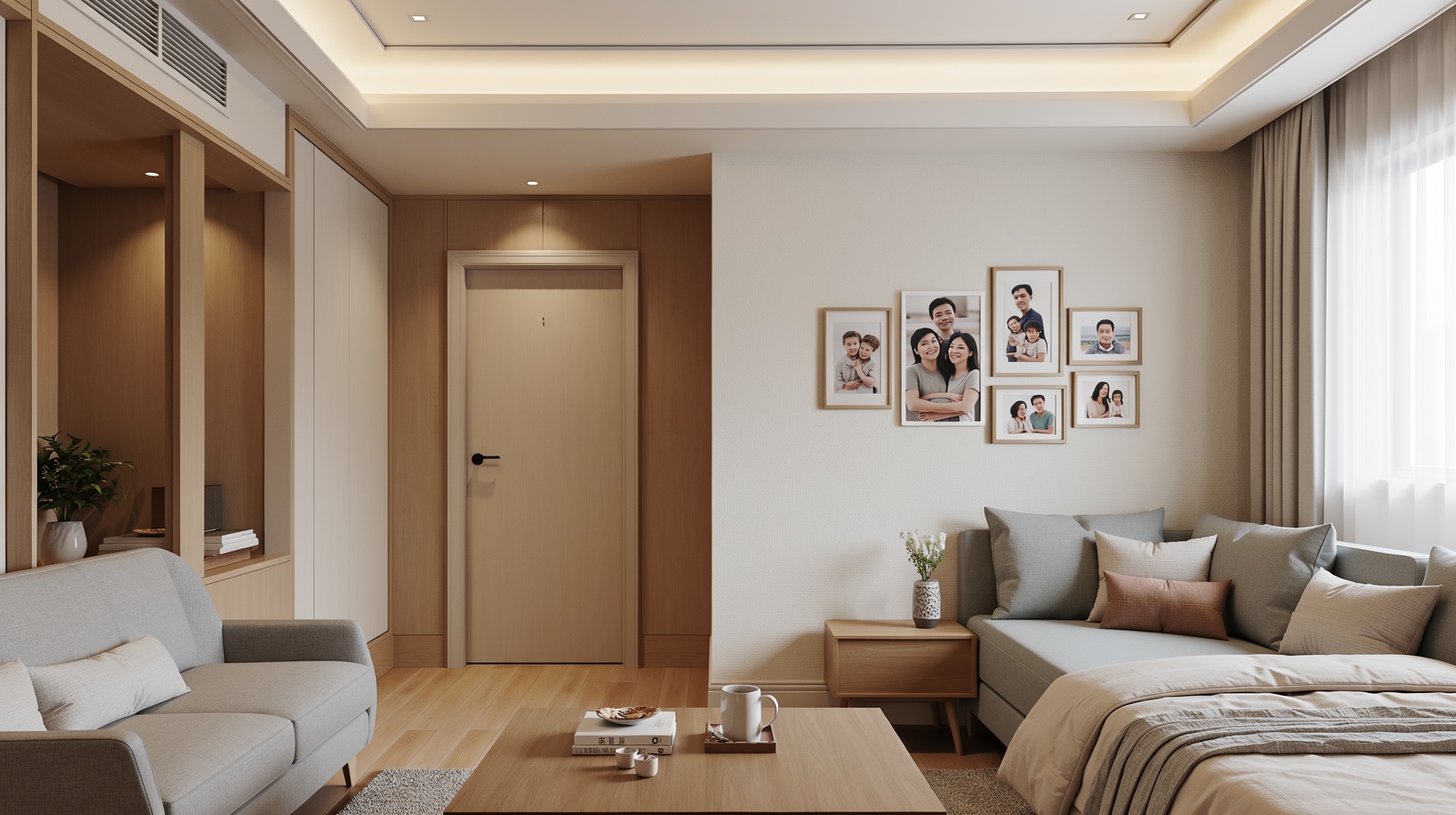
The bedroom is typically off-limits unless explicitly invited in. Similarly, avoid touching personal items on shelves or desks without asking. These spaces hold private family memories, documents, or valuables that are not meant for public viewing. If you want to see photos of their children or pets, ask politely. Most Chinese people love sharing these moments and will happily show you digital albums.
Connecting Through Connection
Ultimately, visiting a Chinese home is about bridging distances. The rituals of slippers, fruit, and food are not rigid rules to stress over, but invitations to connect. When you understand the logic behind them—hygiene, respect, and care—you stop worrying about making mistakes and start enjoying the warmth.
Next time you’re invited in, leave your shoes at the door, accept the fruit with a smile, and let your host fill your bowl. You’ll find that beneath the etiquette lies a genuine desire to make you feel like family.