


The Receipt That Isn’t Just a Receipt
Imagine this: You finish a business lunch in Shanghai. The bill is 300 yuan. You hand over your Alipay or WeChat Pay, and the waiter hands you a thermal paper slip with items listed.
In most countries, that’s it. You tuck it into your folder for expenses, done.
In China, if you want to get reimbursed by your company—or worse, if you run a business and need to deduct costs from taxes—that piece of paper is useless.
What Exactly Is a Fapiao?
A fapiao (发票) is not just a receipt. It is an official invoice issued by the Chinese tax authority. Every fapiao has a unique code and number, often protected by a QR code or hologram, which can be verified on government websites.
Think of it like this: In the West, a receipt proves you bought coffee. A fapiao proves to the Chinese government that the seller declared that sale for tax purposes. It is the physical link between your spending and the state’s tax revenue.
Why Regular Receipts Don’t Work
You might ask, “Can’t I just use the thermal slip from the restaurant?”
No. Companies in China do not accept standard receipts for bookkeeping because they cannot be verified as legitimate business expenses by tax auditors. Without a fapiao, that 300-yuan meal is coming out of your own pocket.
How to Get an E-Fapiao (The Modern Way)
Thankfully, the days of chasing paper receipts in rainstorm are over. Since 2019, China has rolled out fully digitalized electronic fapiaos. They look like PDFs on your phone and have the same legal weight as stamped paper invoices.
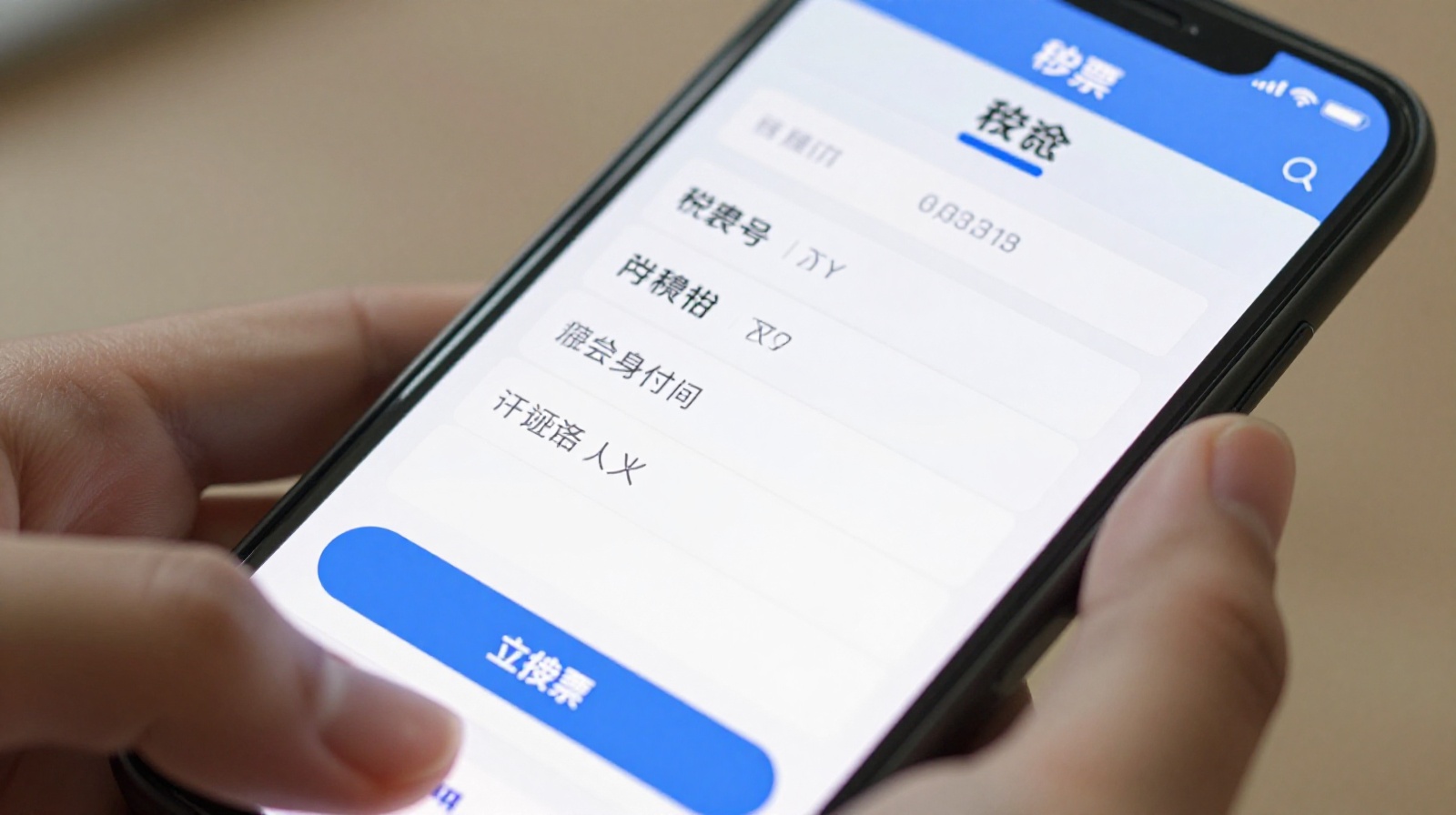
Step-by-Step: How to Request One
You don’t need to be fluent in Chinese to handle this, but you do need to know what information to provide. Here is the typical workflow for dining out or taking a taxi:
- Pay First: Complete your payment via Alipay, WeChat Pay, or card.
- Ask Immediately: Say “Kai fapiao?” (Can I get an invoice?). If you are using a smartphone app (like Didi for taxis or Meituan for food delivery), there is usually a dedicated “Invoice” button in the order history.
- Provide Details: You will need to enter two critical pieces of information. For individuals, just your name and ID/passport number might suffice. For companies, you must provide:
- The full registered company name (in Chinese is best).
- The Taxpayer Identification Number (税号). This is a 15-20 digit unique code for the business.
- Receive It: The invoice will be sent to your email or appear in your WeChat/Alipay wallet within minutes. You can download it as a PDF.
A Note on Taxis and Small Shops
In big cities, ride-hailing apps (Didi) make this easy—you just click “Apply for Invoice” after the trip. However, if you hail a random taxi on the street, the driver may not have an electronic system ready. They might give you a generic receipt or ask you to wait while they use their handheld machine. Be patient; it is part of the local experience.
Common Mistakes That Cost Money
Even with digital systems, errors happen. Here are the pitfalls that trip up foreigners most often:
- The Name Mismatch: If you book a hotel under your personal name but need the invoice for your company, you must specify the company details during booking. Changing it at the front desk is often impossible because the system has already locked the transaction type.
- Missing the Tax ID: For corporate invoices, omitting the company’s tax identification number renders the invoice invalid for reimbursement. Double-check this digit string before hitting “Send.”
- Losing the Data: Electronic fapiaos are stored in the cloud, but you are responsible for saving the PDF. If your email gets deleted or your phone breaks, and you didn’t back it up, getting a replacement is bureaucratic nightmare.
The Bottom Line
In China, fapiao culture can feel like extra work. But it is the backbone of the country’s financial transparency. For expats, mastering the art of requesting and storing fapiaos saves time, money, and stress.
Next time you pay for dinner or a cab, remember: The thermal slip goes in the trash. The official fapiao goes into your expense report.