


The Echo of a Cheap Copy
In the early 2010s, walking into an electronics shop in Lagos or Jakarta meant seeing rows of phones that looked suspiciously similar to Apple’s iPhone. They had rounded corners and two rear cameras, but the build quality was often fragile, and the software lagged behind. For Western tech analysts, this period defined China: a factory for knock-offs, copying designs without understanding innovation.
But something shifted. It wasn’t an overnight revolution, but a slow, grinding evolution driven by necessity. Chinese manufacturers realized that to survive outside their saturated domestic market, they couldn’t just sell cheap gadgets; they had to build devices that worked in the specific, often harsh conditions of the ‘Global South’—a term now used to describe emerging economies across Africa, Southeast Asia, Latin America, and parts of Asia.
The Invisible Engineering: Solving Real-World Problems
Let’s look at what actually happens on the ground. In rural Kenya, electricity is intermittent. A teenager in a village might charge their phone by connecting it to a generator for just ten minutes before heading to school. For a brand targeting this market, battery life isn’t just a spec sheet feature; it is a lifeline.
Companies like Tecno (part of Transsion Holdings) and Xiaomi didn’t just add bigger batteries; they re-engineered power management systems specifically for low-voltage charging environments. They developed phones that could survive days without a charge, even with heavy social media usage.
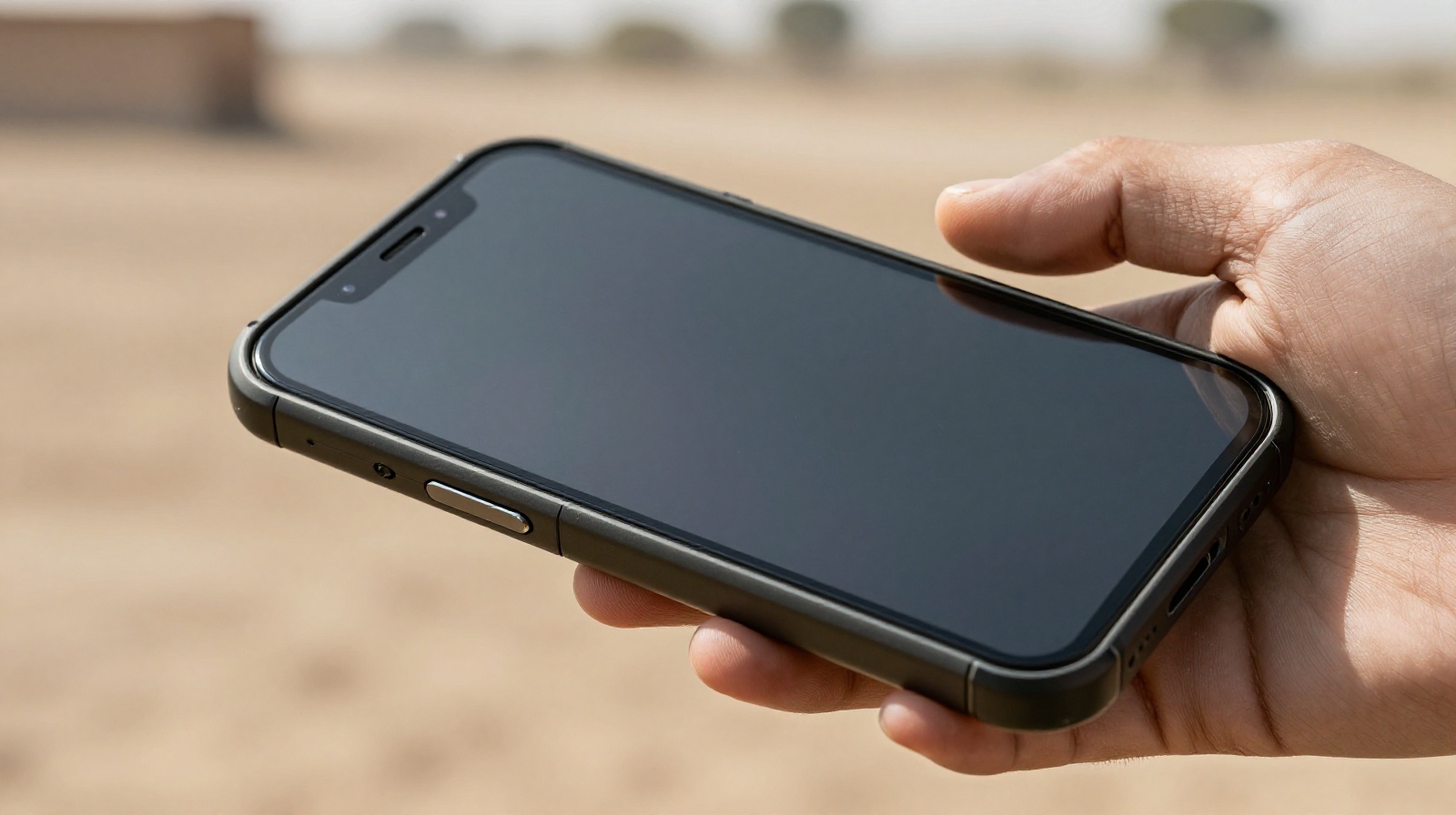
In the humid heat of Southeast Asia or the dusty streets of Mumbai, durability is king. Western flagships often crack under minor drops. Chinese brands responded by reinforcing chassis and using tougher glass, creating devices that can withstand the daily rigors of construction sites, market stalls, and crowded public transport. This isn’t just ‘toughness’; it’s a direct response to the user’s reality.
More Than Dual SIM: Hyper-Local Software Features
The most striking difference lies in the software. While Western giants focused on premium ecosystems for affluent users, Chinese brands dug deep into local habits.
In many African nations, people often juggle multiple phone numbers to save costs or separate business from personal life. Early Western phones struggled with dual SIM setups, often causing battery drain or connectivity issues. Chinese manufacturers perfected ‘Dual SIM Dual Standby’ (DSDS), allowing users to switch seamlessly between two networks without a lag.

They went further. In China and increasingly in Africa, skin tone varies widely. The selfie cameras on Western phones, calibrated for lighter skin tones, often washed out or distorted darker complexions. Chinese brands like Oppo and Vivo introduced AI-driven camera algorithms trained on datasets of millions of diverse Asian and African faces. The result? A ‘beauty mode’ that actually looks natural across different ethnicities, turning the front-facing camera into a trusted tool rather than a source of frustration.
Building Trust Where Infrastructure Lags
Buying a $500 iPhone is an investment; buying a $150 Android phone in a developing market requires trust. How do you build that trust when official service centers are scarce?
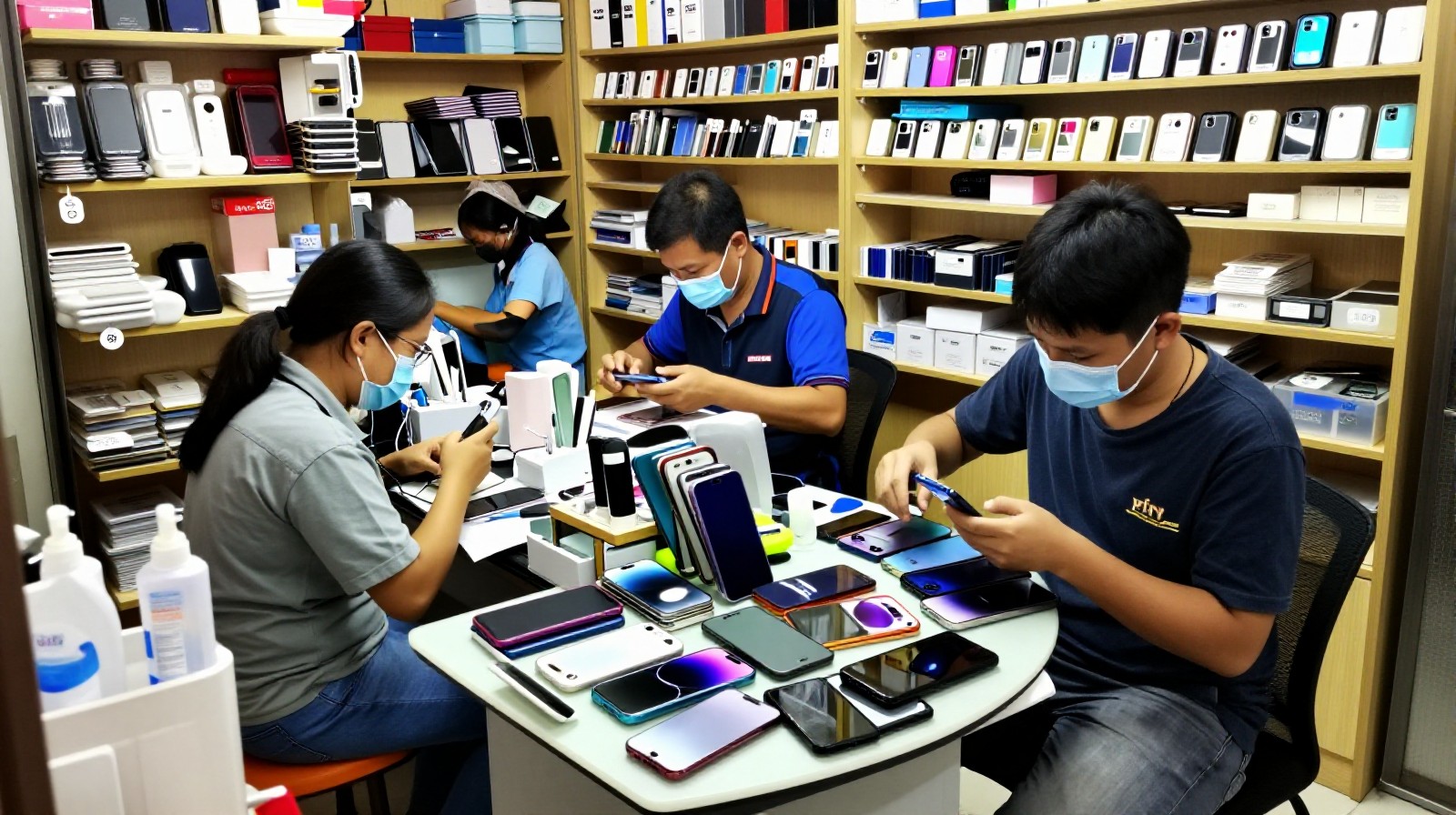
The answer has been the ‘micro-service’ model. In Nigeria and Indonesia, Chinese brands have built networks of local repair shops, often run by small business owners, authorized to fix devices with genuine parts. They offer extended warranties and trade-in programs tailored to cash-strapped consumers.
This network creates a safety net. If a phone breaks in a remote village, there is likely a technician within walking distance who knows the device inside out. This level of local integration is something global giants have struggled to replicate at scale.
From Followers to Innovation Leaders
Today, the innovation flow has reversed. Features first popularized by Chinese brands in emerging markets are now trickling up to influence global standards.
Fast charging technology, which was once a niche luxury, is now standard on mid-range phones globally, driven by Chinese adoption rates that pushed battery chemistry and safety protocols forward. Similarly, the push for high-resolution cameras at low price points forced the entire industry to lower costs and improve sensor quality.
In the Global South, these brands are no longer seen as ‘the cheap alternative.’ They are the primary drivers of digital inclusion. When a farmer in Vietnam uses a smartphone to check crop prices via an app, or when a young entrepreneur in Lagos uses mobile money on a Vivo device, they are participating in an economy powered by technology that was specifically designed for their context.
The narrative has changed. It is no longer about copying the West; it is about building the future for billions of people who were previously left out of the smartphone revolution. The Global South is not just a market to be conquered; it is a laboratory where the next generation of mobile technology is being tested, refined, and perfected.