
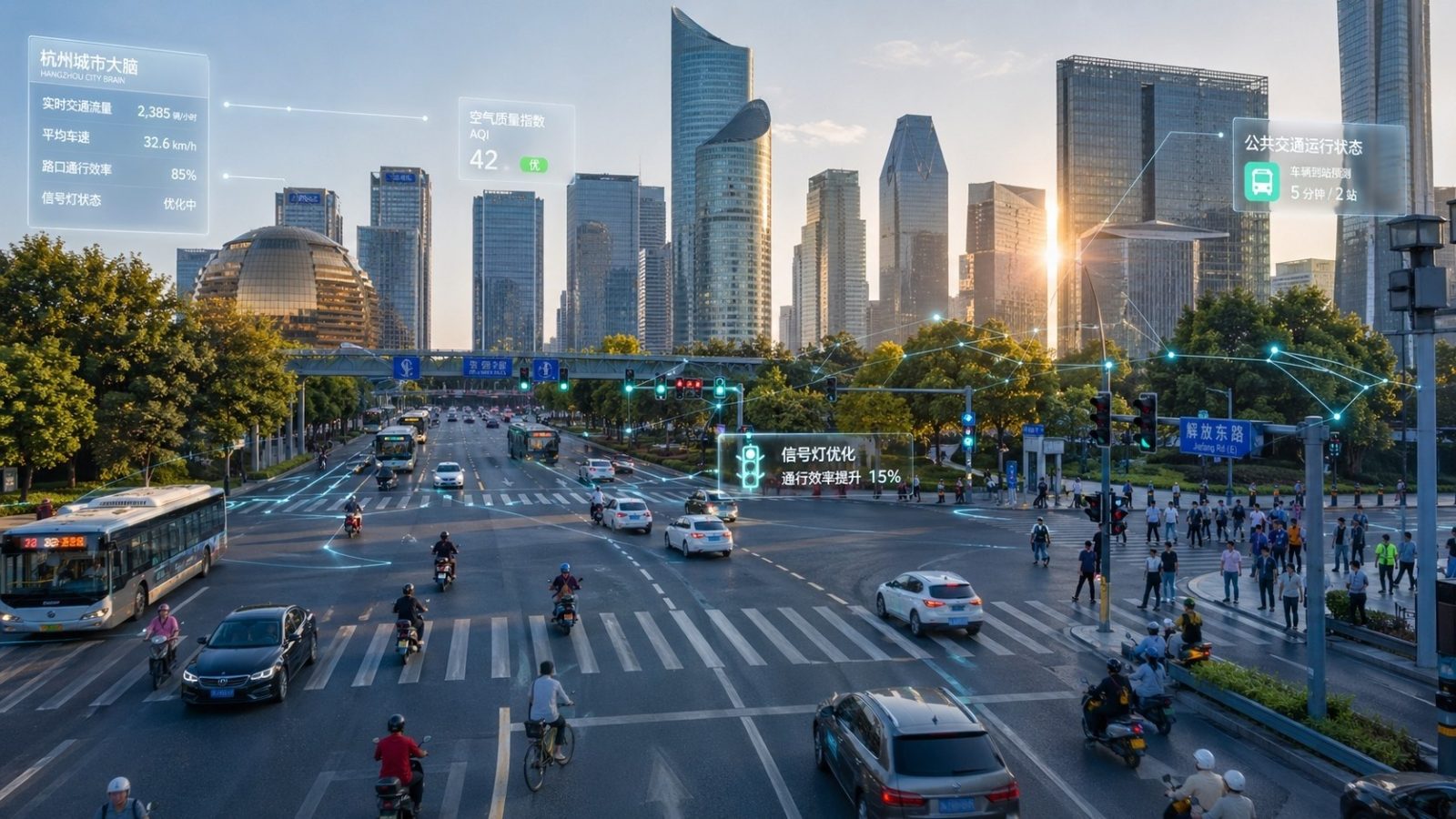

The Morning Rush: A Scene from the Frontline
For years, the morning commute in Hangzhou was a test of patience. Drivers would sit idling on Binjiang Road, watching the red taillights of hundreds of cars stretch endlessly into the mist. In 2016, before major changes took effect, the average speed during peak hours had dropped to roughly 17 kilometers per hour. For an ordinary resident like Li Wei, a software engineer living in the city’s western district, this meant spending over an hour each way just to reach his office.
The frustration was universal. It wasn’t just about wasted fuel or lost time; it was about the psychological weight of being stuck in a concrete gridlock that seemed impossible to escape. Neighbors would complain about emergency vehicles getting trapped behind private cars, and delivery riders often missed deadlines because traffic signals were poorly timed for local flow.
Today, if you stand on the same corner at 8:00 AM, the scene is different. The queue moves steadily. There are still cars, but they rarely stop completely unless necessary. This change didn’t happen through building wider roads—space in central Hangzhou is too limited for that—but through a digital intervention: the Hangzhou City Brain.
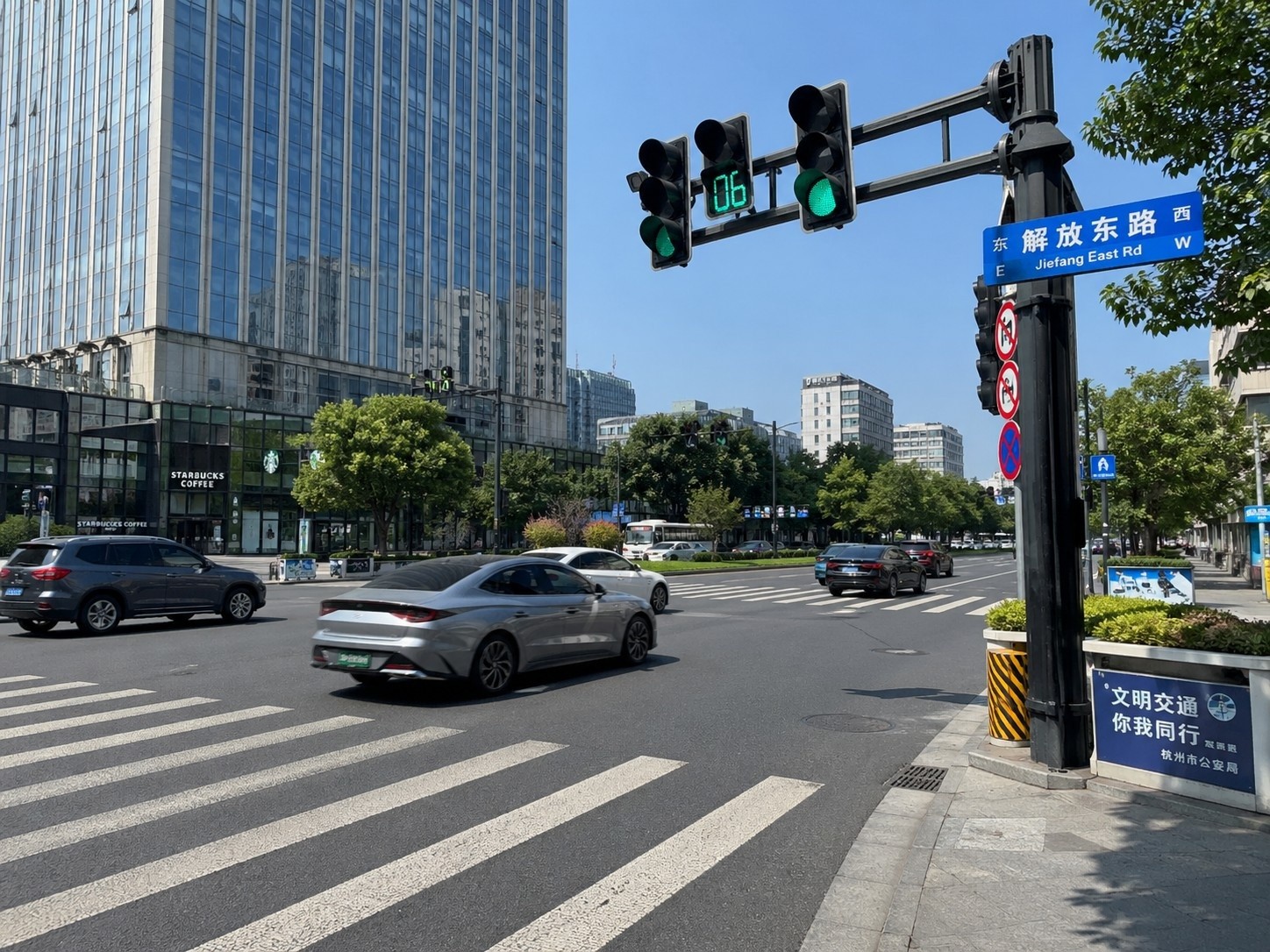
The Invisible Hand: What is the ‘City Brain’?
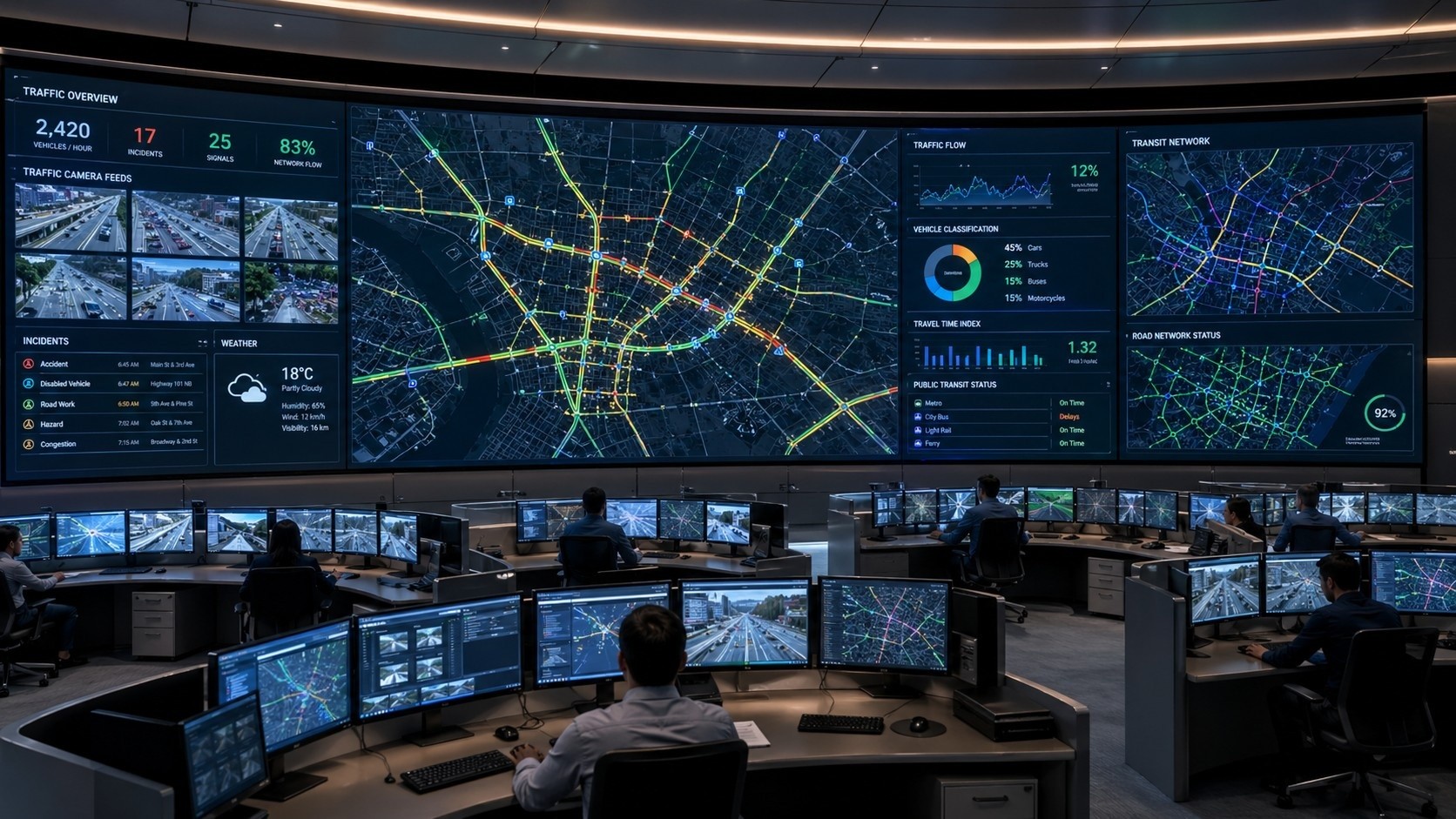
To understand how this works, it helps to imagine a traffic controller who never sleeps, never blinks, and processes information thousands of times faster than any human. This is the core concept behind the City Brain, a project launched by Alibaba Cloud in collaboration with local government authorities.
At its simplest, the system connects hundreds of thousands of surveillance cameras, GPS data from taxis and ride-hailing apps, and traffic sensors embedded in the asphalt. It acts as a centralized nervous system for the city’s mobility. Instead of relying on pre-set timing plans that change only once a day or week, the City Brain analyzes real-time conditions.
Consider this: if an accident occurs at one intersection, causing a backup that threatens to spill over into neighboring streets, the system detects the slowing vehicles instantly. It then calculates how to redistribute the load. It might extend the green light for cross-traffic just enough to clear the bottleneck, or adjust multiple lights in a sequence to create a “green wave” for incoming traffic.
From Theory to Street: Real-World Impact
The results of this data-driven approach are measurable and significant. According to public reports from Hangzhou’s transportation authority, the City Brain has reduced travel time by approximately 4.5 minutes per trip on average across the city. In some heavily congested corridors, the improvement has been even more dramatic, with commute times cut by up to 20 percent.
This isn’t just a minor convenience; for a city with nearly ten million residents, saving five minutes per person adds up to thousands of hours saved daily across the entire metropolitan area. The system also prioritizes emergency vehicles. When an ambulance or fire truck is dispatched, the City Brain can turn traffic lights green along its route automatically, effectively clearing a path without needing police escorts.
The technology has evolved since its initial launch. Early versions focused primarily on signal timing optimization. Today, it integrates more complex data, including weather patterns and real-time event schedules (such as major concerts or sports games), allowing the city to anticipate congestion before it fully forms.
The Human Element: Technology Serving Daily Life
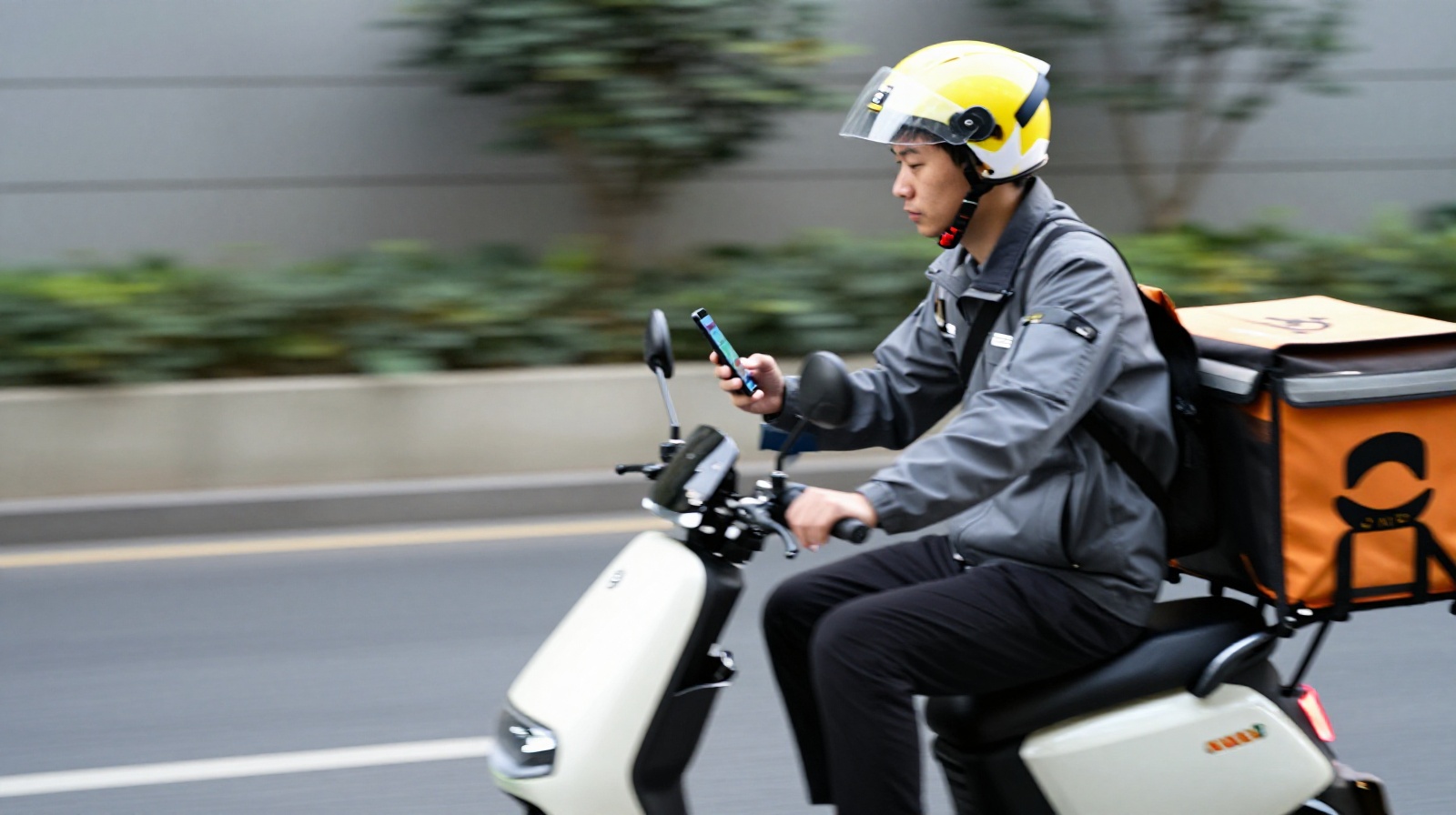
For ordinary citizens, the impact is felt not in code, but in time regained. Sarah Chen, a food delivery rider who has worked in Hangzhou for four years, notes a distinct difference in her daily routine. “Before, I used to panic when I saw long red lights at major intersections,” she says. “Now, the system seems to adjust faster. I make more deliveries per shift, and my stress levels are lower.”
Even taxi drivers have adapted their habits. Many now use navigation apps that feed into the same data ecosystem as the City Brain. When a driver chooses a route recommended by the AI, they are not just avoiding traffic; they are helping the broader system learn. This feedback loop creates a smarter city over time.
Beyond Traffic: A Glimpse into Smart Governance
The success of the City Brain in managing traffic has led to its expansion into other public services. The same data infrastructure is now being used to optimize hospital appointment systems, reduce wait times at government service centers, and even manage energy consumption in public buildings.
This shift represents a broader trend in Chinese urban planning: moving from reactive problem-solving to proactive management. By treating the city as an interconnected organism rather than a collection of isolated streets, officials can address issues holistically. It is no longer just about building more roads; it is about making existing infrastructure work harder and smarter.
For overseas readers, Hangzhou offers a clear example of how technology can be democratized to serve daily life. The goal isn’t to showcase futuristic neon skylines or autonomous robot cars on every corner. Instead, it is about invisible efficiency—systems that work so smoothly in the background that citizens barely notice them until they are gone.
In Hangzhou, the City Brain has turned the chaotic morning rush into a more manageable flow. It proves that smart cities are not just about high-tech gadgets; they are about improving the fundamental quality of life for millions of people.