
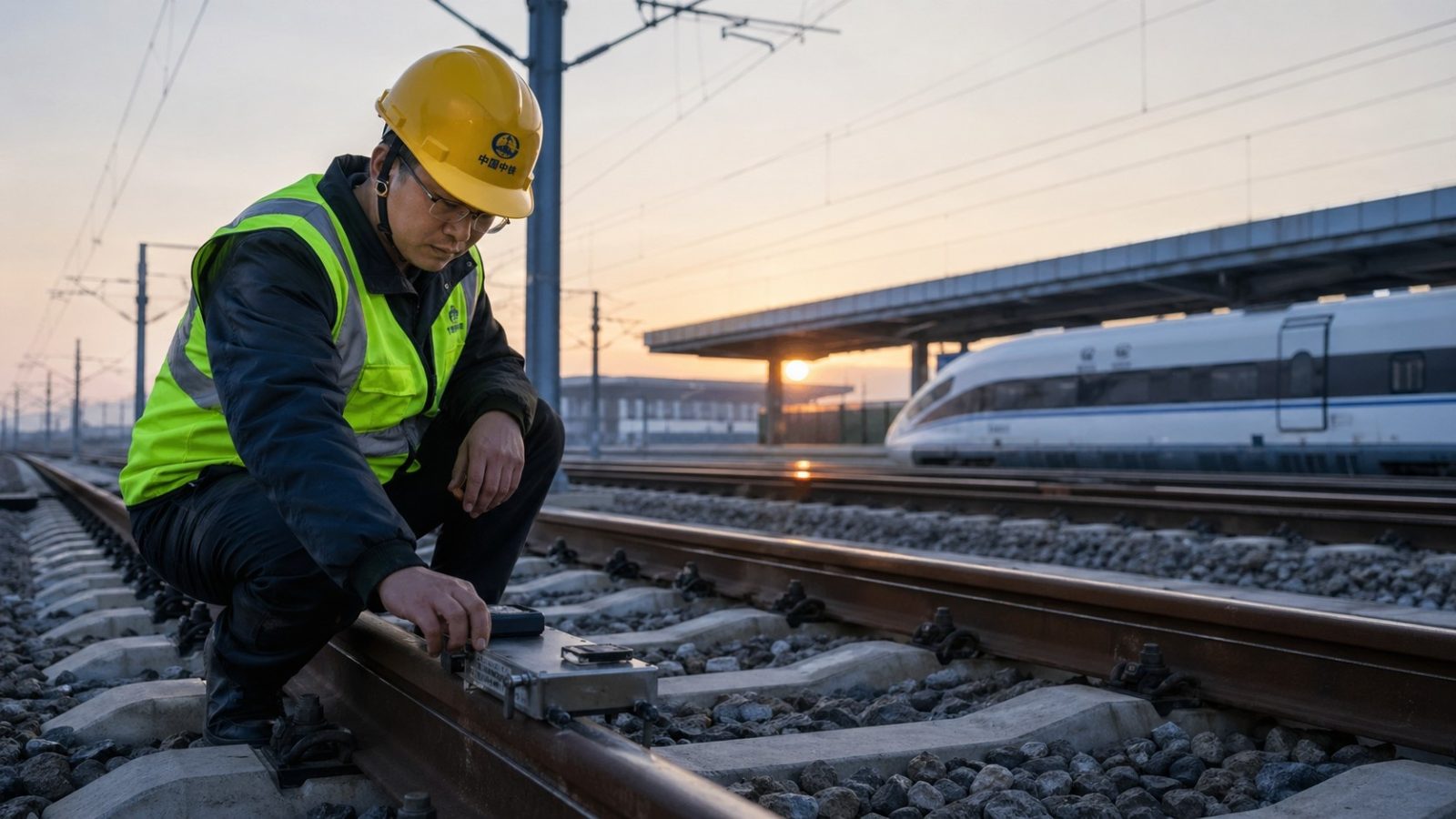

The View from the Cab
At 4:30 AM, while most of Beijing is still asleep, Li Wei wakes up. He doesn’t need an alarm clock; his body has adjusted to a schedule that defies the normal day-night cycle. As a track maintenance engineer for China Railway Shanghai Group, Li’s world exists in the “window”—the two-hour gap between 0:00 and 4:00 AM when high-speed trains stop running so workers can access the tracks.
Li checks his tablet first. The digital dispatch system has already assigned him a section of the Beijing-Shanghai High-Speed Railway, one of China’s busiest corridors. He doesn’t remember counting the kilometers; it is now just a routine shift. For international observers, China’s 50,000-kilometer high-speed rail network (over 31,000 miles) often feels like an abstract statistic or a futuristic dream. But for Li, it is a physical reality of worn bolts, laser-measured rails, and the constant pressure to keep millions moving safely.
The Human Machine: Safety Over Speed
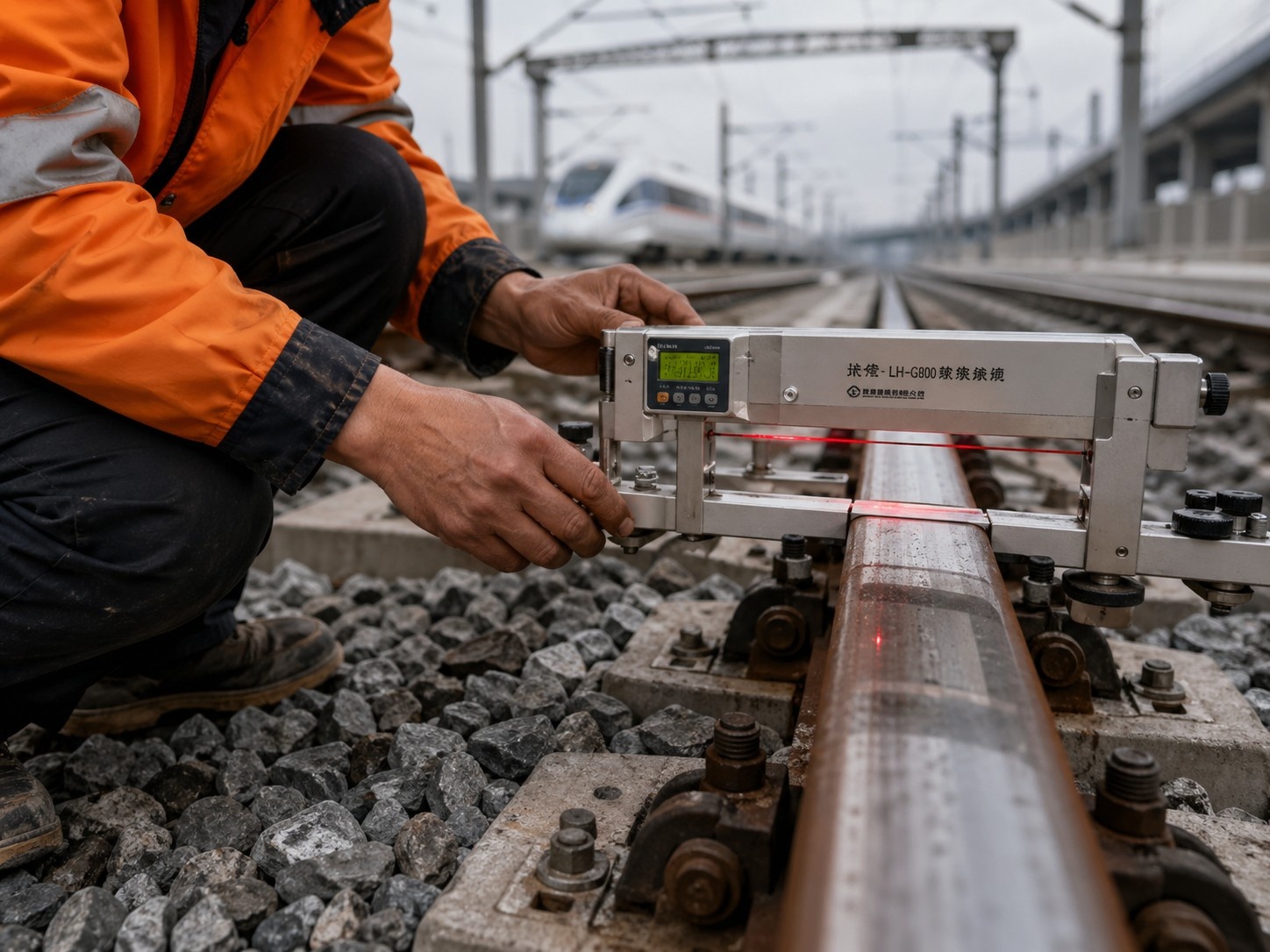
There is a common misconception that Chinese high-speed rail relies on speed alone. In reality, it relies on an obsessive focus on safety margins. Li pulls on his reflective vest and hard hat. His tool kit includes torque wrenches, ultrasonic flaw detectors, and a laser gauge that measures rail alignment to within 0.1 millimeters.
“People ask if the trains are too fast,” Li says over the hum of the work vehicle. “But speed is irrelevant if safety isn’t guaranteed. We check every bolt twice. If a vibration sensor on a train reports an anomaly, we don’t guess—we investigate.”
This rigor is visible in the technology. Unlike older rail systems that relied heavily on manual inspection, China’s high-speed network uses AI-driven monitoring. Cameras mounted on trains and along the tracks analyze data in real-time. If a track irregularity is detected, the system automatically flags it for engineers like Li before the next train arrives. This blend of human discipline and digital precision is what allows the network to handle such volume without compromising safety.
Life on the Line
The lifestyle of a railway engineer is far from glamorous. Li works in shifts, often missing family dinners or weekend holidays. He lives in a staff dormitory near the maintenance depot, a common arrangement for workers serving remote sections of the line. Yet, there is a sense of pride in this routine.
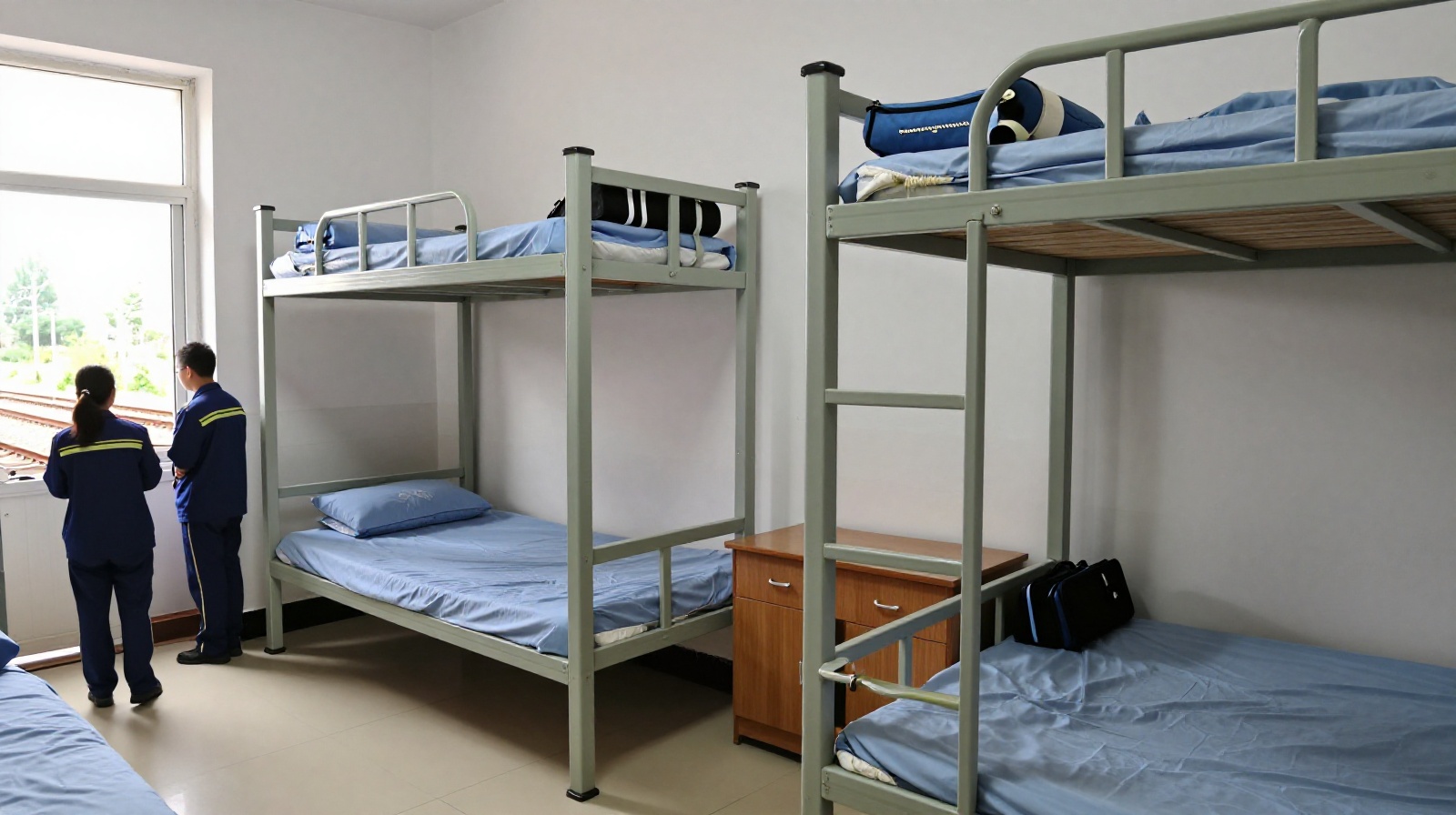
“My daughter asks why I’m always gone,” Li admits. “I tell her that when she grows up and takes the bullet train to see her grandparents, it’s because people like me fixed the tracks last night.”
This disconnect between the engineer’s life and the passenger’s experience is a defining feature of China’s public infrastructure. Passengers enjoy seamless, air-conditioned comfort at 350 km/h (217 mph). They rarely think about the thousands of workers who maintain the lines behind the scenes. But for Li and his colleagues, this invisibility is the ultimate goal: if they do their job right, no one notices them.
Beyond Steel Wheels
While Li maintains the physical track, another layer of technology operates above ground. The Chinese high-speed rail experience is deeply integrated with digital life. From the moment a passenger books a ticket via WeChat or Alipay to the real-time updates on station screens, data flows through the system.
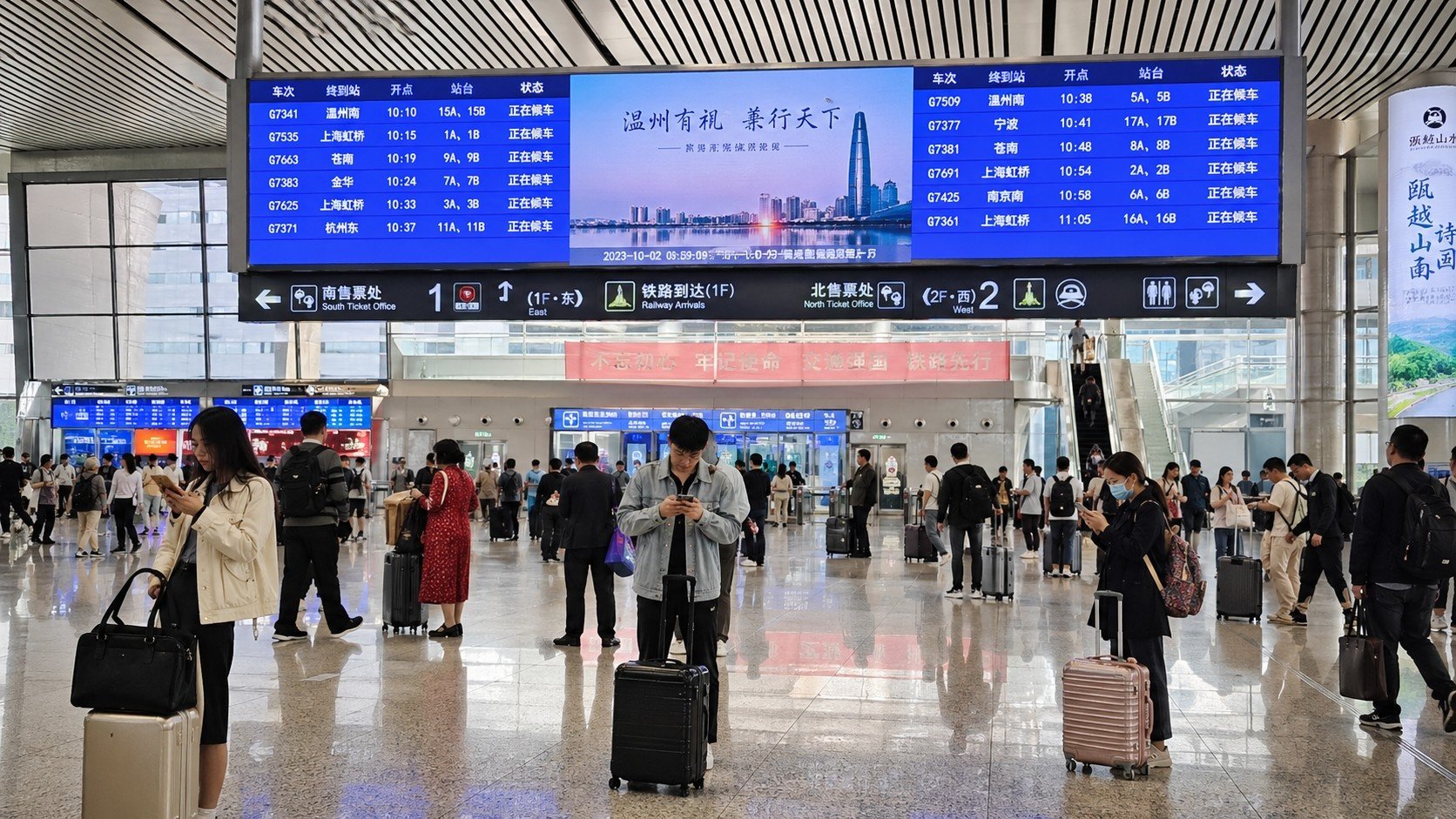
Li points out that this digital ecosystem also supports maintenance. Engineers use smart apps to upload inspection reports instantly. Drones are increasingly used to inspect bridges and tunnels in difficult terrain. This “smart rail” initiative has reduced response times for emergencies and improved overall efficiency.
What the Track Really Means
For overseas readers, China’s high-speed rail might seem like a symbol of state ambition or economic power. But for ordinary Chinese people, it is simply part of daily life. It enables business travelers to attend meetings in Shanghai after lunch in Beijing. It allows families living in tier-two cities to access the medical resources of major hubs.
The 50,000-kilometer network is not just a collection of steel and concrete; it is a social fabric that has shrunk distances and changed how people live. As Li packs up his tools at dawn, ready for another day, he represents the quiet engine behind this transformation: not just engineers, but a system where technology serves humanity, one bolt at a time.