

A World Where Food Comes to You
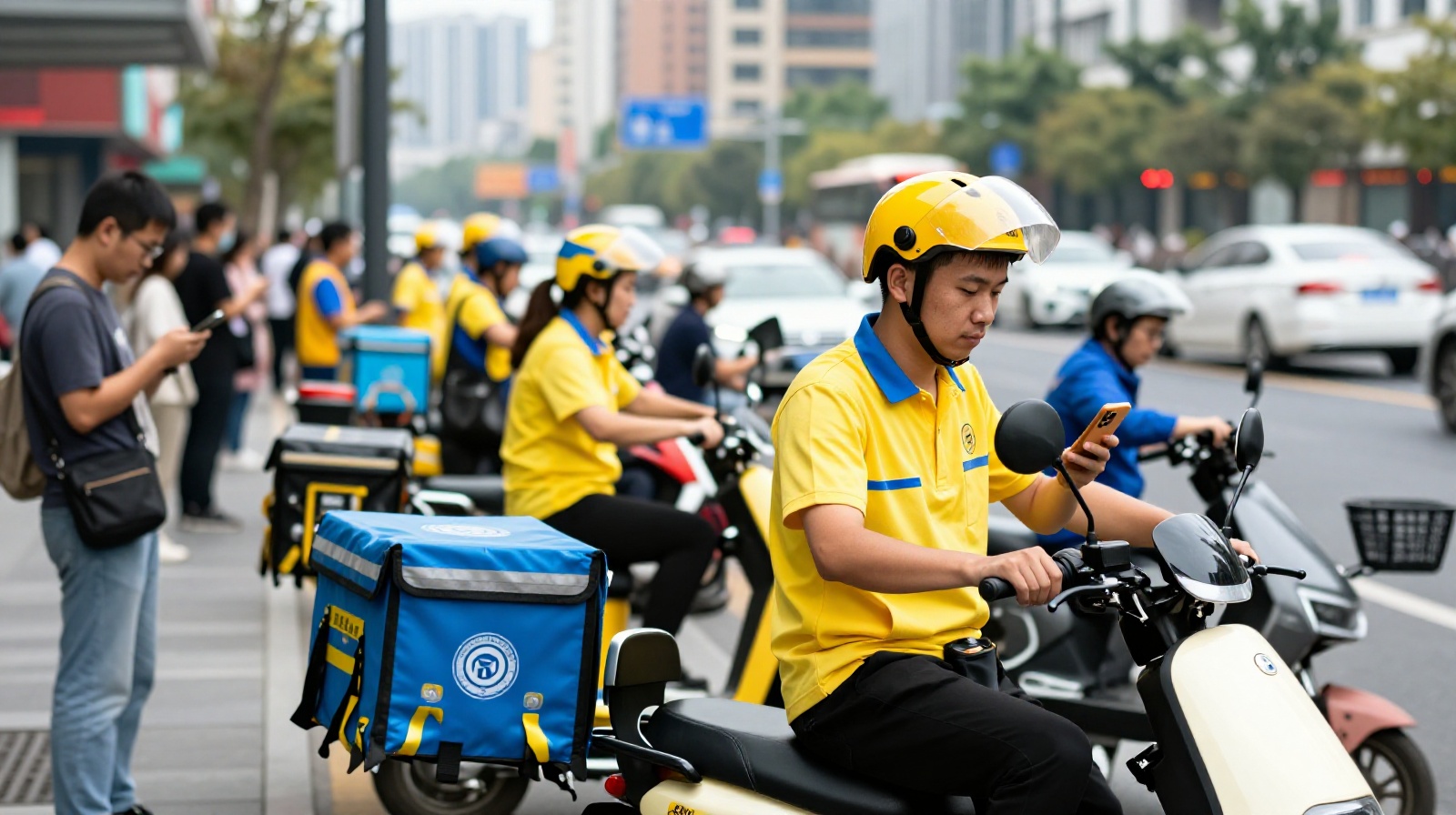
Walk into any office building in Shanghai, Beijing, or Chengdu during lunch hour. Look at the lobby. You will see a chaotic yet organized scene: dozens of delivery riders in yellow and blue uniforms waiting with insulated bags, phones plugged into charging ports on the wall, scanning QR codes to find their pickup spots.
This is not a futuristic movie set; it is Tuesday. In China’s major cities, food delivery (known locally as waimai) has evolved from a luxury service into essential infrastructure. According to industry data, over 700 million people order takeout in China annually. The concept of “delivering everything” is real—you can order groceries, medicine, flowers, or even a birthday cake with the same few taps that ordered your lunch.
Step 1: Setting Up Your Digital Wallet
Before you can order, you need two things: a smartphone and a payment method. While WeChat Pay and Alipay are the giants dominating this space, they require a Chinese bank card or an international credit card linked to your profile.
The process is surprisingly fast. Most major apps now support international cards (Visa/Mastercard) directly within their “Travel Pass” or verification sections. Once linked, you don’t need cash. The entire transaction—from selecting a dish to paying the rider—is digital and instant.
Step 2: Choosing Your Platform
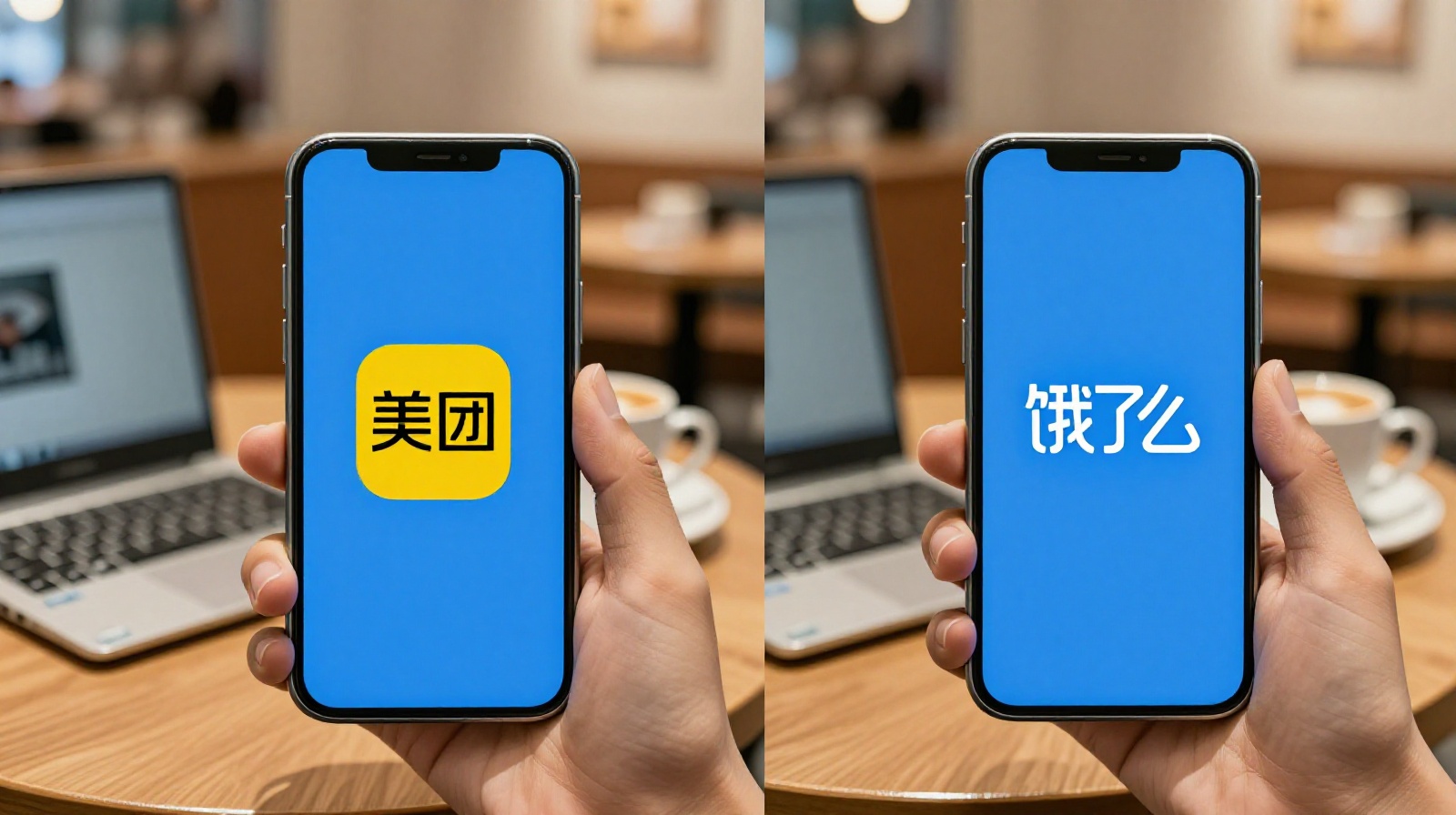
You will likely encounter two main platforms: Meituan (yellow icon) and Ele.me (blue icon). Both offer similar services, but Meituan often has a wider selection of smaller restaurants in older neighborhoods.
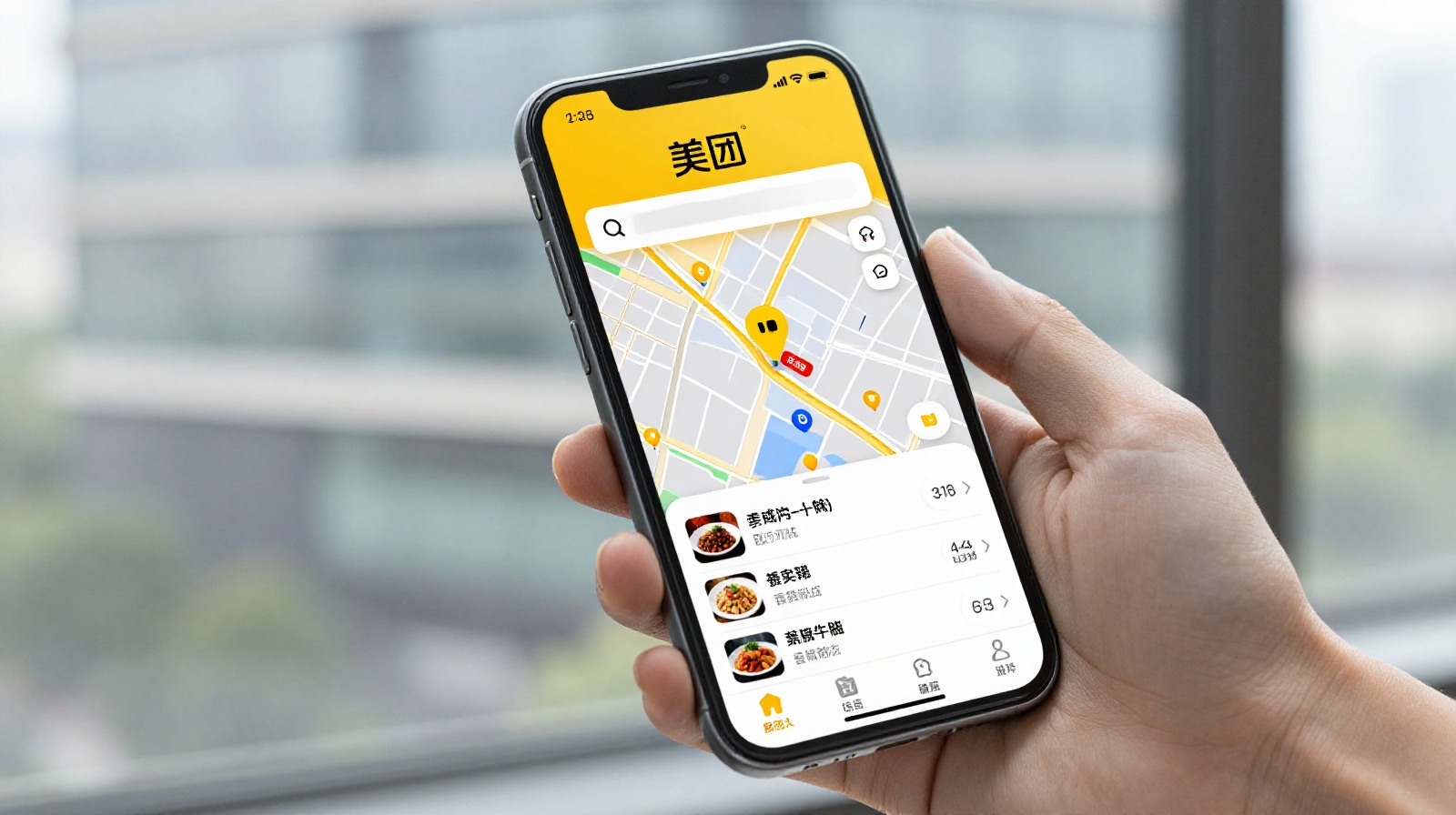
Imagine you are hungry at 10:00 PM. You open the app. The interface is clean, with a map dominating the top half. It uses your GPS to show restaurants within a 3-kilometer radius. You can filter by delivery time (e.g., “under 25 minutes”) or price range. Unlike Western apps that might prioritize ratings heavily, Chinese apps balance speed and popularity, showing you what is actually available right now.
Step 3: Navigating the Menu Like a Local
This is where the real cultural learning begins. Menus in China are rarely static PDFs; they are dynamic interfaces with thousands of options. You will see terms that might confuse a foreigner:
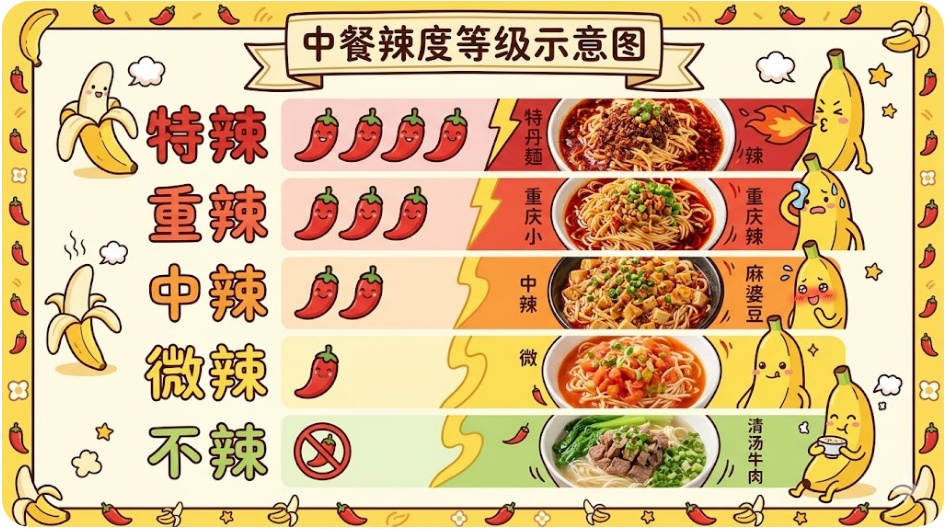
- Lá dù (Spiciness Level): Most dishes allow you to choose from “No Spice,” “Little Spice” (Wei La), “Medium Spice” (Zhong La), or “Very Spicy” (Te La). If you cannot handle heat, order Weilá—it is the standard for mild flavor.
- Jieyi (Cilantro/Parsley): Cilantro is a polarizing herb in China. You can explicitly request “No Cilantro” (Bu Yao Xiang Cai). It is safer to add this note unless you love the taste.
- Zhu Shu (Portion Size): Many dishes come with options for “Single Portion” or “Family Sharing.” If you are ordering a large bowl of noodles, check if it includes a side of meat or just vegetables.
Step 4: The Checkout and Tipping Culture
The final screen shows the total cost. In China, tipping is not mandatory. However, riders work on tight schedules. You will often see an optional button to “Add a Tip” (Jia Xian). A small amount like 1-5 RMB (approx. $0.15-$0.70) goes a long way in making the rider’s day easier, especially during rain or rush hour.
Delivery fees are transparent. You might pay between 3 to 6 RMB for standard delivery. Sometimes, if the restaurant is far away, the fee increases. Note that many apps offer free delivery promotions for orders over a certain amount (usually 25-30 RMB).
Step 5: Communicating with the Rider
Once you order, you get a real-time map of your food’s journey. The rider is assigned within minutes. You can contact them via an in-app phone call or instant message to give specific instructions.
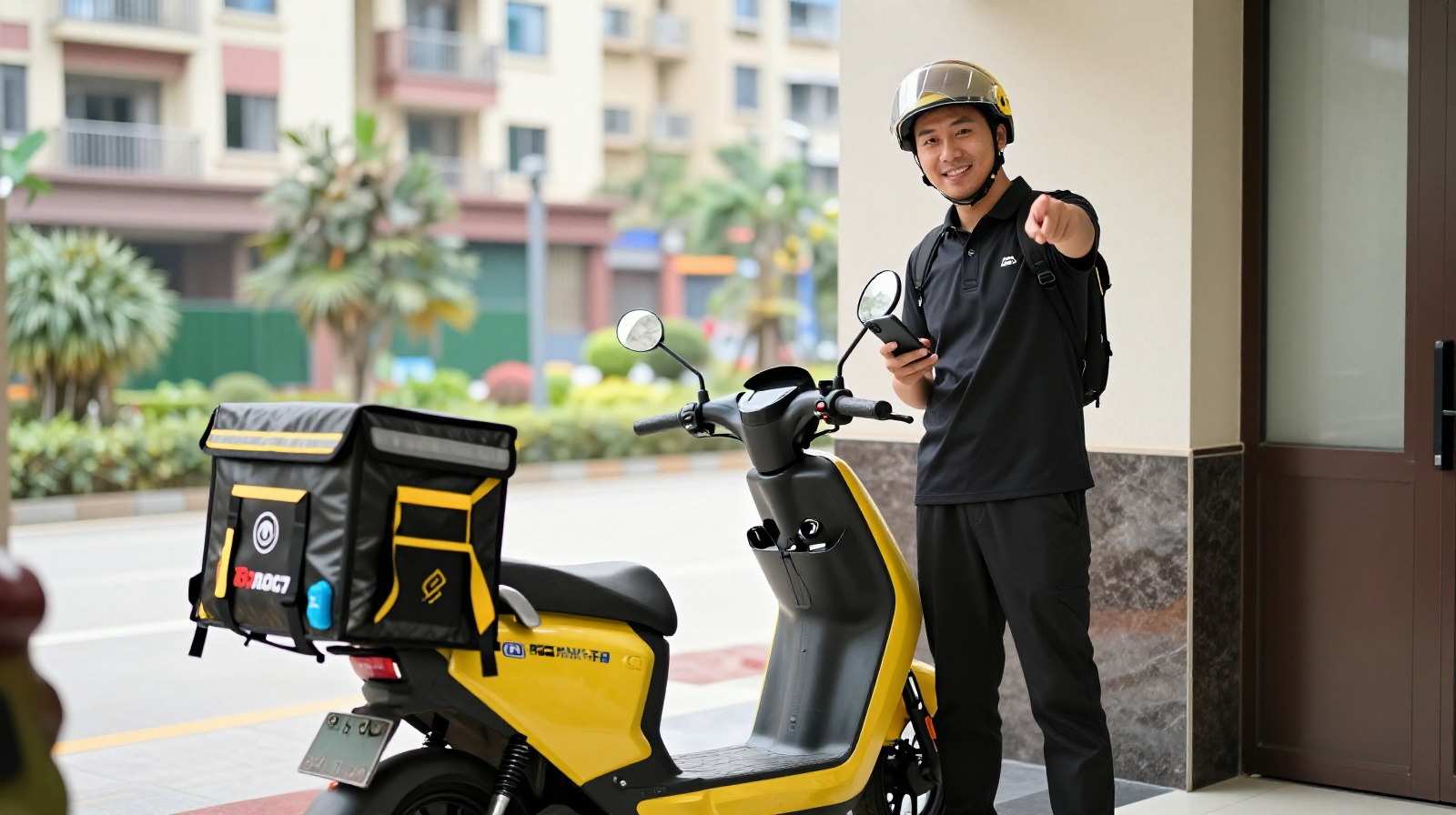
A common scenario: Your building has strict security. You might type, “Please leave it at the guard desk” (Qing fang zai baowei chu). Or, if you live on a high floor without an elevator, you can politely ask for help carrying it up (though this is not always expected).
Step 6: Avoiding Pitfalls
With over 10 million restaurants listed, quality varies. Here is how to spot a good place:
- Check the Photos: Look for user-uploaded photos rather than professional studio shots. Real food often looks messy but appetizing; fake food looks too perfect.
- Read Recent Reviews: Scroll past the 5-star ratings to find “Recent Comments” (Zui Xin Ping Lun). Ignore generic praise like “Good taste.” Look for specific complaints about hygiene or late delivery.
- Avoid Unknown Chains: Stick to established brands or highly-rated local spots. If a restaurant has thousands of orders but very few reviews, be cautious—it might be a “ghost kitchen” with no physical storefront.
The Bigger Picture
Ordering food in China is more than just eating; it is a window into the country’s digital efficiency. The system relies on a massive logistics network that moves millions of meals daily without traffic jams slowing down the process. For foreigners, mastering this skill removes a major barrier to living in Chinese cities.
It is not about the food alone. It is about the convenience. When you realize you can order a hot meal to your door in 20 minutes while sitting on a park bench or working late at the office, you understand why millions of people rely on it every day. The infrastructure is so smooth that you barely notice it—until you try to navigate without it.