


A New Kind of Employment Contract
In a quiet apartment in Suzhou, Liu Ya wakes up at 7:30 AM. She doesn’t commute to a glass-walled office or check emails on her phone. Instead, she goes to the kitchen to make porridge for her parents, then checks their blood pressure. Her employer? Her father and mother. Her job title? “Full-time child.”
For many Westerners, this sounds like a joke or a temporary pause before real work begins. But for Liu, who is 28, it is a deliberate career choice born from the intersection of China’s tight labor market and a deep family culture.

The Reality Behind the Title
“Full-time child” (全职儿女) isn’t just about staying home. It describes a growing demographic of young adults who take on caregiving roles for aging parents, often with an explicit monthly salary negotiated between family members.
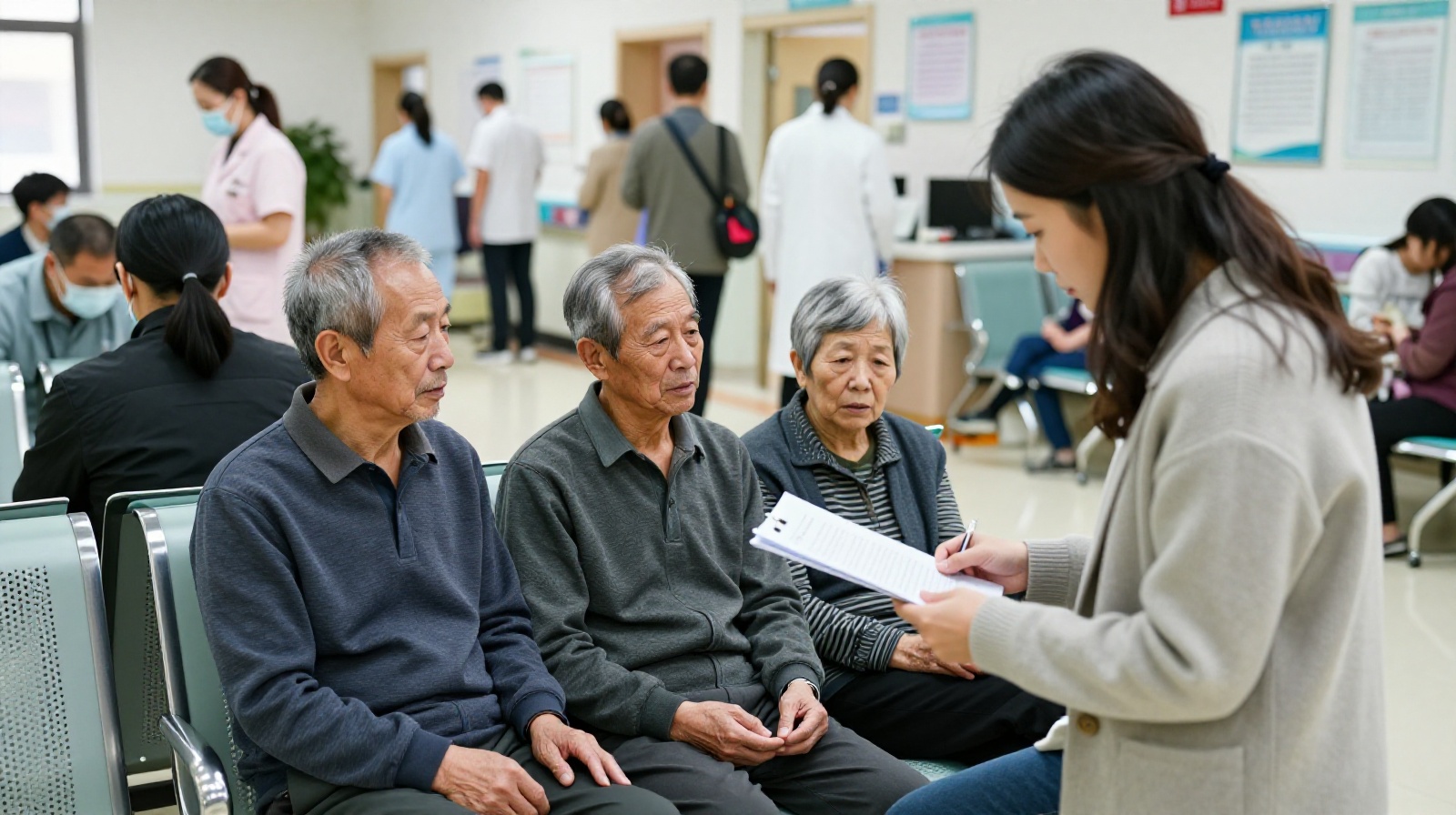
Liu’s daily routine is intense but structured. She takes her father to the hospital for his weekly check-ups, navigating the chaotic appointment systems and long queues that characterize China’s public healthcare. She cooks three meals a day, handles grocery shopping via mobile apps like Meituan, and manages their digital life—helping them fix WeChat glitches or pay utility bills online.
But the most critical part of her job is emotional labor. Her parents, both retired teachers in their late 60s, feel isolated after leaving their jobs. Liu’s “salary” isn’t just for chores; it’s a payment for companionship, patience, and the reassurance that they won’t be left alone.
The Economics of Care
Why pay a child instead of hiring a professional nurse or relying on state support? The answer lies in a unique blend of economics and emotion.
In China, the rapid aging population has outpaced the development of professional elderly care services. While nursing homes exist, they are often expensive, understaffed, or carry a social stigma that makes parents reluctant to move in. Professional caregivers can be difficult to trust with one’s most vulnerable moments.
For Liu’s family, paying her 5,000 RMB (about $700) a month is actually cheaper than hiring two part-time helpers. But more importantly, it preserves the dignity of both parties. The parents aren’t “burdening” their daughter; they are employing her. She isn’t “dependent” on them; she is working for them.
This arrangement creates a financial safety net that feels familiar to Western readers who might know the concept of “family wages,” but with a distinctly Chinese twist: it formalizes the bond between generations in an era where traditional support systems are shrinking.

Choosing Home Amidst Uncertainty
The decision wasn’t made lightly. Liu, like many of her peers, faced a brutal job market after graduating during the pandemic. Corporate layoffs were common, entry-level positions were scarce, and the pressure to secure a “stable” job was overwhelming.
When she told her parents about quitting her marketing job, there was no drama. Her father simply asked, “How much do you need to take care of us?” It turned out that for many families, the cost of caring for aging parents at home is lower than the stress and uncertainty of a precarious corporate career.
This shift challenges the Western narrative of “independence.” In the US or Europe, moving back in with parents at 28 is often seen as a failure. In China, it can be a strategic, loving choice that acknowledges the reality of an aging society and a competitive economy.

Redefining Filial Piety
Traditional Chinese culture places immense value on filial piety (xiaoshun)—caring for parents as they age. However, this was historically unpaid moral duty, not a paid profession.
The “full-time child” phenomenon modernizes this concept. It turns an invisible, emotional obligation into a visible, compensated role. This shift allows young people to care for their parents without sacrificing their own financial security or feeling like they are wasting their potential.
For Liu, the relationship has changed. She is no longer just the daughter who must obey; she is a professional providing a service. Her parents, in turn, feel respected rather than pitied. They pay her with love and money, acknowledging her contribution as real work.

A Window into Modern China
As the world watches China’s economic rise, stories like Liu’s offer a quieter, more human perspective. They show how families adapt to rapid social change, blending ancient values with modern pragmatism.
This isn’t just about money or jobs. It’s about how a society without a robust pension system for all still manages to care for its elders through the flexibility of family bonds. In a time of global uncertainty, Liu’s story reminds us that the definition of “work” and “family” is evolving everywhere, even if the details look different from what we are used to.