


The “Great Firewall” and Daily Life
For many foreigners arriving in China, the first hurdle is digital. You land in Beijing or Shanghai, eager to check your email, message family via WhatsApp, or access international news sites. But within hours, you find that Google, Facebook, Twitter (X), and YouTube are inaccessible.
This isn’t a technical glitch; it’s the result of China’s internet governance framework, often referred to internationally as the “Great Firewall.” For an expat, this creates an immediate dependency on Virtual Private Networks (VPNs) to bridge the digital divide. But here lies a common source of anxiety: Is using a VPN legal?
The answer is nuanced. It depends entirely on how you use it and who provides the service.
Clarifying the Legal Landscape
Chinese law does not explicitly ban individuals from using overseas information services for personal reasons. However, it strictly regulates the provision of these services.
According to the “Regulations on Computer Information Network International Connection Security Protection Management,” only telecommunications operators with specific licenses from the Ministry of Industry and Information Technology (MIIT) are allowed to provide international data transmission services. In practice, this means most consumer-grade VPN apps you might find online operate in a gray area—they are not officially licensed by the Chinese government.
So, is it illegal for you as an end-user? Generally, no. The enforcement focus has historically been on unlicensed providers and companies setting up unauthorized servers, rather than individual expats using VPNs to browse the web or send emails.
The Red Line: Personal Use vs. Commercial Activity
To stay safe, you must understand the distinction between personal convenience and commercial operation.
- Personal Use (Safe): Using a VPN service to access global websites for your own daily needs—checking international news, video calling relatives abroad, or accessing work emails—is widely tolerated. Millions of expats do this every day without issue.
- Commercial/Illegal Use (Risky): The law explicitly prohibits individuals and businesses from establishing unlicensed internet access service providers or acting as “gateways” for others. If you set up a server in your apartment to sell VPN connections to friends, colleagues, or the public, you are violating the law.
In recent years, authorities have cracked down on illegal operators who profit from providing these services without permission. There have been high-profile cases where individuals were fined or detained for running unauthorized “proxy servers” that allowed large groups of people to bypass internet restrictions.
Practical Risks and Best Practices
While the risk of being targeted as an individual expat is low, it is not zero. Stability is your primary concern, but legality should guide your choice of provider.
1. Avoid “Grey Market” Apps
Many free or cheap VPN apps advertised on social media are unreliable and potentially unsafe. Some may inject ads, steal data, or be shut down abruptly by authorities. Opt for established, reputable international providers that have a track record of operating in Asia. While they may not have an official MIIT license (few do), using well-known brands reduces the risk of accidental involvement in illegal operations.
2. Keep a Low Profile
Your digital footprint matters. Avoid using your VPN connection to engage in activities that violate Chinese cybersecurity laws, such as spreading rumors, inciting violence, or accessing content deemed harmful to national security. The tools are for access; how you use them must remain compliant with local regulations.
3. Understand the Limitations
During major political events or international summits, internet filtering often becomes stricter. Connections may become unstable or slow down significantly. This is a normal operational reality in China, not necessarily a sign that you have been flagged. Patience and adjusting your expectations are key.
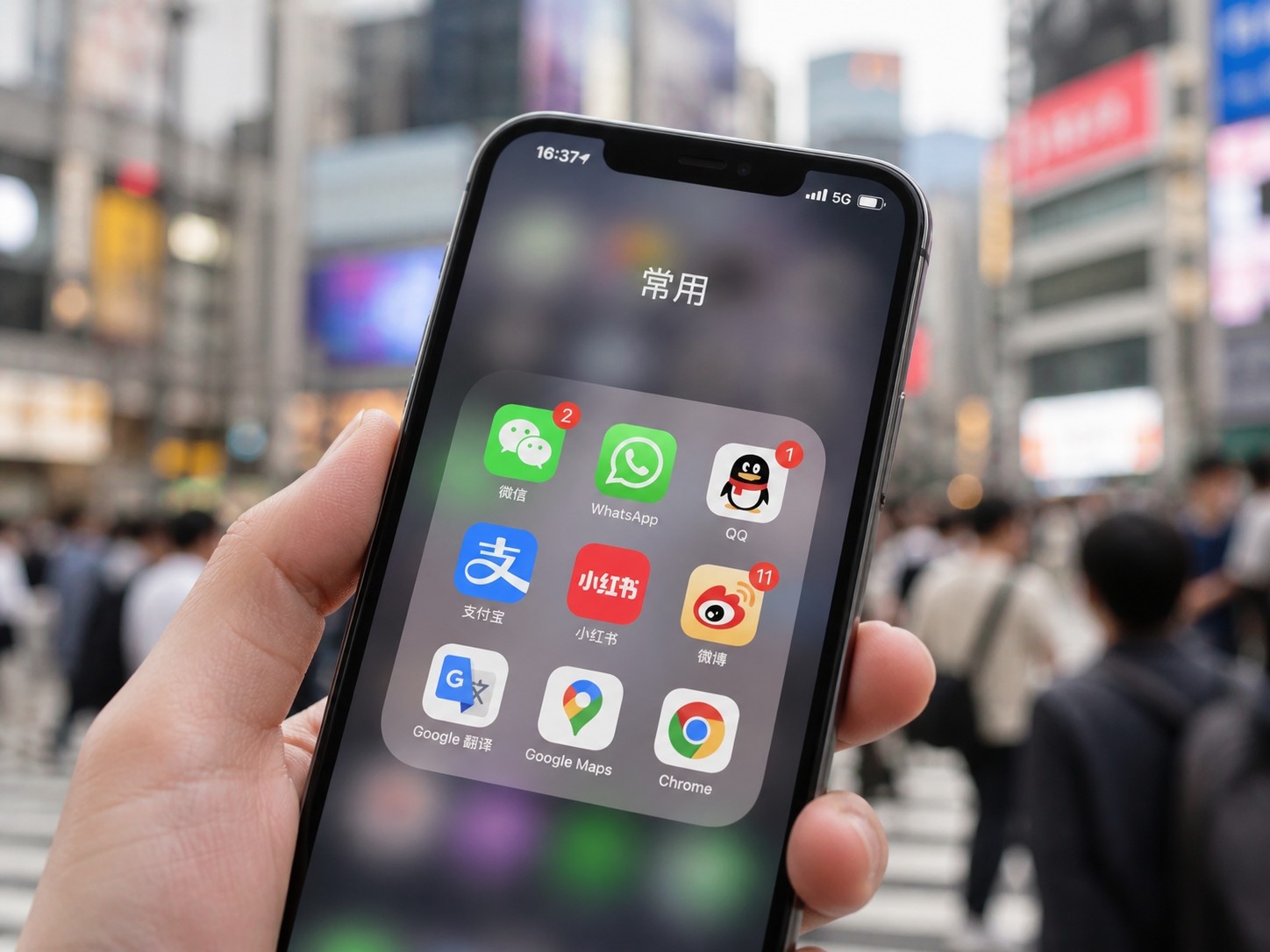
Navigating the Local Digital Ecosystem
While VPNs are essential for global connectivity, integrating into China’s domestic digital ecosystem is crucial for daily life. The “walled garden” of Chinese apps has created a unique digital lifestyle that expats should embrace.
- WeChat (Weixin): It is not just a messaging app; it is your wallet, ID card, and social hub. Paying for groceries, hailing taxis, and booking appointments all happen within WeChat.
- Alipay: Essential for transactions where WeChat isn’t accepted.
- Douyin & Little Red Book (Xiaohongshu): These are the Chinese equivalents of TikTok and Instagram. They offer a window into local trends, food culture, and lifestyle advice that international platforms cannot provide.
Learning to rely on these domestic tools reduces your dependence on unstable international connections for everyday tasks.
Conclusion: Compliance as the Baseline
Using a VPN in China is not inherently illegal, but it exists within a regulated framework. The key to a smooth experience is understanding that the restriction applies to the infrastructure providers, not necessarily the end-users.
Stick to reputable services, avoid any commercial activity involving data resale, and remain mindful of local content guidelines. By staying compliant, you can enjoy the benefits of global connectivity while fully participating in life in modern China.