
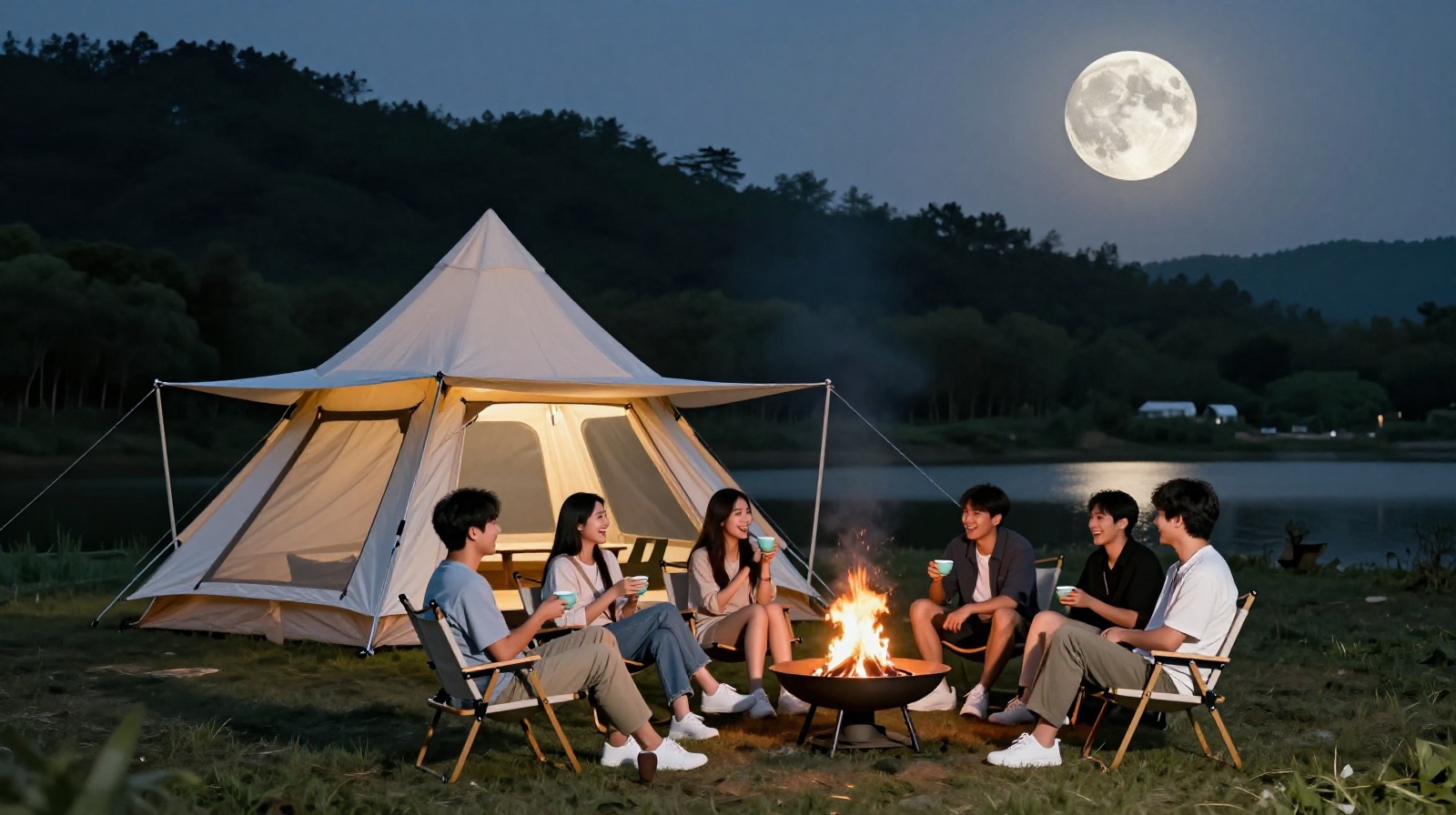

The Shift from Table to Tent
For centuries, the Mid-Autumn Festival in China meant one thing: a large, often overwhelming, family dinner centered around a round table and mooncakes. But last week, as the full moon rose over Beijing, I didn’t find Li Wei at his parents’ dining table. Instead, I found him 40 kilometers outside the city, sitting on a folding chair in a forest campsite.
“Dinner with my parents is nice,” Li Wei, a 28-year-old software engineer, told me while unpacking a portable gas stove. “But for the holiday, I want to breathe. I don’t want to be asked why I’m still single or when I’m getting promoted. I want to look at the moon, not the clock.”
This is a quiet revolution in Chinese holiday culture. The traditional focus on *reunion* (tuan yuan) is no longer strictly tied to physical proximity with relatives. For many young urbanites, reunion now means spending quality time with friends who “get” them, even if that means sleeping under the stars.
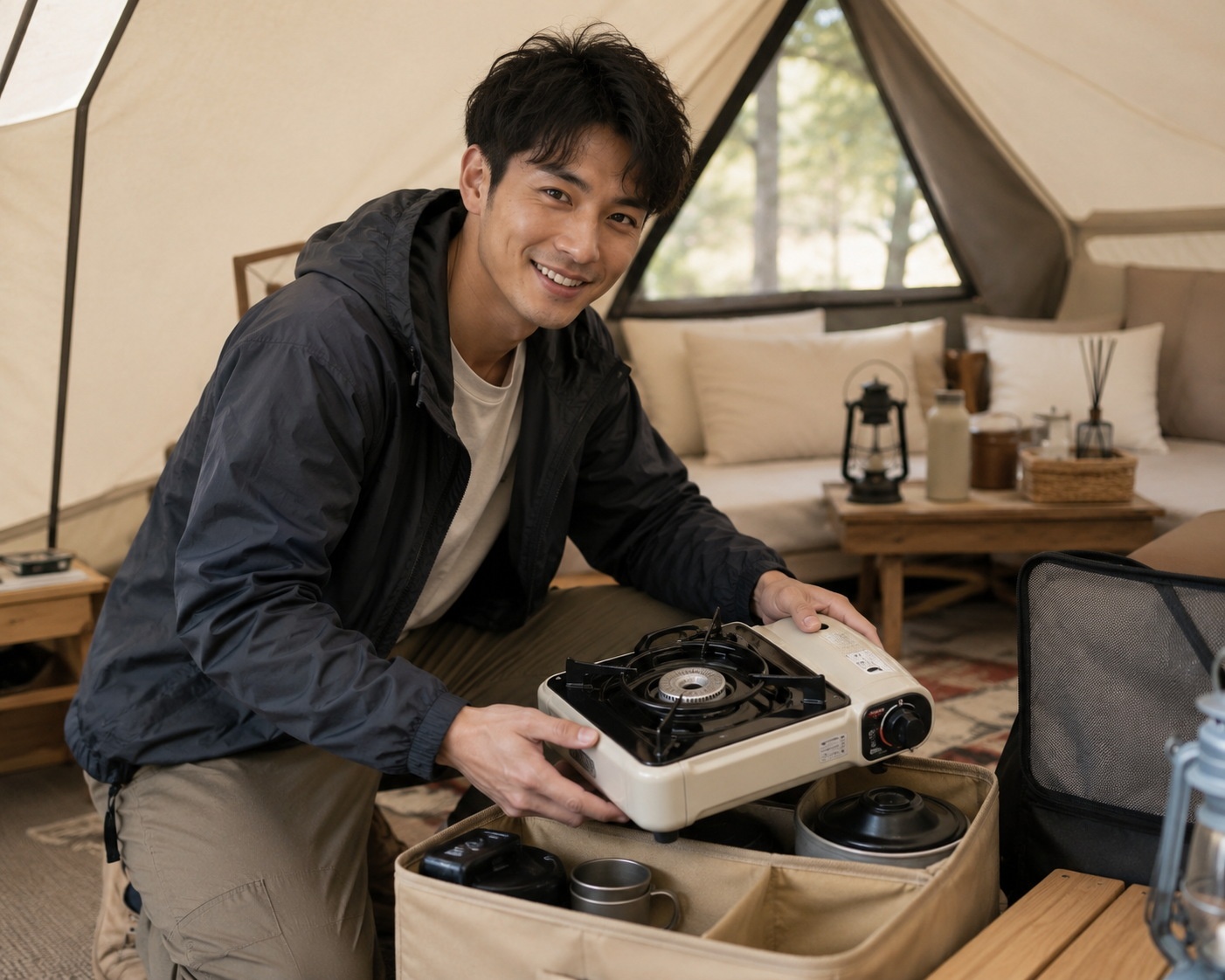
The Rise of ‘Glamping’ Culture
Li Wei wasn’t alone. The campsite near Beijing’s Miyun Reservoir was packed with tents ranging from basic nylon shelters to high-end “glamping” setups. Glamping—short for glamorous camping—has become the dominant way young Chinese celebrate outdoor holidays.
Unlike traditional backpacking, glamping in China is highly curated. You pay for a pre-pitched tent, often equipped with air conditioning, comfortable mattresses, and even private bathrooms. The cost ranges from $30 to $100 per night, depending on the location and luxury level. It’s affordable for urban professionals but expensive enough to feel like a special escape.
The vibe is less about survival skills and more about social aesthetics. Groups of four or five friends set up their “living rooms” in the woods. They bring portable espresso machines, artisanal coffee beans, and specialized tea sets. The goal isn’t just to see nature; it’s to curate a beautiful, Instagram-worthy moment in nature.
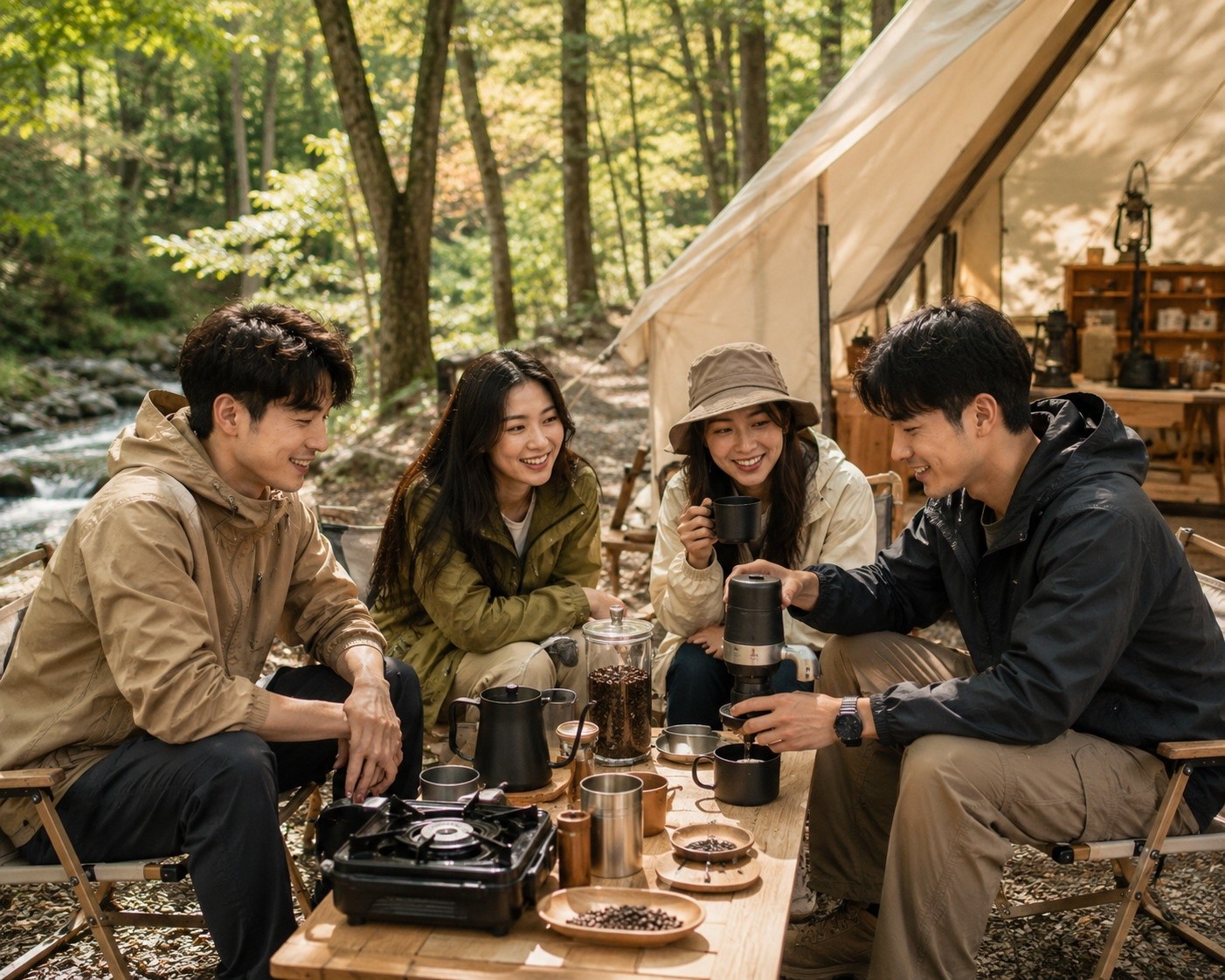
Tech-Enabled Traditions
What makes this modern camping trend distinctively Chinese is the seamless integration of technology. In the West, camping often implies disconnecting. In China, it’s about connecting differently.
Before arriving, Li Wei and his friends used the Xiaohongshu (Little Red Book) app to find the perfect spot. They followed tutorials on how to brew tea over a campfire and where to buy the most photogenic portable lanterns. WeChat mini-programs handled everything from renting the tent to ordering fresh seafood delivery directly to the campsite.
“We didn’t bring food,” said Zhang Na, a 26-year-old marketing specialist, laughing. “We ordered it. The supplier brought charcoal, skewers, and beer right to our tent door. It’s like having a restaurant in the forest.”
This reliance on apps reflects a broader shift in Chinese consumption. Young people are willing to pay for convenience and experience rather than just ownership. They use technology not to escape life, but to optimize their leisure time.
New Rituals, Same Roots
Despite the modern gear, the core spirit of the Mid-Autumn Festival remains intact. At 8 PM, as darkness fell, Li Wei’s group gathered around a small fire pit. They didn’t eat the heavy, sweet mooncakes that dominate supermarket shelves in September. Instead, they ate savory mooncakes filled with salted egg yolk and fava beans, or lighter options like lotus seed paste.
They lit small, portable lanterns—some shaped like rabbits, others like modern geometric designs—and placed them on the ground. They drank warm tea from thermoses and talked about everything and nothing. The heavy, formal atmosphere of a traditional family banquet was replaced by a relaxed, egalitarian camaraderie.
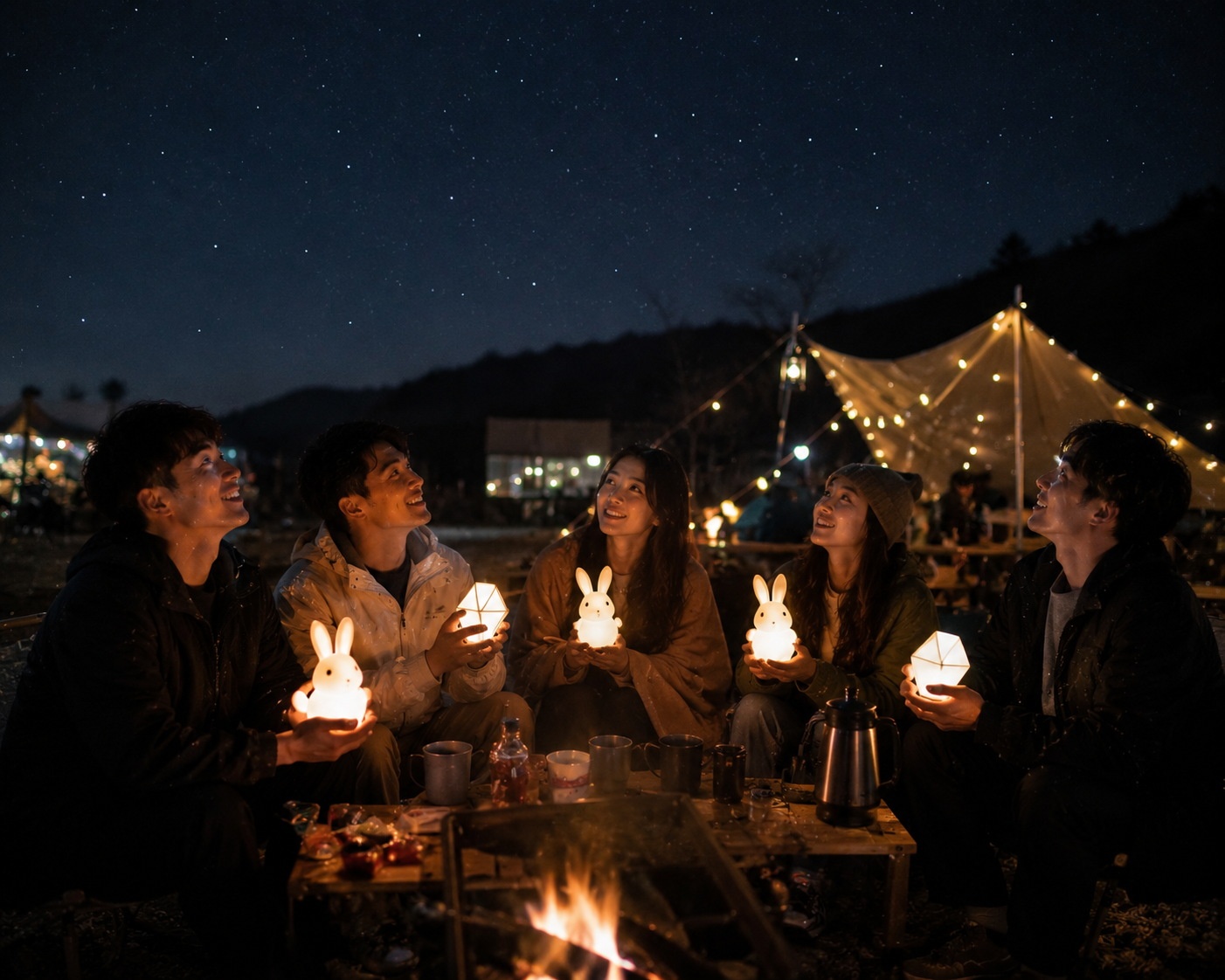
A Snapshot of Urban Escape
This trend reveals a lot about the life of China’s post-90s generation. These young adults grew up in a period of rapid economic growth but now face intense workplace competition (known as “involution” or *neijuan*). The Mid-Autumn Festival has become a rare opportunity to hit the pause button.
Camping offers a controlled escape. It’s close enough to the city to be accessible, yet far enough to feel separate. It allows for socialization without the pressure of familial expectations. For many, it’s not just a holiday; it’s a necessary mental health break.
As Li Wei looked up at the moon, he smiled. “The moon is the same as it was 2,000 years ago,” he said. “But how we look at it has changed. We’re not just honoring the past. We’re making space for ourselves.”
In this shift from table to tent, we see a new Chinese identity emerging: one that values authenticity, mental well-being, and personal choice over rigid tradition. The mooncakes are still there, but they’re no longer the main course.