

The Green Counter in a Digital Age
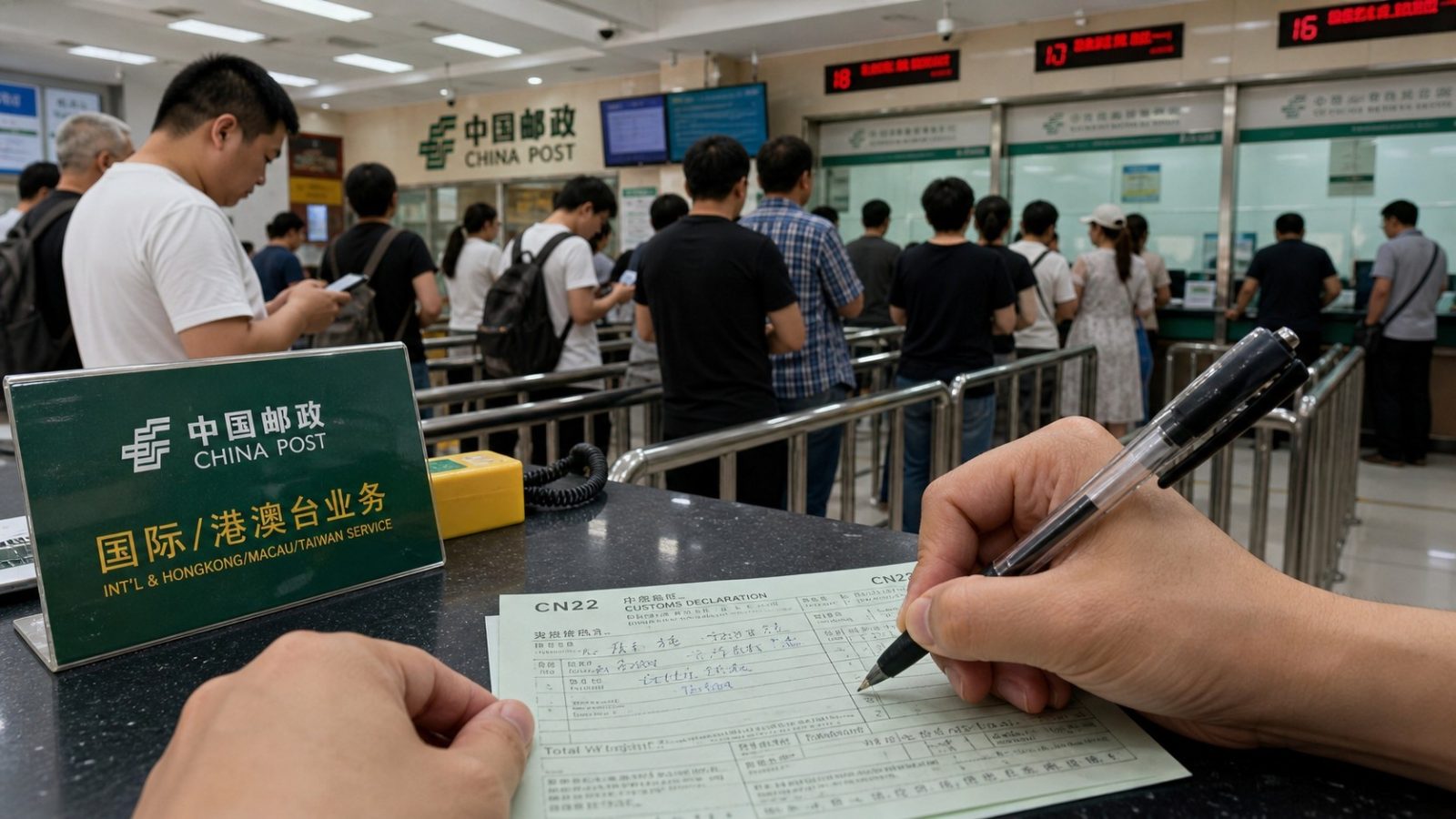
It is 9:00 AM on a Tuesday. Inside the China Post branch near my apartment, the air smells faintly of toner and wet cardboard. A long queue snakes around the metal barriers. Unlike the sleek, automated drop-off points used by SF Express or JD Logistics—where you simply scan a QR code and leave—the traditional post office feels like a relic from another era. Yet, for anyone trying to send a physical postcard home or ship a lightweight package abroad without breaking the bank, this green-painted counter remains indispensable.
While private couriers dominate China’s domestic logistics with impressive speed, their international services are often priced at a premium, comparable to DHL or FedEx. If you want to mail a handwritten letter, a stack of photos, or a few books to Europe or North America, the postal system is your only viable option for affordable shipping. It is slow, it is bureaucratic, but it is the bridge that connects China’s everyday life with the rest of the world.
Finding Your Way: The Green Network
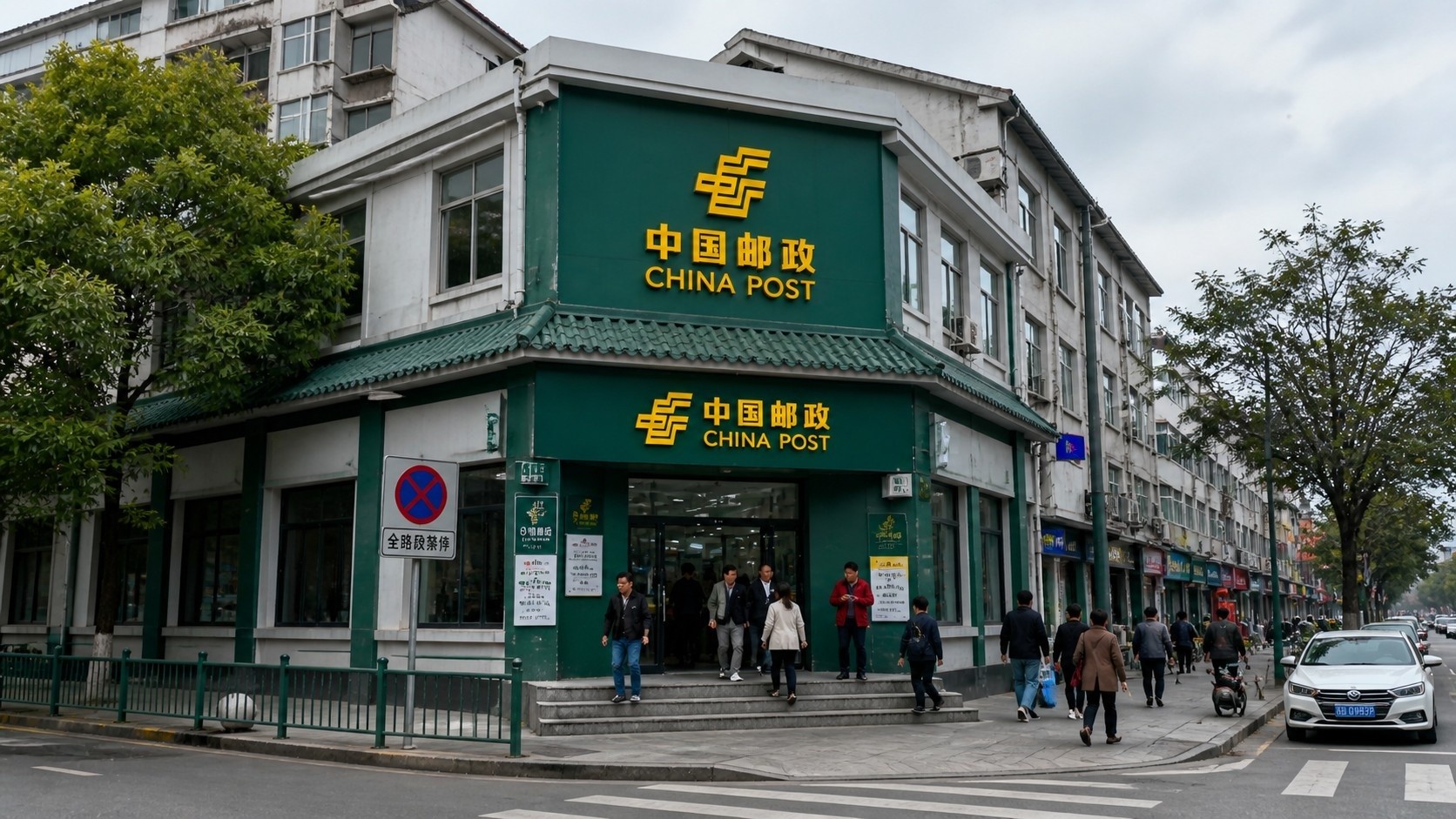
The first step is finding a branch that handles international mail. Not all post offices do. Many smaller community branches, often marked by a simple green sign, only handle domestic parcels and bill payments. You need to look for the larger “Central Post Office” (Youzheng Juzhu) or branches explicitly marked with an international service window.
In major cities like Beijing, Shanghai, or Shenzhen, these are usually located in city centers or near major transportation hubs. In smaller towns, check if the main post office on the primary street has the bilingual signage. The operating hours can be deceptive; while domestic windows may close at 5:30 PM, international counters often shut down an hour earlier to process paperwork. Arrive before noon to be safe.
The Paperwork: Decoding the Customs Form
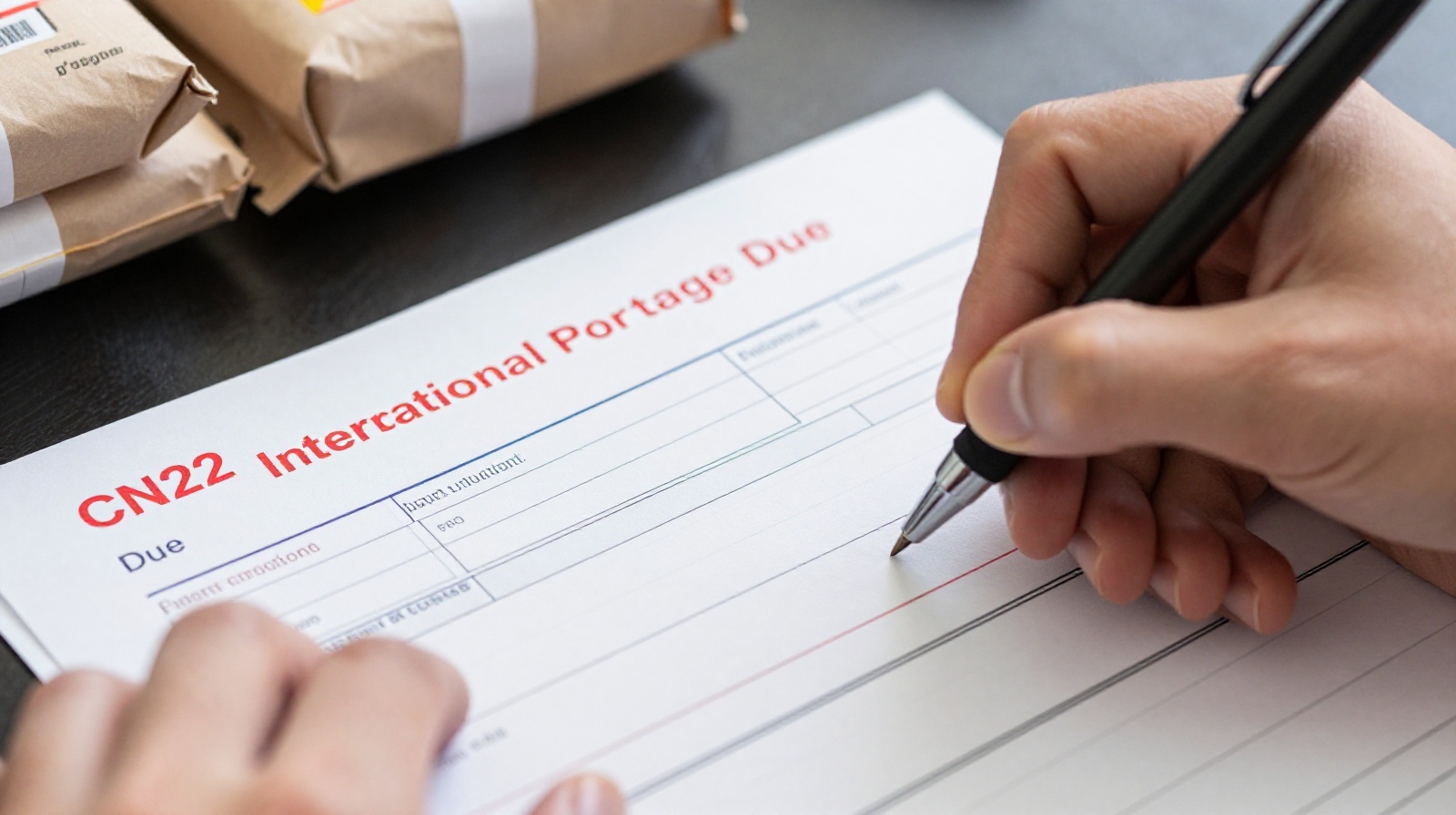
Once you are in line, the most daunting part begins: the customs declaration form (CN22). This is where many travelers and even locals make mistakes that lead to delayed packages or returns. The form requires you to describe your items in English.
The golden rule is specificity. Do not write “Gift” or “Goods.” Write “Cotton T-shirt,” “Ceramic Mug,” or “Travel Guide Book for Yunnan Province.” Vague descriptions trigger customs inspections, which can delay your package by weeks. Be honest about the value. If you are sending a second-hand item, declare its realistic market value in RMB, then convert it to USD or EUR on the form. Under-declaring value is considered fraud; over-declaring means higher taxes for your recipient.
Postcards vs. Packages: Speed and Cost
Sending a postcard is straightforward. You buy a stamp (available at the counter or machine), write your message, and drop it in the blue collection box outside or hand it to the clerk. The cost is minimal—around 20 RMB for international air mail—but expect it to take 3 to 8 weeks to arrive. It’s not for urgent communication; it’s a tangible artifact of travel.
For packages, you have two main choices: International Surface Air Lift (SAL) and Standard International Parcel. SAL combines sea freight for the long-haul journey and air freight for the final leg. It is cheaper but slower. Standard parcel is faster but more expensive. Both go through customs in both countries. If you are sending electronics, be aware that some items may require additional inspection or documentation.
Real-World Expectations: Delays and Returns
The reality of international postal service is that it is not a closed loop. Once your package leaves China, it enters the mail system of another country. A “delivered” status might mean it arrived at a local sorting center in Germany or the US, but final delivery depends on their local infrastructure.
Common issues include mislabeling due to handwritten address errors or customs holds for prohibited items (like batteries or certain foods). Always keep your receipt with the tracking number. While China Post’s online tracking can be spotty once the package leaves Chinese soil, you can often follow it using third-party international tracking tools.
Why It Still Matters
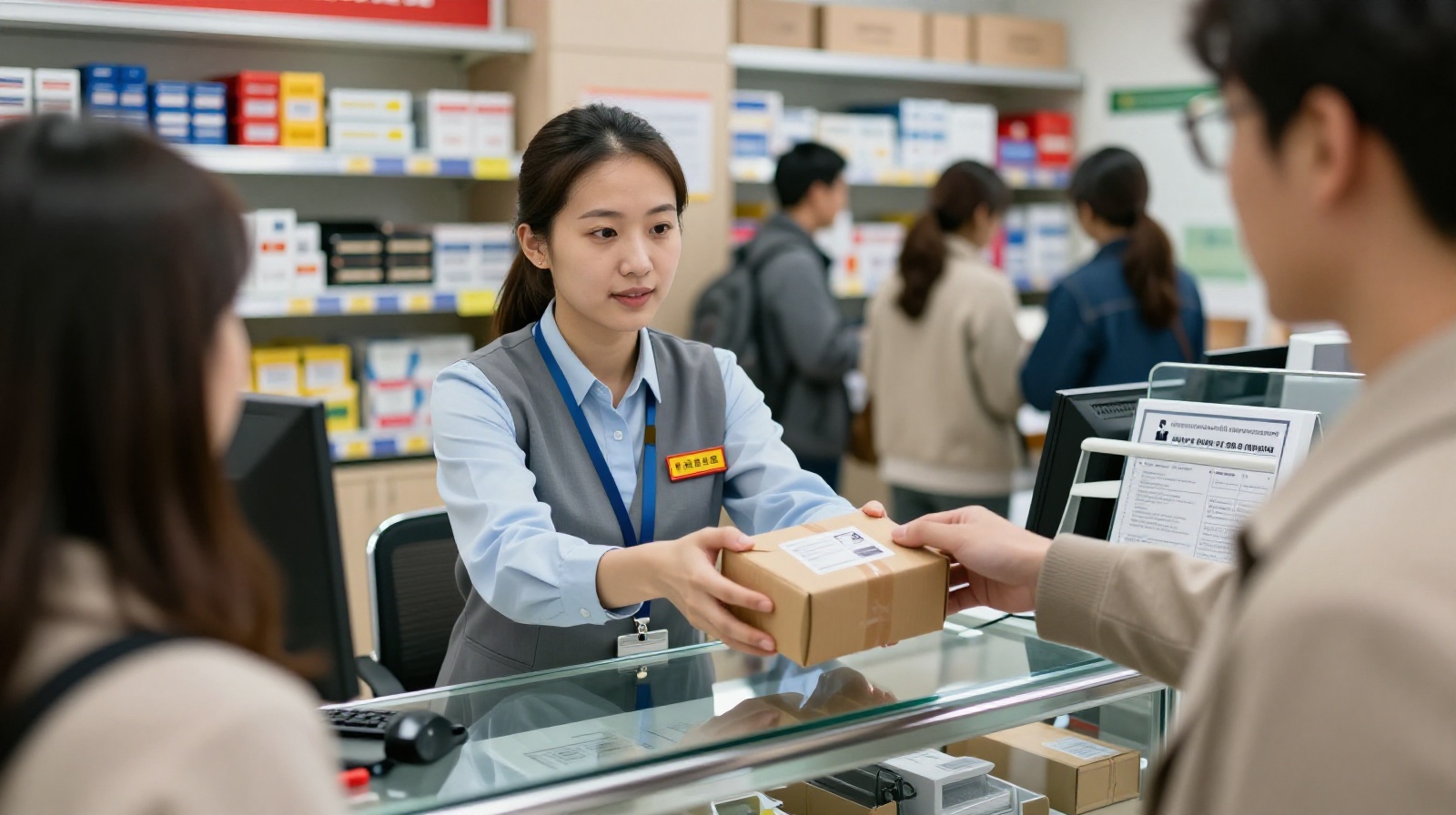
In an age of instant messaging and digital invoices, sending a physical item from China feels anachronistic. But there is a tangible warmth to it. The green post office, with its weary clerks and endless queues, is a place where the abstract concept of “globalization” becomes personal. It is where you send a taste of home to a friend abroad, or receive a piece of Chinese culture in return. Mastering this process doesn’t just save money; it connects you to the slow, steady rhythm of global exchange.