
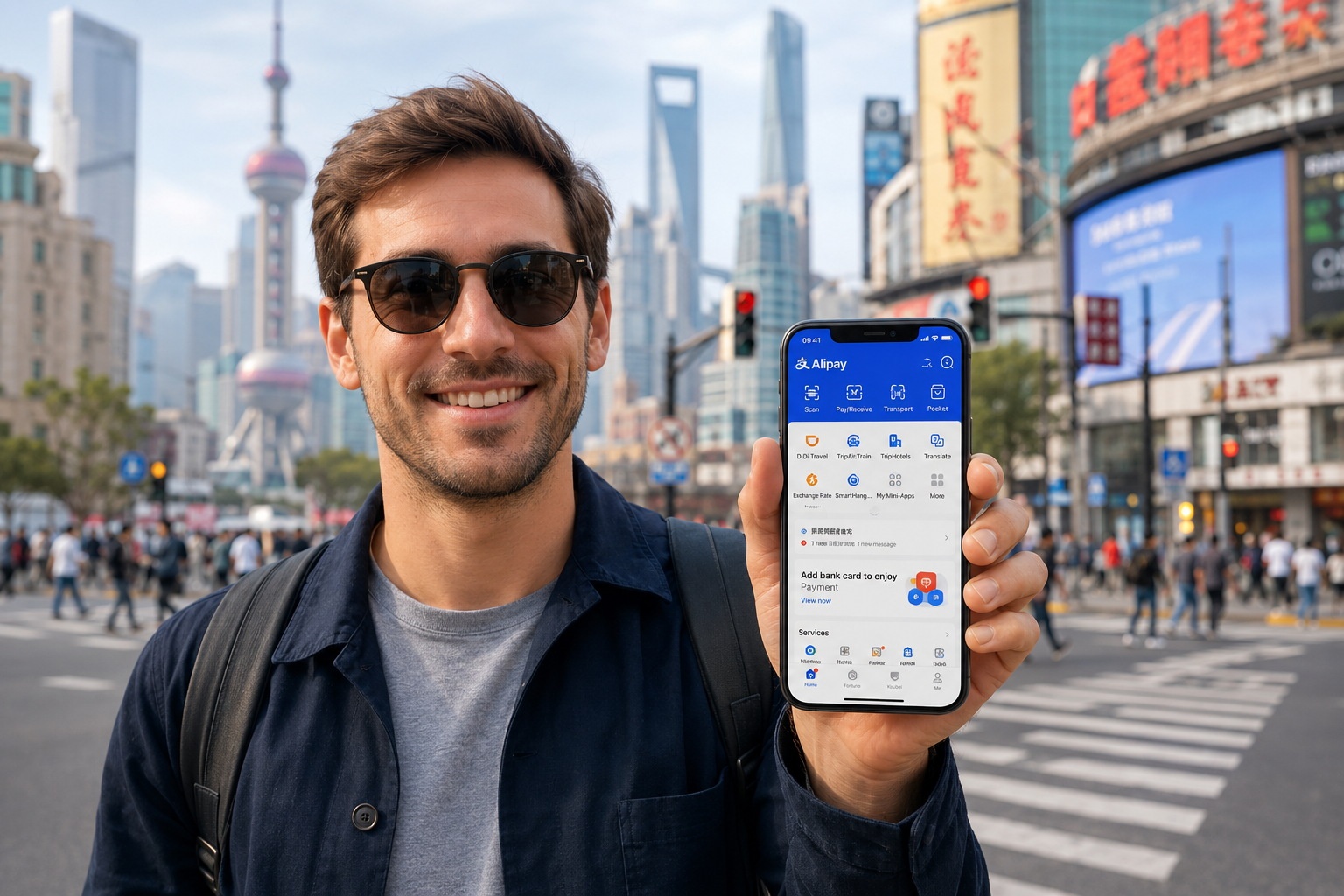

The Digital Reality of Chinese Renting
If you are new to renting in a Chinese city like Shanghai, Beijing, or Shenzhen, the first thing you will notice is not just the price, but how it is paid. In many Western countries, rent is often due on the 1st of the month via bank auto-debit or check. In China, the system has leapfrogged traditional banking for most transactions. Today, over 90% of urban residents use mobile wallets—primarily WeChat Pay and Alipay—for daily expenses.
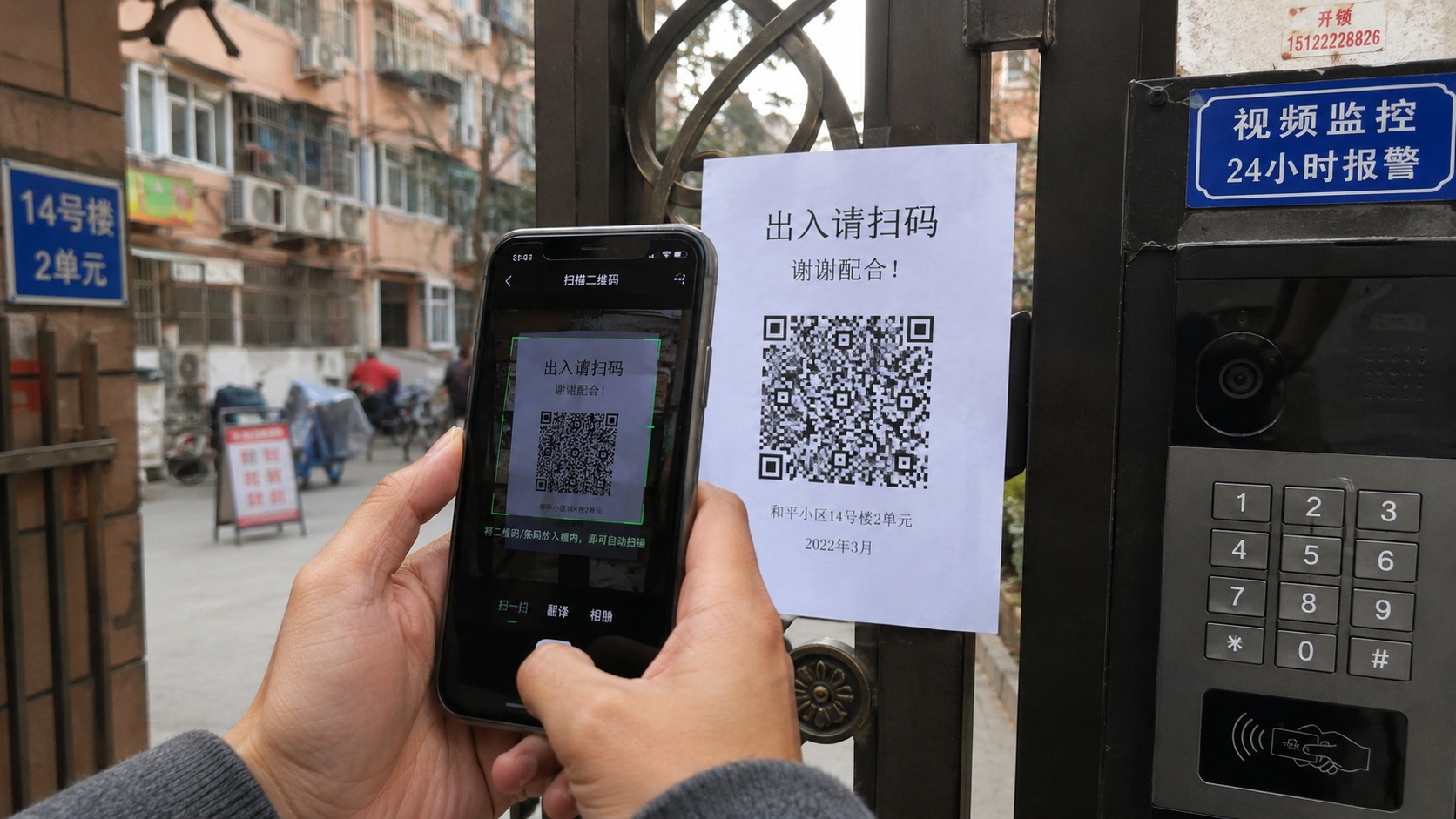
This shift isn’t just about convenience; it’s structural. Landlords, even in high-end residential complexes, rarely accept cash or international credit cards directly for rent. They expect payment through QR codes linked to their personal or business bank accounts. For a foreigner, this can feel like entering a closed loop. However, once you understand the flow, it is faster and more transparent than most Western banking systems.
Understanding Payment Cycles: The “Deposit One, Pay Three” Rule
Before setting up your payment apps, you must understand the standard rental contract terms. Unlike the common “pay monthly” model in Europe or North America, Chinese landlords typically prefer larger upfront payments to ensure tenant stability.
- Danjia (Deposit One): You pay a refundable security deposit equal to one month’s rent.
- Fusansuo (Pay Three Months at Once): You pay three months of rent in advance. This cycle repeats every quarter.
This “deposit one, pay three” structure is the industry standard for long-term leases (1 year+). Some landlords may accept quarterly or even annual payments, especially in competitive markets like Shanghai’s Jing’an district. Annual payment often comes with a 5-10% discount, making it financially attractive if you have the liquidity.

How to Pay Rent via WeChat and Alipay
To pay rent digitally, your phone needs two things: a linked Chinese bank card (or an international card that supports these platforms) and a verified account. Here is how the process works in practice.
Step 1: Linking Your Bank Card
Alipay and WeChat Pay both support linking international Visa, Mastercard, and JCB cards. However, for rent payments, it is often smoother to use a domestic Chinese bank card linked to your account. If you are a long-term resident, open an account at a major bank (ICBC, China Construction Bank, or Bank of China). Bring your passport and residence permit to the branch.
Step 2: The Transfer Process
When rent is due:
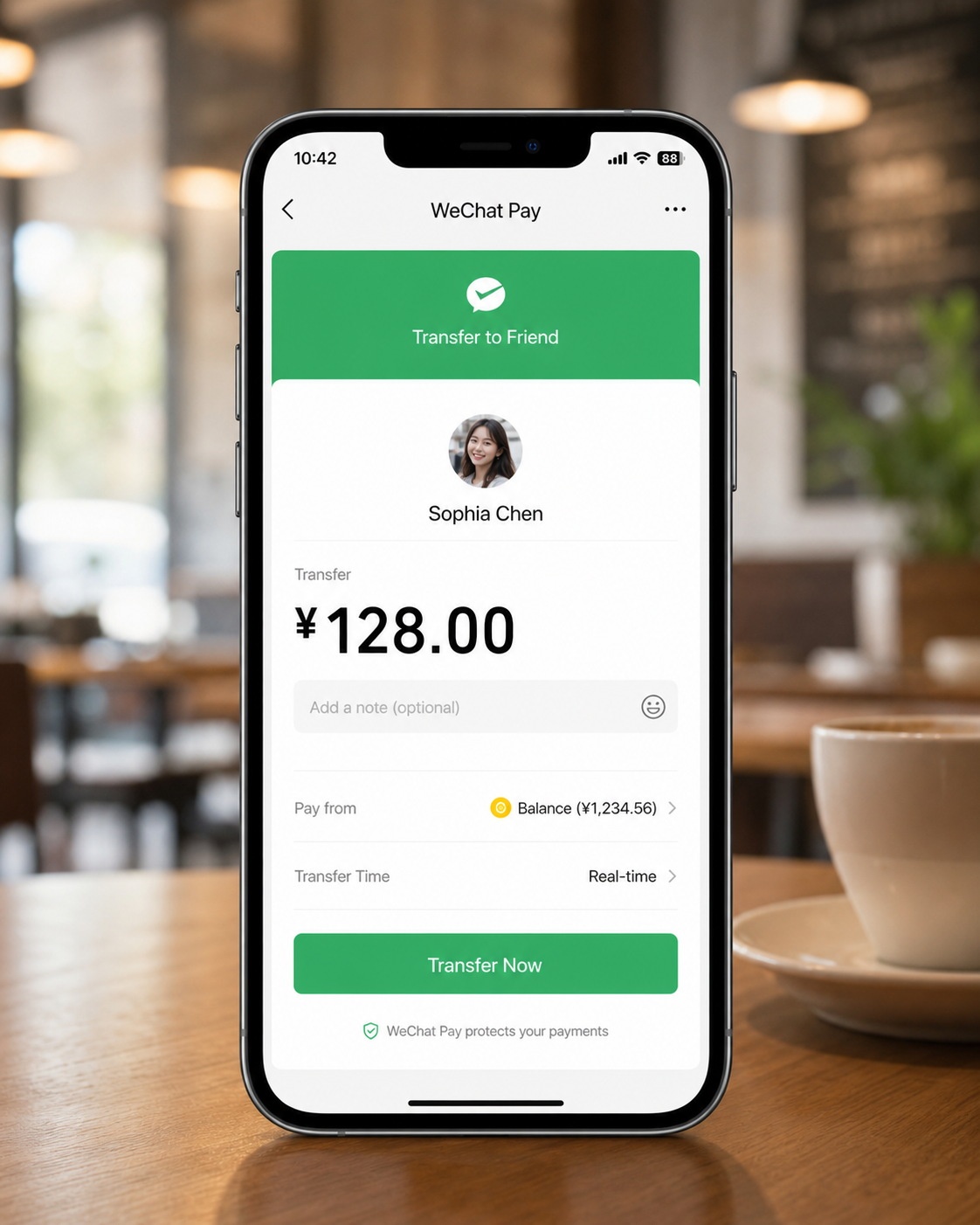
- WeChat Pay: Go to “Me” > “Services” > “Money” > “Transfer.” Ask your landlord for their WeChat ID or scan the QR code provided in your lease agreement. Enter the amount and add a note like “Rent May-July.”
- Alipay: Tap “Transfer” on the home screen. You can search by phone number, Alipay ID, or scan the landlord’s QR code. Confirm the recipient’s name (it will show part of the real name for security) before sending.
Automating Payments and Setting Reminders
Missing a rent payment can lead to penalties or eviction. While neither app offers a true “direct debit” from your bank for peer-to-peer transfers, you can create effective workarounds.
- Alipay Bill Reminder: Use the “Remind” feature in Alipay to set a recurring notification 3 days before rent is due. You can also use the “Auto-Deduct” service if your landlord has enabled it for specific utility bills, but for manual rent transfers, a calendar reminder linked to the app’s payment page is best.
- WeChat Bill Helper: Use WeChat’s built-in “Bill Helper” mini-program. You can create a shared expense list with your roommates or set up a monthly recurring note that links directly to the transfer screen.
The key is discipline. The transaction history in both apps serves as your legal receipt, which is crucial for disputes.
Paying Utilities: Water, Electricity, Gas, and Internet
Unlike in some Western countries where a single bill covers everything, China splits utilities into separate services. Fortunately, paying them is seamless via mobile apps.
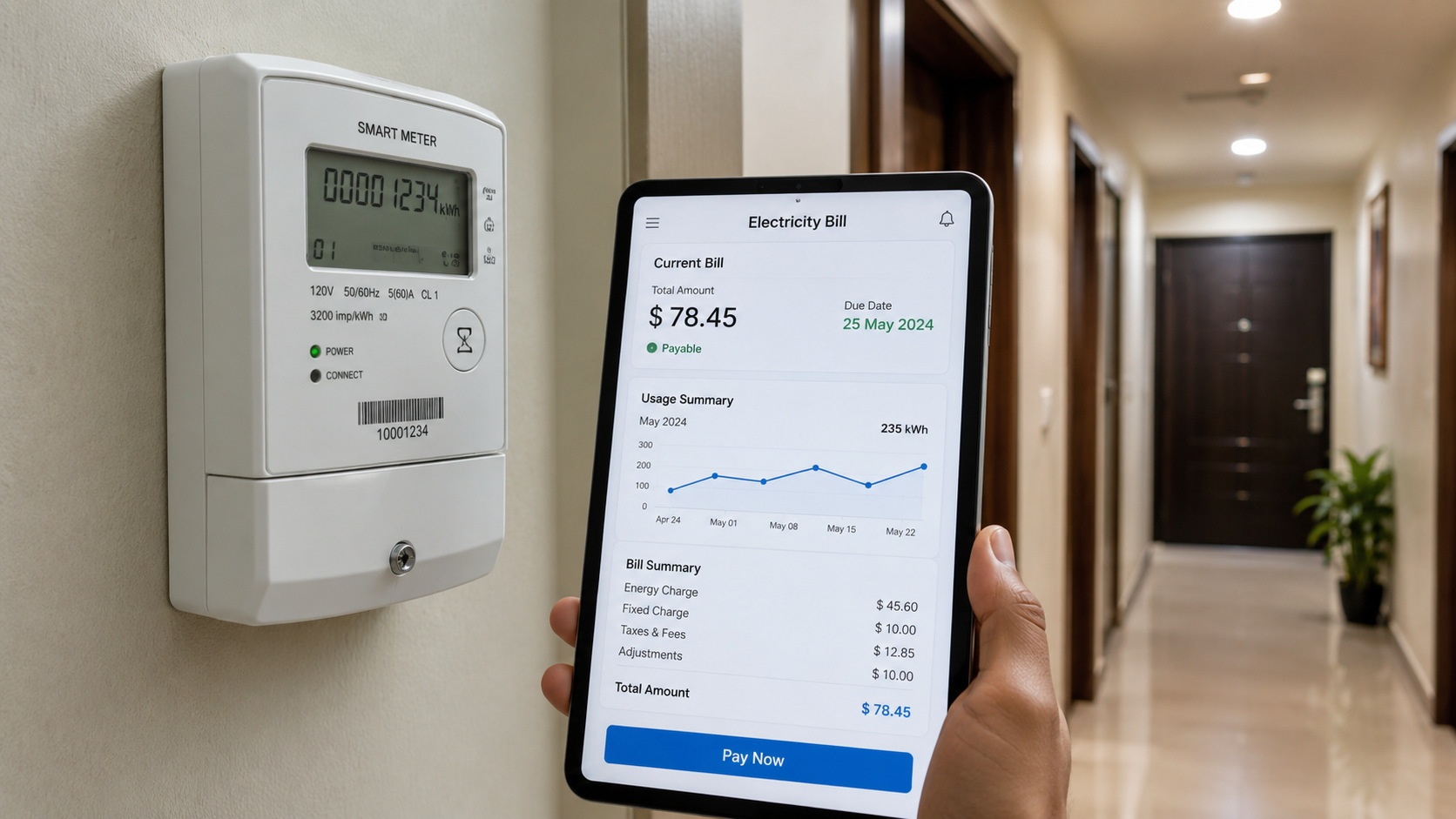
- Electricity & Gas: Most apartments have smart meters. Download the “State Grid” (for electricity) or your local gas company’s app (e.g., Beijing Gas). These apps link to Alipay/WeChat for instant top-ups. If you run out of power, it can be cut off within minutes, so keep an eye on balances.
- Water & Internet: Water bills are often lower and may be included in property management fees (Wuye). Internet is usually contracted directly with providers like China Telecom or China Unicom. You can pay these via the “Utility Bills” section in Alipay by entering your account number.
Protecting Your Deposit: The Paper Trail
The biggest anxiety for foreigners is getting their deposit back. In China, verbal promises mean little; digital records are everything.
- Always Transfer via App: Never pay rent in cash if you can avoid it. Cash leaves no trace. Use WeChat or Alipay so that the transaction record shows the date, amount, and recipient.
- Add Notes: In the transfer remark section, always type “Rent for [Address] – [Month/Period].” This links the money to your lease agreement.
- Screenshot Everything: At move-in, take photos of the apartment condition. Save all chat logs with your landlord regarding maintenance or deposit terms. If a dispute arises, these digital footprints are admissible evidence in mediation.
What If You Can’t Use Digital Payments?
If you are staying for less than three months and cannot link a card, some landlords may accept cash or direct bank transfers (Wire Transfer). However, this is becoming rare. Direct bank wires to personal accounts can be flagged by banks for anti-money laundering checks, causing delays.
For short-term stays, consider serviced apartments or platforms like Ziroom, which often have English interfaces and accept international credit cards via third-party payment processors. But for long-term independence, mastering Alipay and WeChat is not optional—it is the key to navigating life in China.