
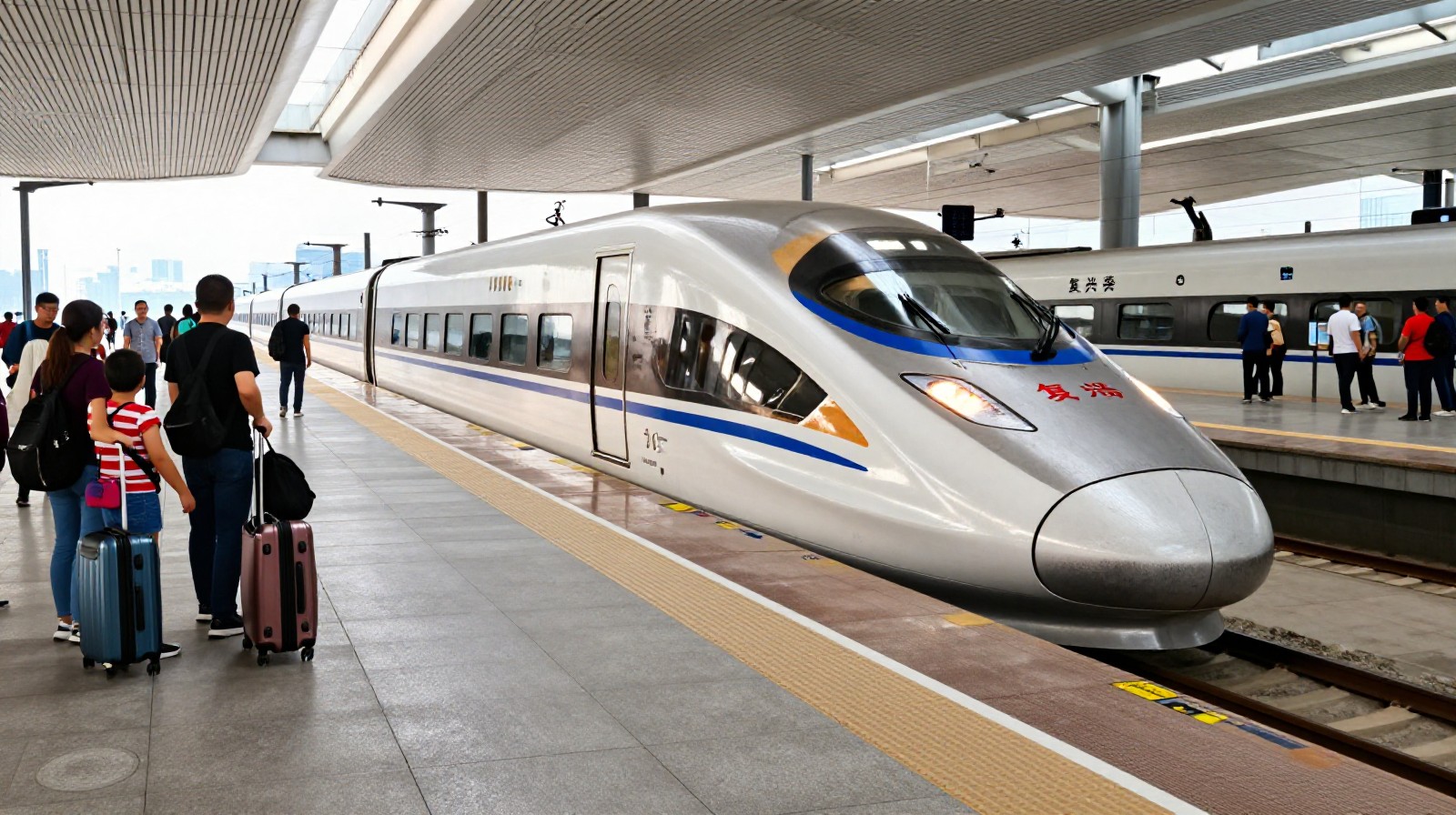

The 1:45 PM Departure
The air in the Shanghai Hongqiao station is cool and smells faintly of coffee and floor wax. It’s a Friday afternoon, but the terminal hums with the energy of families heading out for short escapes. A father pushes a stroller through the crowd while his daughter points at the departure board. The number flashing above isn’t just a gate; it’s a promise that she will see pandas in Chengdu by Saturday dinner.

For many, this trip seems impossible to plan from abroad due to language barriers or complex maps. In reality, it is as routine for a Chinese family as a drive to the beach might be elsewhere. The Shanghai to Chengdu route covers about 1,740 kilometers (1,080 miles). A high-speed train cuts this journey down to roughly six and a half hours.
Booking Without Barriers
The first step is always digital. Before leaving home, the family uses WeChat or Alipay to book tickets. There are no long queues at ticket windows anymore; everyone has a smartphone app with English language support available for international visitors.
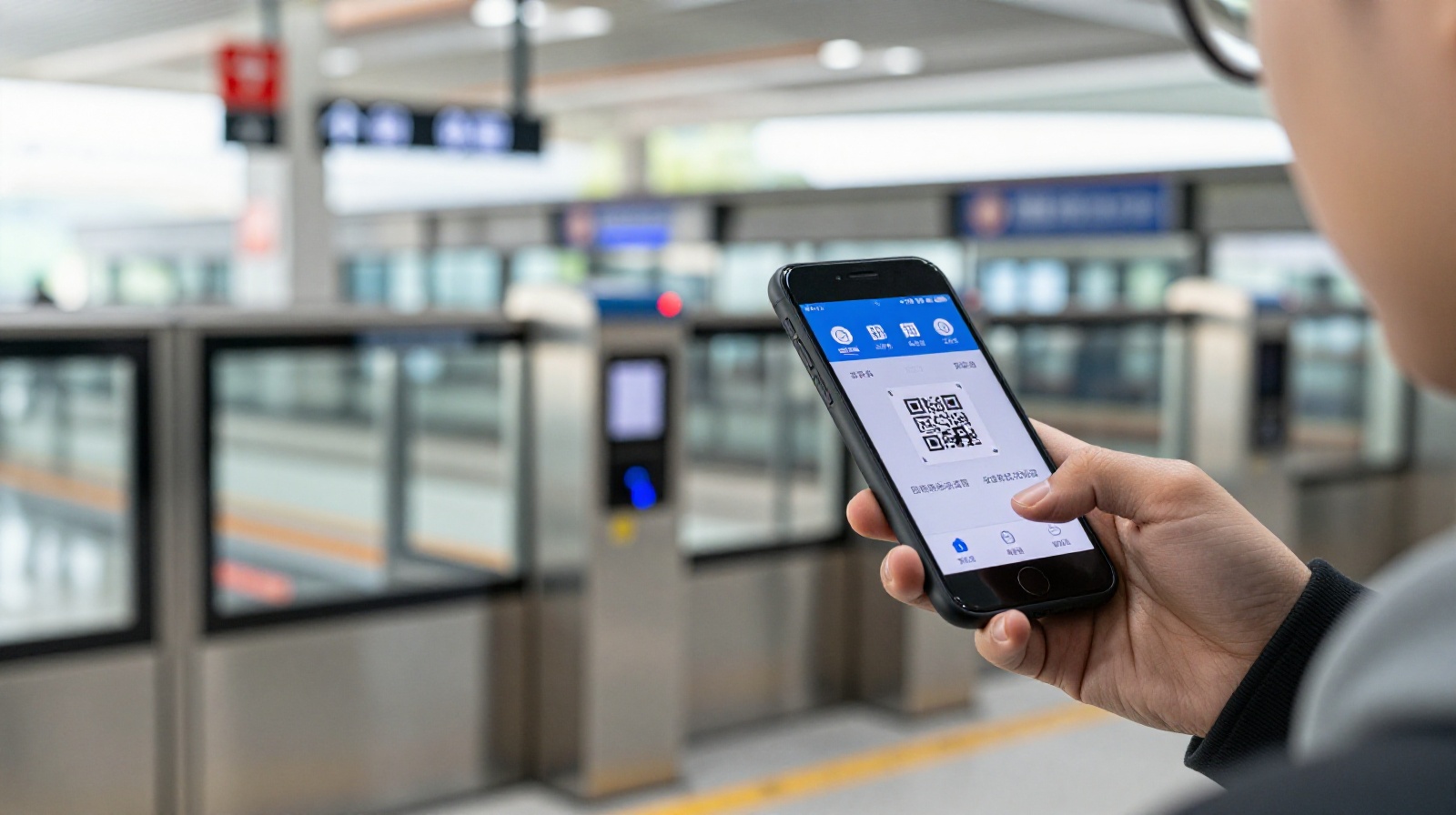
Once inside the station, you don’t need a physical ticket. A QR code on your phone and a passport scan at the gate are all that’s needed. The system is seamless. As you walk through the automated gates, they open instantly, guided by the sound of a soft chime.
The Cabin Experience
Inside the carriage, it feels like a modern lounge rather than a traditional train. The seats are wide, arranged two-by-two on one side and three-by-three on the other for standard class. The cabin is quiet; passengers speak in hushed tones or listen to music through headphones.
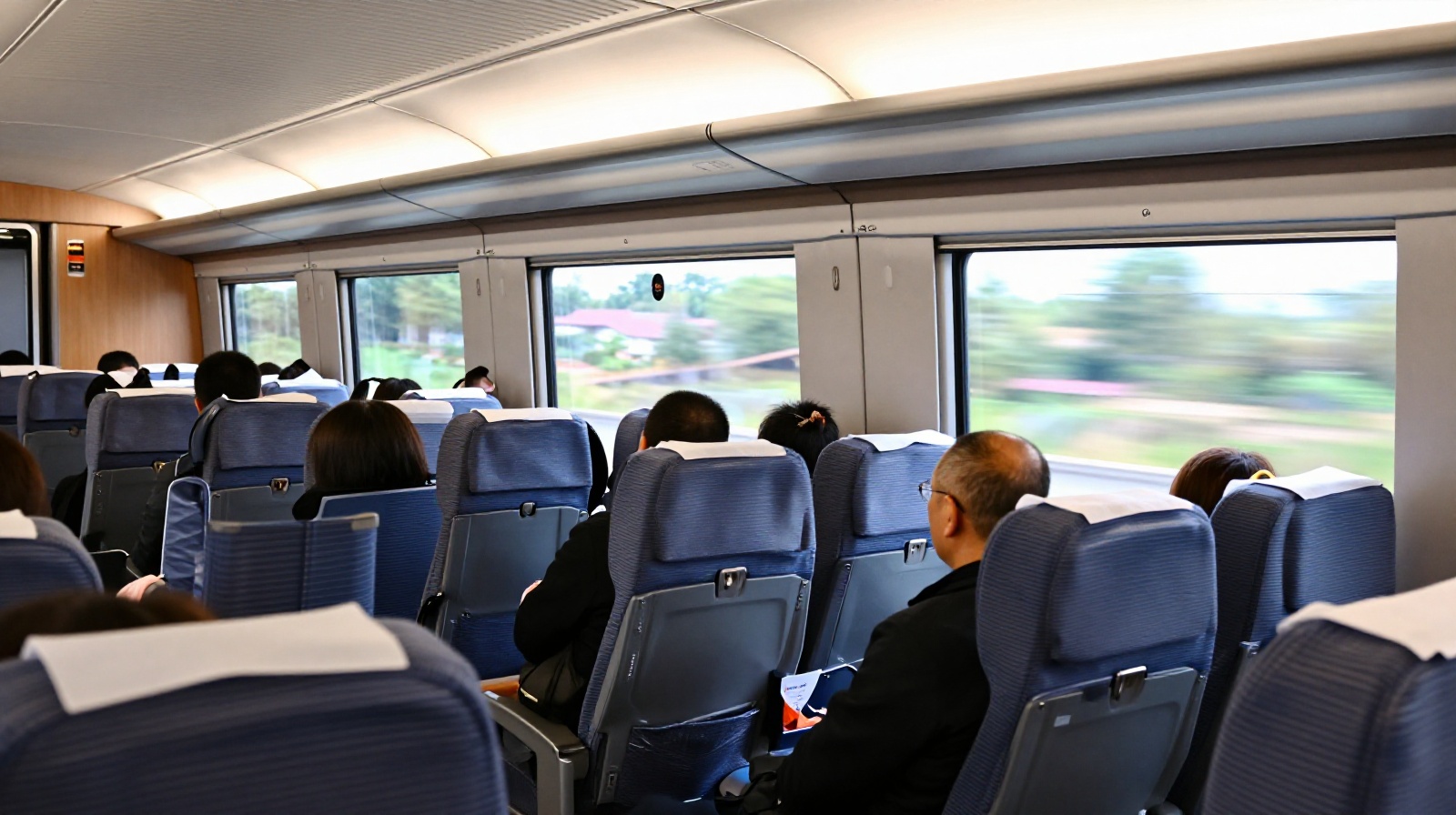
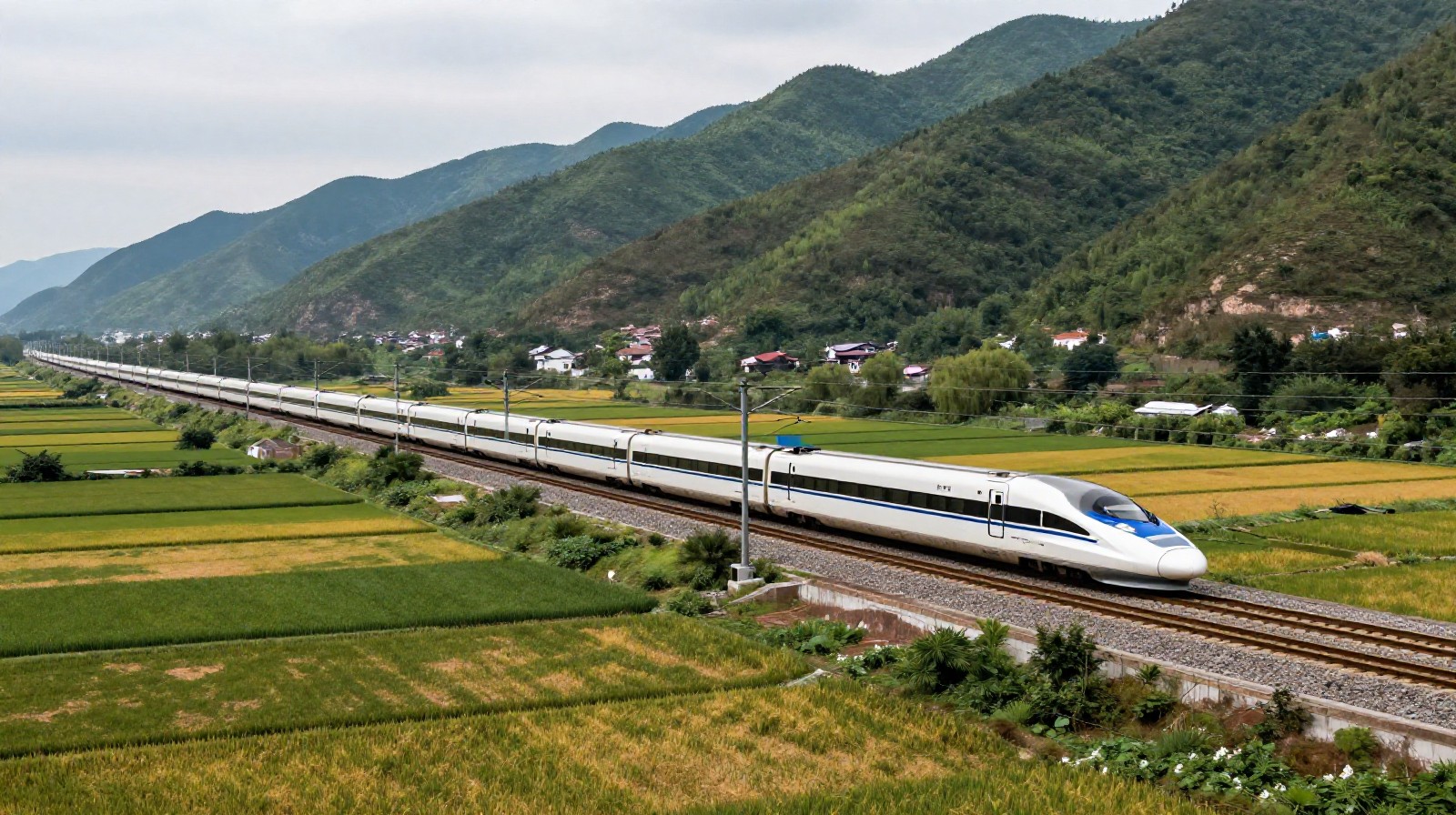
The view outside changes rapidly. First, the dense skyscrapers of Shanghai fade into green rice paddies and small towns. Then, the terrain shifts as the train enters Sichuan province. The landscape becomes rugged, with mountains rising steeply on either side. At 300 kilometers per hour (186 mph), you can barely feel the motion.
Arrival in Chengdu
By Saturday morning, the family arrives at Chengdu East Station. The contrast is immediate. The air feels warmer and slightly more humid. They take a direct subway line to their hotel near Chunxi Road, the city’s bustling shopping district.
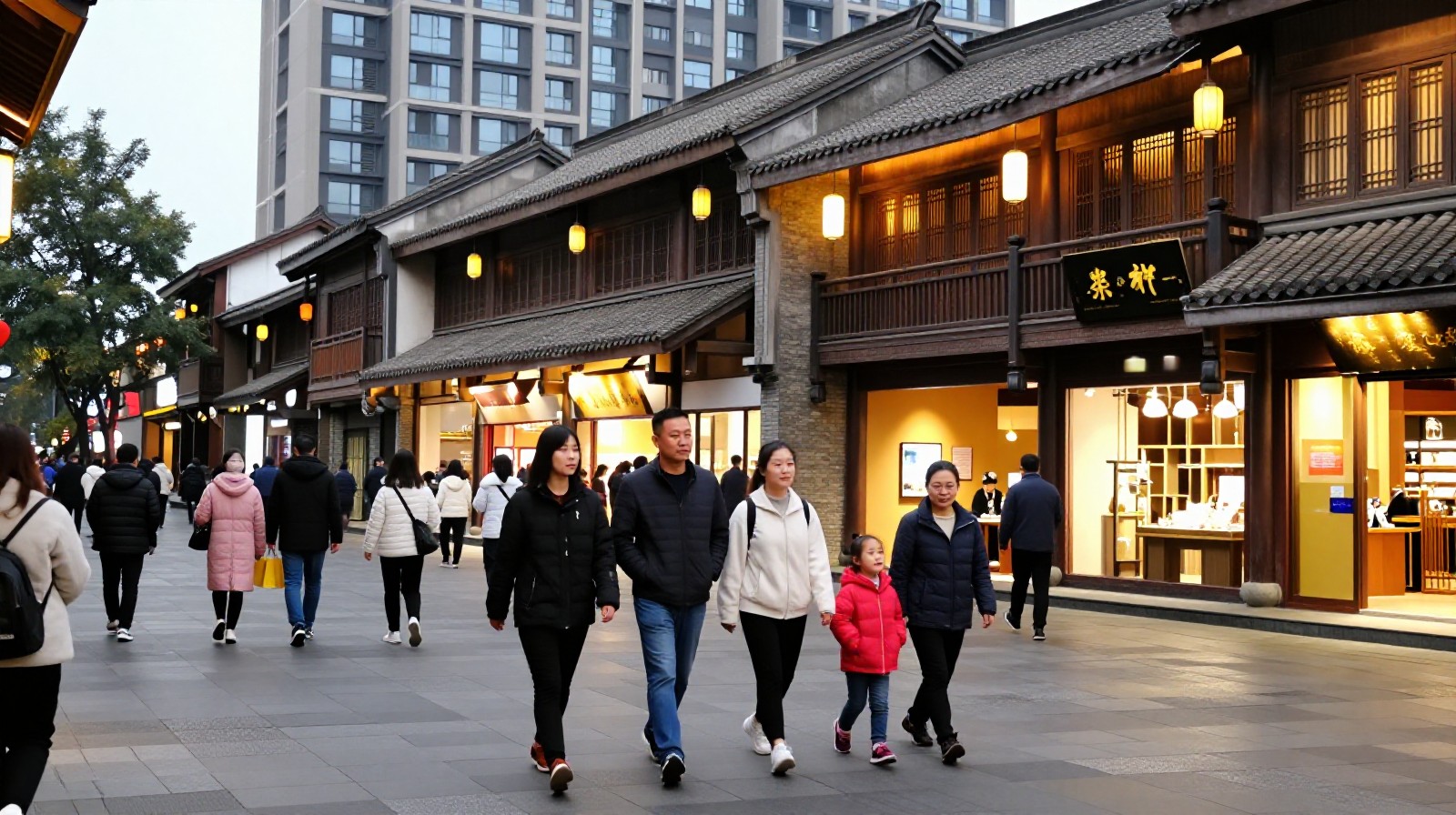
The weekend itinerary is packed but relaxed. They visit the Giant Panda Breeding Research Base in the morning, seeing pandas eat bamboo just as they do on screens back home. In the evening, they sit in a small alleyway restaurant, eating hotpot. The steam rises from the spicy broth, mixing with the laughter of locals.
Why This Matters
This trip isn’t just about tourism; it’s about connectivity. China’s high-speed rail network now spans over 45,000 kilometers, more than the rest of the world combined. It connects cities that were once days apart into a single day-trip radius.
For families, this means grandparents can visit grandchildren in different provinces without staying for weeks. For workers, it means better job opportunities across regions. The infrastructure is no longer just steel and concrete; it’s the daily rhythm of life for millions.