


The Sound of Progress: A Common Reality
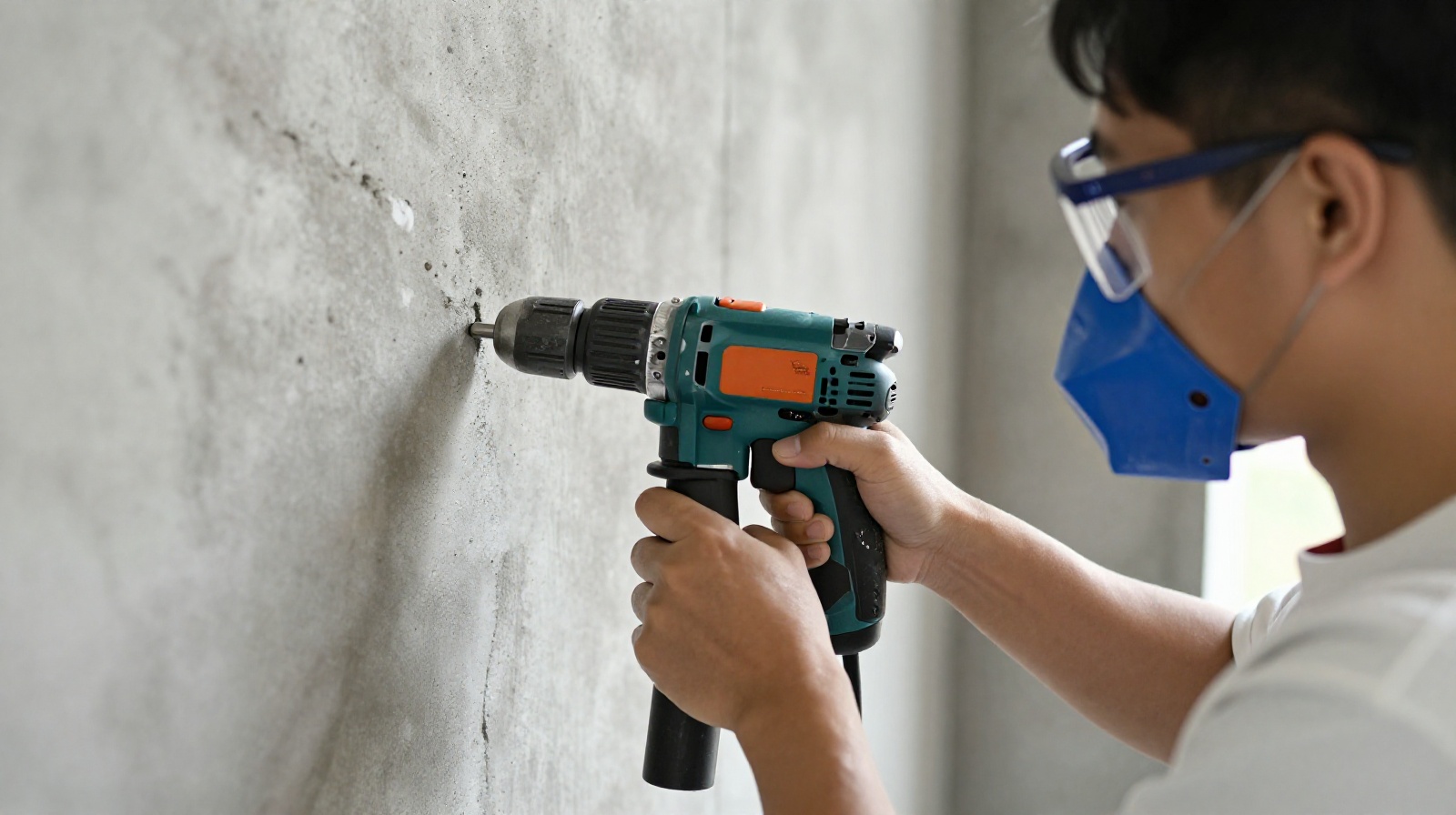
If you live in a Chinese city, you have likely heard it. It starts before dawn with the rhythmic thud-thud-thud of a hammer drill penetrating concrete. In China’s high-density urban apartments, where walls are often shared by four or more households, noise does not just travel; it vibrates through the entire building structure. For expatriates and new residents, this sounds like chaos. But for locals, it is simply the soundtrack of renovation season.
Every spring and autumn, thousands of apartments across cities from Shanghai to Chengdu undergo upgrades. The walls are stripped, plumbing is replaced, and floors are leveled. While this construction drives modernization and improves living standards, it creates immediate friction between neighbors who value peace and those determined to renovate before the holidays or school year begins.
Decoding the Rules: When Can They Drill?
The first step in managing renovation noise is understanding that there are strict legal boundaries, even if they seem loose compared to rural standards. In most Chinese cities, residential construction is heavily regulated by local environmental protection laws and property management covenants.
Generally, the “statutory quiet hours” prohibit any noisy work on weekends (Saturday and Sunday) and statutory public holidays. This includes drilling, hammering, or using power saws. On weekdays, the permitted times are usually restricted to two windows: 8:00 AM to 12:00 PM and 2:00 PM to 6:00 PM.
Outside these hours—early mornings, late evenings, and lunch breaks—the building should be silent. Even during permitted hours, work that produces excessive noise (like jackhammering) is often restricted to specific days within the renovation period, which itself is usually capped at three months for standard apartments.
The Silent Enforcer: Why Property Management Steps In
In Western countries, you might call the police or a local council immediately. In China, the first line of defense is the Wuye (Property Management Company). These companies are private entities hired by the homeowners’ association to maintain order and collect fees.

Their role is critical. Before any renovation can begin, the homeowner must submit a plan to the Wuye and often pay a deposit. The Wuye staff will inspect the site to ensure no load-bearing walls are damaged. More importantly for your comfort, they monitor noise compliance.
When you hear drilling during prohibited hours, do not go knocking on the neighbor’s door immediately. Confrontation can escalate quickly in close quarters. Instead, call the Wuye hotline listed in your building lobby or app. They have the authority to stop work, confiscate tools temporarily, and deduct from the renovation deposit if rules are violated.
Step-by-Step: How to File a Complaint That Works
If the Property Management is unresponsive—or if the violators ignore them—you need a structured escalation path. Here is how to navigate the system effectively:
- Contact Wuye First: Log the time and duration of the noise. Ask them to intervene. Keep a record of your call or chat log.
- Invoke the Neighborhood Committee: If Wuye fails, contact your local Shequ (Neighborhood Committee). They are grassroots government bodies responsible for community harmony. They can mediate disputes and apply social pressure.
- The 12345 Hotline: This is your most powerful tool. Dial 12345, the municipal government service hotline. It is available in English in many major cities. Report the violation specifically: “Noisy construction during prohibited hours.” The complaint is routed to the local Environmental Protection Bureau or Urban Management Office. They are required to respond within a set timeframe.
Cultural Context: Harmony vs. Rights
Understanding Chinese apartment living requires balancing two concepts: He (Harmony) and Li (Propriety/Rules).
Chinese culture traditionally emphasizes tolerance. Neighbors might endure a few days of noise to preserve relationships, avoiding direct conflict. However, this does not mean rights are ignored. The modern Chinese urbanite is highly aware of their legal right to a quiet environment. The shift is from “enduring silently” to “using institutional channels.” By going through Wuye and 12345, you are not being aggressive; you are following the socially accepted procedure for conflict resolution.
Living Well in High Density
Renovation noise is temporary, but your quality of life should not be. By understanding the permitted hours, leveraging the Property Management system, and knowing when to escalate to government hotlines, you can protect your peace without burning bridges with neighbors. In China’s dense urban fabric, rules are strict precisely because space is scarce. Respecting them ensures that everyone’s home remains a sanctuary, not just on paper, but in practice.