
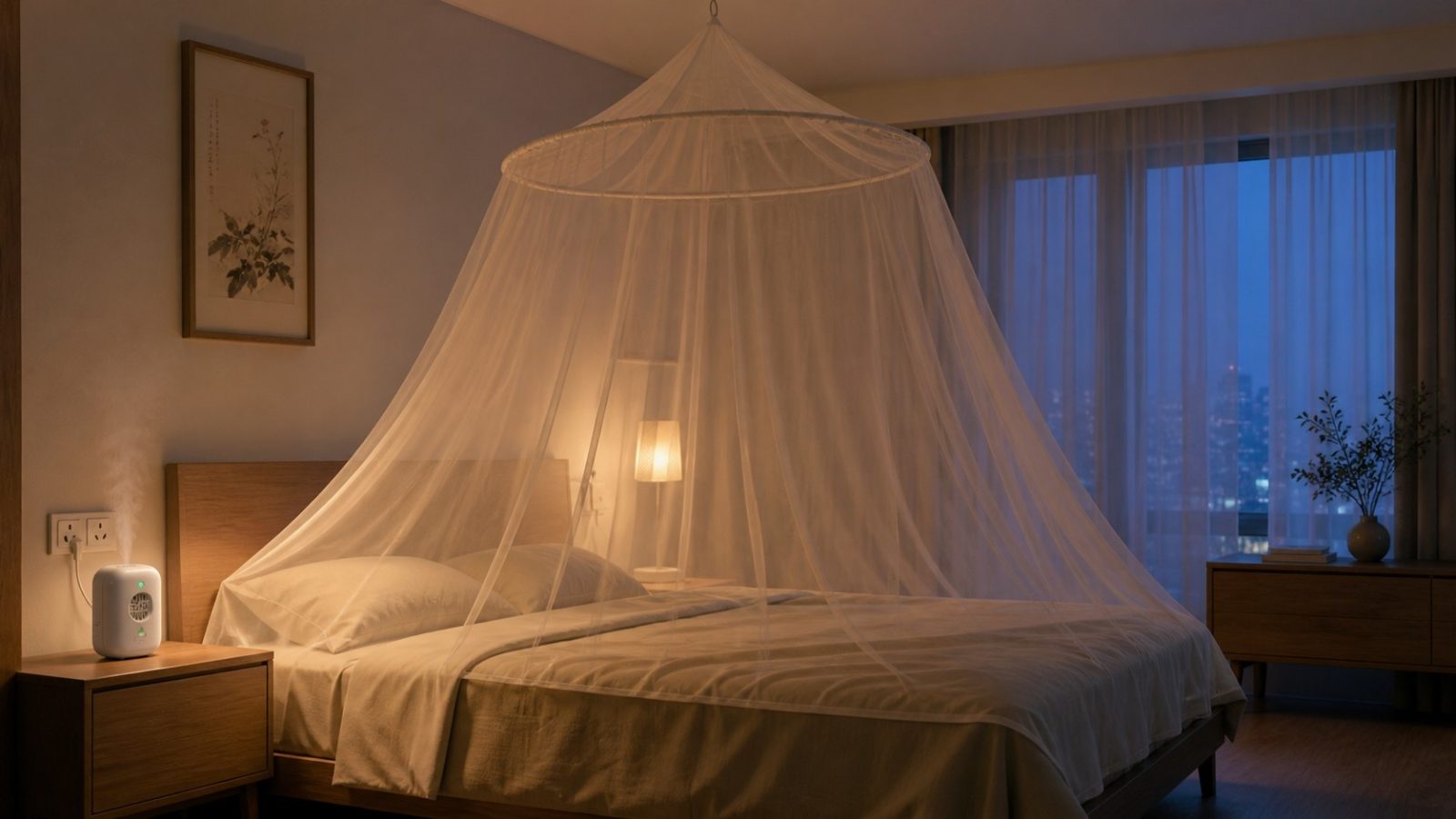

The Summer Threat: More Than Just a Buzz
If you have ever slept in a Chinese apartment during July or August, you know the sound. It is not just a buzz; it is a targeted attack. The mosquitoes in many parts of China, particularly in southern and eastern regions, are larger, more aggressive, and far more persistent than their counterparts in Europe or North America.
For decades, the solution was simple: burn a spiral incense coil. You would place it on the floor or balcony, watch the smoke rise, and hope the chemical fumes kept the bugs at bay. But as China’s living standards have risen, so has the awareness of indoor air quality.
The Shift Away from Smoke
Modern Chinese apartments are often airtight to keep in cooling or heating. Burning traditional incense coils in such spaces creates two problems: poor ventilation and respiratory irritation. For families with young children or elderly members, the smoke is no longer acceptable.
This shift in lifestyle needs created a market for cleaner solutions. The result? The near-total disappearance of smoky coils from urban homes, replaced by sleek, plug-in devices that emit invisible protection.
Enter Dianwenxiang: The Electric Workhorse
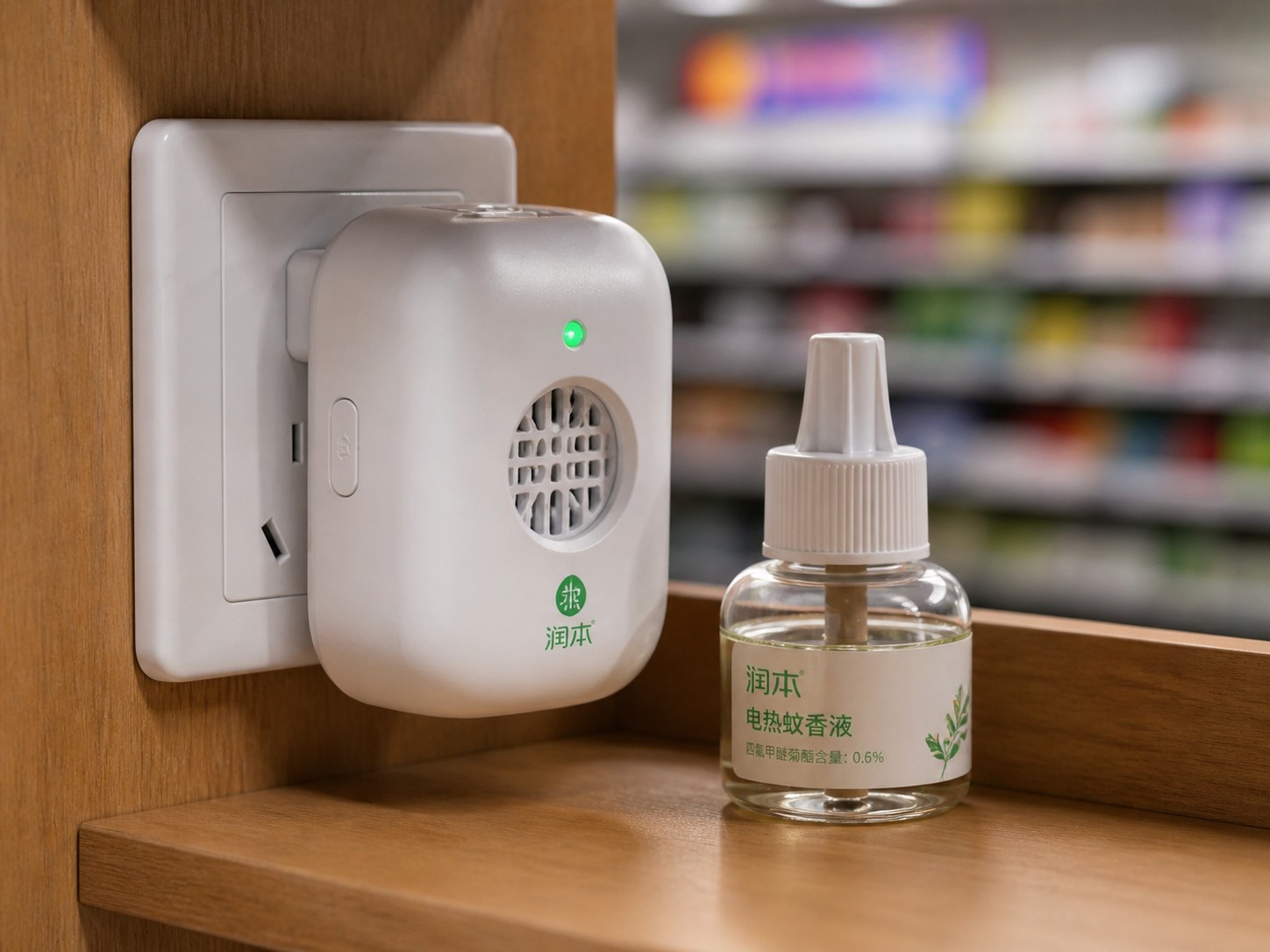
If you walk into a local convenience store like 7-Eleven or FamilyMart in China during summer, look near the checkout counter. You will see small bottles of colored liquid and plain white plastic plug-in vaporizers.
Locals call this Dianwenxiang (电蚊香), which literally translates to “electric mosquito incense.” It is a two-part system:
- The Heater: A small device that plugs directly into the wall outlet. It heats a ceramic element without an open flame.
- The Refill Bottle: A small plastic vessel containing a liquid mixture of repellent chemicals (usually pyrethroids, which are safe for humans in low doses but lethal to insects).
How It Works and Why It’s Preferred
You insert the bottle into the heater. As the device warms up, the liquid evaporates slowly into the room. The scent is usually faint or nonexistent. Unlike coils, it does not produce ash, smoke, or carbon monoxide.
For a standard 15-20 square meter bedroom, one refill bottle typically lasts 30 to 45 nights if used for eight hours a day. This predictability makes Dianwenxiang a favorite among Chinese households. It is cheap—often costing less than $2 per month—and highly effective.
Where to Buy
You do not need to visit a specialized hardware store. In cities, you can buy ready-made sets at any convenience store. For the best prices and variety of brands (such as Raid, Mootaa, or local Chinese brands like Bulian), most people shop on Taobao or JD.com. You will find bulk packs of refills that last an entire summer.
The Backup Plan: The “Mongolian Tent” Net
Even with electric repellents, some nights are too hot for windows to stay closed, or the mosquitoes prove too stubborn. In these cases, Chinese netizens have turned to a specific type of mosquito net.
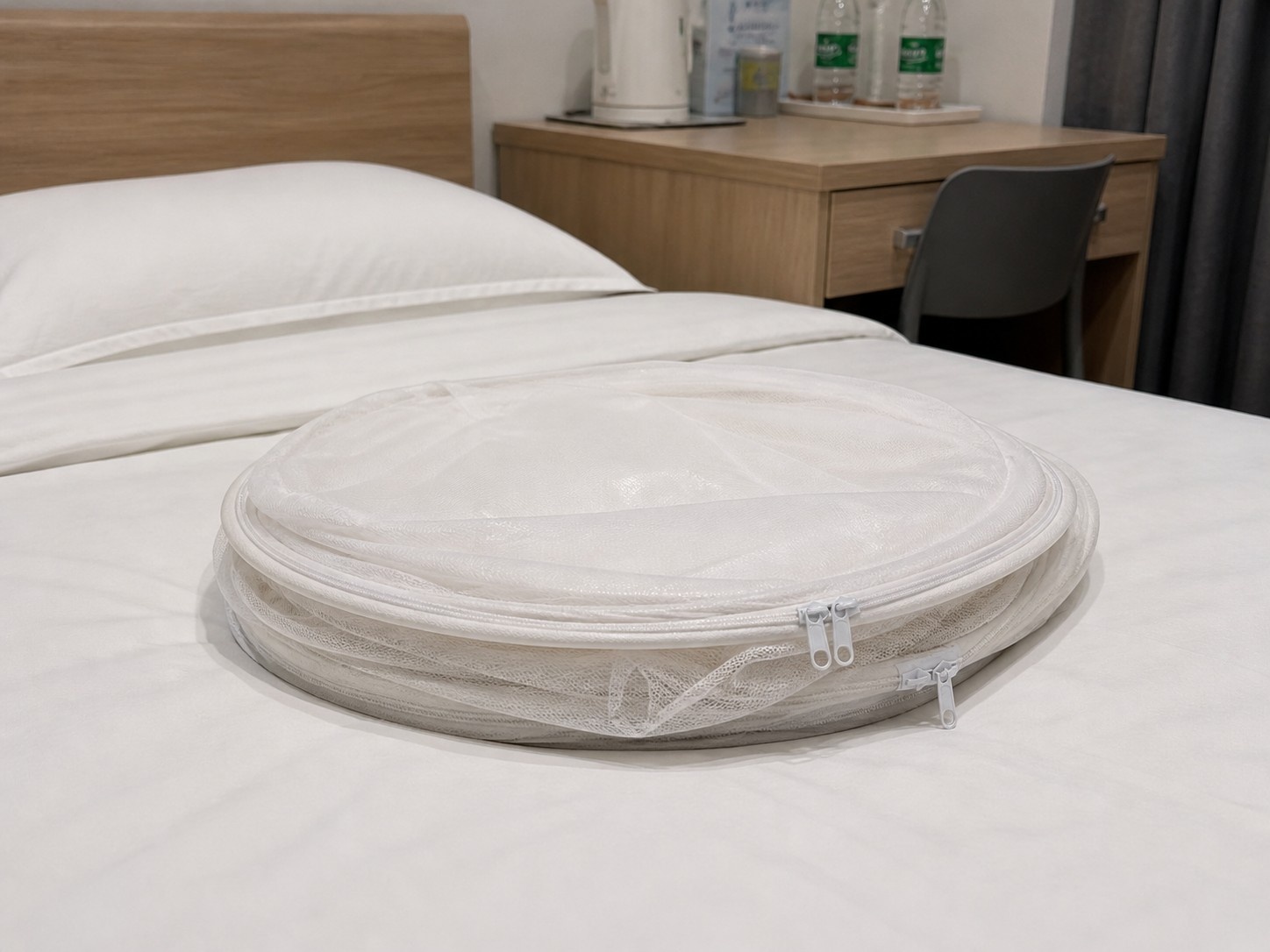
You will see them in dormitories, budget hotels, and family homes across China: the Mongolian Tent Mosquito Net (蒙古包蚊帐 – Menggubao Wenchang).
Why This Design?
Traditional mosquito nets require a metal frame attached to the ceiling or walls. They are bulky, hard to install, and ruin the aesthetic of modern bedrooms. The “Mongolian Tent” is different.
It is made of flexible fiberglass poles that fold into a compact circle. You simply unfold it, place it over your mattress, and let gravity do the rest. It pops open like a beach umbrella or a small tent. There are no screws, no drilling, and no assembly tools required.
The Zipper Advantage
Most modern versions feature a double-zipper door at the front. This allows you to enter and exit without touching the mesh, preventing mosquitoes from sneaking in behind you. For people who hate waking up with itchy bites, this net is considered an essential piece of furniture.
Practical Tips for Navigating Summer in China
To truly master mosquito control like a local, keep these three tips in mind:
- Change Refills Regularly: Do not wait until the bottle is empty. The chemical concentration drops after about 30 days. Replace it at the start of every new month for consistent protection.
- Positioning Matters: Plug in the Dianwenxiang near the head of your bed or in a corner, but not directly under your pillow. The vapor needs to circulate. Also, ensure the room is sealed before turning it on; open windows will dissipate the protection.
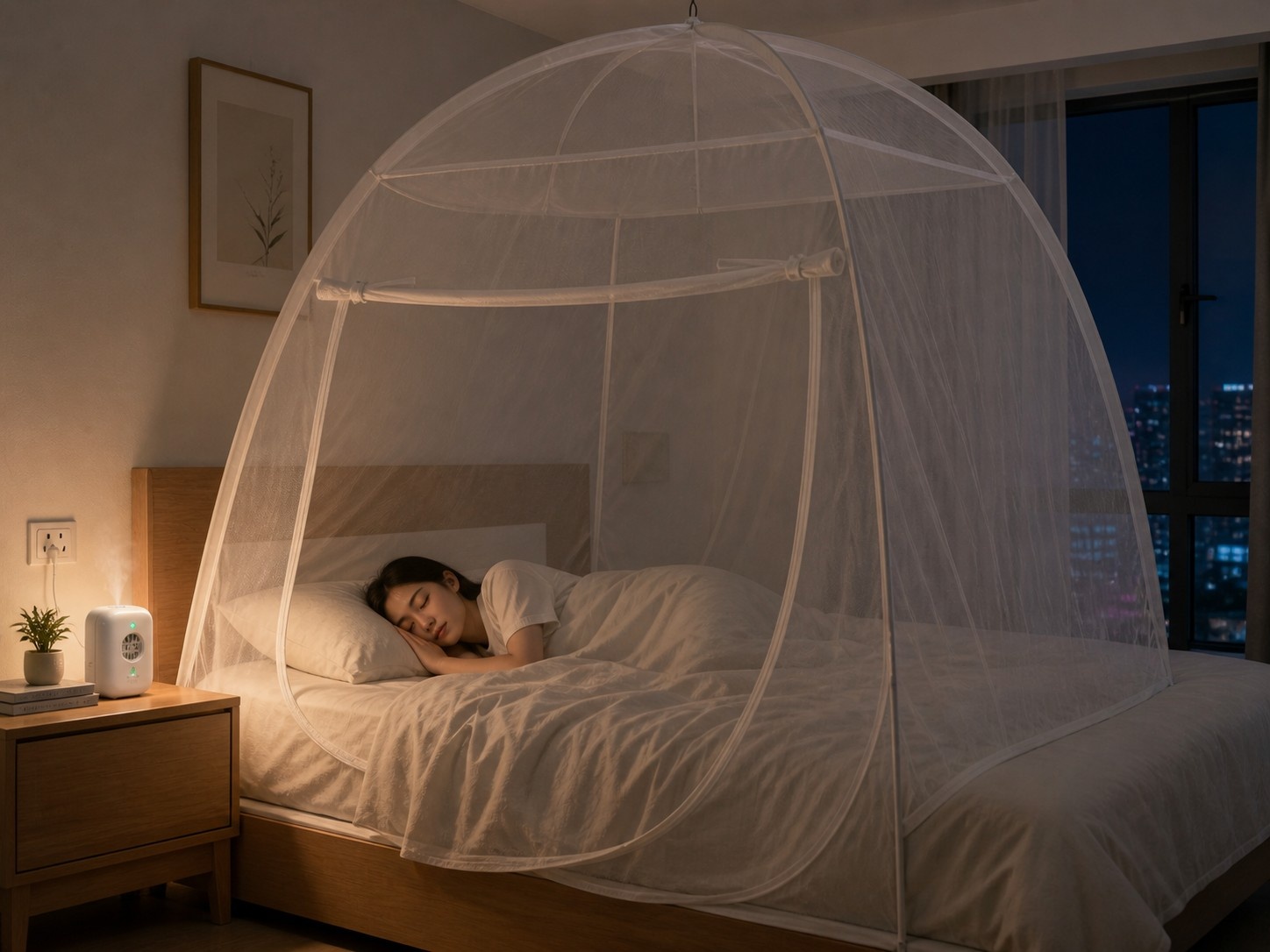
- The Dual Layer Strategy: For maximum comfort during extreme heat, use both. Plug in the Dianwenxiang to reduce the population of mosquitoes in the air, and sleep under the Mongolian Tent net as a physical barrier. This combination is the gold standard for Chinese summers.
Summary
Understanding how Chinese locals deal with pests reveals more than just product preferences; it shows how urbanization and health awareness have reshaped daily life. The move from smoky coils to electric vaporizers reflects a desire for cleaner, quieter homes. Meanwhile, the popularity of the Mongolian Tent net highlights a practical, space-saving approach to comfort.
Next time you visit China in the summer, skip the tourist traps and head to a local convenience store or Taobao. Buy a set of Dianwenxiang and a tent net. You will sleep better, itch less, and experience Chinese urban life exactly as the locals do.