

The Sound of a Full Cup
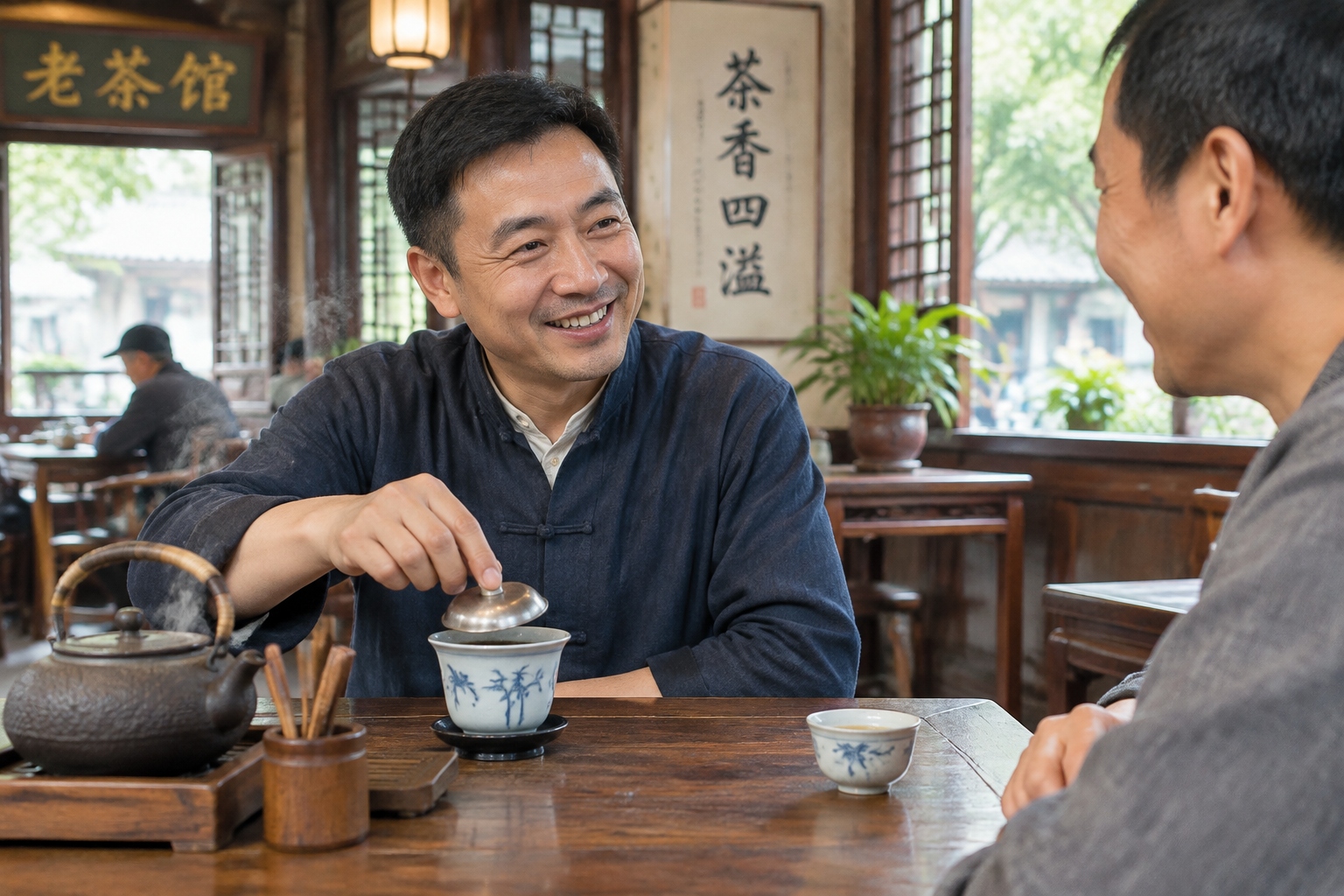
It starts with a small sound. You are sitting at a wobbly wooden table in a bustling tea house in Chengdu or Guangzhou. The air is thick with the scent of jasmine and steam. A local man across from you leans forward, taps his metal teapot lid three times against the rim—tap-tap-tap—and immediately, without looking up, your server refills your cup.
No words were exchanged. No phone was pulled out to scan a QR code for payment or service. In this moment, you aren’t just drinking tea; you are decoding a centuries-old system of non-verbal communication that turns every local tea house into a bustling information exchange center. For outsiders, it looks like magic. For locals, it is simply the most efficient way to say “I need more” or “This one is mine” without breaking the flow of conversation.
The Code of the Lid and the Leaf
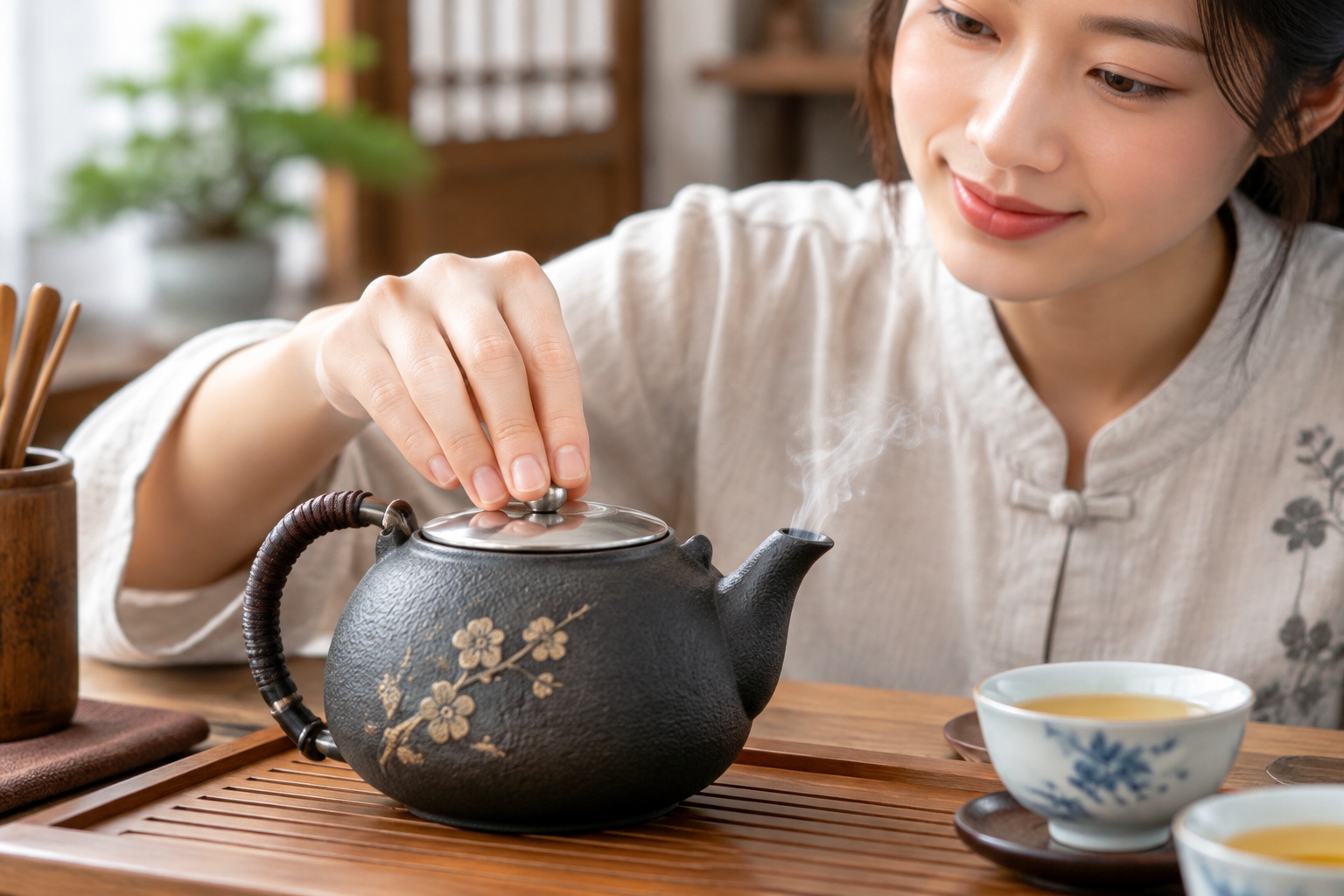
What exactly are these signals? The most common is the lid-tapping etiquette. If someone pours tea for you, tapping your fingers or the lid once signifies thanks. Tapping it three times, as seen in many traditional settings, often means “please add more hot water.” But the system goes deeper.
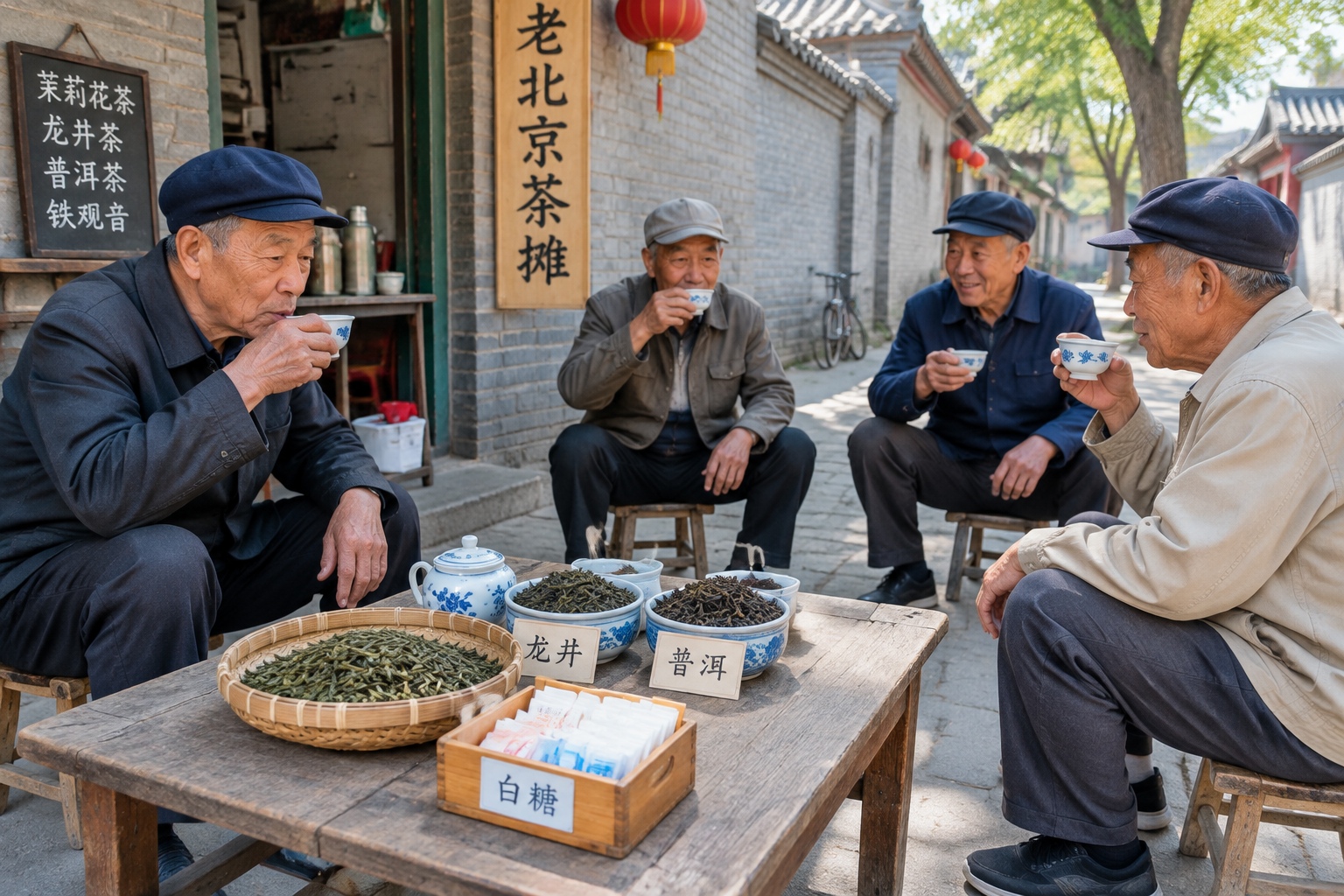
Observe how tea leaves are arranged on a small saucer near your pot. If they are pushed to one side, it might signal that you are done with this round and ready for a fresh brew. If a stranger places their cup slightly angled toward yours, it can be an invitation to join the conversation or share a table in a crowded spot. In some older neighborhoods of Beijing or Shanghai, specific arrangements of sugar packets or even the direction a chopstick rests on a bowl can indicate whether you are waiting for a business partner or just taking a quiet break.
This isn’t just about avoiding awkward verbal interruptions. It reflects a cultural value deeply rooted in Chinese social interaction: he (harmony). Speaking too loudly or making direct demands can disrupt the collective atmosphere. The “secret language” allows everyone to get what they need while maintaining a surface of calm and mutual respect.
A Fading Code in the Digital Age?
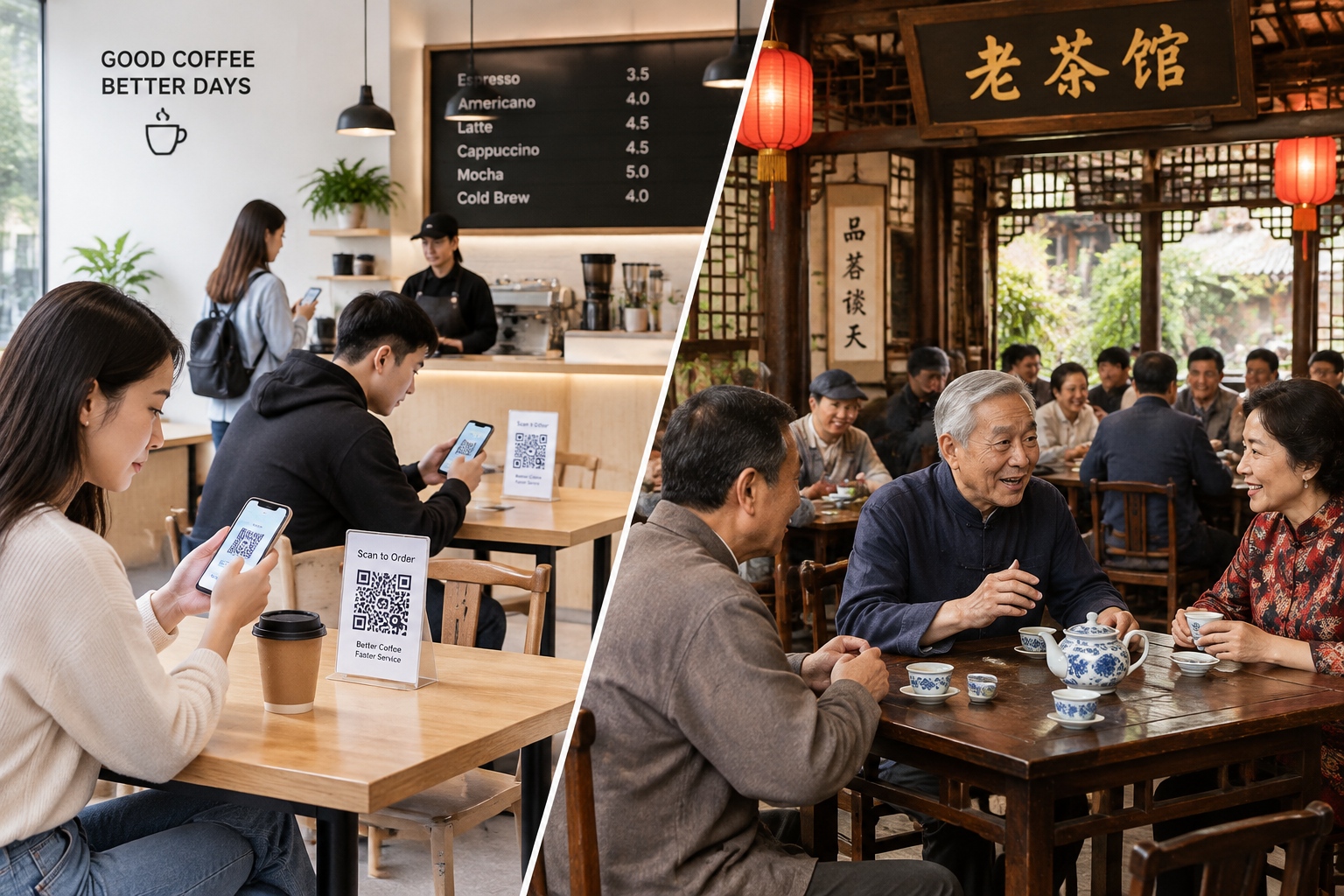
However, this delicate dance is not static. In fast-paced metropolises like Shenzhen or Shanghai’s CBDs, you might find that the traditional tea houses are being replaced by sleek coffee shops where every order is placed via an app. The “tap-tap” gesture is disappearing in younger crowds who prefer scanning a QR code to pay and order instantly.
But don’t assume the culture is gone. In older communities, parks filled with morning exercises, and family-run businesses in cities like Xi’an or Hangzhou, the old ways are surprisingly resilient. Here, you will still see elders sitting for hours, exchanging gossip, negotiating business deals, and resolving neighborhood disputes—all without raising their voices. The tea house remains a sanctuary where digital noise is filtered out, and human connection happens through subtle glances and silent gestures.
How to Blend In: A Guide for Visitors
If you visit a traditional tea house in China as a tourist, how can you participate without looking like an outsider? First, observe. Watch the table next to you. If someone taps their lid before ordering more water, try it yourself when your cup runs low. It’s a gentle way to signal your needs without shouting “Waiter!”
Second, pay attention to the tea leaves. If you see them piled up neatly on the side of your saucer, it’s often a polite cue that the server will come to change the pot or clean up. Don’t be afraid to use this language; locals often appreciate when foreigners make an effort to understand their local customs.
Finally, remember that tea houses are not just for drinking. They are living rooms of the city. Whether it’s a grand hall in Guangzhou serving dim sum and bird’s nest soup, or a small alleyway stall with plastic stools in Chengdu, the atmosphere is key. Sit back, relax, and let the rhythm of the room guide you.
Start the discussion at forum.chinacomes.com