
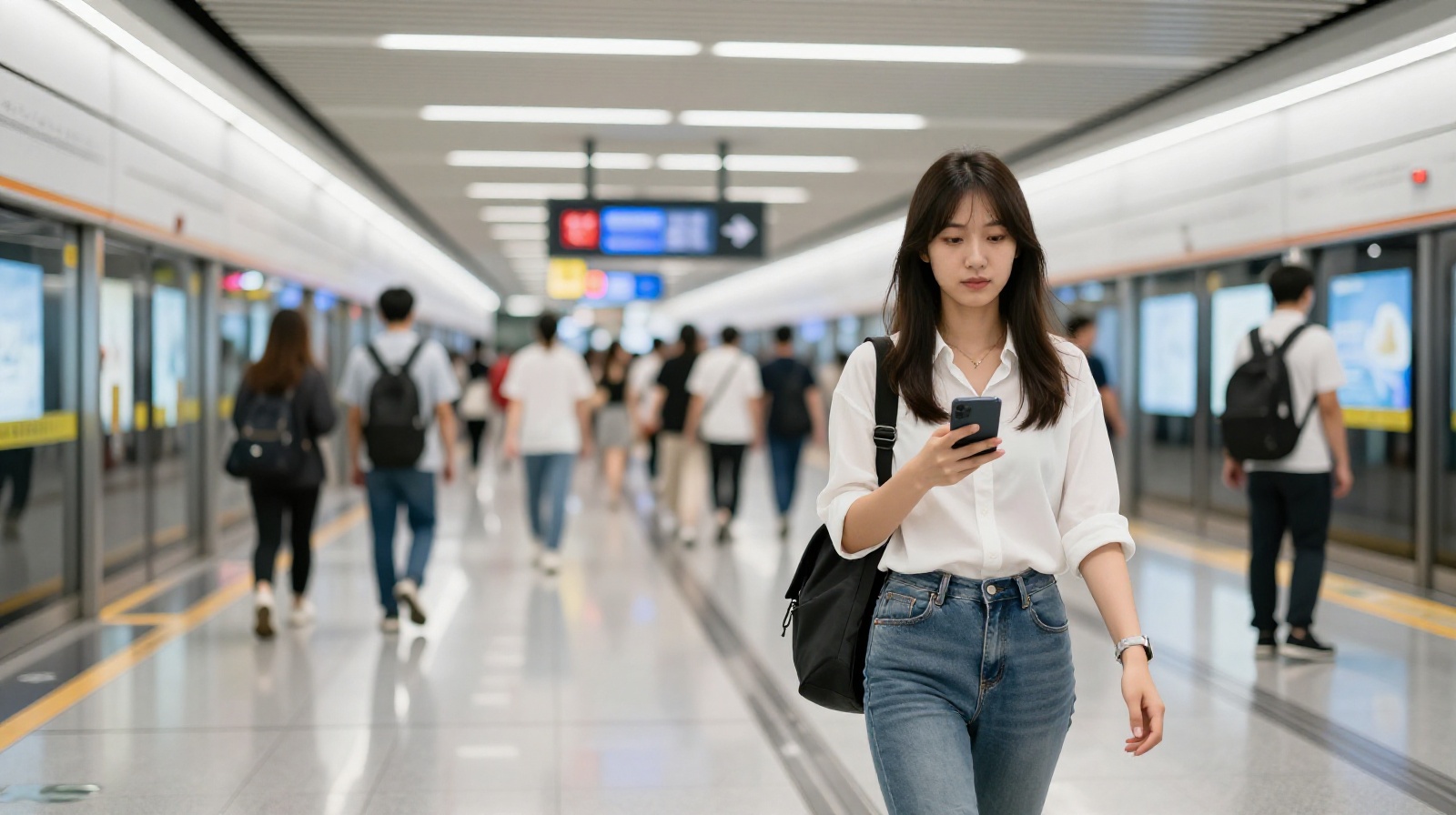

The Morning Coffee and the Subway Ticket
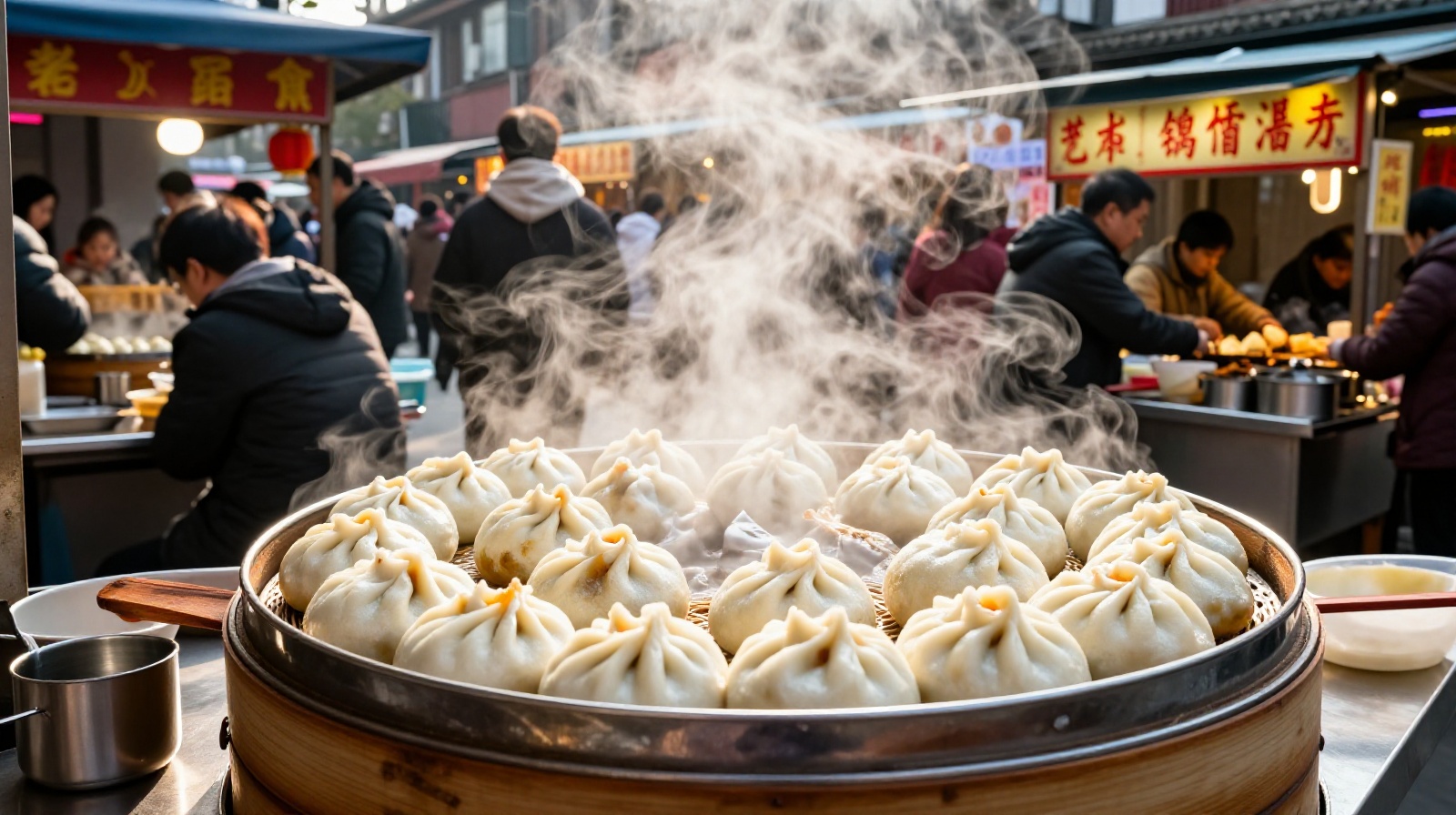
It is 7:45 AM in Chengdu. Li Wei, a 26-year-old graphic designer, stands at a street stall buying a steamed bun (baozi) for 3 yuan ($0.42). She walks to the subway station, taps her QR code on the turnstile, and pays 1.8 yuan ($0.25) for a ride that takes her through the bustling city center. Her breakfast and commute cost less than $1 total.
Now imagine the same routine in Beijing or Shanghai. The bun might be 4 yuan, but the subway fare jumps to 3-5 yuan depending on distance. A small apartment rent in Chengdu could cover a whole studio in Beijing’s suburbs. This is not just about numbers; it is about the stark contrast between China’s tiered cities.
City Tiers: The Rent Divide
When people ask if life in China is expensive, the answer depends entirely on which city you are in. China does not have a single cost of living; it has several economies layered on top of each other.
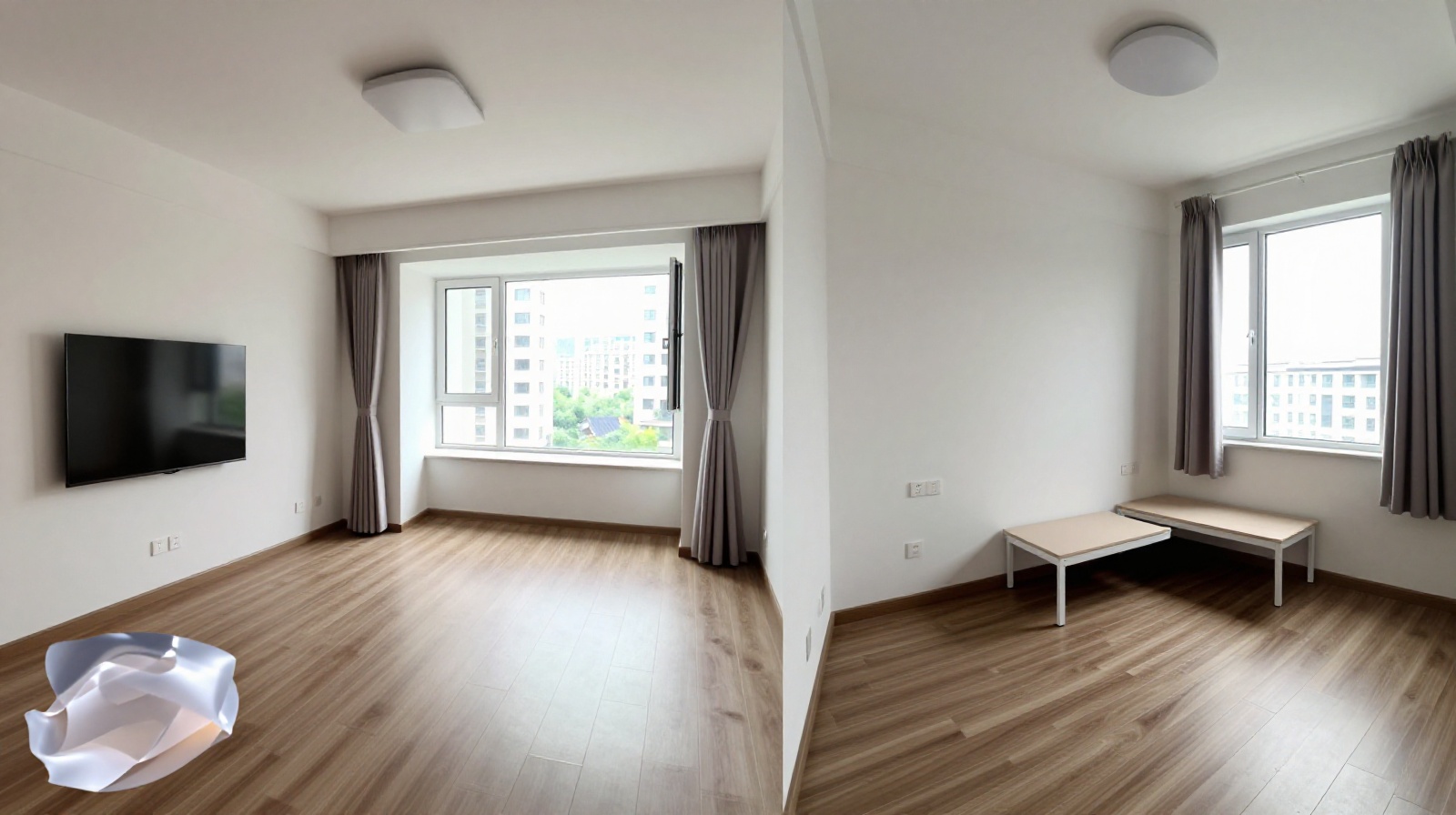
In Tier 1 cities like Beijing and Shanghai, rent is the biggest shock for newcomers. A one-bedroom apartment in a decent neighborhood often costs between 4,000 to 8,000 yuan ($550-$1,100) per month outside the city center. In prime downtown areas, prices can soar above 12,000 yuan ($1,650). However, these cities offer high salaries for professionals in tech and finance.
Move to Tier 2 or “New First-Tier” cities like Chengdu, Wuhan, or Hangzhou, and the math changes. A similar apartment might cost 2,000 to 3,500 yuan ($280-$490). The gap is not just about money; it changes your lifestyle. In Shanghai, a monthly grocery run can consume half of a service worker’s salary. In Chengdu, that same amount buys fresh market produce, coffee at chain stores, and a night out with friends.
Food: The Great Equalizer
Food in China is surprisingly affordable if you know where to look. This is the most common misconception among foreigners who assume high prices everywhere.
For Li Wei, eating out isn’t a luxury. A bowl of authentic Sichuan noodles costs 15-20 yuan ($2-$3). A meal at a mid-range chain restaurant like Haidilao (famous for hotpot) might be 80 yuan per person ($11), which is considered expensive by local standards but cheap compared to Western prices.
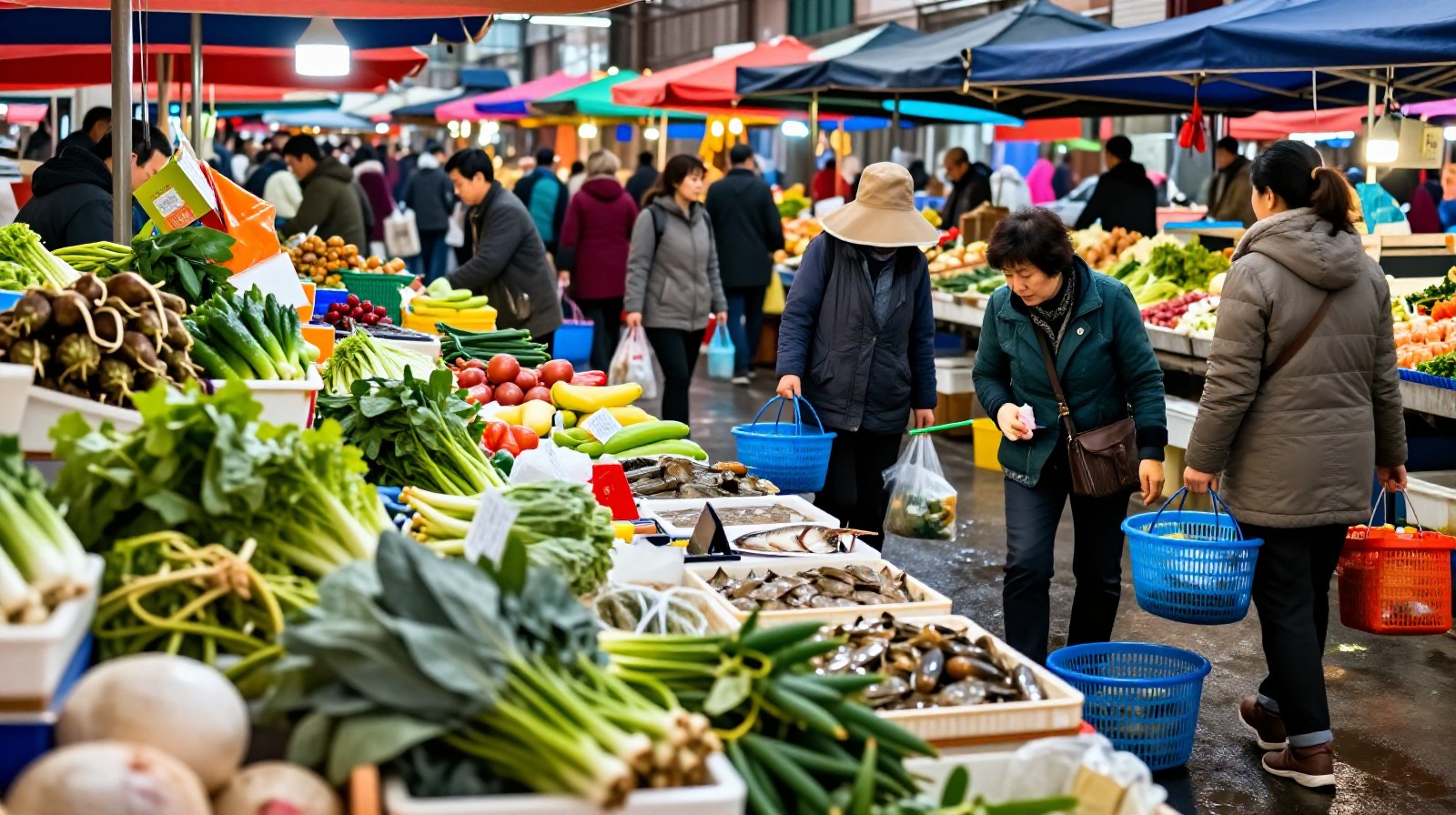
Delivery has changed the game. Apps like Meituan and Ele.me allow you to order almost anything within 30 minutes. A delivery fee is usually 2-4 yuan, with a minimum order of around 15-20 yuan. Cooking at home? You can buy fresh meat, vegetables, and seafood at wet markets for pennies compared to Western prices. For young professionals working long hours, the choice often comes down to: spend 30 minutes cooking for $2 or pay 40 yuan ($6) for a delivered meal that takes 15 minutes.
The Hidden Costs: Utilities and Connectivity
Beyond rent and food, there are daily costs often overlooked. In China, utilities like electricity, water, and gas are heavily subsidized by the government. A typical monthly bill for a small apartment in summer (with AC running) might total only 150-200 yuan ($20-$28).
Internet and mobile data are incredibly cheap. A 5G plan with unlimited high-speed data often costs just 30-50 yuan ($4-$7) a month. In many Tier 1 cities, public Wi-Fi is free in parks, malls, and subway stations. This low cost of connectivity fuels the digital economy; you can work remotely, pay bills, book doctors, or shop via smartphone without ever touching cash.
Conclusion: Value vs. Pressure
So, is China expensive? For a high-earning professional in Beijing, housing might feel like a burden, but daily living costs remain low relative to their income. For a service worker or entry-level employee in Shanghai, rent consumes a massive portion of their paycheck, creating real financial pressure.
The reality is nuanced. China offers incredible value for food, transport, and digital services, allowing people to enjoy a high quality of life with relatively low cash outlay. However, the barrier to entry for homeownership in major hubs remains high, creating a generational divide between those who own property and those who rent.
Understanding this balance is key. It’s not just about whether you can afford a cup of coffee; it’s about how the cost structure shapes where people choose to live, work, and dream.