

The Sky Above Beijing Changed Without Fanfare
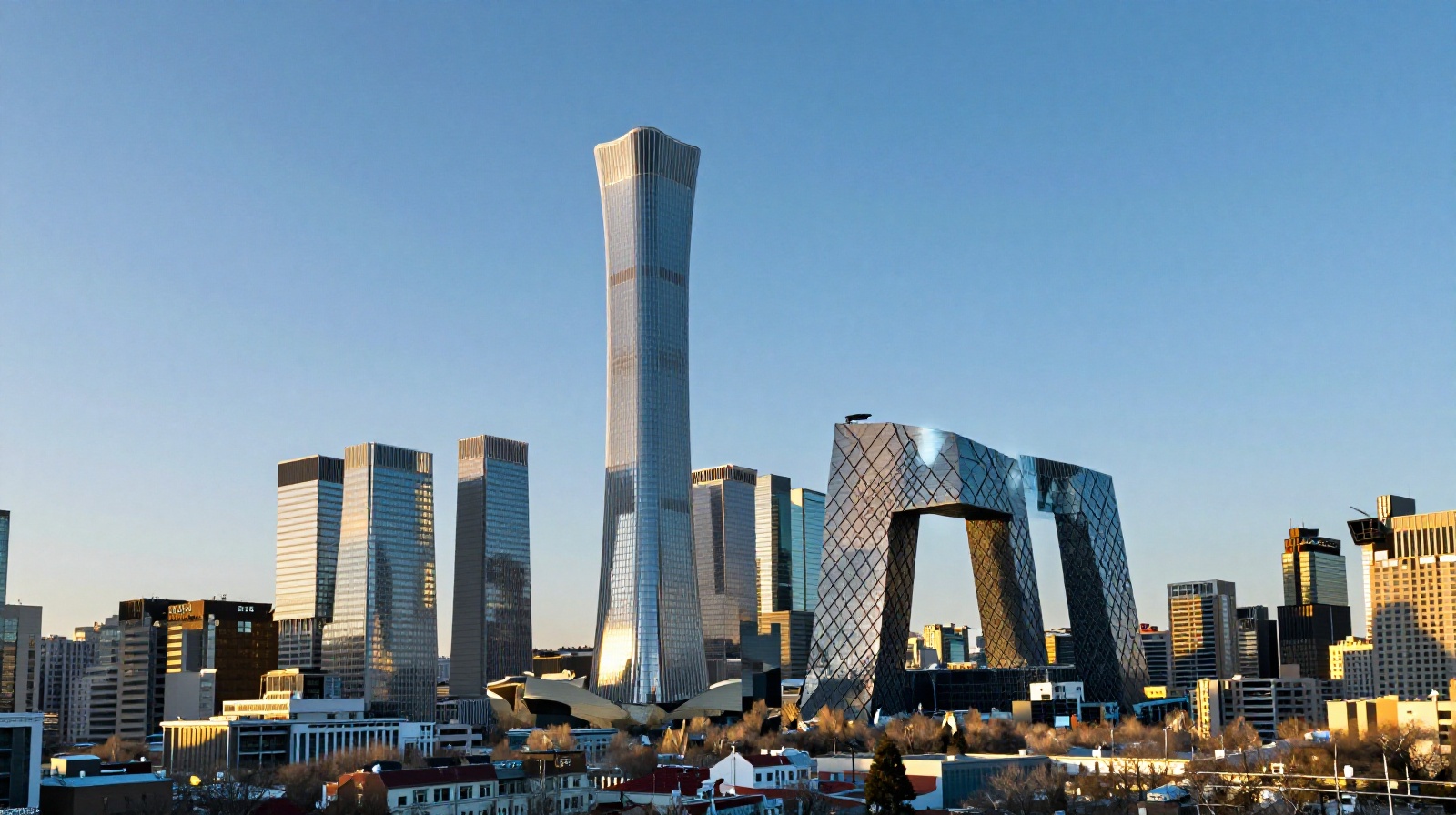
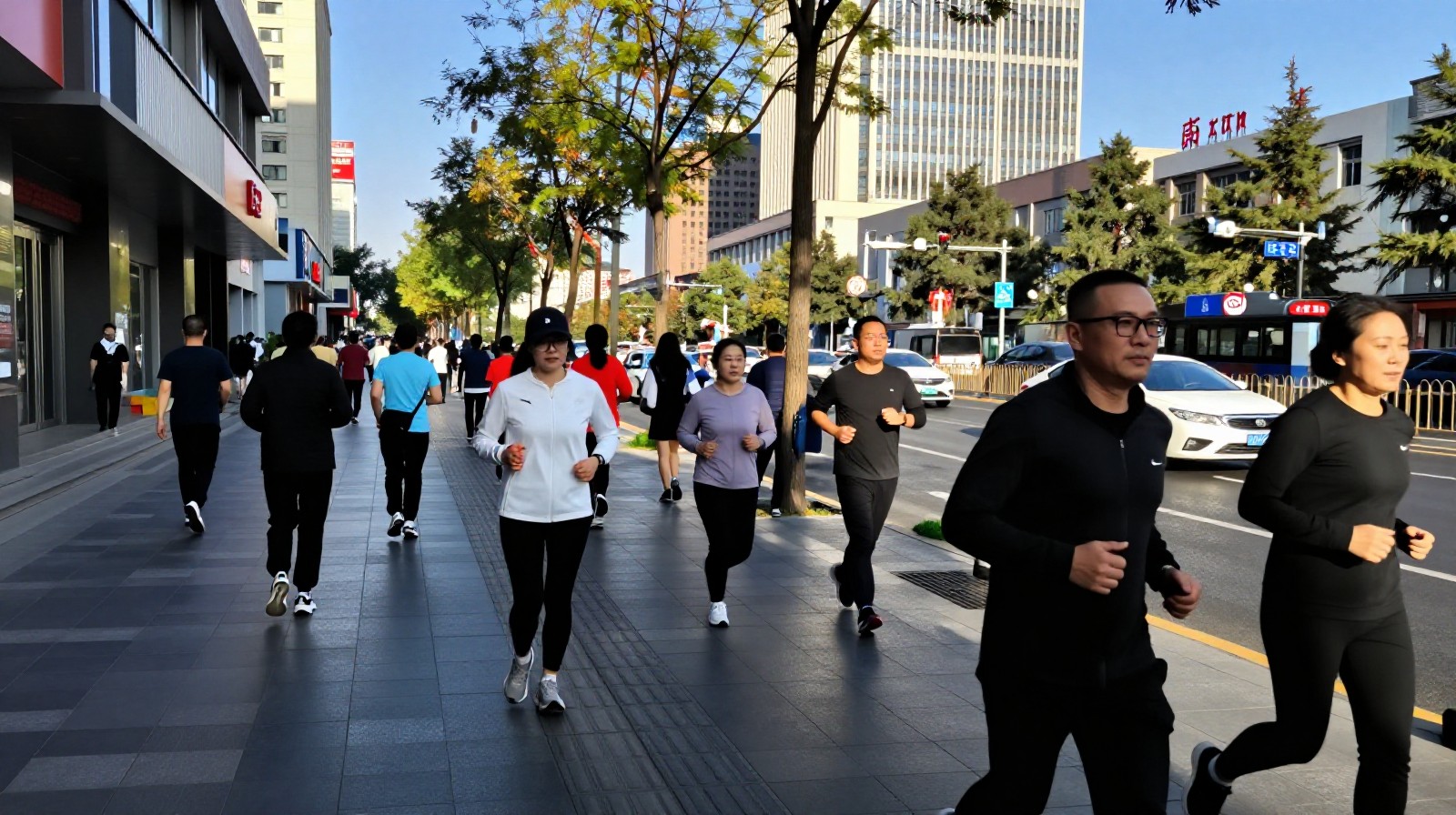
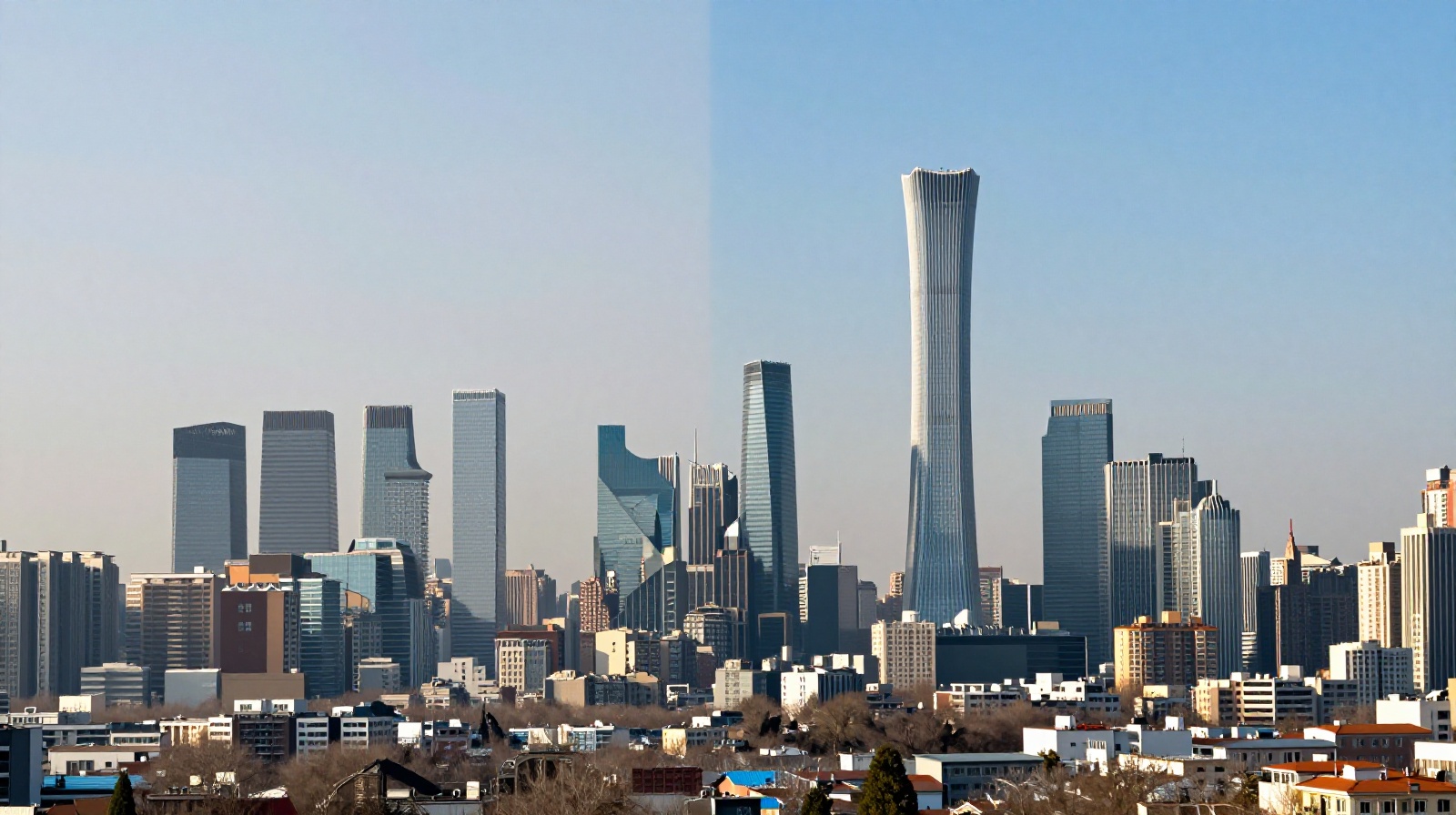
It is 7:45 AM on a Tuesday in late November. The air temperature hovers just above freezing, biting at the exposed skin of anyone walking without a scarf. I am standing on a sidewalk near Sanlitun in Beijing. No one is rushing to cover their nose or mouth with a mask anymore. A group of teenagers is jogging past, breathing deeply. Above them, the sky isn’t the hazy grey of 2013. It is a pale, crisp blue, streaked with thin, white cirrus clouds that look like brushstrokes.
For years, international news outlets have been quick to label China as the “smog factory” of the world. Headlines screamed about London-level pollution in Beijing and Shanghai. If you only looked at old footage from a decade ago, you would expect the sun to be a faint, orange disc hidden behind a thick wall of dust. But that world has changed.
From Grey Skies to Clear Horizons
The shift hasn’t been gradual; it’s been abrupt and visible to the naked eye. In 2013, Beijing was notorious for its “airpocalypse” days when PM2.5 levels topped 700 micrograms per cubic meter. The air tasted metallic, and visibility often dropped below 200 meters.
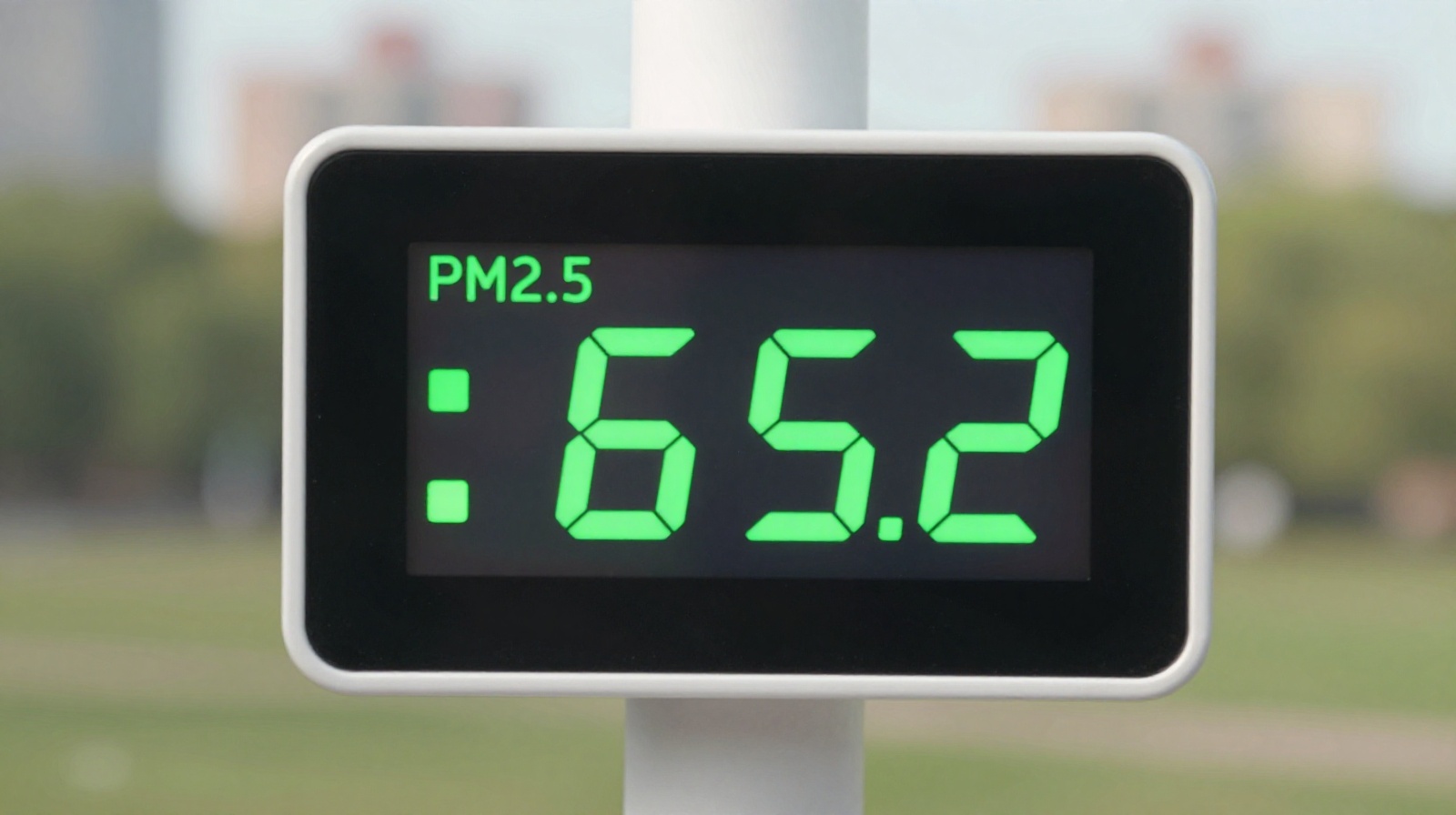
Today, the numbers tell a story that matches what we see. According to official data released by China’s Ministry of Ecology and Environment, Beijing’s average PM2.5 concentration in 2023 fell to just over 30 micrograms per cubic meter. That is not just an improvement; it is a transformation. In many western capitals, hitting a daily air quality index below 50 is still considered a lucky break. Here, it has become the new normal.
The change didn’t happen by accident. It was driven by aggressive policy shifts that reshaped the city’s infrastructure overnight. Massive coal-fired power plants were shuttered and replaced with natural gas or renewables. Diesel trucks on highways were banned from entering urban zones during peak hours. Factories in Hebei province, which once choked the capital with emissions, underwent strict upgrades or moved entirely.
What the Locals Say
Data is one thing; lived experience is another. I spoke with Li Wei, a 34-year-old teacher at a primary school in Haidian District. “When my daughter was born ten years ago, we bought air purifiers for every single room in our apartment,” she told me, wiping sweat from her forehead as we sat on a park bench. “Now? We keep the windows open all day. In winter. Even when it’s cold.”
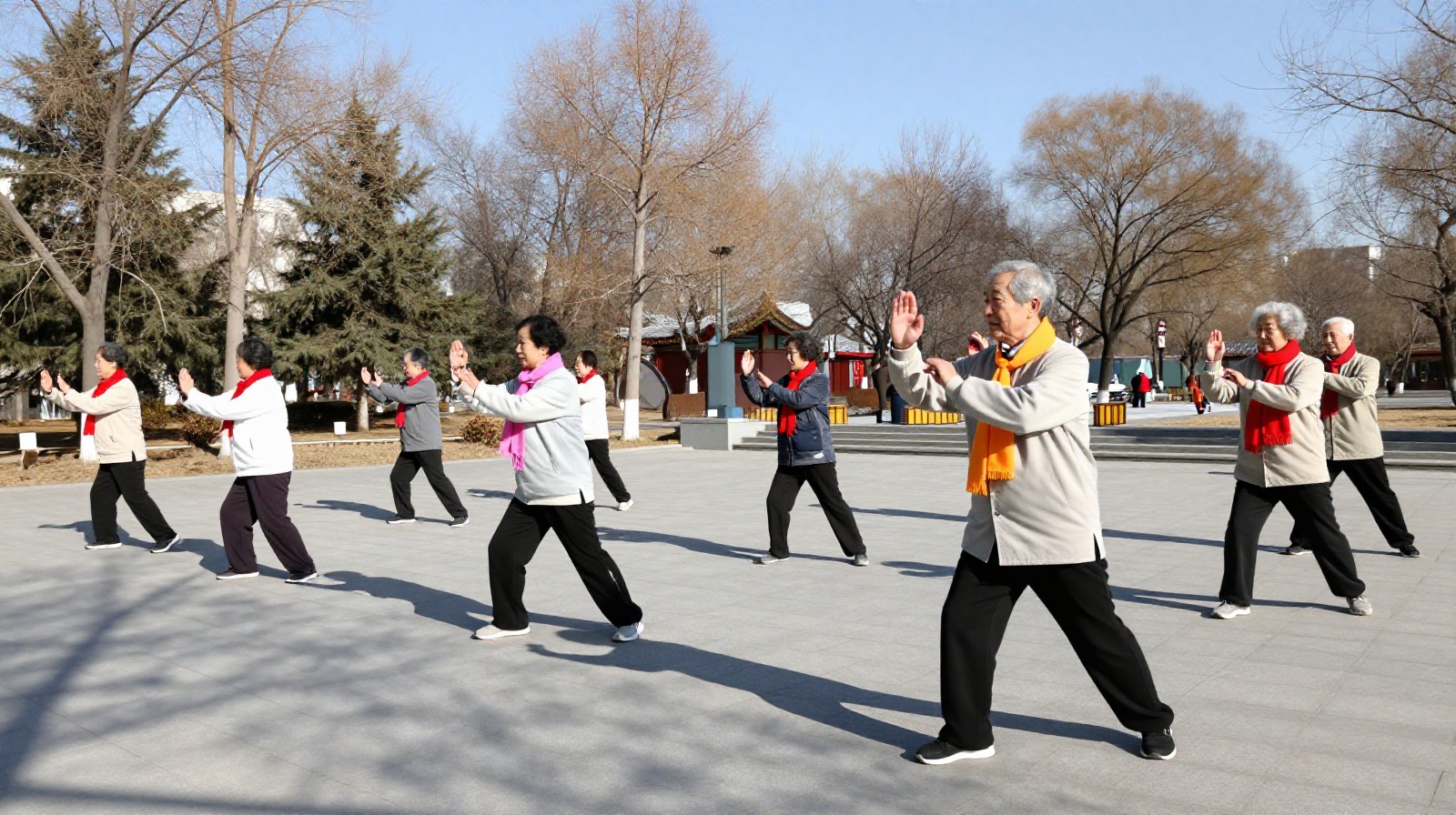
Li is not an outlier. Across major cities like Shanghai, Guangzhou, and Chengdu, residents have reported a similar shift. The constant grey haze that used to make people feel claustrophobic indoors has largely vanished. Instead, there is a renewed appreciation for outdoor life. Parks are filled with elderly people doing tai chi in the morning light, and families are taking longer walks on weekends without worrying about their lungs.
The Reality Check: It’s Not Perfect Yet
Is the air now perfect? No. The narrative shouldn’t swing too far the other way. In winter, when heating demands spike and weather conditions turn stagnant, there are still days when the sky turns hazy again. PM2.5 levels can occasionally rise above 100 during these periods.
Furthermore, regional disparities exist. While Beijing and Shanghai have cleared their skies dramatically, some industrial towns in northern China still struggle with localized pollution issues. The journey is not finished; it is simply on a much better track than before.
A New Chapter
The old stereotype of “China = Smog” was built on accurate observations from the past, but it failed to update with reality. Today, standing under that pale blue sky in Beijing, it is hard to reconcile the grim headlines of ten years ago with the clear air breathing through your lungs now.
This isn’t just about cleaner air; it’s a signal of a broader shift in how China approaches environmental governance. It shows that when political will aligns with technological capability and public demand, rapid change is possible. For foreign readers looking for a realistic picture of modern China, the sky is perhaps the most honest billboard we have.