
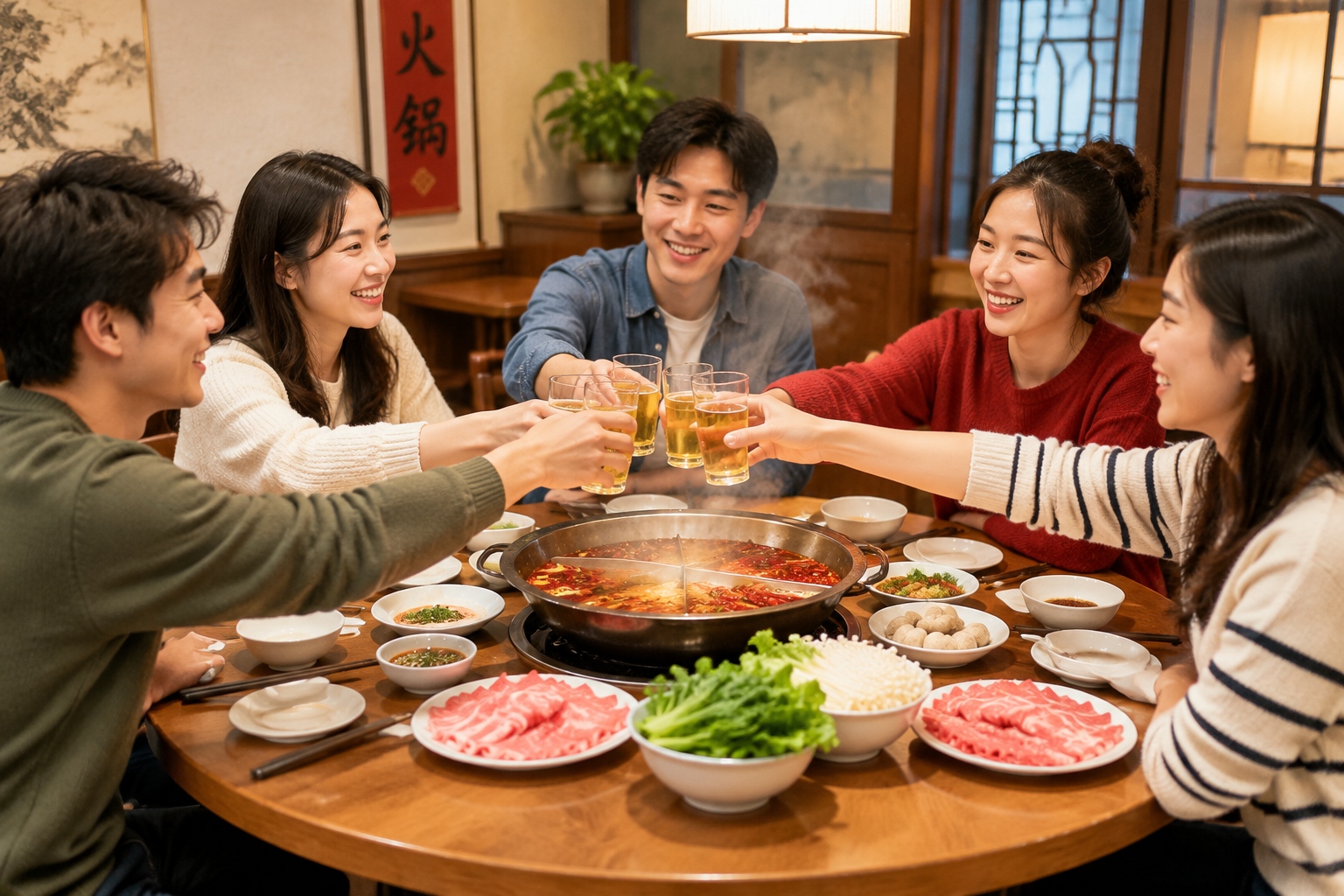

More Than Just Drinking
Imagine sitting at a round table in Chongqing, the air thick with spicy steam and laughter. You are holding a small glass of strong liquor, feeling slightly intimidated by the sea of people raising theirs in unison. In China, a dinner is rarely just about food. It is a social engine where relationships are built, deals are sealed, and trust is tested. The most critical moment? The toast.
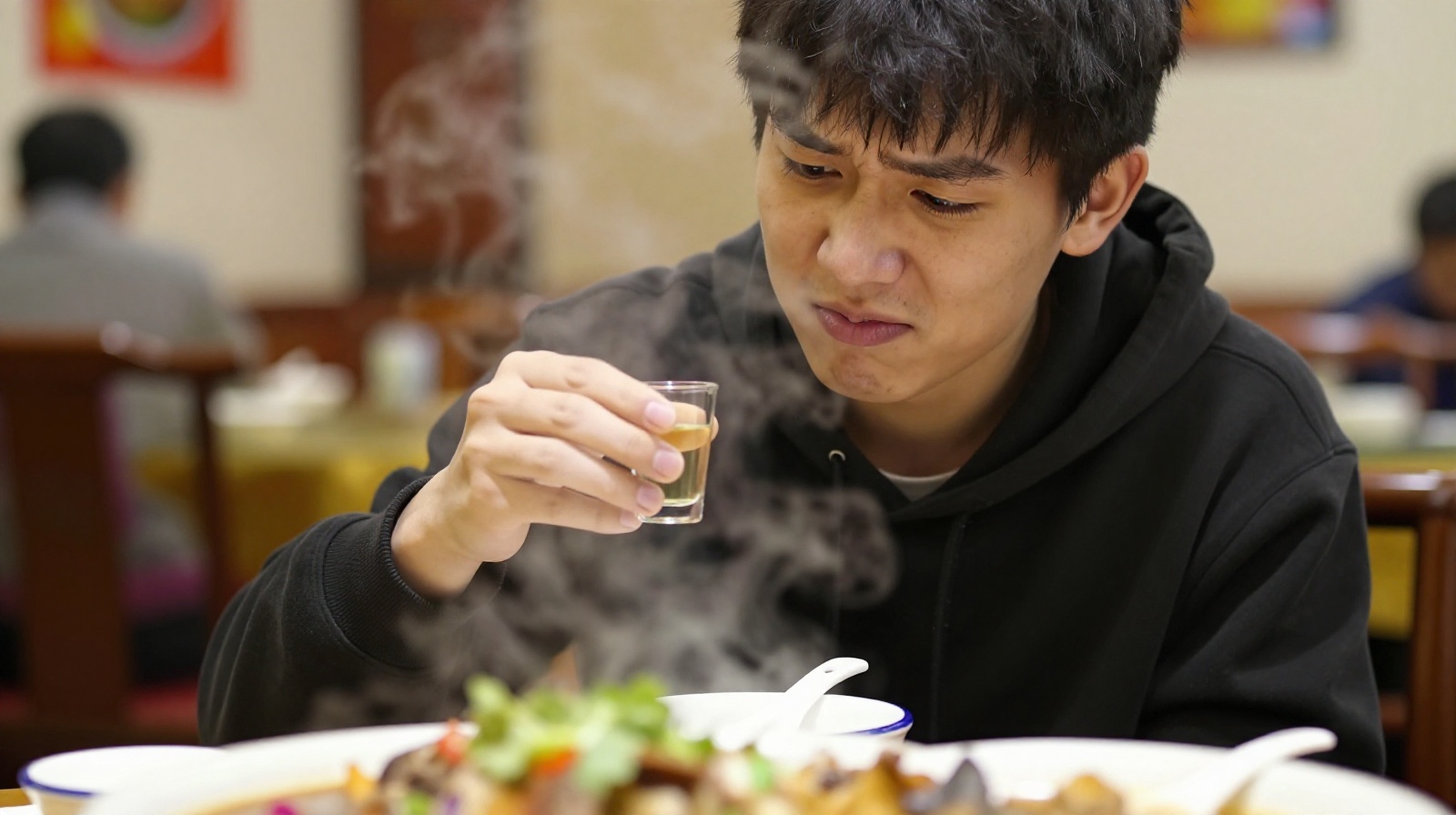
For outsiders, this ritual can feel overwhelming. But it doesn’t have to be scary. Think of the Chinese dinner table not as a battlefield, but as a choreographed dance where the rhythm changes depending on who is in the room.
The Golden Rule: Hierarchy and Timing
The biggest mistake foreigners make is raising their glass too early or at the wrong time. In China, hierarchy dictates everything. You do not drink until the most senior person—whether it’s the oldest relative, the highest-ranking boss, or the host—has raised theirs first.
At a family dinner in Beijing, this means waiting for your grandfather to lift his glass before you even touch yours. In a Shanghai business meeting, the junior employee waits for the CEO. Once the leader speaks their toast and everyone drinks, then it is your turn to respond.
If you are invited to join in later, stand up slightly to show respect, especially when toasting elders or superiors. It signals that you value them more than comfort.
What to Say: Beyond “Cheers”
Saying just “Ganbei!” (Bottoms Up) is fine for casual friends, but in formal settings, it sounds a bit empty. People appreciate effort. You don’t need to speak perfect Mandarin, but a sincere wish goes a long way.
Try these templates adapted for different scenarios:
- For the Host: “Thank you for your hospitality. I hope this meal brings us all good luck.” (Simple, polite, and universally appreciated.)
- For a Business Partner: “To our continued cooperation and success in the coming year.” (Focuses on the future relationship, not just drinking.)
- For Elders: “Wishing you good health and happiness.” (Safety first. Health is the most valued wish in Chinese culture.)

The Dance of Glasses: Body Language Matters
In many Western countries, clinking glasses at eye level is a sign of equality. In China, there is a subtle but important rule about glass height.
When toasting someone senior or more important than you, hold your glass slightly lower than theirs. It is a physical gesture of humility. Imagine holding an invisible line: their rim should be above yours. If you are peers, keep them level. This small detail shows you understand the social code without saying a word.
Also, make eye contact while clinking glasses. Staring at your drink or looking away can seem dismissive. A warm smile and direct gaze show sincerity.
The Art of Saying No
This is where many foreigners panic: the pressure to keep drinking. In China, “drunk” isn’t always a badge of honor; sometimes it’s just a sign of poor self-control. You are not obligated to finish your glass if you cannot.
If you need to stop, do it gracefully early on. Don’t wait until everyone is staring at your empty glass. Say something like, “I have an important meeting tomorrow, so I will sip slowly today.” Most Chinese hosts understand this perfectly. If pressed harder, you can offer a compromise: “Let me drink half for respect, but the rest must stay in my throat.” Or simply pour some tea instead of alcohol.
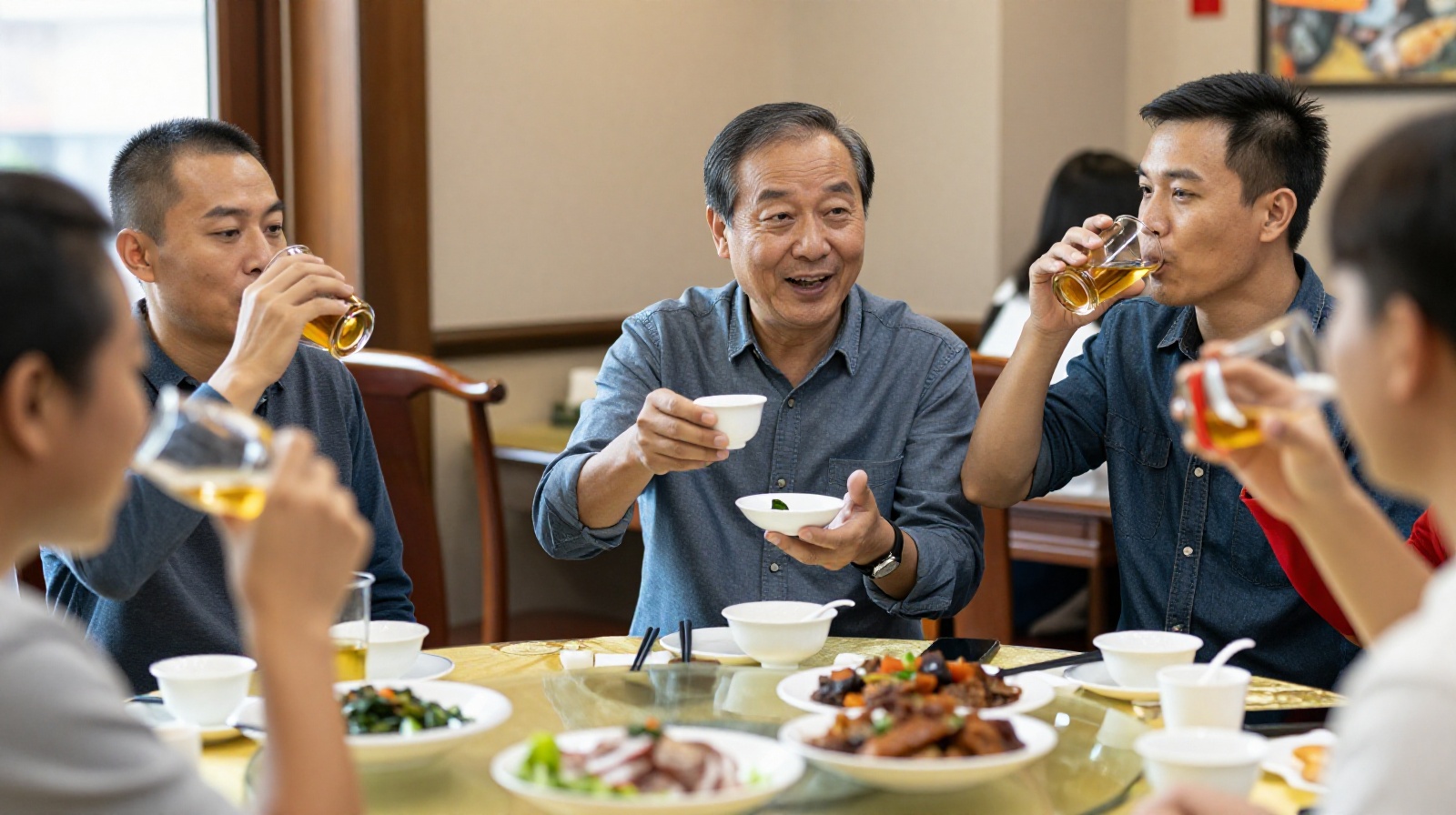
Context is King: Business vs. Family
The rules shift depending on the setting. In a family banquet, the mood is warmer and more chaotic. The focus is on bonding, not closing deals. You might get pestered to drink with every elder, but it comes from love.
In contrast, a business dinner is more structured. The host leads the first round. Subsequent rounds are often led by specific individuals toasting specific partners. Here, the goal is respect and professionalism. Over-drinking can actually hurt your credibility; being reliable and sober is often seen as more attractive than being rowdy.
Final Thought: Be Yourself
At the end of the day, Chinese people value sincerity over perfection. If you stumble with a phrase or accidentally hold your glass too high, a genuine apology and a smile will fix it instantly. They want you to feel welcome, not judged. So take a breath, enjoy the food, and remember: the goal is connection, not intoxication.
Start the discussion at forum.chinacomes.com