

The Terminal Was Waiting
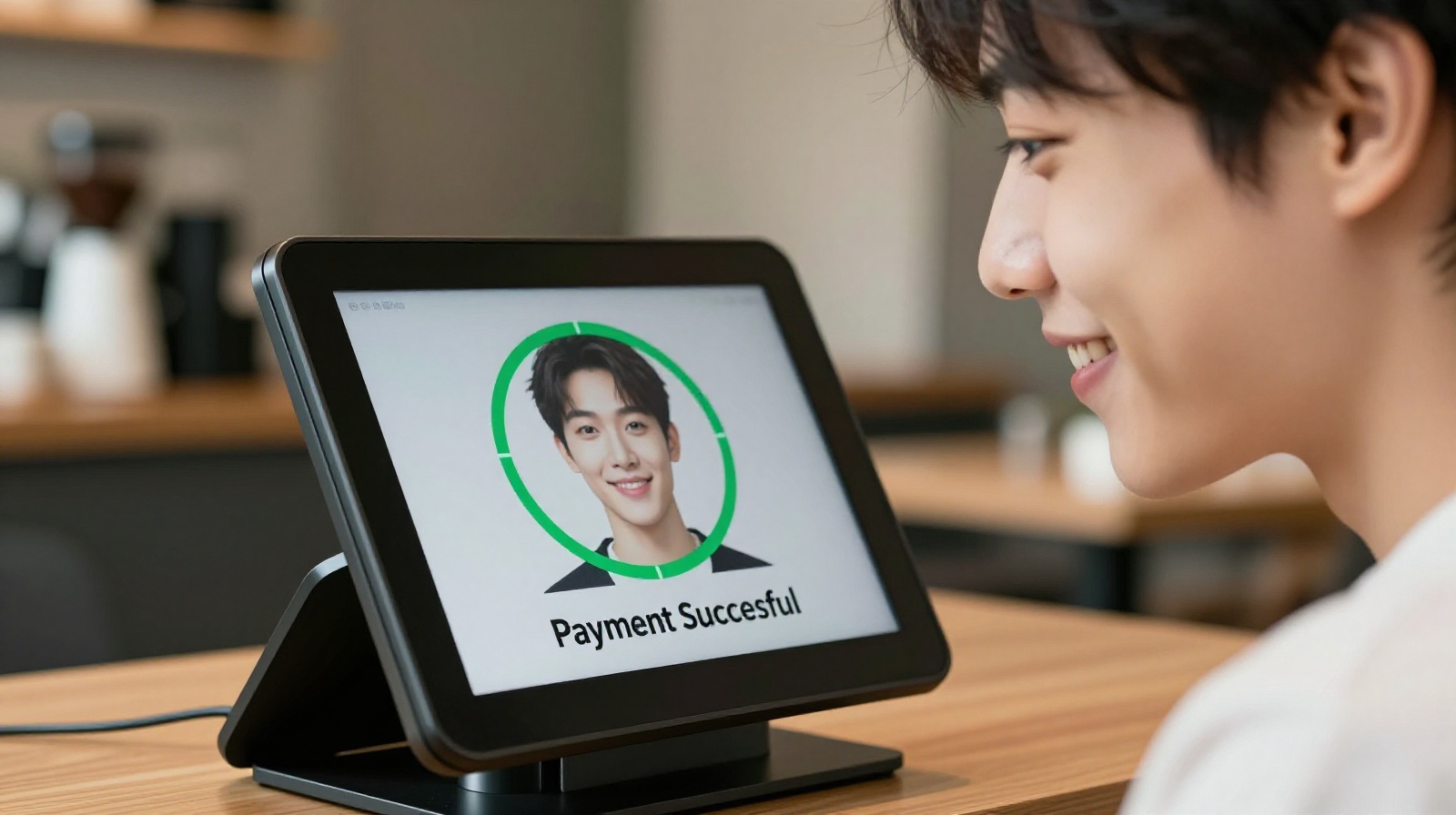
It was 8:15 AM on a Tuesday in Shanghai. The air smelled of roasted beans and rain. I stood at the counter of a small, automated coffee kiosk that had no cashiers, no card slots, and no QR code stand for me to scan with my phone.
I only wanted a black Americano. In most cities around the world, this means pulling out a wallet or tapping a phone. Here, I just looked at the screen.
The kiosk’s camera blinked on. A soft green ring pulsed around my face frame. Beep. The machine recognized me instantly. It pulled up my profile, applied my usual discount for morning regulars, and charged 28 yuan to my account linked to my digital identity.
The whole transaction took less than three seconds. Before I could even reach into my pocket, the coffee was ready in the dispensing slot below.
More Than Just Convenience
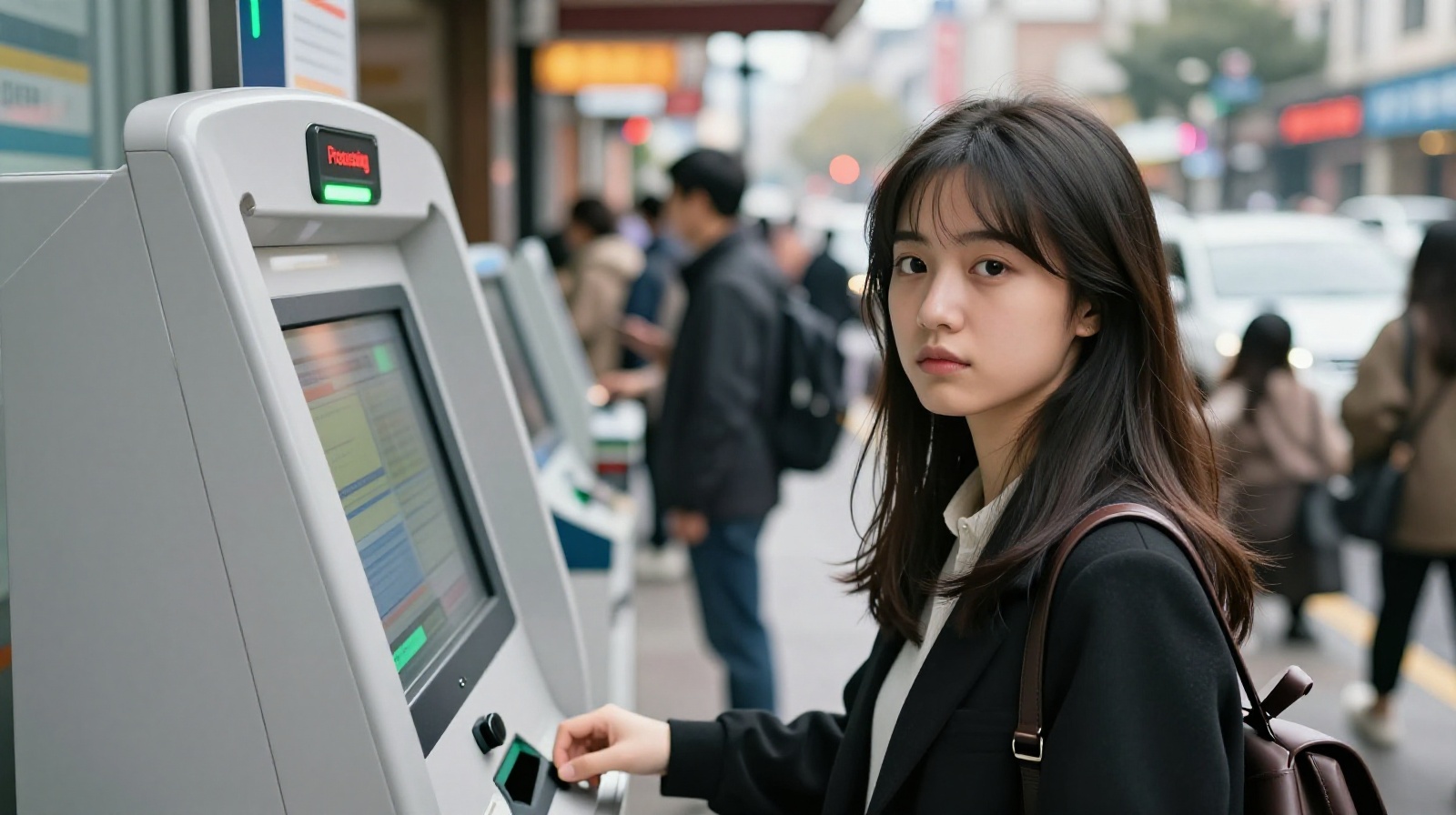
What struck me wasn’t just the speed; it was how natural it felt. The woman next to me, waiting for her oat milk latte, didn’t even look up from her phone as she tapped her face against the sensor.
I asked her about it in a mix of broken English and gestures. She smiled and said, It’s faster than my fingers. And I don’t have to remember another app password.
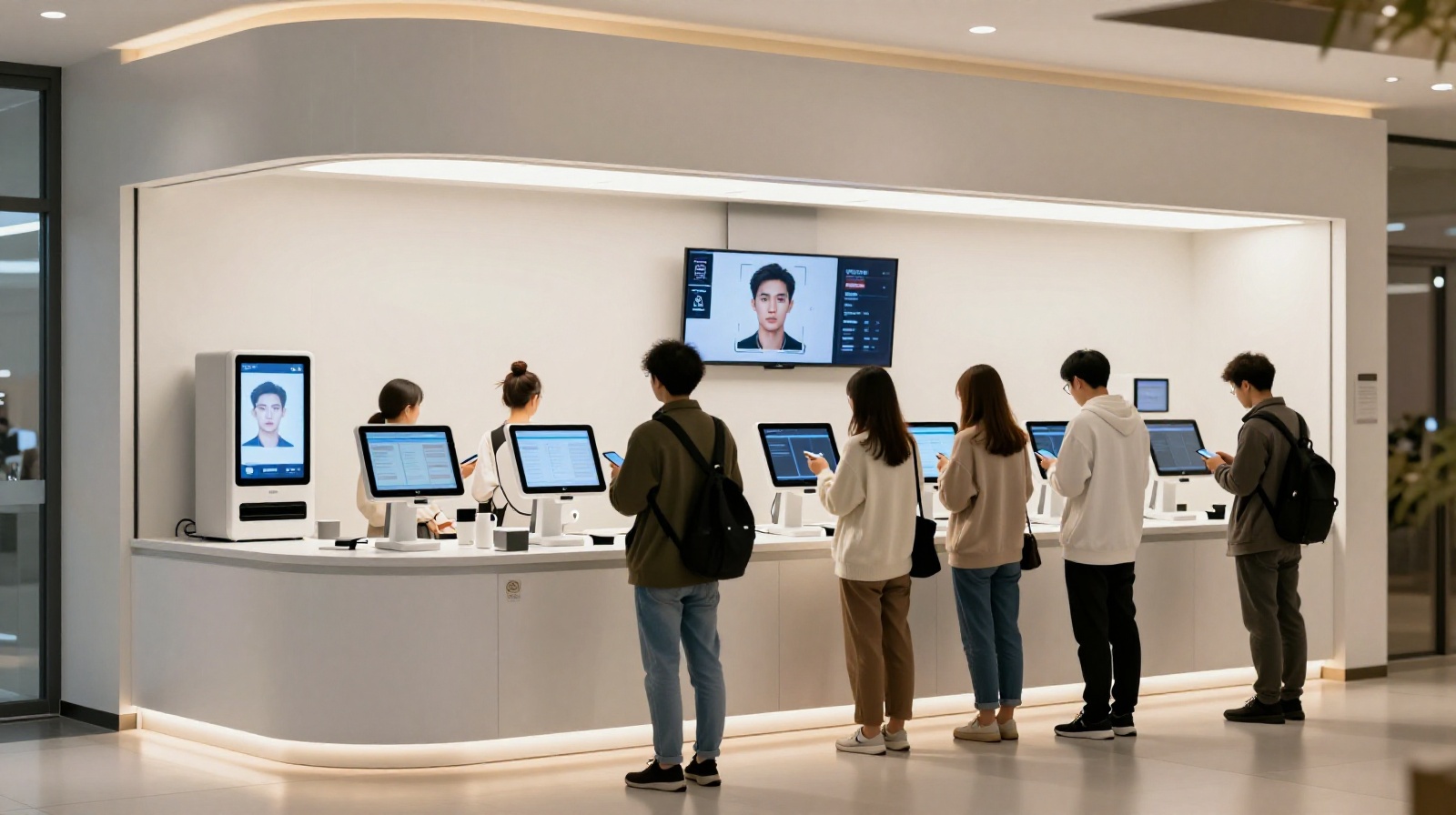
This is facial recognition payment technology, widely known as mian shui in China. It has moved far beyond the novelty of trying it once. In bustling districts like this one, over 90% of transactions at similar kiosks are now face-based.
The shift isn’t just about saving time; it’s a fundamental change in how commerce flows. For small businesses, the cost of installing these terminals is significantly lower than hiring staff or maintaining complex card readers. The machines handle peak morning rushes without needing extra hands, reducing labor costs by up to 40%.
The Safety Question
Of course, there’s the elephant in the room: safety. In Western media, facial recognition often sparks debates about privacy and surveillance. Standing there, I wondered if my data was safe.
I spoke to a technician who was restocking beans nearby. He explained that the system doesn’t store photos of your face. Instead, it creates a unique encrypted mathematical code based on your facial features. Even if a hacker stole that code, they couldn’t reverse-engineer it back into a picture of you.
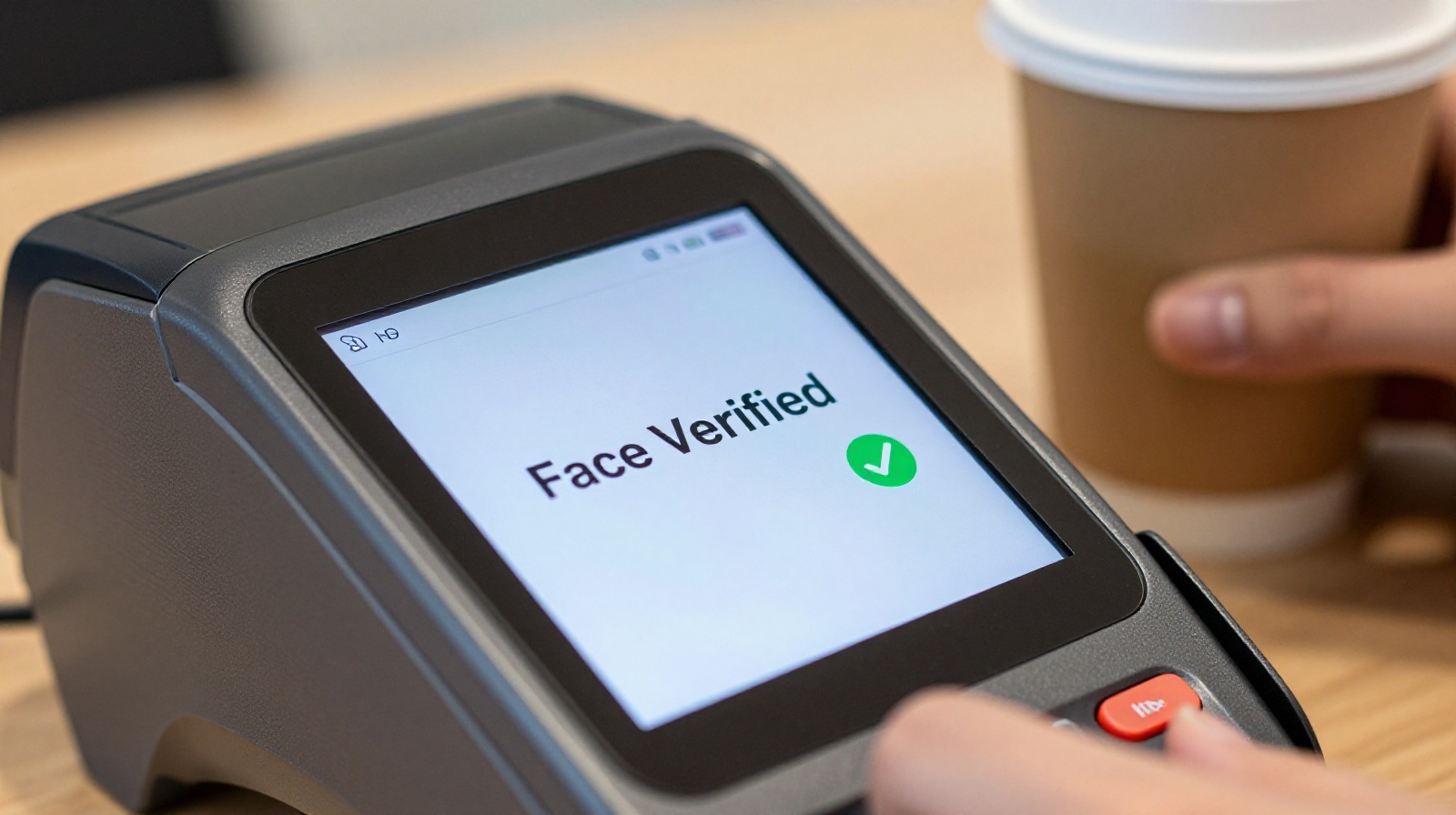
Furthermore, users must actively consent to link their identity to their payment account. It’s not a passive scan; it requires the user to stand still and look directly at the camera for verification. If someone tried to use a photo or a video on my phone screen, the system would reject it immediately because it detects depth and micro-movements.
There are moments of anxiety, I admit. Walking down the street with no wallet feels different. But then I remember that in China, cash is rarely used anymore, and we’ve long accepted that our digital IDs double as our wallets. The trade-off between convenience and privacy is a personal calculation, not a government mandate.
The Future Is Already Here
As I walked away with my hot coffee, the kiosk screen went dark, ready for the next customer. There was no receipt printed, no long line to exit.
This isn’t a glimpse into 2050. This is Tuesday morning in Shanghai. The technology has quietly integrated itself into the fabric of daily life, becoming as ordinary as turning a key or swiping a card used to be.
For travelers and observers from abroad, it can feel surreal. But for us living here, it’s just another way to start the day—quickly, cleanly, and with nothing but our own face.