
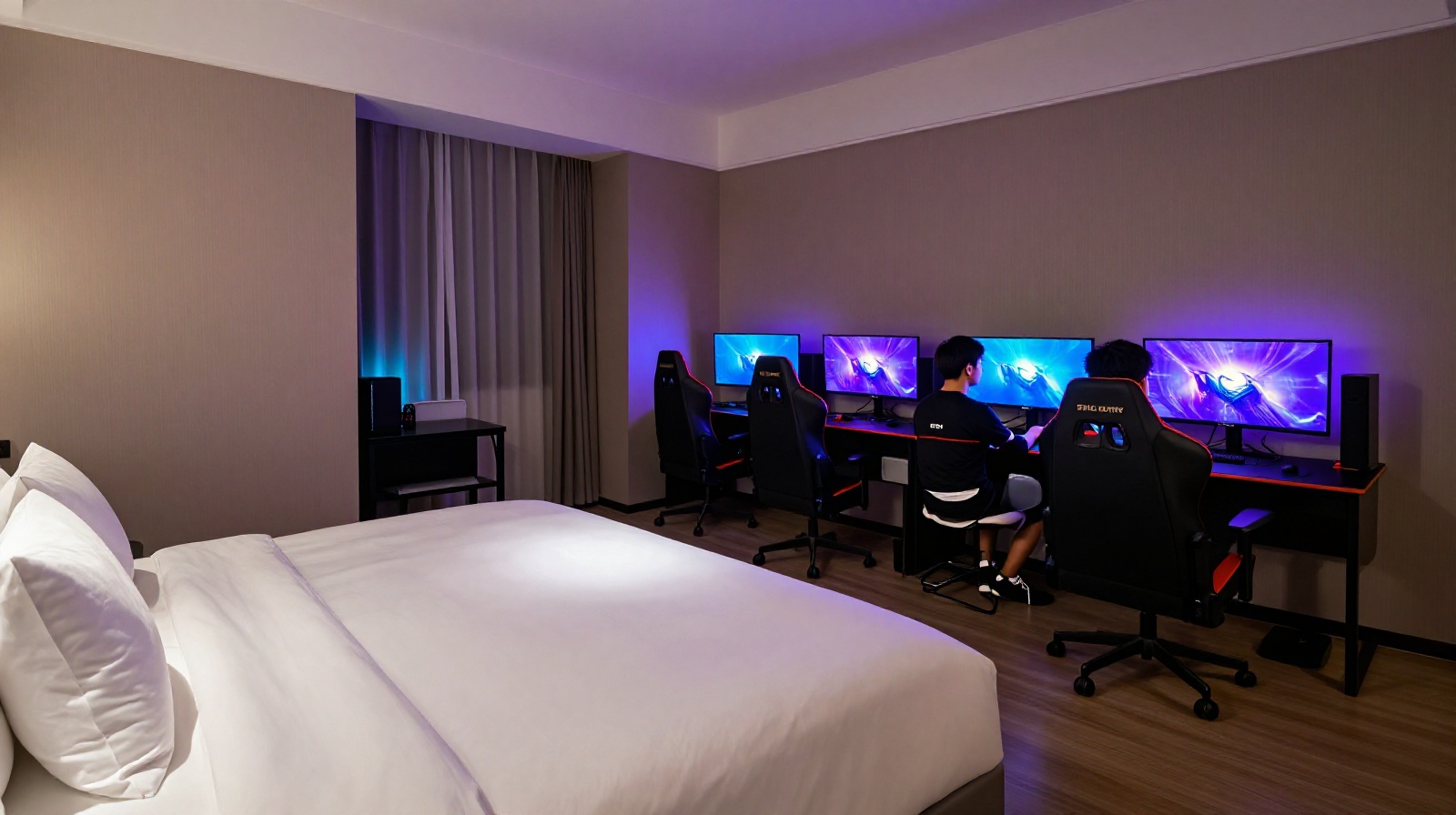

A Room Where the Bed Meets the Battlestation
Imagine a hotel room where the first thing you see isn’t a desk, but a wall of monitors. The air conditioning hums quietly, not to mask the sound of keyboards clacking. Instead, it’s designed for long sessions. You walk in, drop your bag by a king-sized bed with plush pillows, and turn to a computer setup that costs more than most people’s monthly rent.
This is an E-sports hotel, a phenomenon sweeping through Chinese cities like Chengdu, Shanghai, and Hangzhou. It’s not a traditional internet cafe where you sit on a plastic chair for hours, nor is it a standard hotel room with just a small TV. It’s a hybrid designed specifically for the ‘gamer’ lifestyle.
Who Is Booking These Rooms?
The demographic is distinct. While you might see older business travelers in traditional hotels, E-sports rooms are dominated by Gen Z—university students and young professionals on weekends. They aren’t just looking for a place to sleep; they want a private space to ‘carry’ (a gaming term for winning) with their squad without judgment.
For many Chinese college students living in cramped dormitories, this is a relief. Dorms have strict curfews and shared walls. In an E-sports hotel, you can order delivery food at 2 AM, play competitive matches until sunrise, and still get a decent shower before heading to class or work the next day.
Solving the ‘Third Space’ Problem
Traditional internet cafes in China have long suffered from stigma: they were often associated with smoky air, disorganized environments, and hygiene issues. Meanwhile, going home to play meant dealing with family members, noise complaints, or limited hardware.
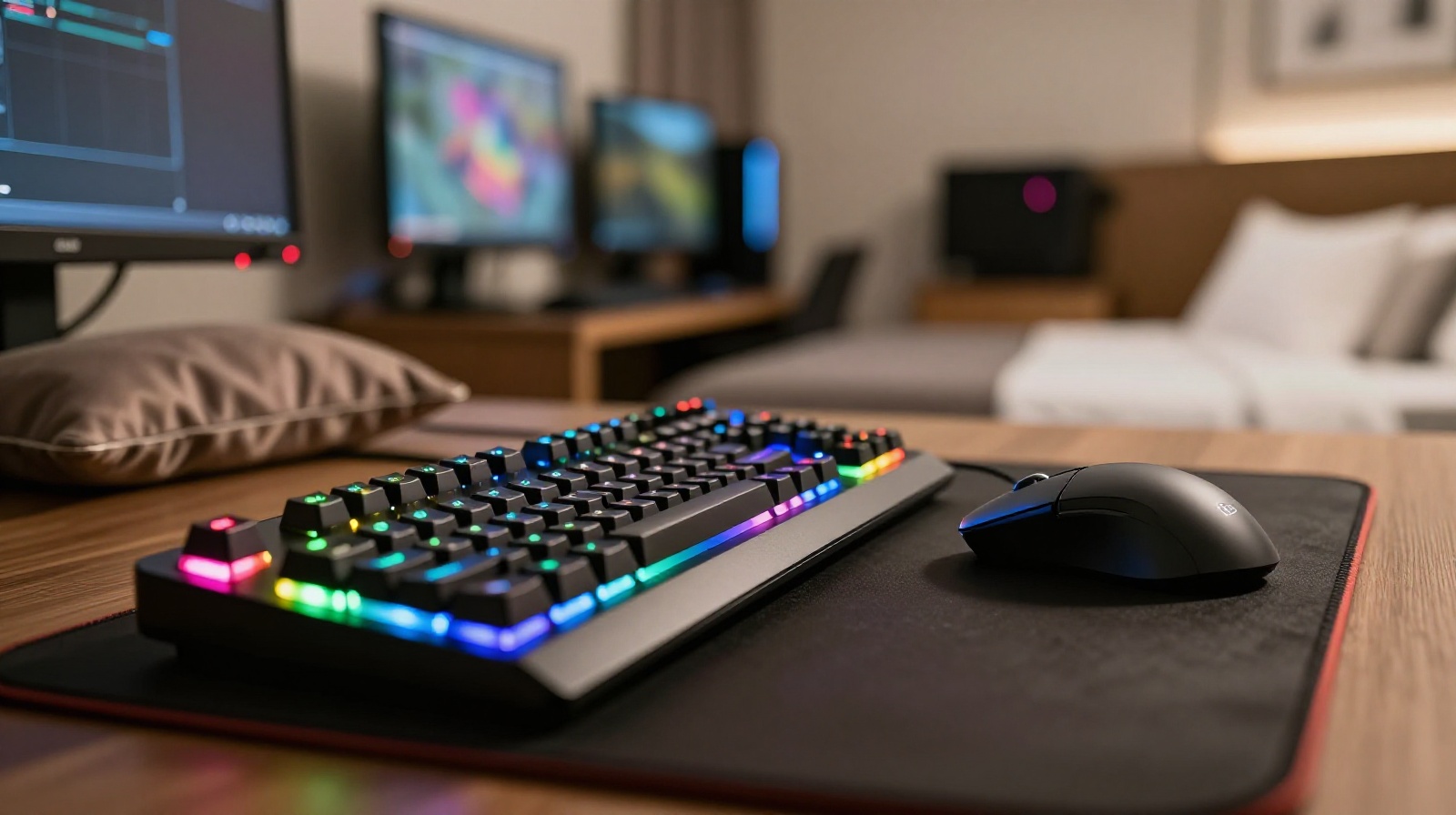
E-sports hotels solve both problems. They offer the high-end equipment of a top-tier gaming center—RTX graphics cards, 240Hz monitors, mechanical keyboards—all within the privacy and cleanliness of a hotel room. The business model is simple: rent by the hour or for an overnight stay. A typical room costs between 150 to 300 RMB ($20-$40 USD) per night, which is often comparable to a standard hotel room but offers significantly better gear.
The Night Economy and Social Dynamics
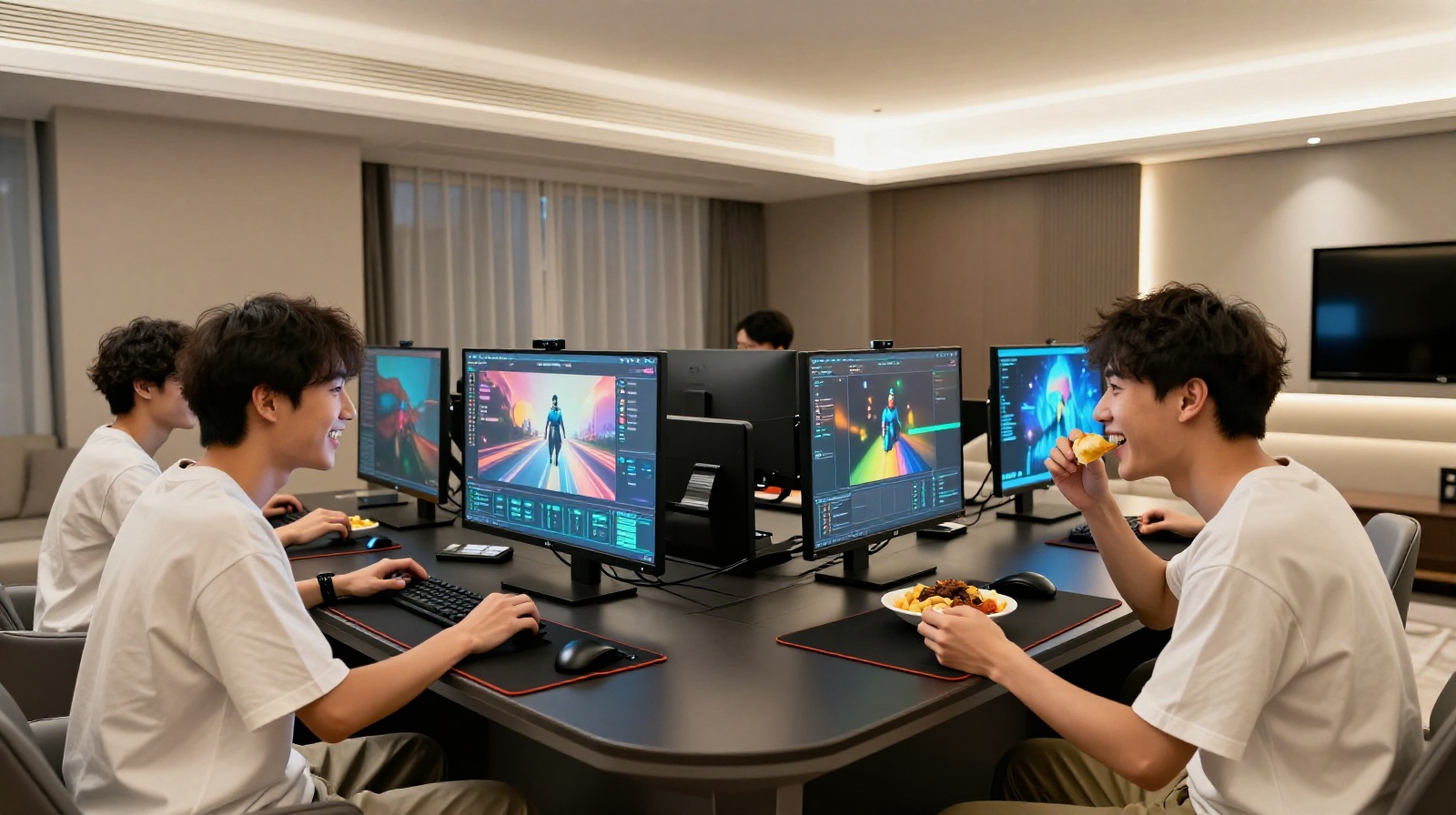
These hotels have become a unique pillar of China’s ‘night economy.’ Unlike bars or clubs where the focus is on drinking, these spaces are about shared digital experiences. It’s common to see groups of four or five friends renting a suite, ordering bubble tea and hot pot delivery, and streaming their gameplay for each other.
It represents a shift in how young people socialize. They don’t need to go out into the noisy streets; they create their own micro-community within a soundproofed room. This has also changed hotel management strategies, with many chains now specializing in ‘gaming suites’ that include mini-fridges stocked with energy drinks and customized lighting.
Not Without Controversy
However, the rise of E-sports hotels isn’t without friction. Noise is a major issue. Even with soundproofing, the shouting and cheering from adjacent rooms can be heard, leading to complaints in buildings where regular guests also stay. Local regulations are still catching up to this new model.
Some cities have imposed strict rules on operating hours or require special licenses for gaming equipment, creating a gray area for smaller operators. There are also concerns about minors accessing these facilities late at night without parental consent, prompting some chains to implement stricter ID verification systems.
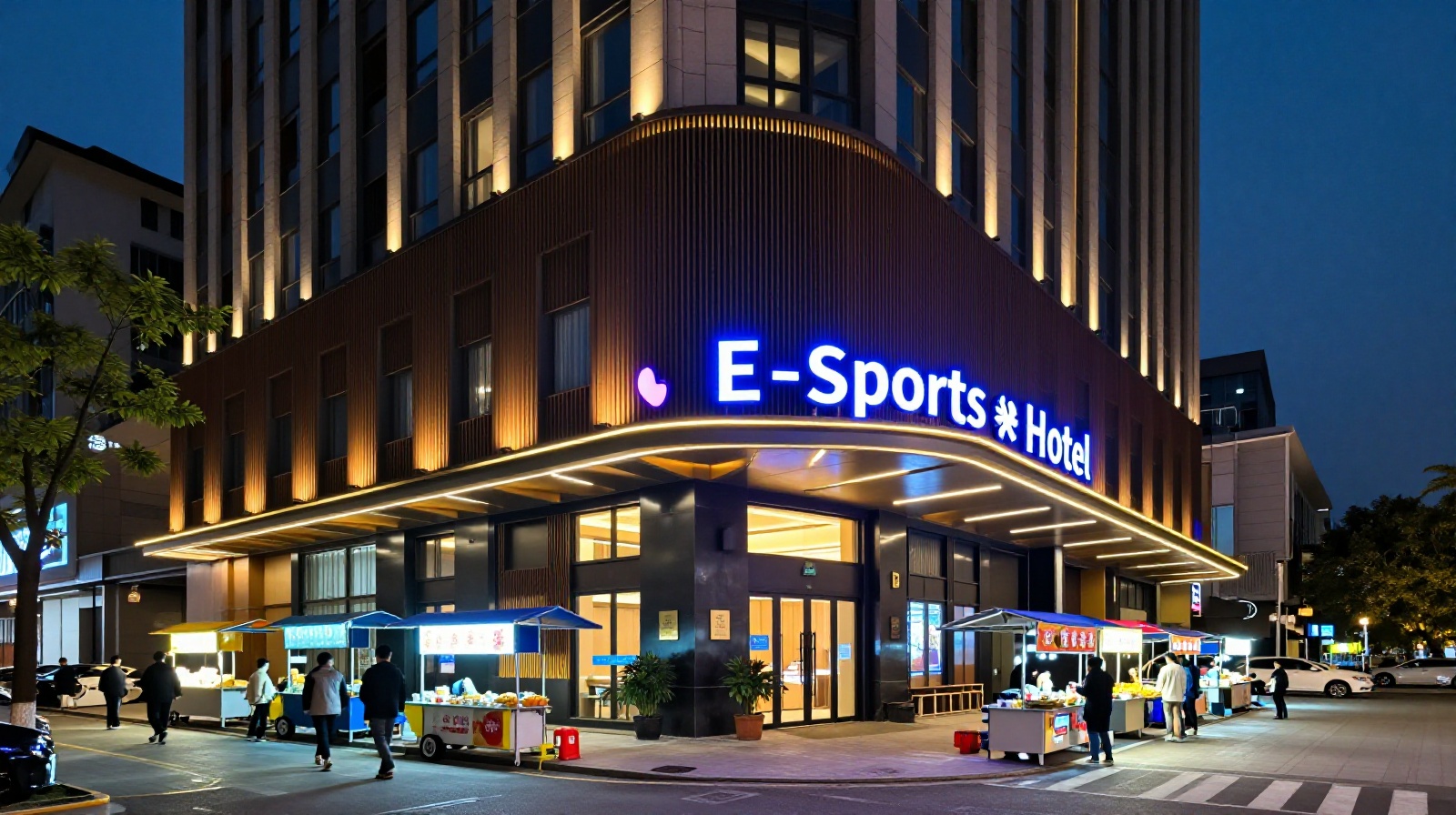
A Glimpse into Modern Chinese Youth Culture
Ultimately, the E-sports hotel is more than just a place to play. It reflects a generation that values digital immersion and privacy equally. It shows how technology has evolved from a tool for work or study into a primary venue for leisure and social connection.
For an outsider, it might look like an obsession with screens. For the locals, it’s simply the most logical way to relax: high-tech comfort, no family pressure, and the freedom to stay up all night when you need to win.