

A Bowl of Warmth in a Humid City
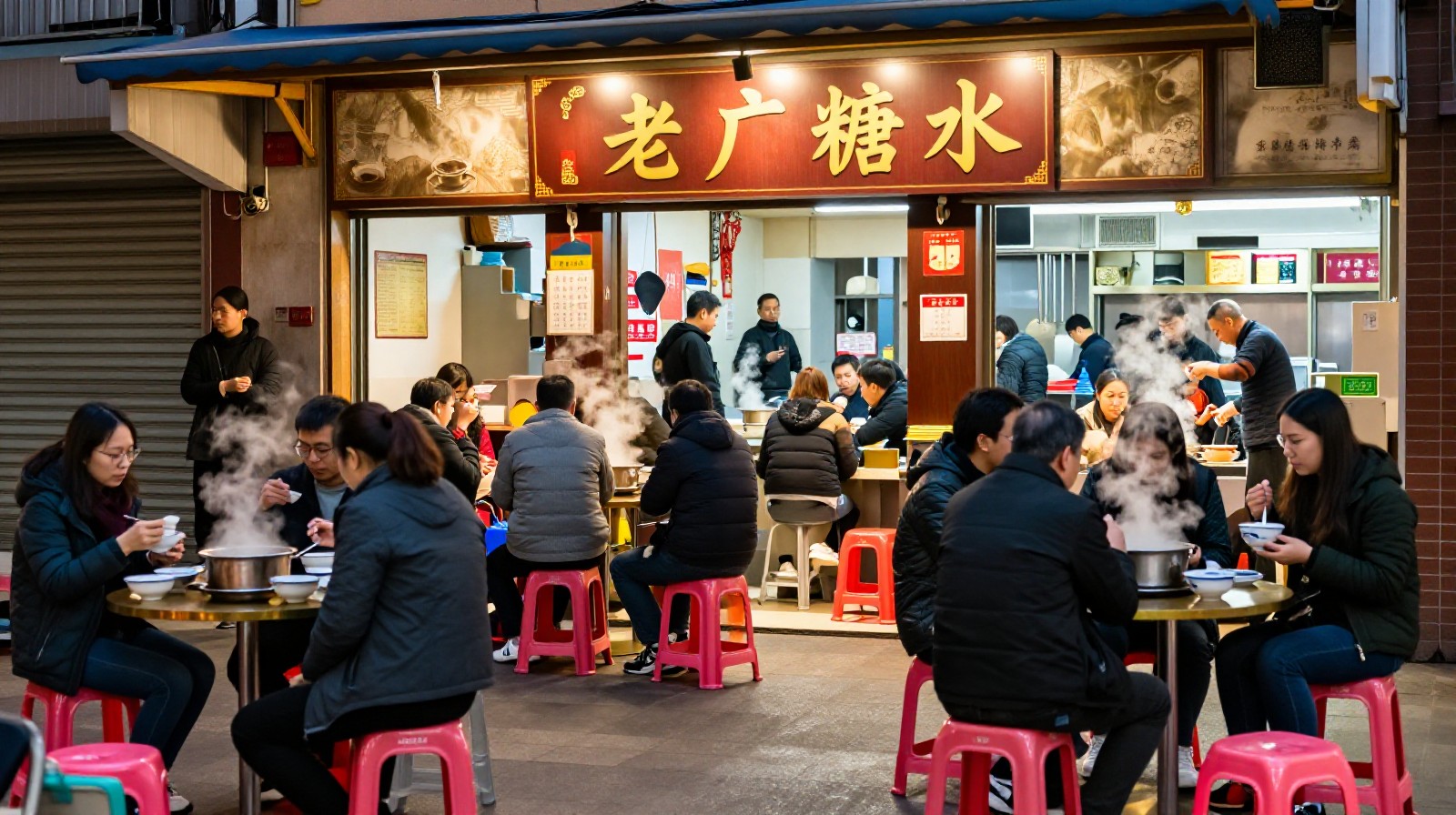
It is 4:00 PM on a sweltering Tuesday in Guangzhou. The humidity hangs heavy, sticking shirts to backs and turning the city into a steam room. Yet, inside a small, unassuming shop with peeling paint and plastic stools, a line of young office workers waits patiently. They are not waiting for coffee or bubble tea. They are here for tong sui, or sweet soup.
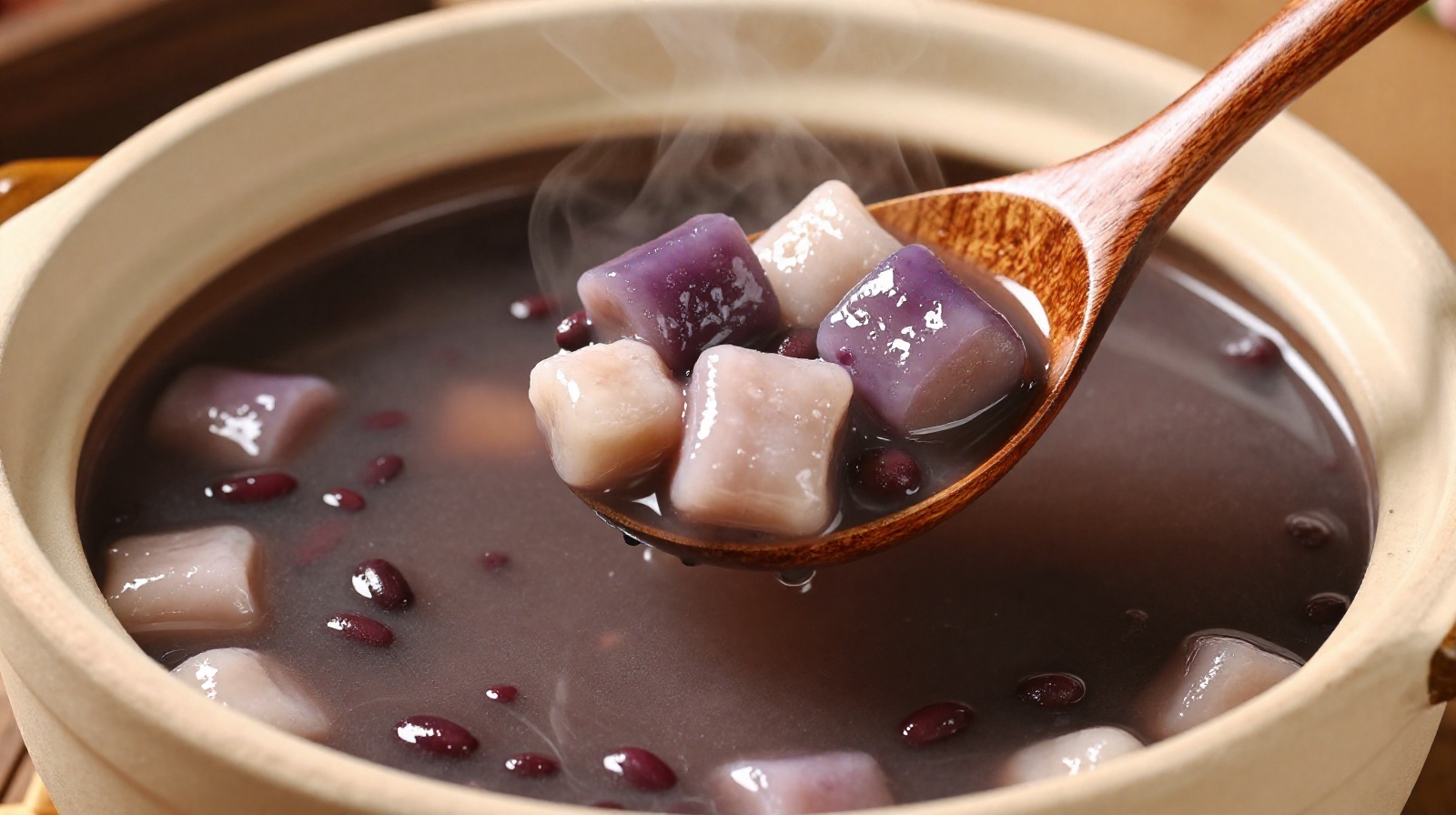
To an outsider, the menu might look confusing: red bean paste with taro balls, bitter melon jelly, and ginger milk curd. In the West, these would be dismissed as desserts or oddities. But in Guangdong, tong sui is a functional food system. It is not just about sugar; it is about temperature, balance, and the ancient Chinese concept of maintaining harmony within the body.
Beyond Sugar: The Logic of TCM
The core philosophy behind tong sui lies in Traditional Chinese Medicine (TCM). In this framework, food has properties—hot, cold, warm, or cool—and every ingredient affects the body’s internal balance. When a person feels “internal heat” (known as shanghuo), often triggered by spicy food, stress, or the humid weather, they need something cooling to counteract it.
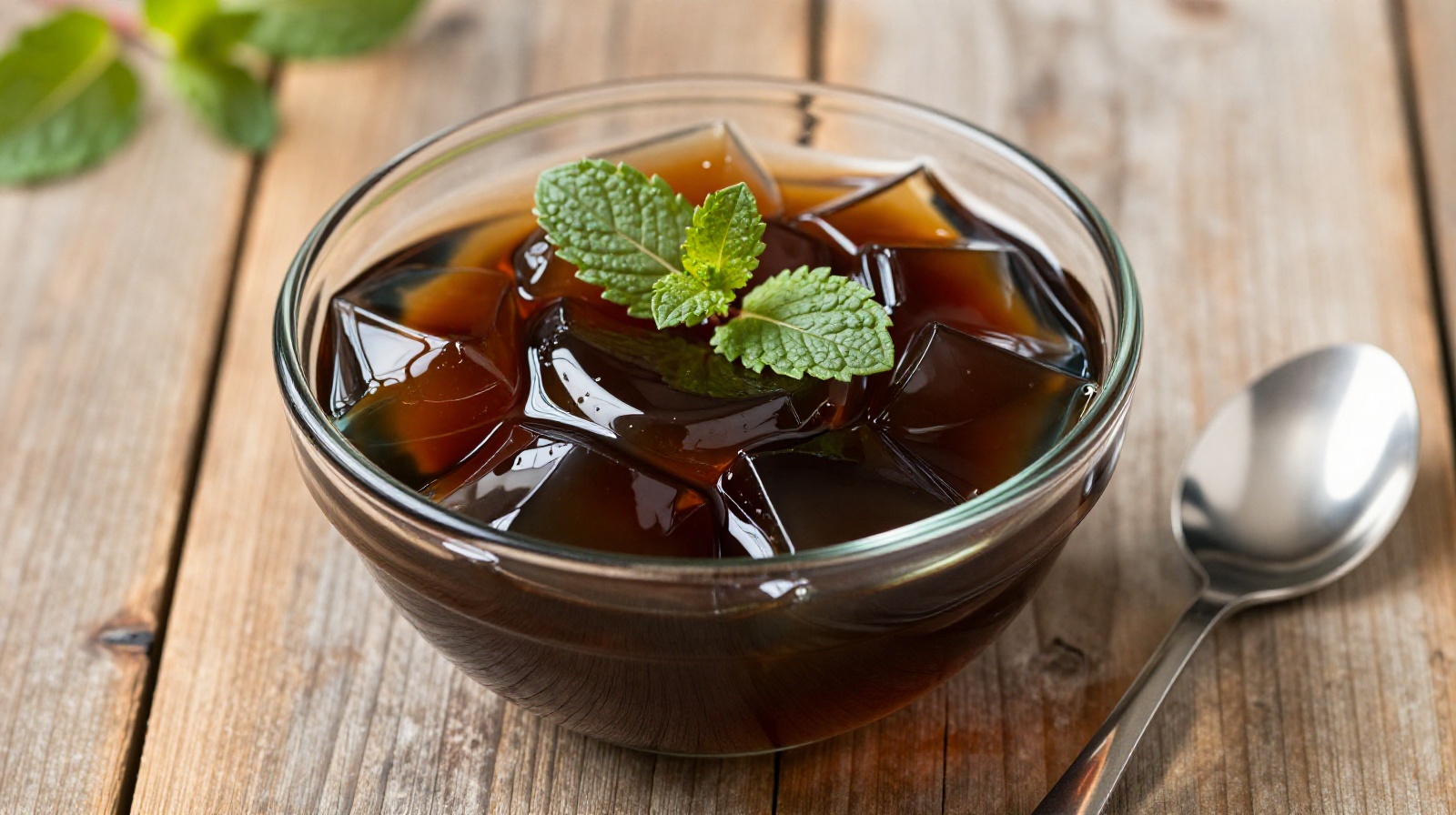
Consider Guilinggao, a dark jelly made from the root of the tortoise plant. It is bitter and gelatinous, served with brown sugar syrup in summer. Locals believe it clears heat and detoxifies the blood. Then there is Jiangzhuangnai (ginger milk curd), a dish where hot ginger juice coagulates fresh milk into a soft white pudding. It is strictly for winter or rainy days when the body feels cold, as ginger warms the stomach and dispels dampness.
This isn’t superstition; it is a personalized dietary strategy. A 25-year-old programmer suffering from eye strain might order Chrysanthemum soup to clear heat from the eyes. An elderly woman recovering from a cold will ask for Lily bulb soup to nourish the lungs. The sweetness is merely the delivery mechanism for these therapeutic effects.
The Street Corner Pharmacy
You can find tong sui everywhere in Guangdong, from Michelin-starred restaurants to 50-year-old street stalls on narrow alleyways. In Guangzhou’s Liwan District, families gather around low tables after dinner. The sound of spoons clinking against ceramic bowls fills the air. It is a social space where generations intersect.
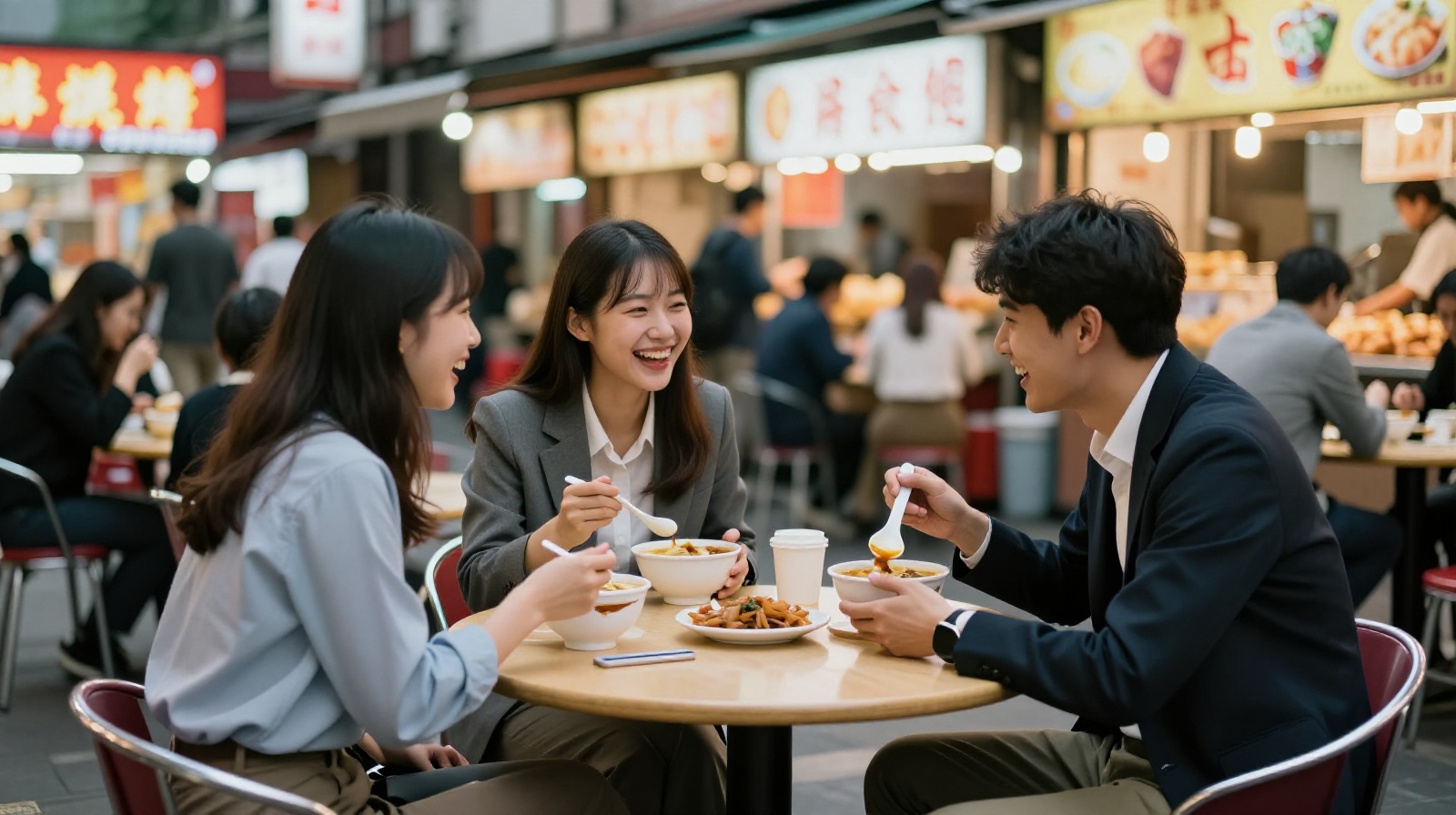
For Gen Z workers, it has become a modern ritual. After finishing tasks at an open-plan office, colleagues walk to the nearest stall for a quick 15-minute break. They share a bowl of Mung Bean soup, which is light and refreshing, helping them cool down before returning to work. It replaces the afternoon slump coffee with something that feels more nurturing.
The Balance of Sweetness and Medicine
It is important not to overstate the medicinal power. Tong sui shops are businesses first; they sell taste. The sugar content can be high, and many modern recipes have reduced bitterness to appeal to younger palates. However, the cultural intent remains. It is a reminder that in Chinese culture, health is not just about avoiding disease but about daily maintenance.
In a city of 18 million people, where life moves at breakneck speed, tong sui offers a pause. It is a small bowl of warmth and logic in a chaotic world. Whether it is the cooling red bean or the warming ginger milk, every spoonful tells a story of how ordinary people navigate their environment through taste.