
When the Dust Settles
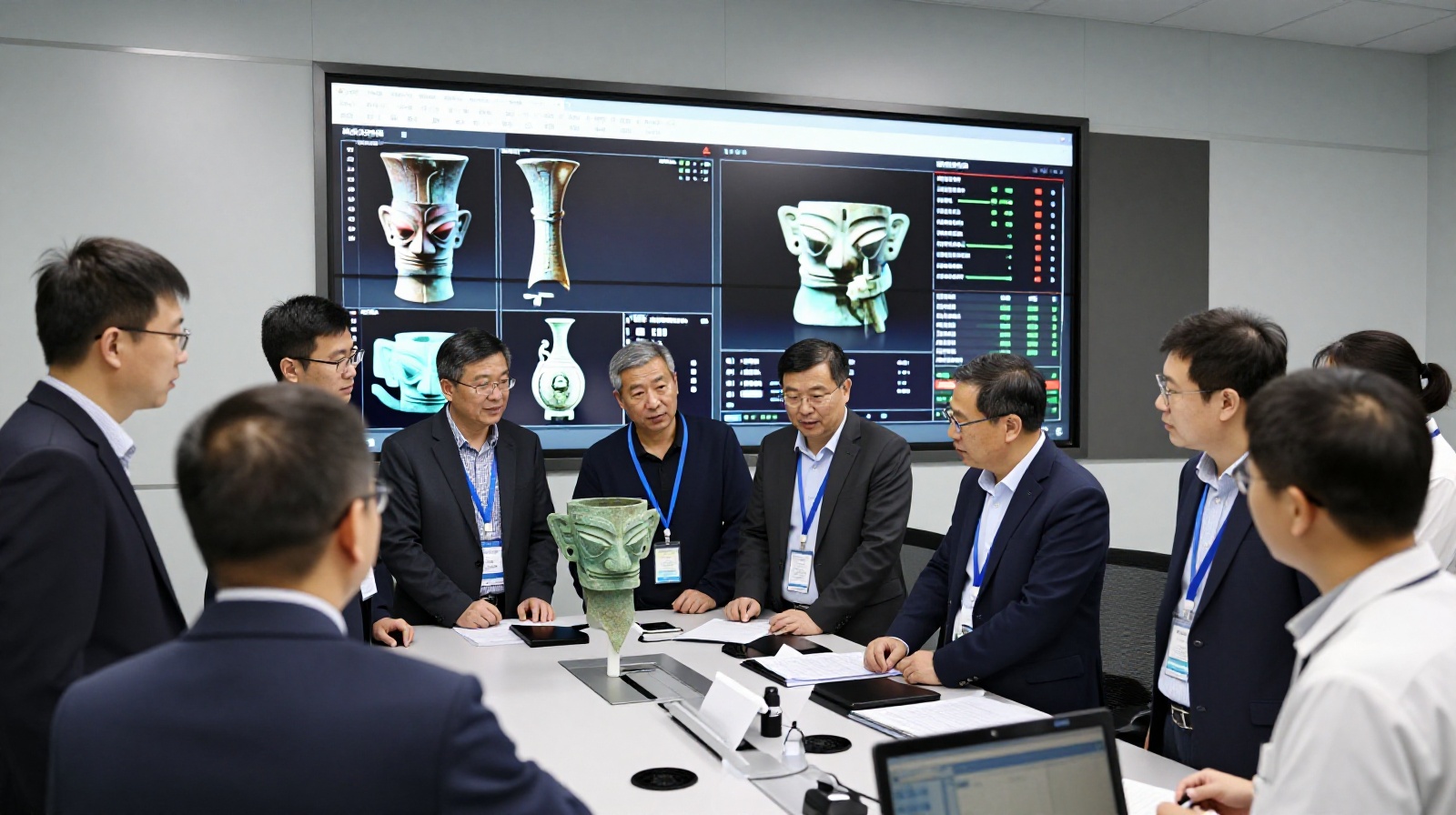
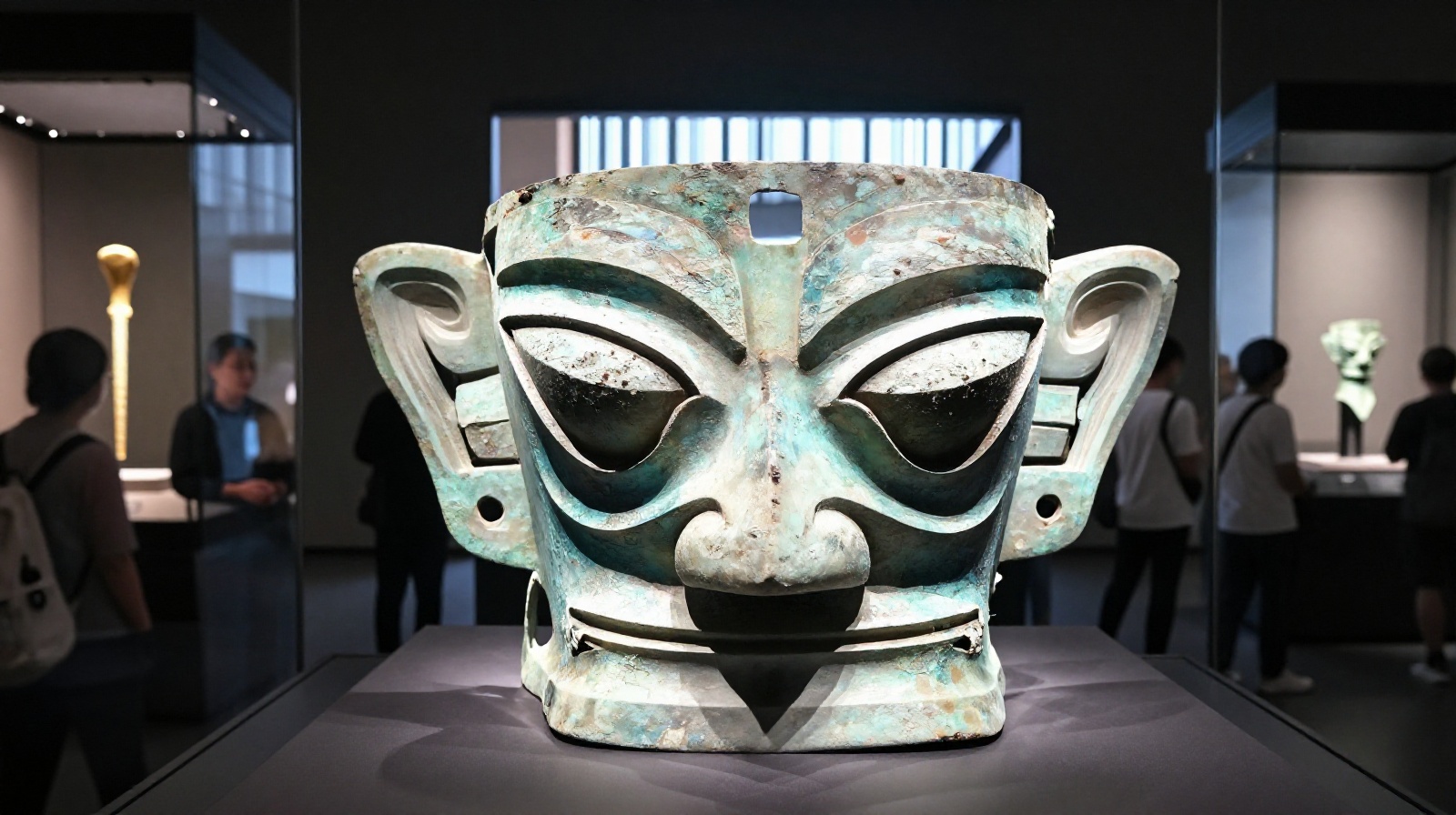
The air in the new excavation hall at Sanxingdui is cool and dry, smelling faintly of earth and preservation chemicals. It is quiet enough to hear a pin drop. A curator in a light blue uniform adjusts the temperature around a newly unearthed bronze mask. Its eyes are not just large; they protrude outward like telescope lenses on a sci-fi robot. Beside it lies a golden scepter, its intricate patterns shimmering under museum lights.
For years, Western media and curious observers have whispered about these finds, calling them evidence of ‘ancient aliens’ or lost civilizations from other galaxies. The logic was simple: the art style is so different from the familiar bronzes of the Shang Dynasty that it seemed impossible for a single culture to produce both.
But history is rarely that binary. What we are seeing at Sanxingdui, located in Sichuan province, is not an alien visitation. It is a complex, indigenous civilization—one of many distinct cultural nodes within what would eventually become the unified Chinese civilization.
Beyond the Shang Dynasty Narrative
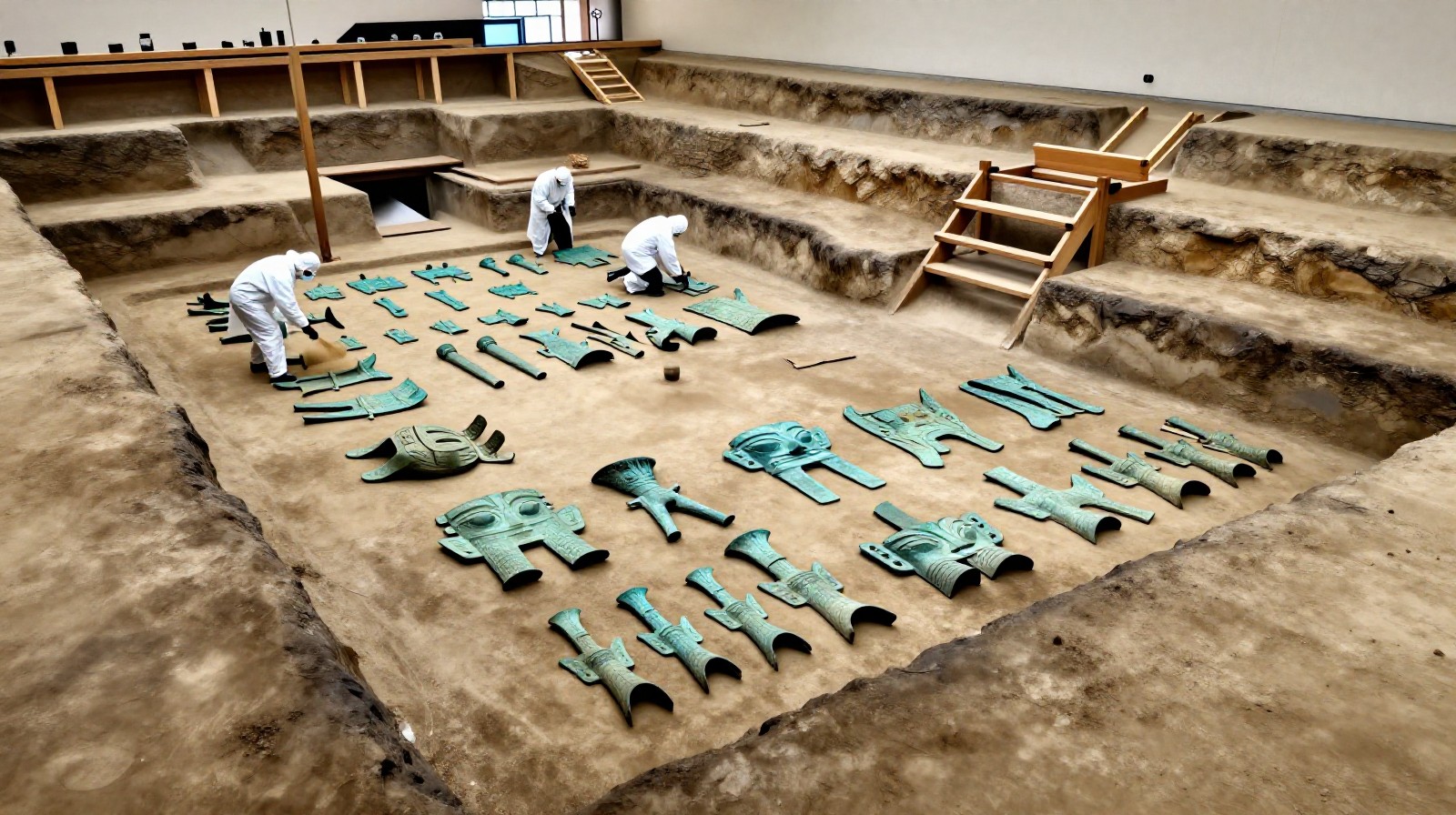
Traditional history books often painted a single line of development: a central culture spreading outward from the Yellow River valley. Sanxingdui disrupts this linear timeline. Excavations in recent years, particularly around the 2020-2023 seasons, have uncovered six new sacrificial pits filled with thousands of items.
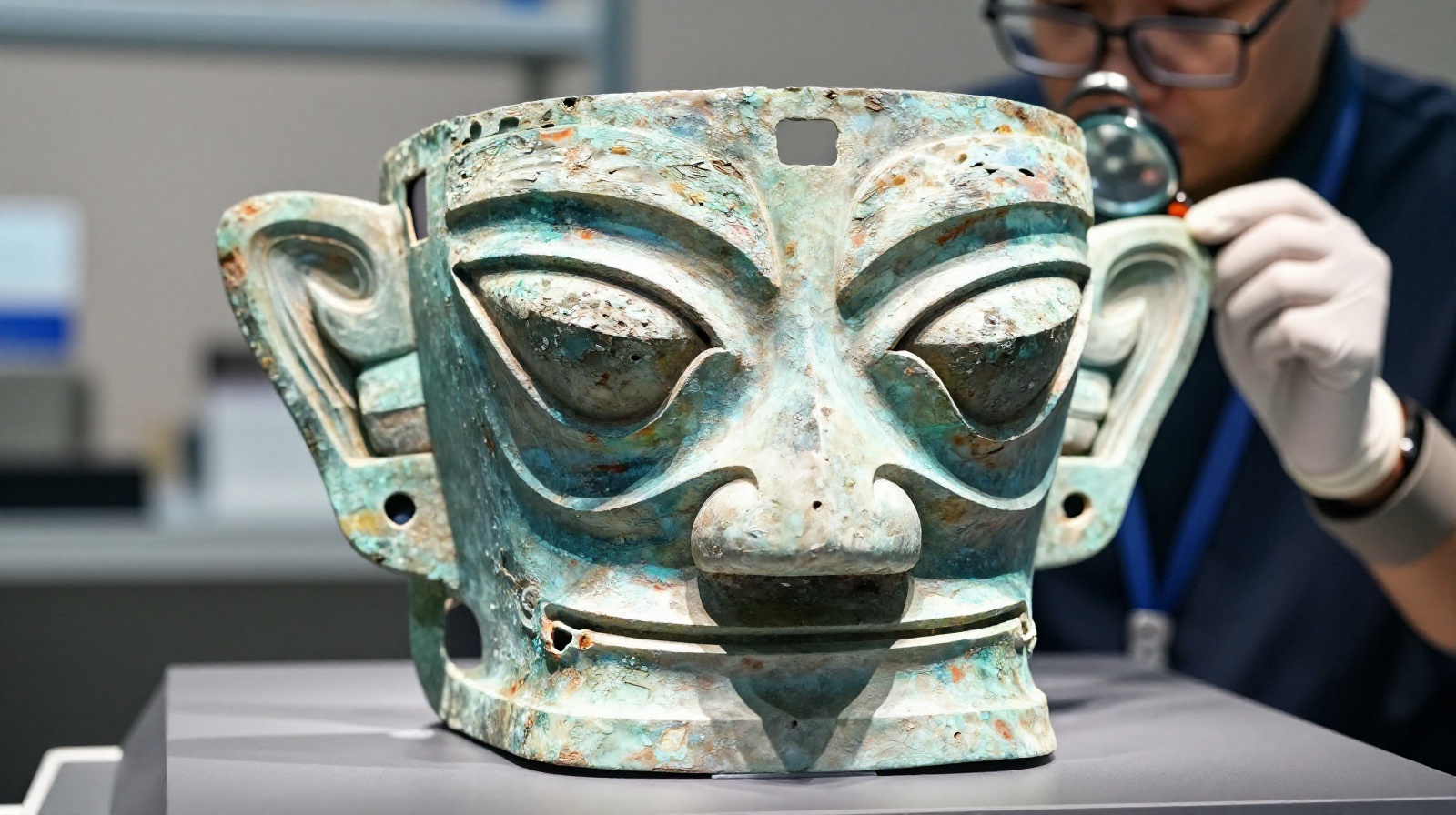
These are not just broken shards. We see bronze trees that stretch over three meters tall, topped with mythical birds. There are massive heads with exaggerated features—some with noses as wide as the face itself—and masks with slit eyes and huge ears. The craftsmanship is staggering. To create a 40-centimeter high bronze head required a level of metallurgical knowledge and social organization that rivals ancient Egypt or Mesopotamia.
Why does this matter? Because it proves that Chinese civilization was never a single, monolithic entity from the start. It was a tapestry woven from multiple distinct threads—the Central Plains, the Yangtze Valley, and now, clearly, the Sichuan Basin. These regions interacted, traded, and sometimes warred, but they did not exist in isolation.
The Myth of ‘Aliens’ vs. The Reality of Innovation
When people first saw the bronze mask with the protruding eyes, their imagination ran wild. It looked nothing like the realistic human faces found in nearby Sanxingdui or the stylized masks of the Shang capital, Anyang. This visual shock led to the ‘alien’ label.
However, archaeologists point to local traditions. The exaggerated features likely represent shamanic communication with spirits or gods, a practice deeply rooted in the local Ba-Shu culture before it merged with broader Chinese traditions. The gold used in these artifacts was not imported from abroad; isotopic analysis shows it came from local mines in Sichuan and Yunnan.
This distinction is crucial for understanding China’s modern identity. It is not about erasing regional differences to fit a single narrative. Instead, the story of Sanxingdui is one of diversity forming unity. The ‘alien’ look is actually a testament to human creativity thriving in different environments, adapting symbols to local beliefs.
A New Generation’s Pride
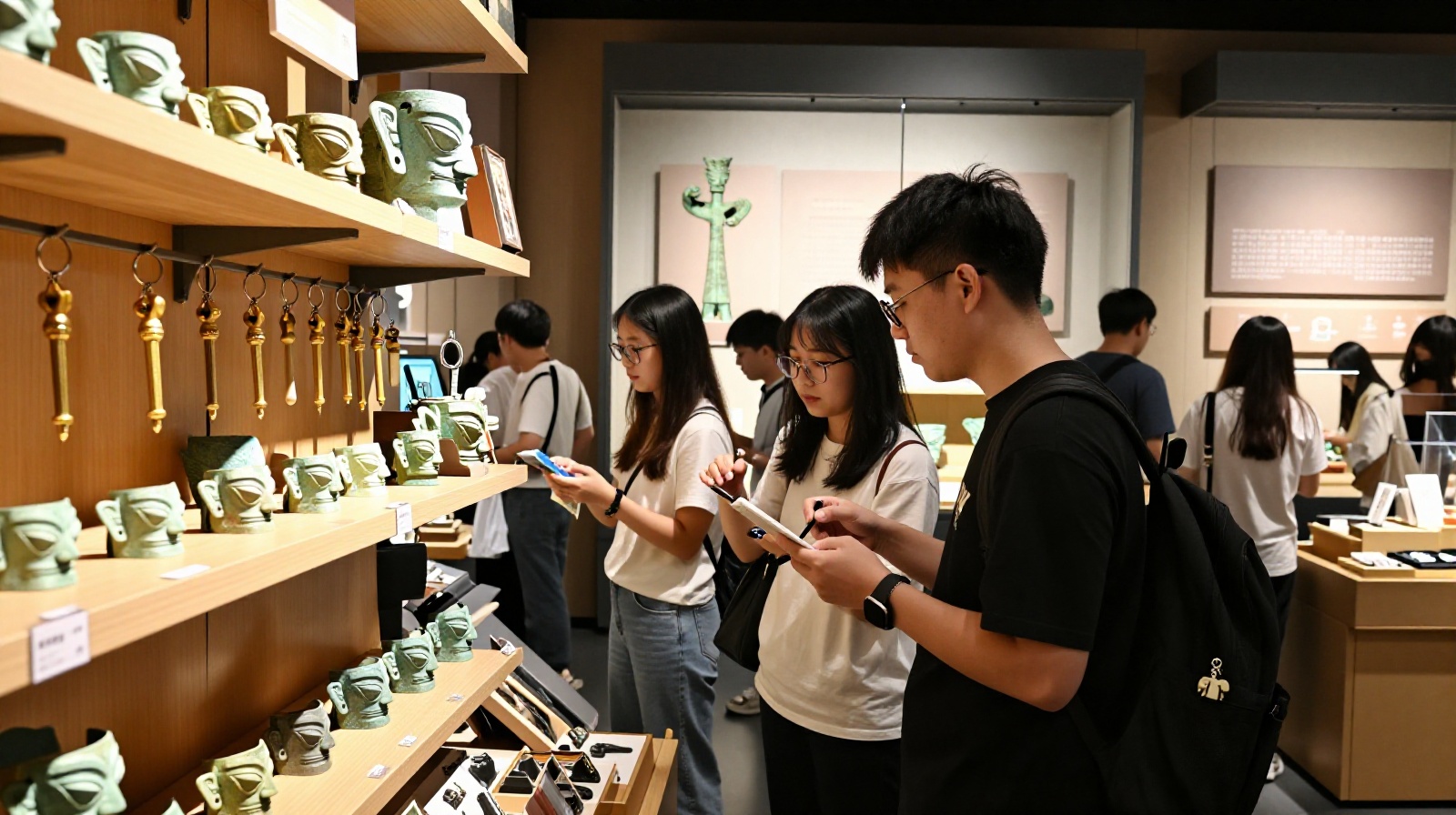
Today, the site is a bustling hub for both serious research and public curiosity. In the museum gift shop, young Chinese tourists buy miniature replicas of the bronze masks to wear as necklaces or keychains. They don’t see ‘aliens’; they see their ancestors’ ingenuity.
For international scholars, Sanxingdui has shifted the conversation. The question is no longer ‘Where did this come from?’ but ‘How does it fit into the broader picture of early complex societies?’ Chinese archaeologists are now leading the way in publishing detailed data, sharing findings with global peers, and inviting foreign experts to collaborate on-site.
The discovery changes how we view the origins of civilization. It reminds us that history is not a straight line drawn by one group, but a sprawling network where multiple centers of innovation emerged simultaneously. The ‘alien’ artifacts are simply the most striking proof that human culture is far more diverse and interconnected than we ever imagined.