

The Night Market Reality
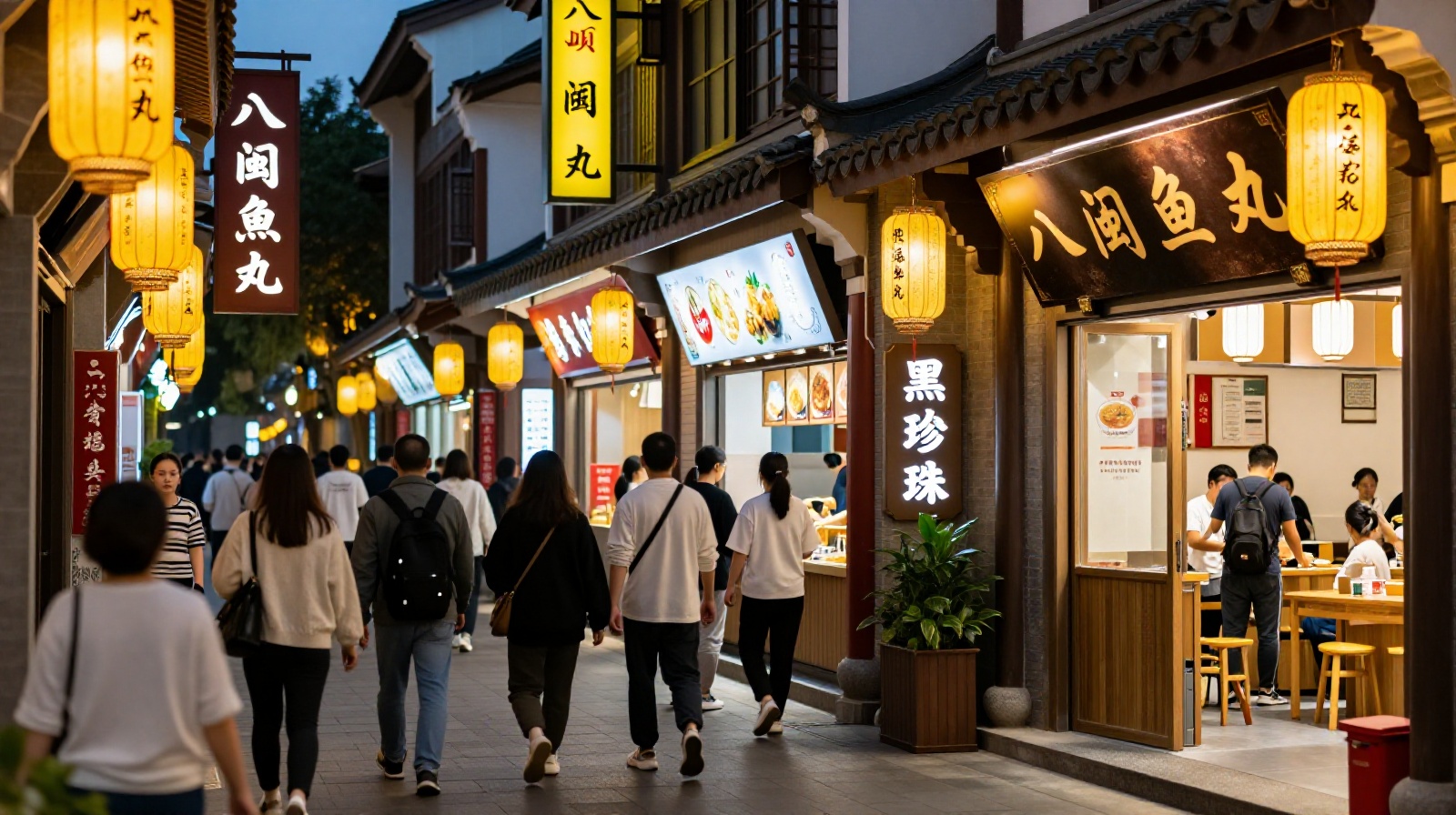
It is 7:30 PM on a Friday in Chengdu. Outside the bustling streets of Taikoo Li, tourists are lining up for reservations at a Michelin-starred French bistro. But inside a narrow alleyway just two blocks away, a queue stretches down the street for a small restaurant with no signboard, only a handwritten menu taped to a glass door. This place has zero Michelin stars. Instead, it proudly displays a “Black Pearl” badge.
For many locals, this badge is worth more than any French accolade. The Black Pearl Restaurant Guide, launched in 2018 by Dianping—China’s dominant food and lifestyle platform—is rapidly becoming the definitive authority on dining for Chinese consumers. Unlike Michelin, which historically prioritized technical perfection and European culinary standards, Black Pearl focuses on what matters most to local diners: authentic regional flavors, genuine hospitality, and value.
A Different Set of Rules
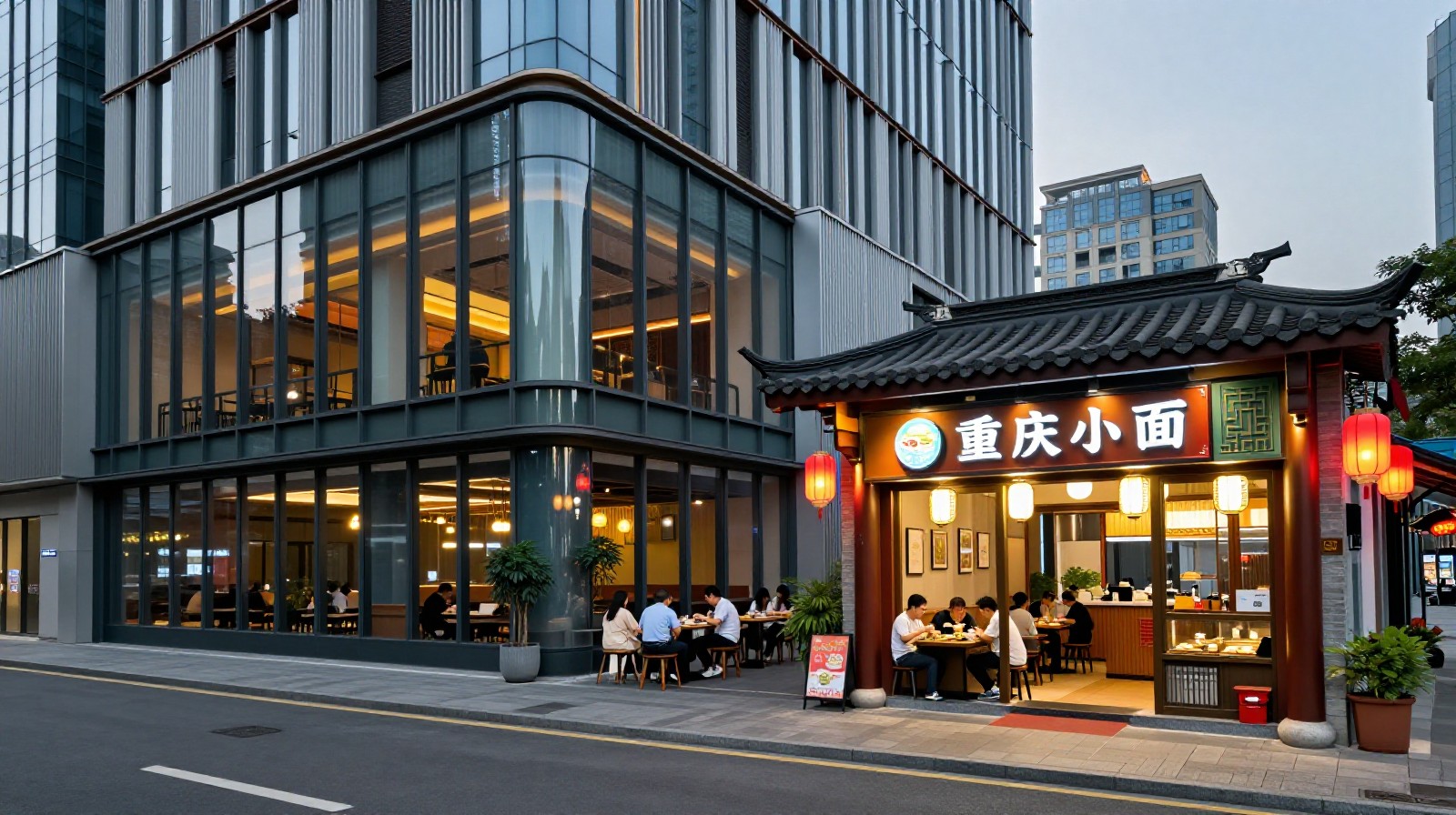
To understand the shift, one must look at the origins. The Michelin Guide was created in France to encourage travel by recommending hotels and restaurants along French roads. Its criteria are deeply rooted in Western gastronomy: consistency, technique, and a specific type of “fine dining” atmosphere.
Dianping built Black Pearl on top of its massive database of over 800 million user reviews. The system doesn’t just judge food; it analyzes the entire dining experience through the lens of Chinese consumer behavior. When Dianping’s algorithms identify a restaurant with high scores in “local authenticity” and “service warmth,” it earns a pearl.
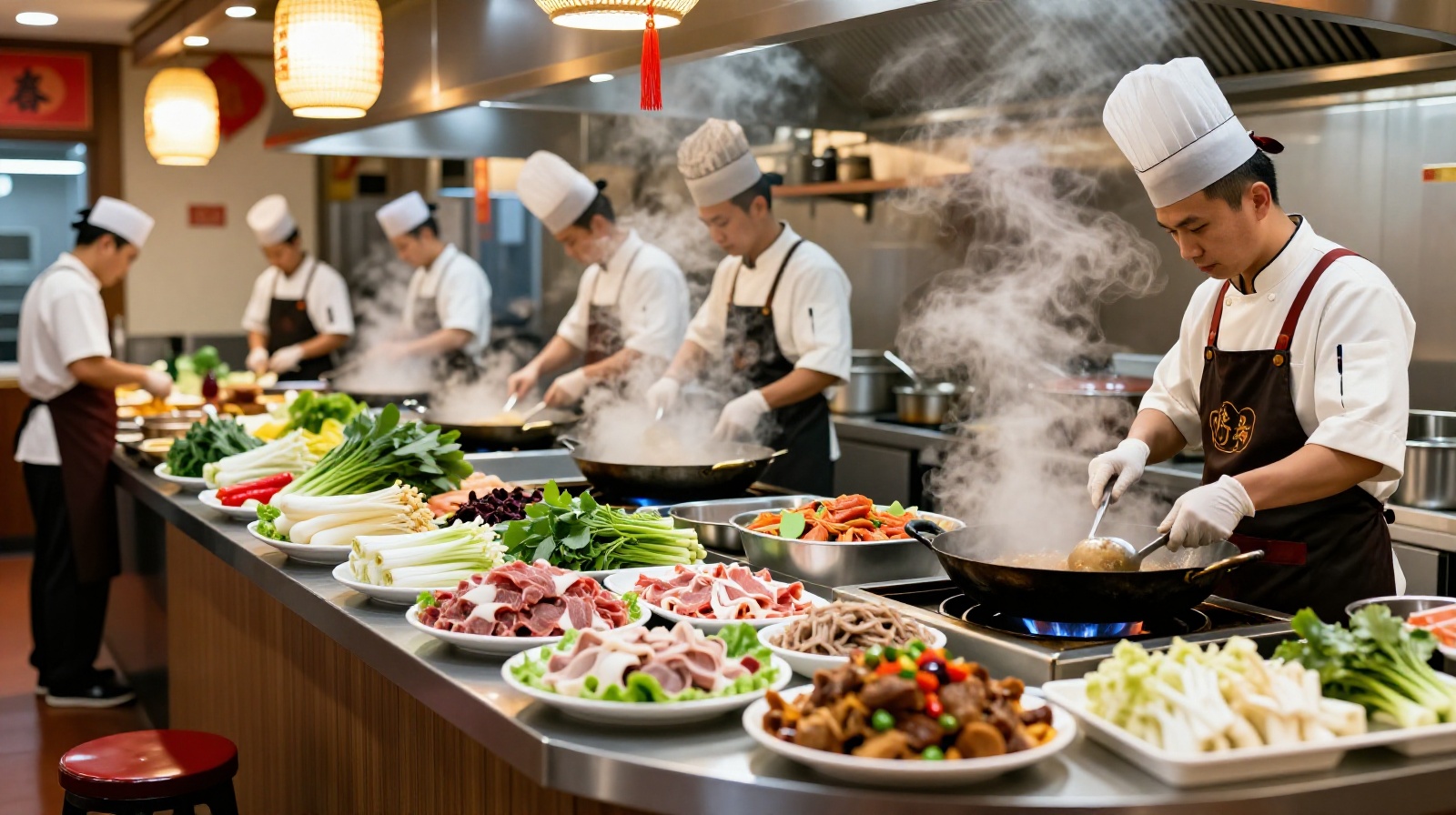
One star represents an affordable, neighborhood favorite. Two stars indicate a place worth traveling to for a special meal. Three stars signal the pinnacle of dining, comparable to Michelin’s elite tier but often found in places that would never pass traditional Western judging criteria—such as a steaming hotpot house or a humble noodle shop serving regional specialties.
This approach has unlocked a hidden layer of Chinese cuisine. While Michelin often overlooks cities outside Beijing and Shanghai, Black Pearl has highlighted top-tier dining experiences in Tier 3 and Tier 4 cities like Changsha, Xi’an, and Guilin. In these locations, the “hidden gems” are not obscure; they are the daily favorites of millions.
From Tourist Map to Local Compass
The divergence in consumer behavior is stark. A study by a leading Chinese market research firm found that 78% of urban Chinese diners use Dianping’s Black Pearl list as their primary decision-making tool for special occasions, compared to only 15% who consult Michelin.
For tourists, the logic remains different. Visitors often seek the “Michelin experience”—a safe, predictable encounter with high-end service and familiar European techniques. They want a restaurant that feels like Paris or Tokyo, even if they are in Chengdu.
But for locals, the goal is connection. They want to taste the history of their region. A Black Pearl rated restaurant in Wenzhou might serve raw fish marinated in vinegar, a dish with complex cultural significance that a foreign judge might find too unconventional for a fine dining rating. The guide validates these choices, telling diners: “This is the real deal.”
The impact on the industry has been immediate. Restaurants are no longer trying to mimic French plating or hire chefs who studied in Europe to earn recognition. Instead, they are focusing on sourcing local ingredients, refining traditional recipes, and training staff in Chinese-style hospitality.

The Global Implications
This rise of the Black Pearl standard is more than a marketing trend; it signals a maturation of China’s domestic economy. As the middle class expands and becomes more confident in its own culture, the demand for locally-validated excellence grows.
For the global food industry, this presents both a challenge and an opportunity. The dominance of Western rating systems is no longer absolute. Chinese diners are setting their own standards, and as these standards gain prestige internationally, they force a re-evaluation of what constitutes “fine dining” globally.
The future of Chinese gastronomy may not look like a French bistro in Shanghai. It might look like the bustling alleyway restaurant where the chef knows every regular’s name, the food is priced fairly for locals, and the atmosphere buzzes with genuine energy. The Black Pearl Guide is simply making that visible.