

The Misunderstood Wok
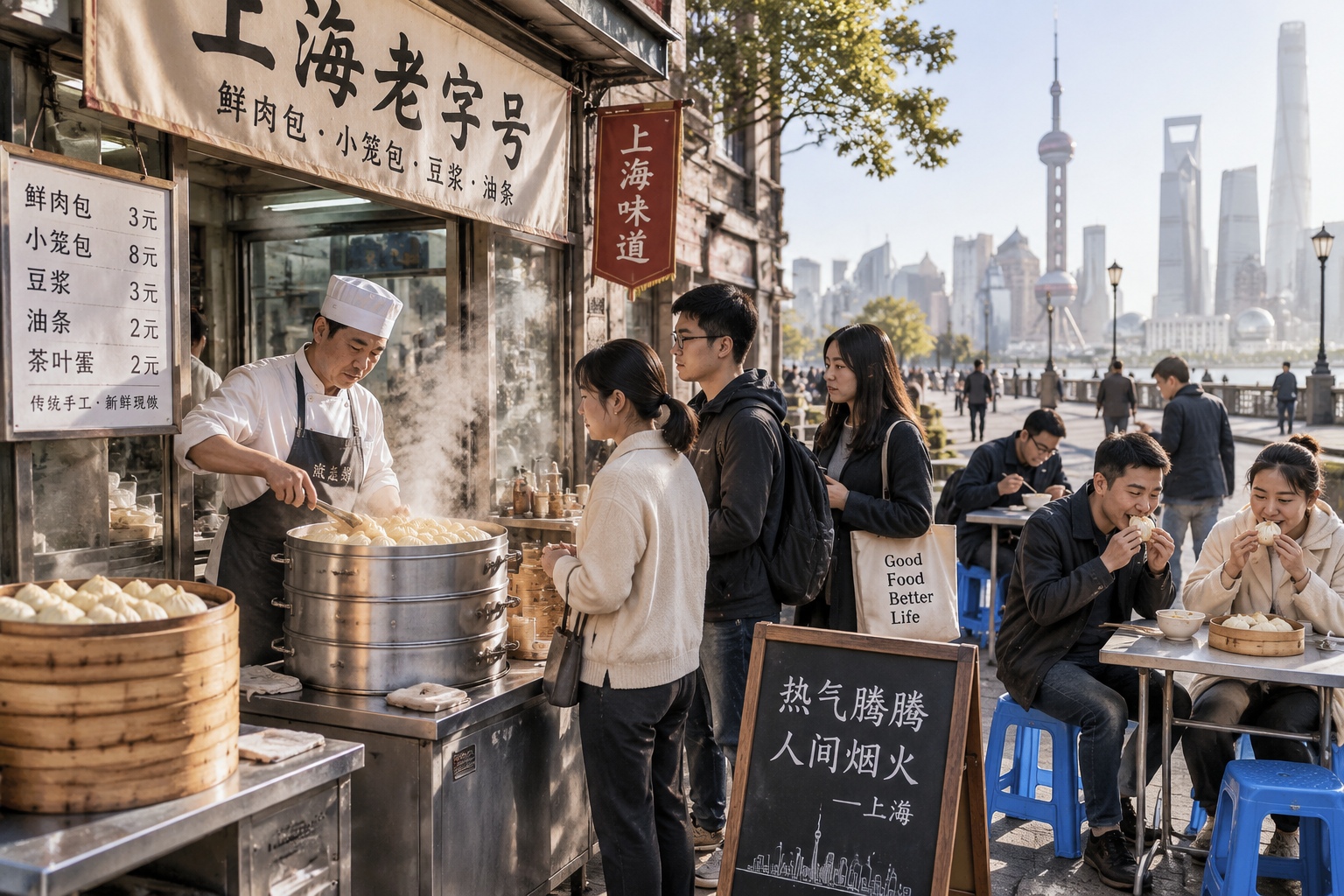
If you ask many Westerners about Chinese food, the first image that comes to mind is often a greasy plate of General Tso’s chicken or deep-fried spring rolls. It’s an easy assumption: “Chinese cooking = heavy oil and salt.” But if you walk into a bustling breakfast stall in Shanghai at 7 AM or order lunch in a Beijing office building, you’ll find a very different reality.
The truth is that traditional Chinese cuisine has two distinct pillars of health that most international observers miss. While Western diets often debate the merits of raw versus cooked, Chinese cooking has long mastered the art of steaming and quick stir-frying. These aren’t just techniques; they are a philosophy of preservation.
The Wisdom of Steaming: Letting Nature Speak
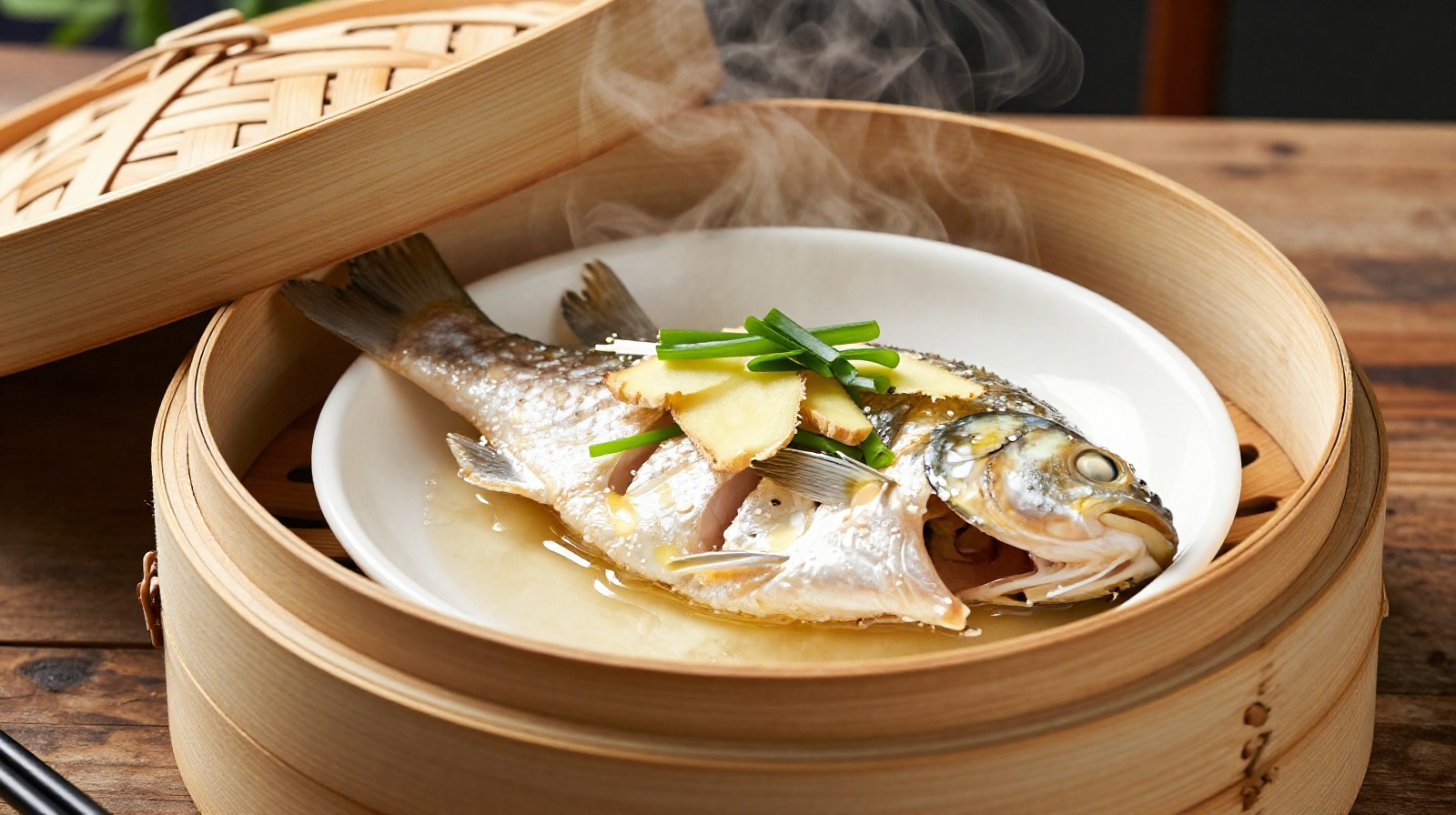
In China, “steaming” (蒸,zhēng) is often considered the gold standard for health. Unlike boiling, which can leach vitamins into the water, steaming cooks food gently with hot vapor. This method preserves the natural texture and color of vegetables while keeping fish tender without adding a single drop of oil.
Think of a classic dish like Steamed Whole Fish (清蒸鱼,qīngzhēng yú). A whole sea bass is placed on a plate, topped with ginger slices and scallions, then steamed for just ten minutes. The result is meat that melts in your mouth, flavored only by the soy sauce drizzled at the very end. It’s low in fat, high in protein, and rich in omega-3s.
This approach aligns with Traditional Chinese Medicine (TCM) principles, which emphasize keeping the body’s “internal heat” balanced. Steaming is seen as cooling and nourishing, a way to eat without burdening the digestive system. For someone used to heavy butter sauces, this might seem too simple, but it highlights a cultural belief: if the ingredient is fresh, you don’t need to hide it under layers of seasoning.
The Magic of Quick Stir-Frying: Speed as an Ingredient
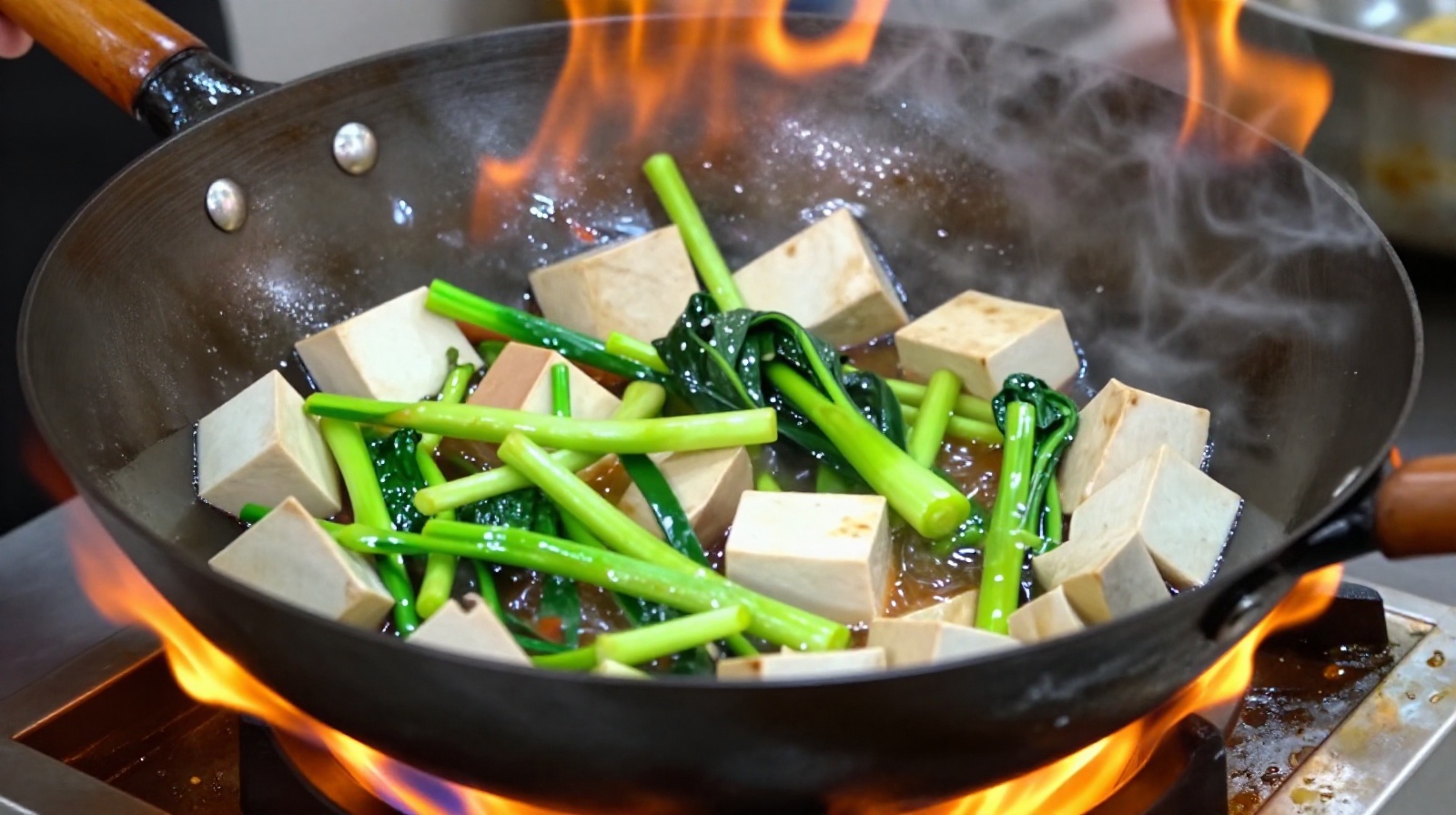
Then there’s the stir-fry (炒,chǎo). Contrary to the belief that stir-frying is just about drenching food in oil, the traditional technique relies on extreme speed and high heat. The wok gets smoking hot, ingredients are tossed rapidly, and the cooking time is measured in seconds.
This method serves two health purposes. First, the brief exposure to heat locks moisture inside vegetables, preventing them from turning into soggy mush while retaining water-soluble vitamins like Vitamin C. Second, because the cooking is so fast, less oil is actually required compared to Western sautéing or deep-frying. A professional wok chef might use just a teaspoon of oil for a dish serving four people.
Imagine a plate of Kung Pao Chicken. While it has sauce and peanuts, the chicken and vegetables are seared quickly over intense heat. The texture is crisp-tender, not greasy. In many home kitchens across China, you’ll see families cooking this way daily, creating meals that are flavorful but surprisingly light.
From Tradition to Modern Health
Why does this matter today? As the world grapples with obesity and processed food issues, Chinese culinary philosophy offers a compelling alternative. The emphasis on fresh ingredients, minimal processing, and cooking methods that maximize nutrition is exactly what modern nutritional science recommends.
However, it’s important to be honest: not all Chinese food follows this rule. Dishes like “Double-boiled” soups or certain Sichuan spicy dishes can be high in sodium and fat. The key distinction lies in the intent. When done traditionally, steaming and stir-frying are designed for balance—keeping flavors vibrant while protecting health.
For travelers and food lovers from Europe or America, understanding this duality changes everything. It’s not about rejecting Western cooking styles but recognizing that Chinese cuisine has a sophisticated toolkit for healthy eating that goes beyond the takeout menu. The next time you see a steam basket full of dumplings or a wok sizzling with fresh greens, you’re witnessing a culinary tradition that values life as much as flavor.
Start the discussion at forum.chinacomes.com