
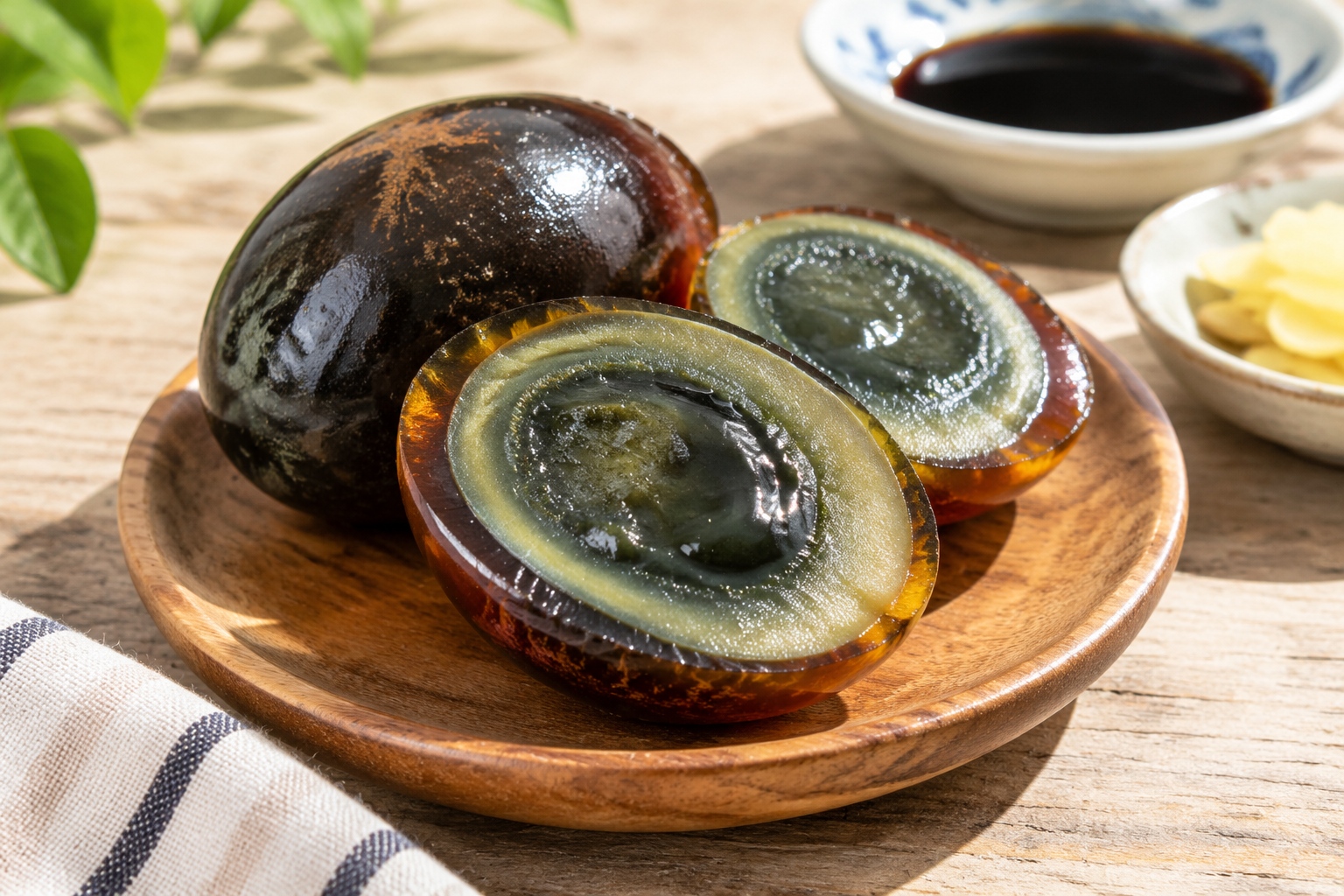

The Warning Before the Bite
Before I ever stepped into a Chinese kitchen, I had heard the warnings. “Don’t eat the black eggs,” my friends from college would say with wide eyes. “They are preserved in mud and urine for months.” In Western media, they earned a nickname that stuck: ‘Devil’s Eggs.’ The images online showed cracked shells revealing dark, jelly-like insides that looked like something out of a horror movie.
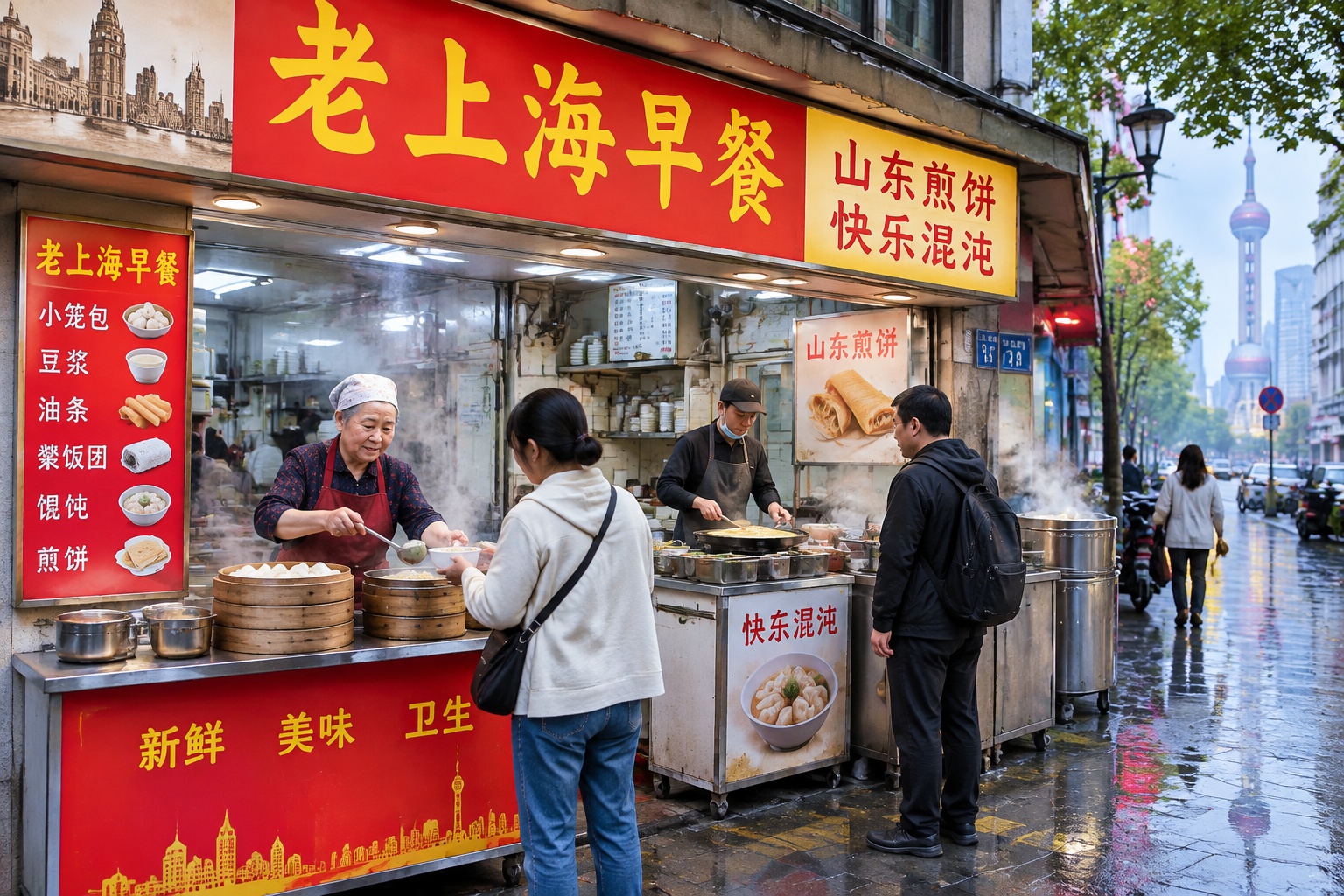
But I was living in Shanghai now, not in my dorm room. And the smell coming from the street corner breakfast stall near my apartment was impossible to ignore. It smelled of soy sauce, ginger, and warm dough. So, on a rainy Tuesday morning, I walked up to the counter and ordered what looked like a mystery.
First Impressions: Not What You Expect
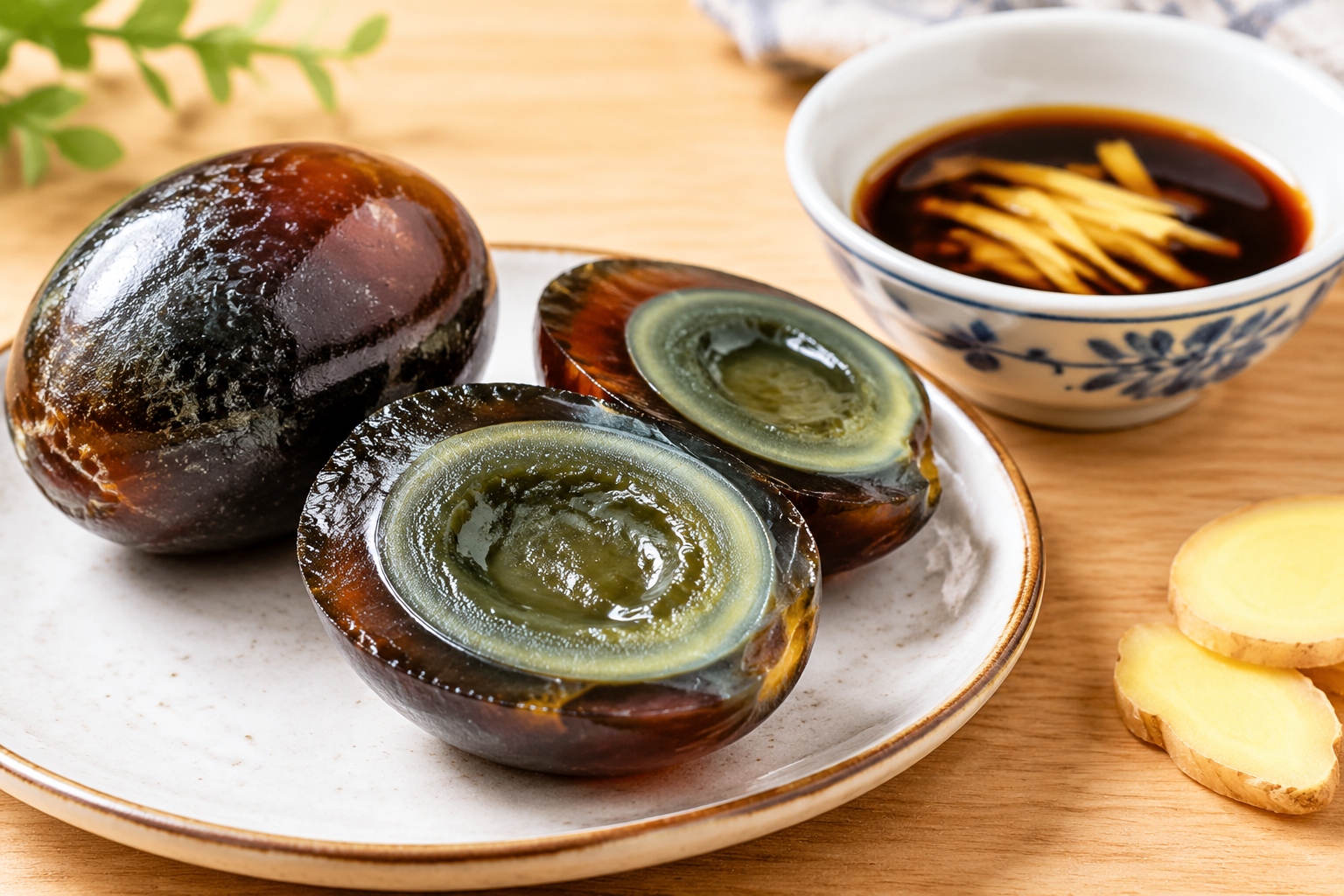
The vendor, an older woman with kind eyes, sliced the egg in half on a wooden board. There was no mud smell. No urine. Instead, I saw a translucent, dark grey yolk that looked like amber glass and firm white that had turned into a deep olive green.
“It’s good,” she said, handing me a small bowl with ginger slices and soy sauce. “Try it.”
I hesitated. The texture looked strange—gelatinous, almost slimy to the naked eye. But I was hungry, and curiosity is a stronger appetite than fear. I took a bite.
The first sensation was cool and smooth. Unlike a hard-boiled egg that crumbles or feels rubbery, this had a creamy consistency, like soft cheese or a rich custard. The flavor hit me next: deep savory notes, similar to blue cheese or aged cheddar, but without the pungent ammonia smell I feared. There was a slight mineral taste, a hint of earthiness, and a clean finish.
How Does It Become Black?
The mystery behind the color lies in chemistry, not magic. These are called ‘century eggs’ or pidan in Chinese. They aren’t actually 100 years old; that’s just a poetic exaggeration.
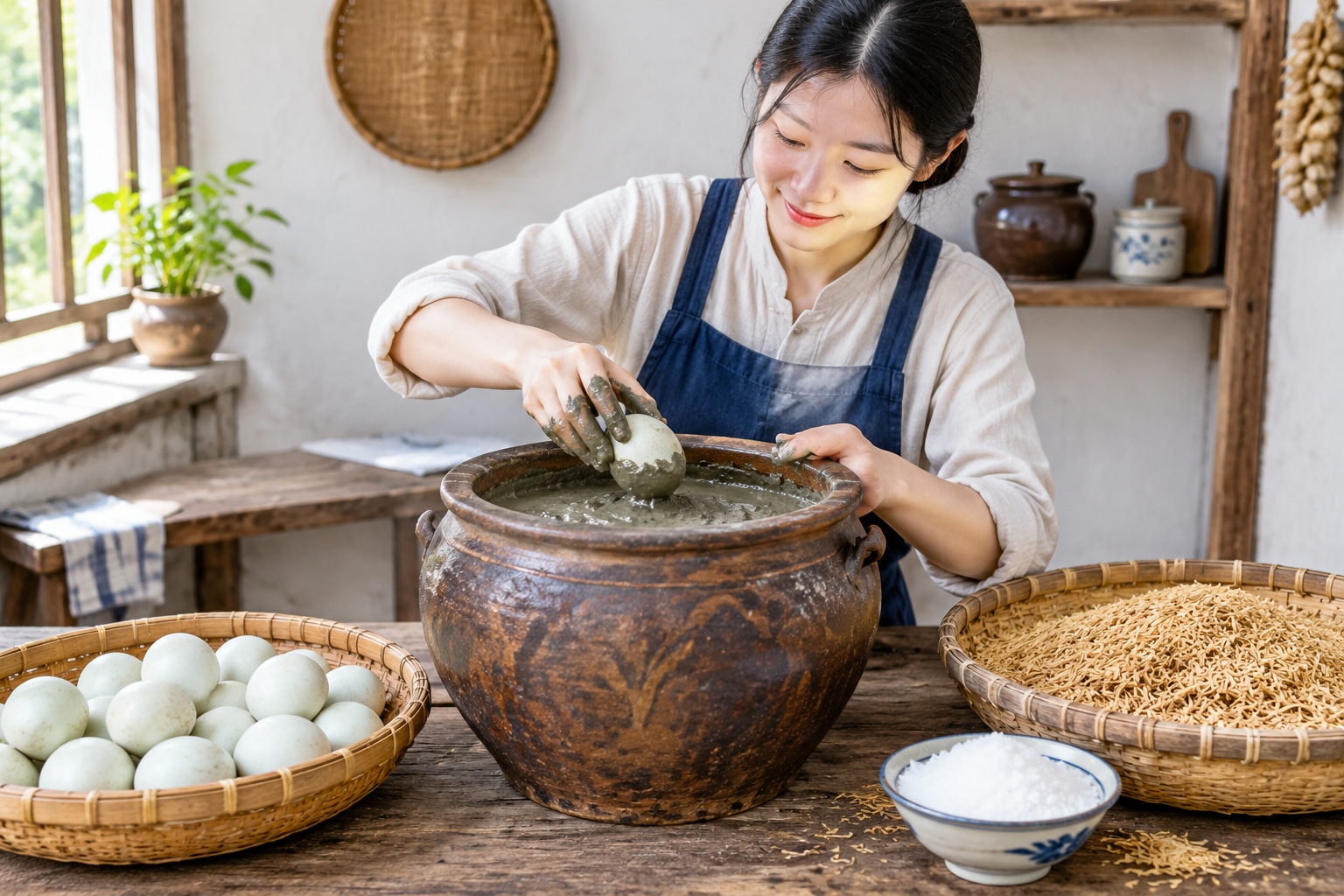
The process begins with fresh duck or chicken eggs. The shells are coated in a mixture of clay, ash, salt, lime (calcium hydroxide), and rice husks. This alkaline environment triggers a slow chemical reaction over 30 to 120 days. The alkali breaks down the protein structures, turning the white firm and greenish, while the yolk transforms into that signature dark, creamy center.
It is a preservation method perfected centuries ago, allowing families in northern China to store eggs through harsh winters before refrigeration existed. Today, it remains a staple for quick breakfasts, summer soups, and even fancy cold appetizers in high-end restaurants.
A Cultural Icebreaker
Tasting the century egg did more than fill my stomach; it broke down a barrier. For years, I had viewed Chinese cuisine through the lens of stereotypes—spicy, oily, or strange. But here was something deeply traditional yet universally accessible.
In China, food is often the first thing you share with a new friend. The century egg, served simply with soy sauce and vinegar, invites conversation. It asks: “Have you tried this? What do you think?” It’s an invitation to step outside your comfort zone.
Now, I eat them regularly. Sometimes sliced on tofu in a cold appetizer, sometimes chopped into congee (rice porridge) for breakfast, or wrapped in sticky rice dumplings. Each time, the texture and flavor remain consistent—a comforting reminder that not everything dark is to be feared.

Why It Matters
The “Devil’s Egg” label tells us more about our own fears than the egg itself. In a world where we often judge cultures by their most extreme examples, this humble egg teaches patience and openness. It shows that what looks strange from the outside can be deeply nourishing and delicious from within.
Next time you see century eggs in a market or on a menu, don’t turn away. Ask for a taste. You might just find that the most surprising flavors are often the ones we’ve been warned against the most.
Start the discussion at forum.chinacomes.com