

The Sound of Evening
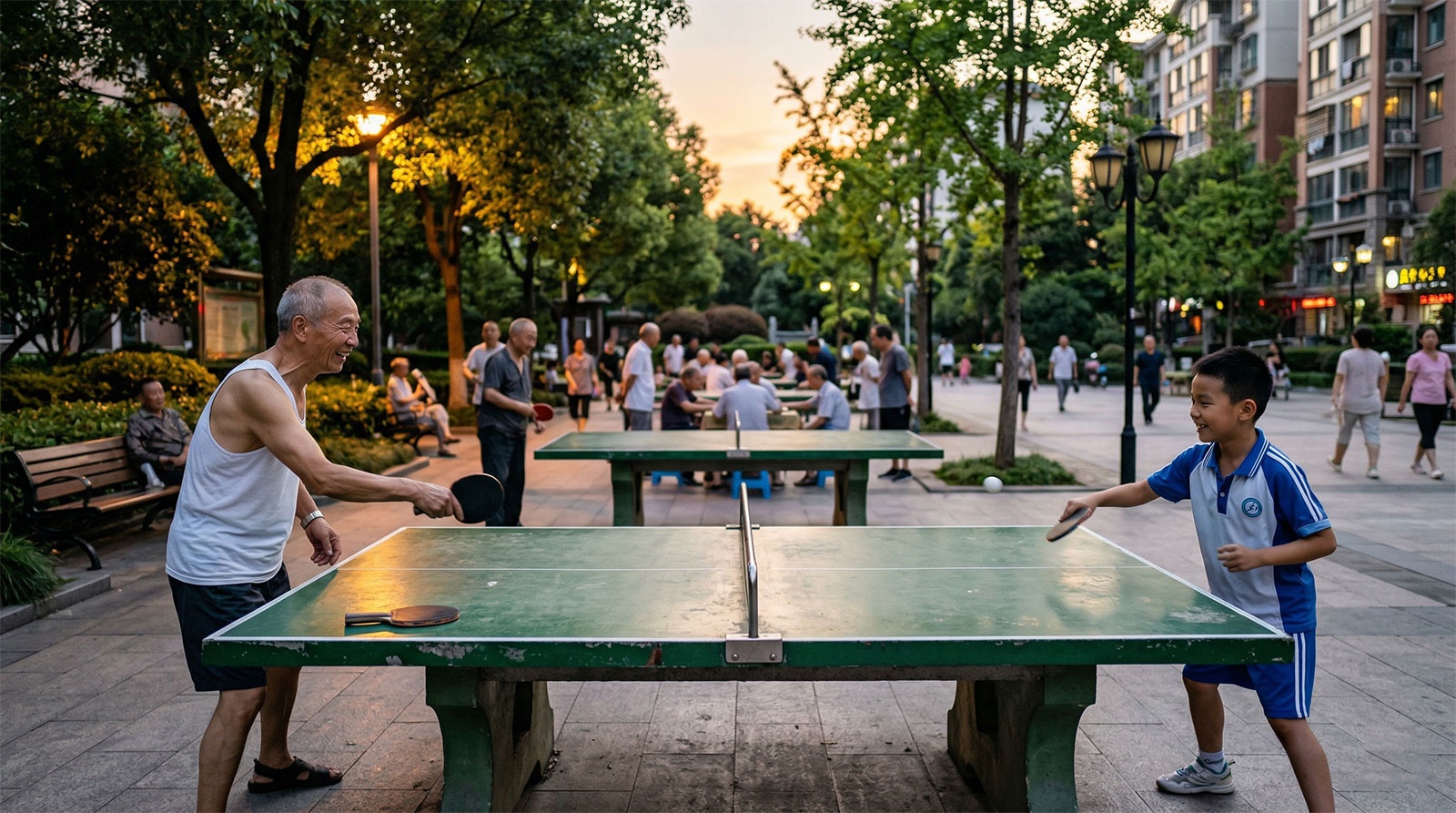
It is 7:30 PM on a Tuesday in Beijing. The air is thick with the humid summer heat, but inside a small community park, a different rhythm dominates. It is not traffic or construction noise; it is the sharp, staccato *pop-pop-pop* of rubber hitting wood. Around three green tables, men and women aged 20 to 80 are locked in intense rallies. A retiree in a white tank top wipes sweat from his forehead with a towel, eyes narrowing as he prepares for a return serve. His opponent, a young university student in a tracksuit, smiles nervously. They have known each other for years, but today, the score is tied 10-10.
This scene plays out thousands of times every evening across China’s cities and towns. It is not just a game; it is a social ritual that transcends age, income, and region. While soccer might dominate headlines globally, table tennis holds a unique place in the Chinese soul. But how did a lightweight plastic ball become the heartbeat of a nation of 1.4 billion people?
From Diplomacy to Domesticity
The story begins not on a playground, but in the high-stakes corridors of international relations. In the early 1970s, during the height of Cold War tensions between China and the United States, table tennis became an unlikely bridge. Known as “Ping-Pong Diplomacy,” small exchanges between Chinese and American athletes paved the way for President Nixon’s historic visit to Beijing in 1972.
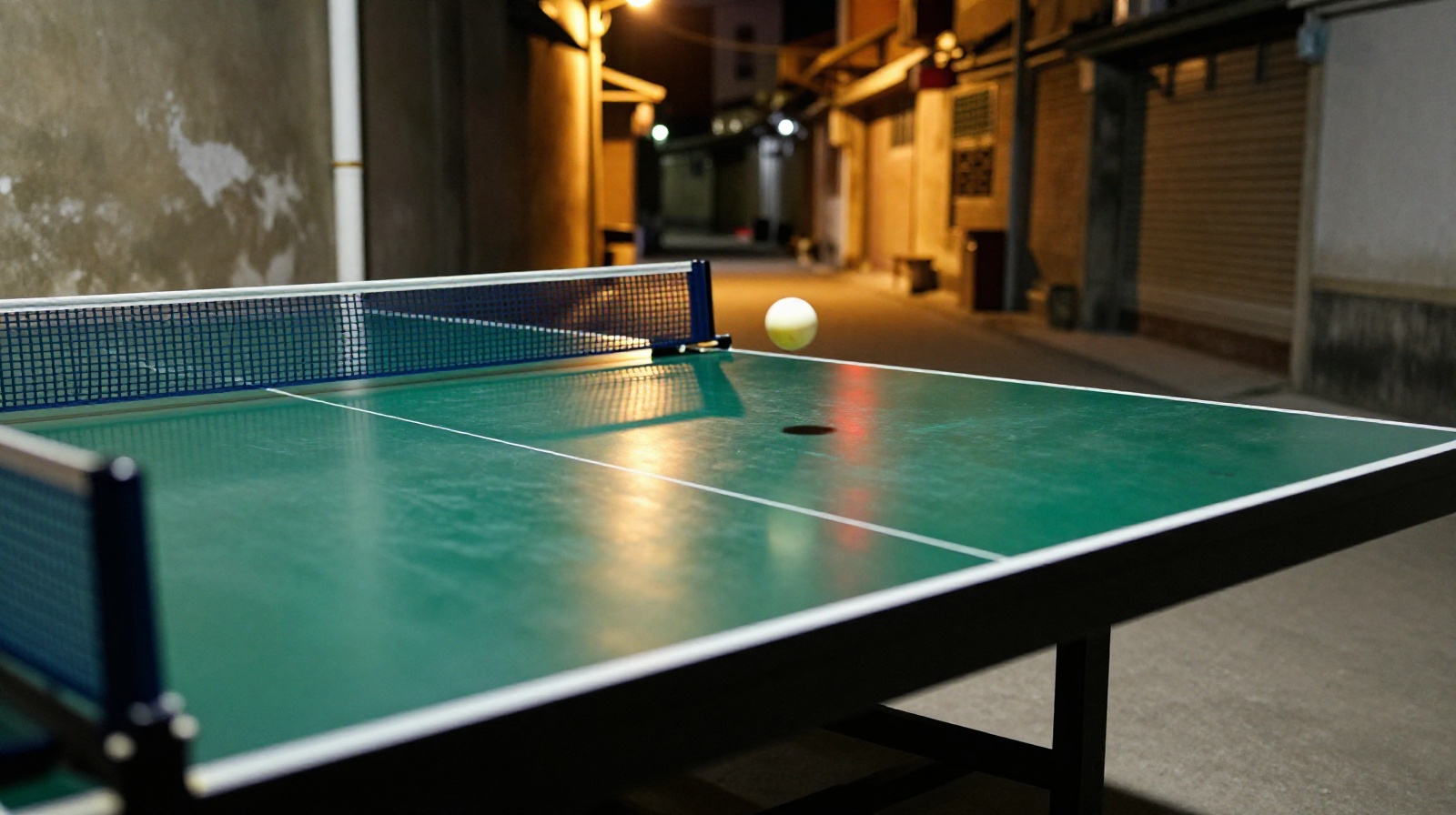
For ordinary citizens, this moment transformed the sport from a niche pastime into a national priority. The government realized that table tennis was perfect for China: it required minimal space, cheap equipment, and could be played indoors regardless of weather. Unlike soccer or basketball, which demand large fields and expensive gear, a table tennis table fits in a school courtyard, a community center, or even a narrow alleyway.
The state invested heavily in building infrastructure. By the 1980s, almost every neighborhood had a concrete table with a net stretched across it. These tables became the living rooms of public life. In rural villages, they were set up under trees; in dense urban apartment blocks, they lined the rooftops and ground floors.
The System Behind the Stars
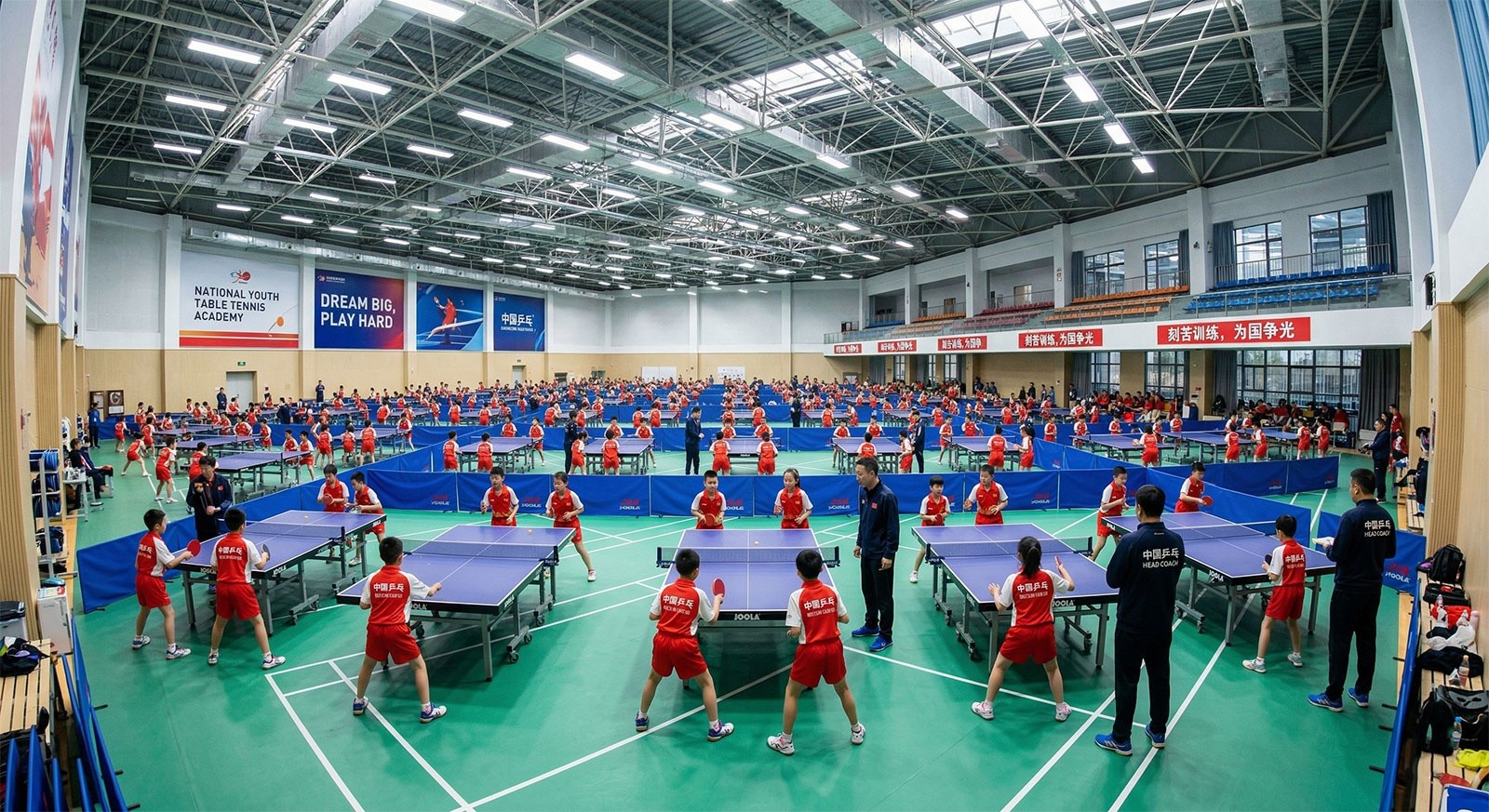
While casual play flourishes at night, a rigorous state-supported system ensures China’s dominance on the world stage. The “National Team” model is legendary. Young children as young as six are scouted from local clubs. Those with potential enter specialized provincial academies where they train four to six hours a day, seven days a week.
This isn’t just about winning gold medals; it’s about creating a culture of excellence that trickles down. When Chinese players like Deng Yaping or Ma Long win Olympic titles, the excitement ripples into local gyms and schools. Parents see their children playing not just for fun, but with an awareness of technique and discipline.
A Game for Every Generation
What makes table tennis truly special in China is its inclusivity. In a Western gym, you might find teenagers lifting weights or adults running treadmills. In a Chinese community center, the demographic mix is striking: grandmothers playing with precision against grandfathers, while middle-aged office workers take breaks to smash forehands before rushing home for dinner.
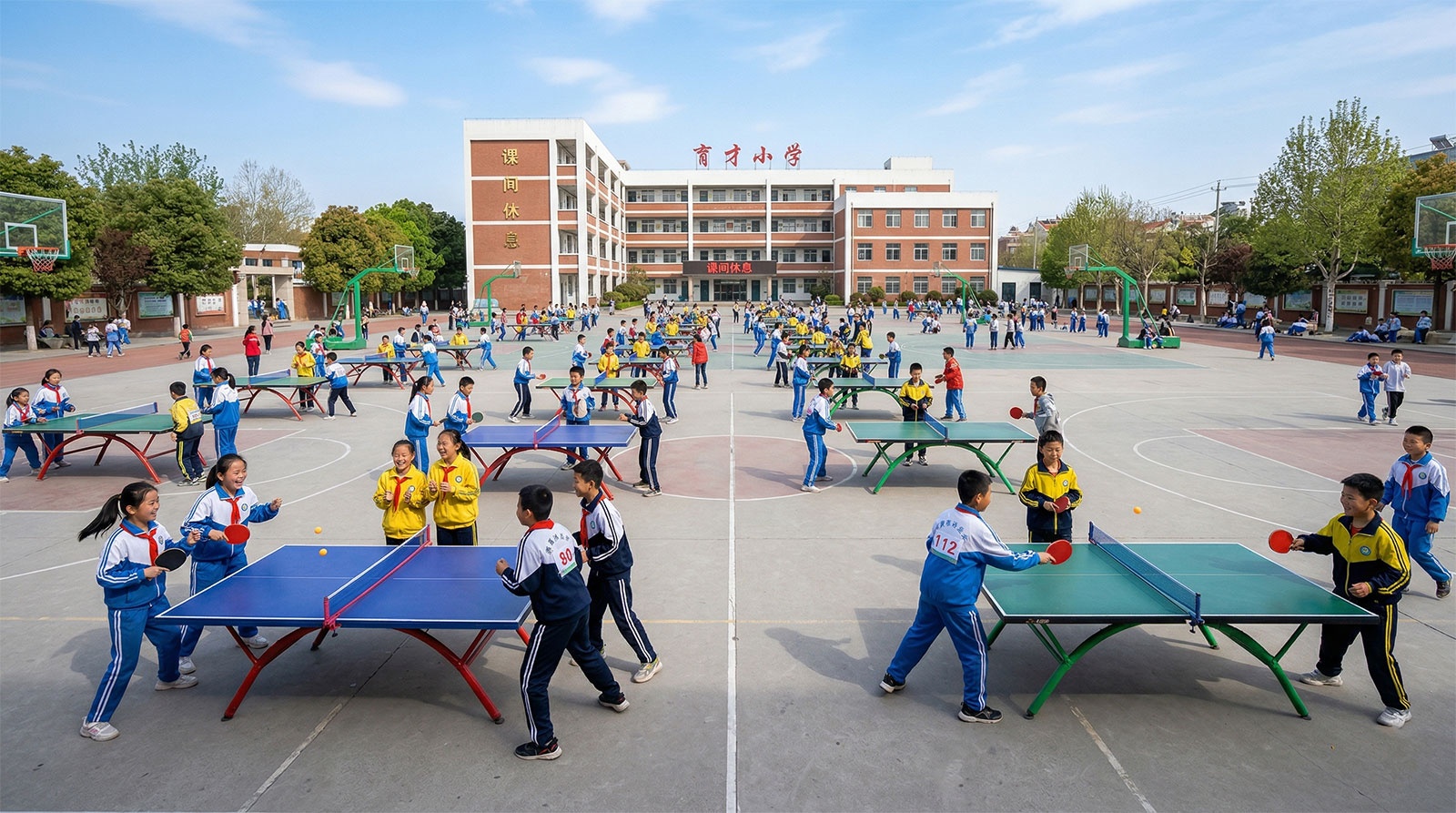
In schools across the country, table tennis is a mandatory part of physical education. It teaches hand-eye coordination and quick reflexes without the high risk of injury found in contact sports like football or rugby. For many Chinese families, it is the first sport children ever learn to play competitively.
The social barrier between social classes is also remarkably low. Whether you are a CEO taking a break in a corporate park or a factory worker finishing a shift, everyone plays by the same rules on the same tables. The sound of the ball unites them temporarily, creating a shared space where status matters less than skill.
More Than Just a Game
In other countries, sports often divide fans into rival tribes. In China, table tennis acts as a unifying force. During major tournaments like the Olympics or World Championships, silence falls over streets from Shanghai to Chengdu as millions watch live broadcasts on smartphones and public screens.
This unity is rooted in history. For decades, winning at table tennis was synonymous with national pride. It proved that China could compete with the world’s powers not just through industry or technology, but through skill and spirit.
The Future of a Classic
As China continues to modernize, table tennis remains surprisingly resilient. Even as e-sports and basketball gain popularity among Gen Z, the traditional community tables are still packed every evening. The sport adapts: professional players use high-tech carbon blades, while amateurs enjoy smart sensors that track spin speed.
Ultimately, table tennis in China is not just about winning or losing. It is a daily rhythm of life, a way to connect with neighbors, and a testament to how a simple game can become the national identity. The next time you hear that familiar *pop-pop-pop* echoing through a Chinese alleyway, remember: it’s the sound of a nation playing together.