

The Smell of Coolant and Titanium
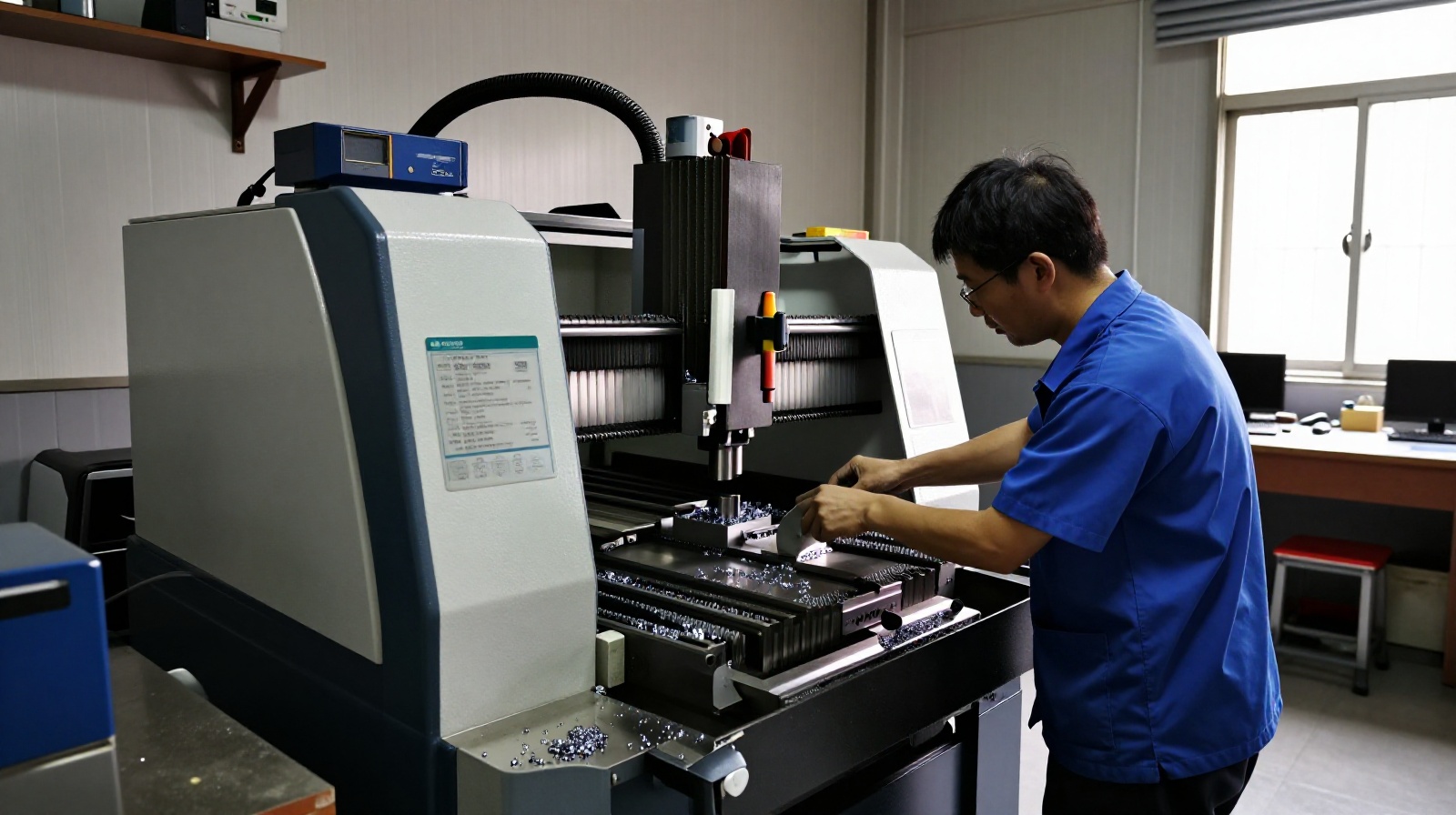
It is 9:15 a.m. on a rainy Tuesday in Shenzhen. The workshop, tucked away in an old industrial building without a sign, smells faintly of metal shavings, cutting oil, and ozone. There are no neon lights or futuristic glass facades here. Just four aging CNC machines humming quietly in the corner and a young engineer named Lin Wei adjusting the temperature on a precision lathe.
Lin’s team isn’t making phone cases or toy robots for export to discount stores. They are machining aerospace-grade titanium alloys, components that must withstand temperatures over 1,000 degrees Celsius and survive the vacuum of space. The tolerance here is measured in micrometers—less than the width of a human hair. If you were to drop a grain of sand on this floor, it would be an anomaly.
Beyond the ‘Invisible Champion’
When Western consumers hear ‘Made in China,’ they often think of plastic trinkets from Yiwu or low-cost electronics. But there is another side to the story that rarely makes headlines. This workshop, employing just twelve people, represents a class of businesses known as invisible champions. These are small, family-run or privately held firms that have quietly moved up the value chain.
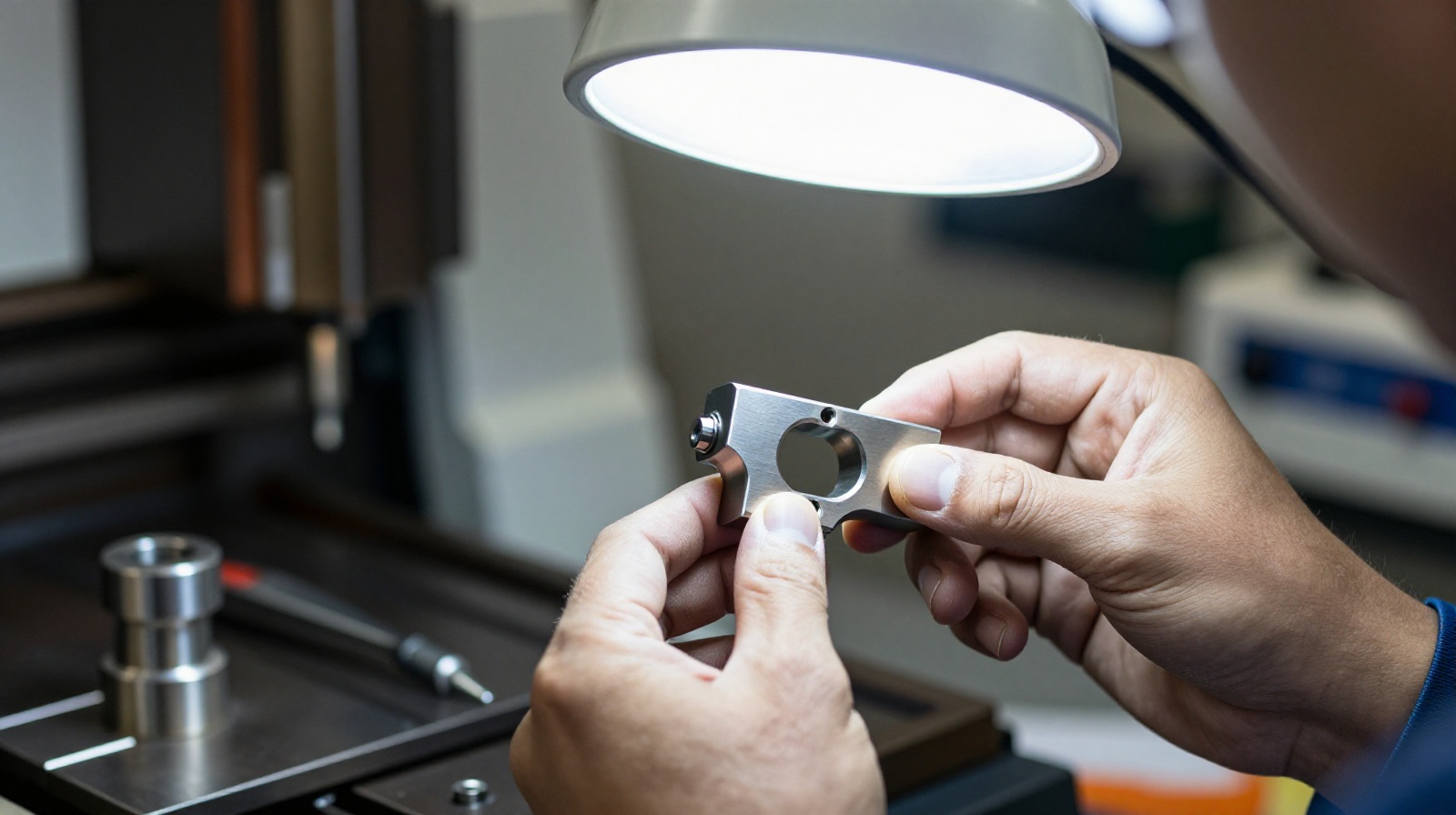
Lin Wei explains that ten years ago, this same factory made simple plastic gears for household appliances. The shift didn’t happen overnight. It began when a client in Germany asked for a prototype with extremely tight tolerances. “We had to learn,” Lin says, wiping grease from his hands. “We bought old machines first, then upgraded them. We spent three years just mastering the material science of titanium.”
From Low-End Assembly to High-Precision Engineering
The transformation is visible in the workshop’s workflow. There are no assembly lines with hundreds of workers stuffing products into boxes. Instead, there are small cells where one or two technicians handle everything from design to final inspection.
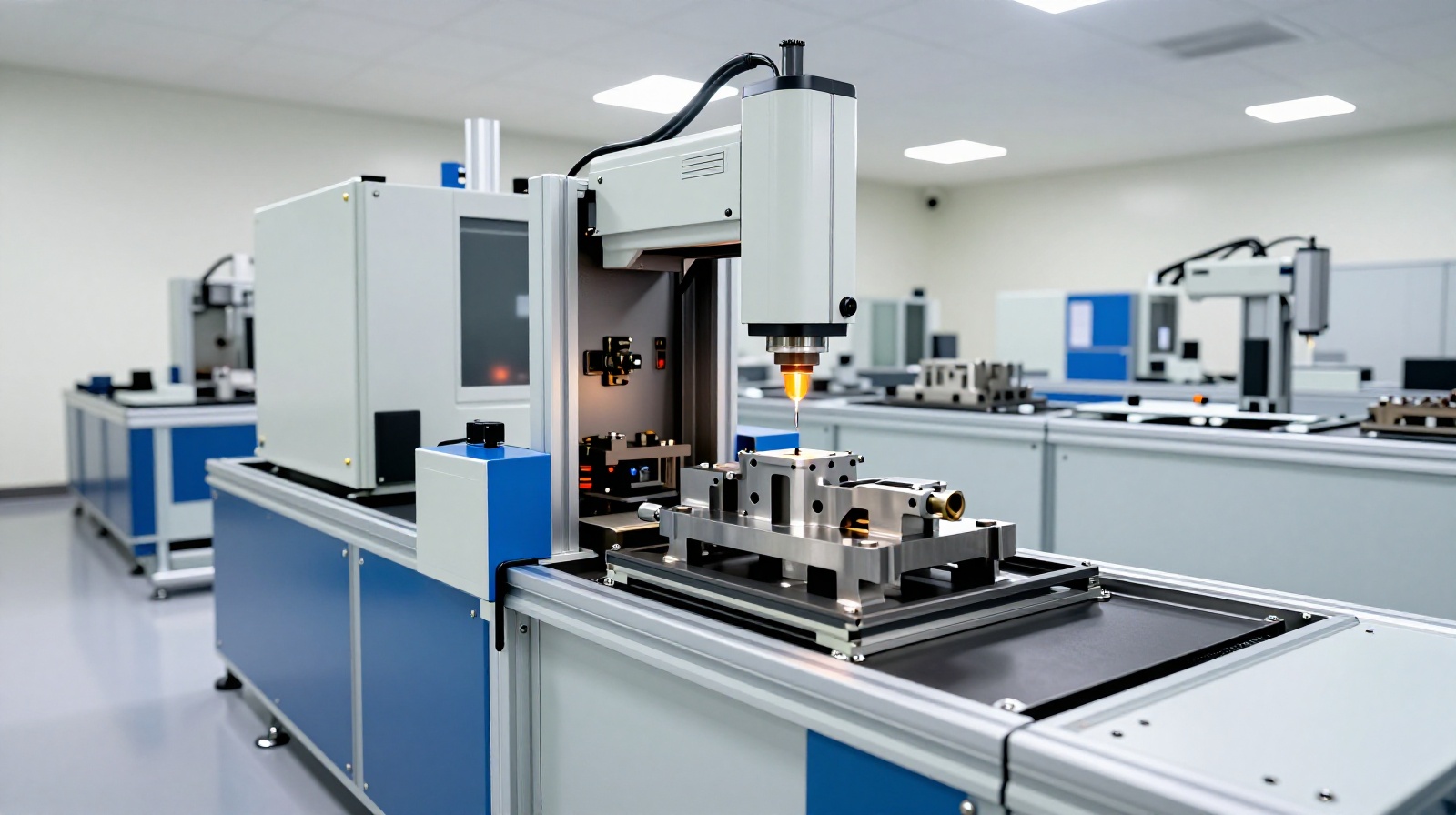
In the corner, a laser scanner checks a component that looks like a delicate flower made of steel. The data from this scan is sent directly to a cloud server for real-time analysis. If the temperature fluctuates by even 0.5 degrees, the machine adjusts automatically. This level of automation and precision is what allows these small workshops to compete with large state-owned giants.
“The old stereotype says China only does cheap labor,” says Sarah Chen, a supply chain consultant who visited the factory. “But here, the value isn’t in the volume; it’s in the complexity. They solve problems that Western suppliers can’t or won’t touch.”
The Human Cost of Precision
This shift hasn’t been easy for the workers. The days of repetitive, low-skill assembly are gone. Today’s Lin Wei needs a degree in materials science and years of experience with advanced software. The factory floor is quiet, but the mental load is high.
“We don’t sleep well if there’s a quality issue,” Lin admits. “One mistake means losing a contract worth millions.” This pressure has created a new kind of Chinese worker: highly skilled, adaptable, and deeply invested in their craft.
Redefining ‘Made in China’
The rise of these private workshops signals a quiet but profound change in China’s economic DNA. It is not just about becoming the factory of the world; it is about becoming the engineer of the world. While big headlines focus on electric vehicles or solar panels, the real backbone of this upgrade lies in small, unassuming places like this.
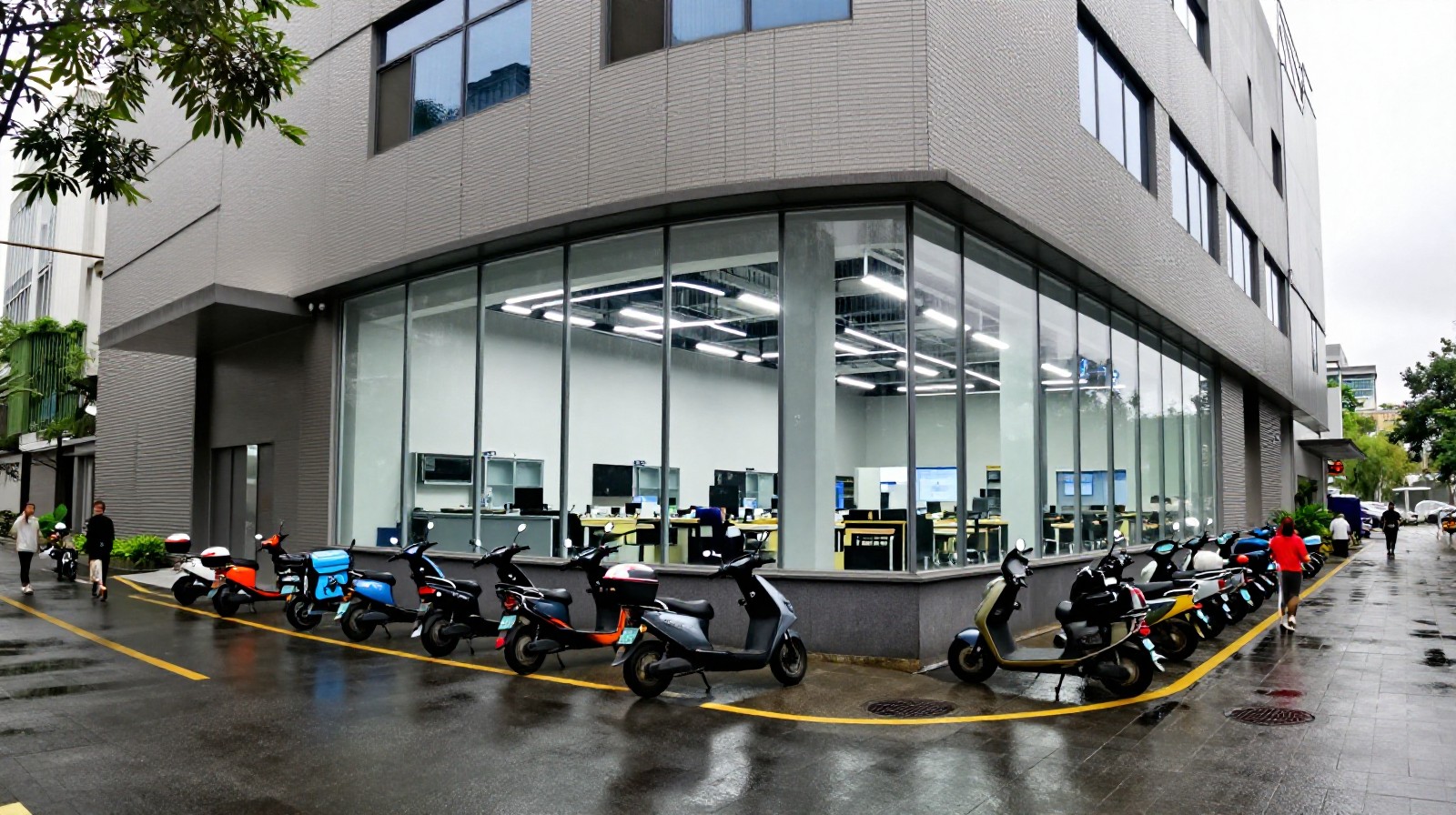
As I left the workshop, the rain had stopped. The street outside was crowded with delivery scooters and ordinary people going about their day. It felt normal, unremarkable. But inside those four walls, a piece of technology that could help launch a satellite was being born. This is the new reality: Made in China is no longer just cheap; it is complex, precise, and increasingly indispensable.