

Beyond the Postcard: A Morning in Zhangye
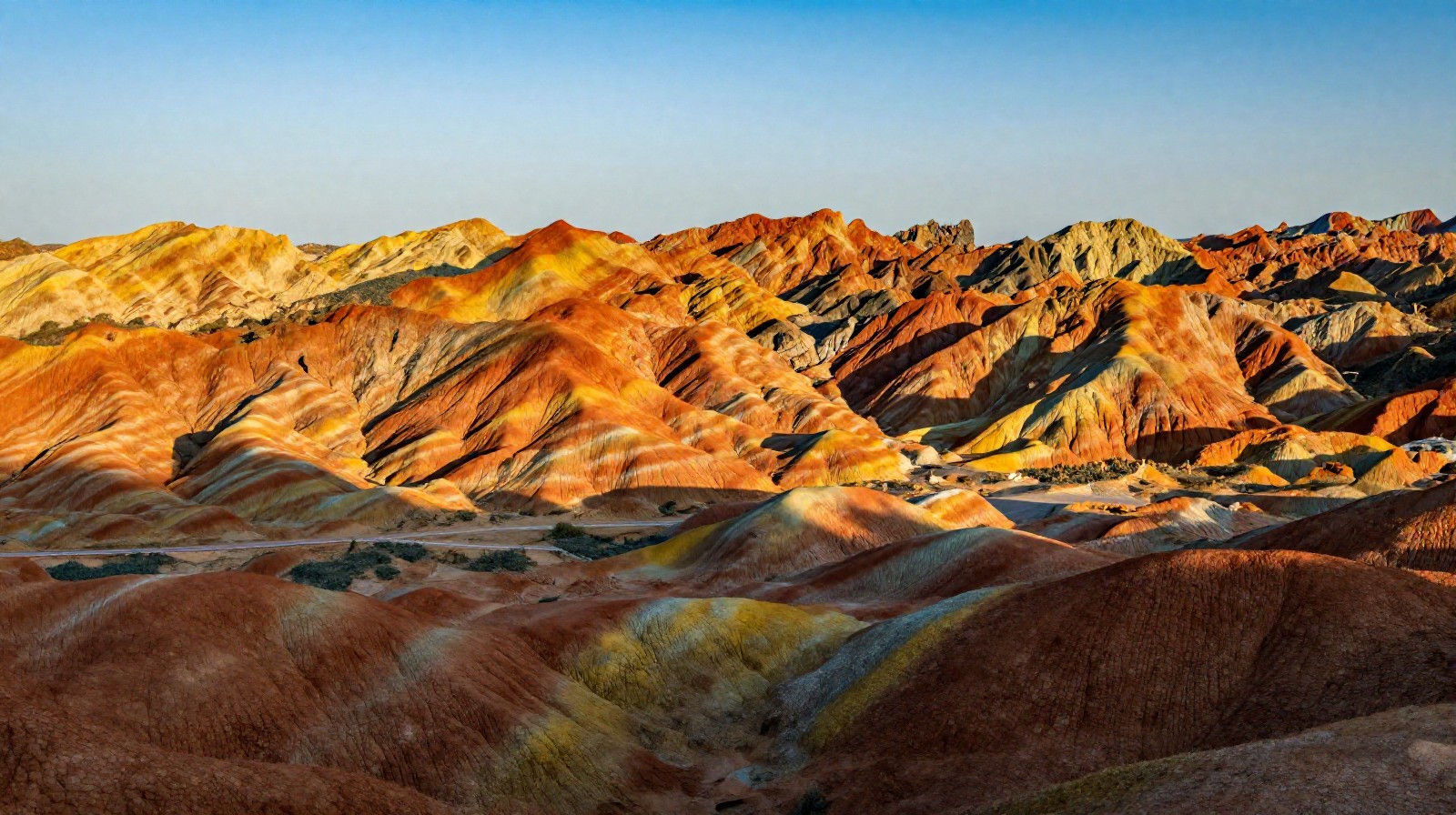
The air is crisp at 6:30 AM, carrying a faint scent of dry earth and wild sage. On the observation deck, tourists are already shivering in thin jackets, their breath visible in the pale light. They aren’t looking for a famous landmark; they are waiting for the sunrise to turn red sandstone into burning gold.
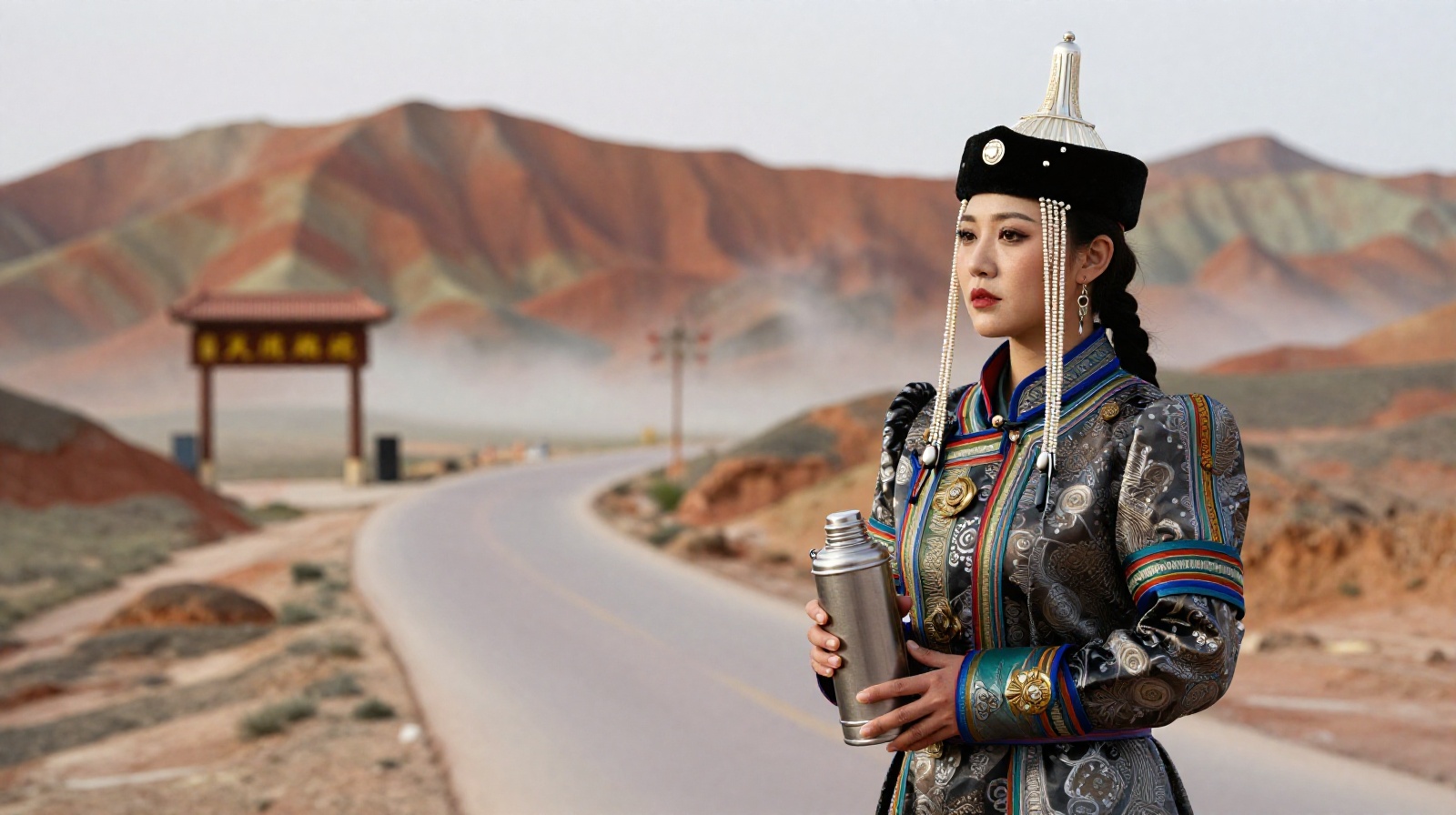
This is Zhangye Danxia National Geopark in Gansu Province. To geologists, it’s a textbook example of Cretaceous sedimentation and tectonic uplift. To the local Mongolian and Hui communities who have farmed here for centuries, it is simply home—a rugged landscape that shapes their daily rhythm more than any city skyline.
The Science of Color: How Mountains Got Their Palette
The “rainbow” in Zhangye isn’t a trick of light alone; it’s written in stone. Over 24 million years, layers of sandstone and mineral-rich mud accumulated in an ancient lake basin. Iron oxides turned some layers red, while copper minerals created greens and yellows. Later, tectonic forces pushed these soft sediments upward, folding them like a crumpled rug.
Erosion by wind and rain then carved the landscape into steep ridges and sharp peaks. The result is a geological cross-section that looks like a painter’s palette left out in the sun. Unlike the Grand Canyon, which relies on vast depth, Zhangye dazzles with intense, vertical color contrasts visible from a single vantage point.
Chasing Light: When the Colors Shift
The most striking feature of Danxia is its fluidity. At noon, under the harsh Gansu sun, the colors can look muted and dusty. But as the sun dips toward the western horizon, the rock faces ignite. Reds deepen to crimson, oranges flare into fire, and shadows carve out intricate patterns that change every minute.
Locals know this well. “The mountain changes its face three times a day,” says Li, a tour guide who grew up in the nearby county town. He advises visitors to arrive hours before sunset, not just for the photo op, but to witness the slow transformation of the earth itself.
Crowds vs. Solitude: Finding Your Own Path
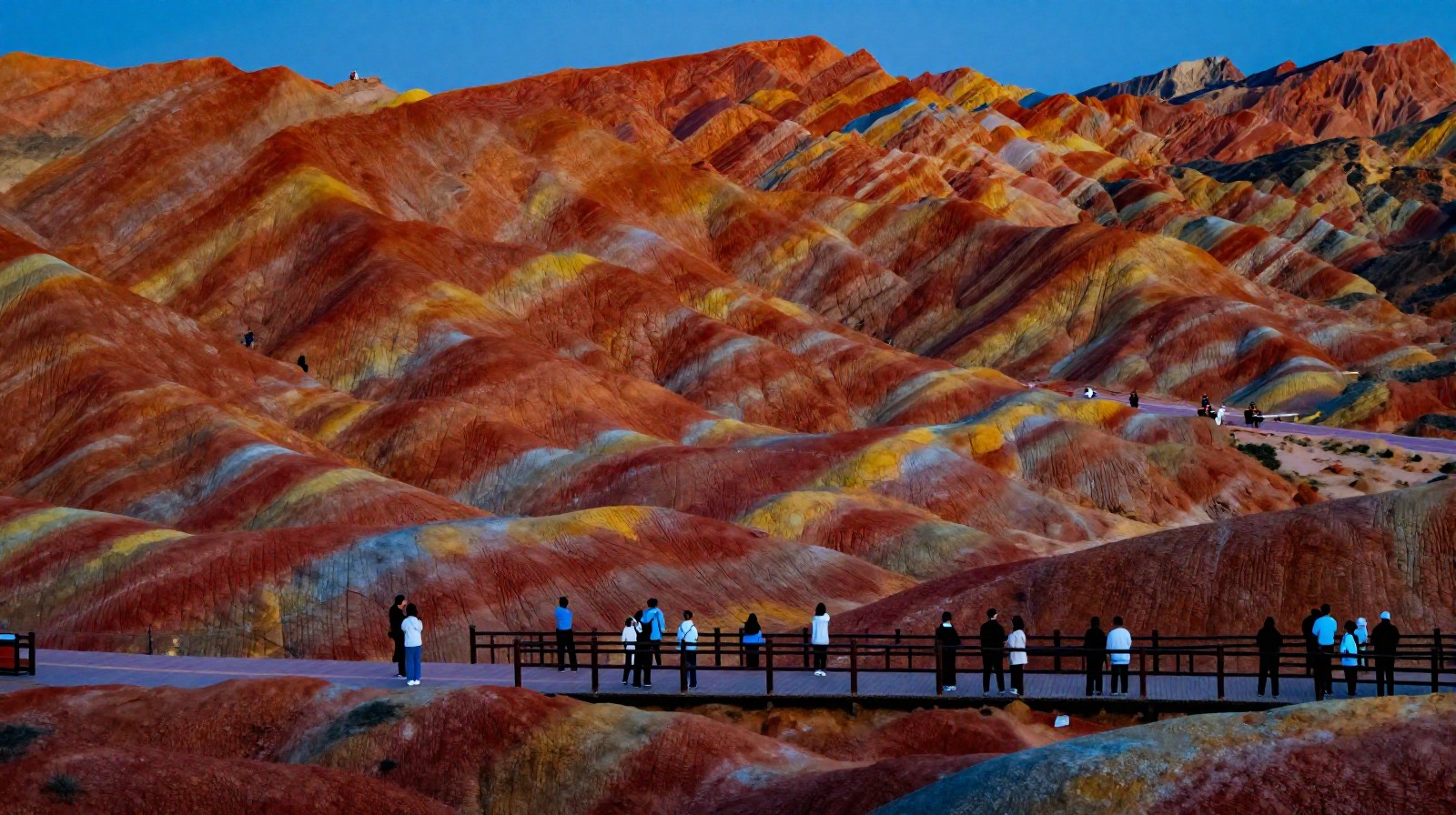
During peak season, the main boardwalks can be packed with tour groups snapping selfies. But the real magic often lies just off the beaten path. The park is vast, and while the central viewing platforms are crowded, quieter trails lead to secluded ridges where you can hear only the wind.
Experienced hikers know that walking further into the northern sector often yields better angles with fewer people. It’s a trade-off: you walk a bit longer for a clearer view of the layers without dozens of tripods in your frame. This balance between accessibility and preservation is key to the park’s management strategy.
Life Beyond the Viewpoint
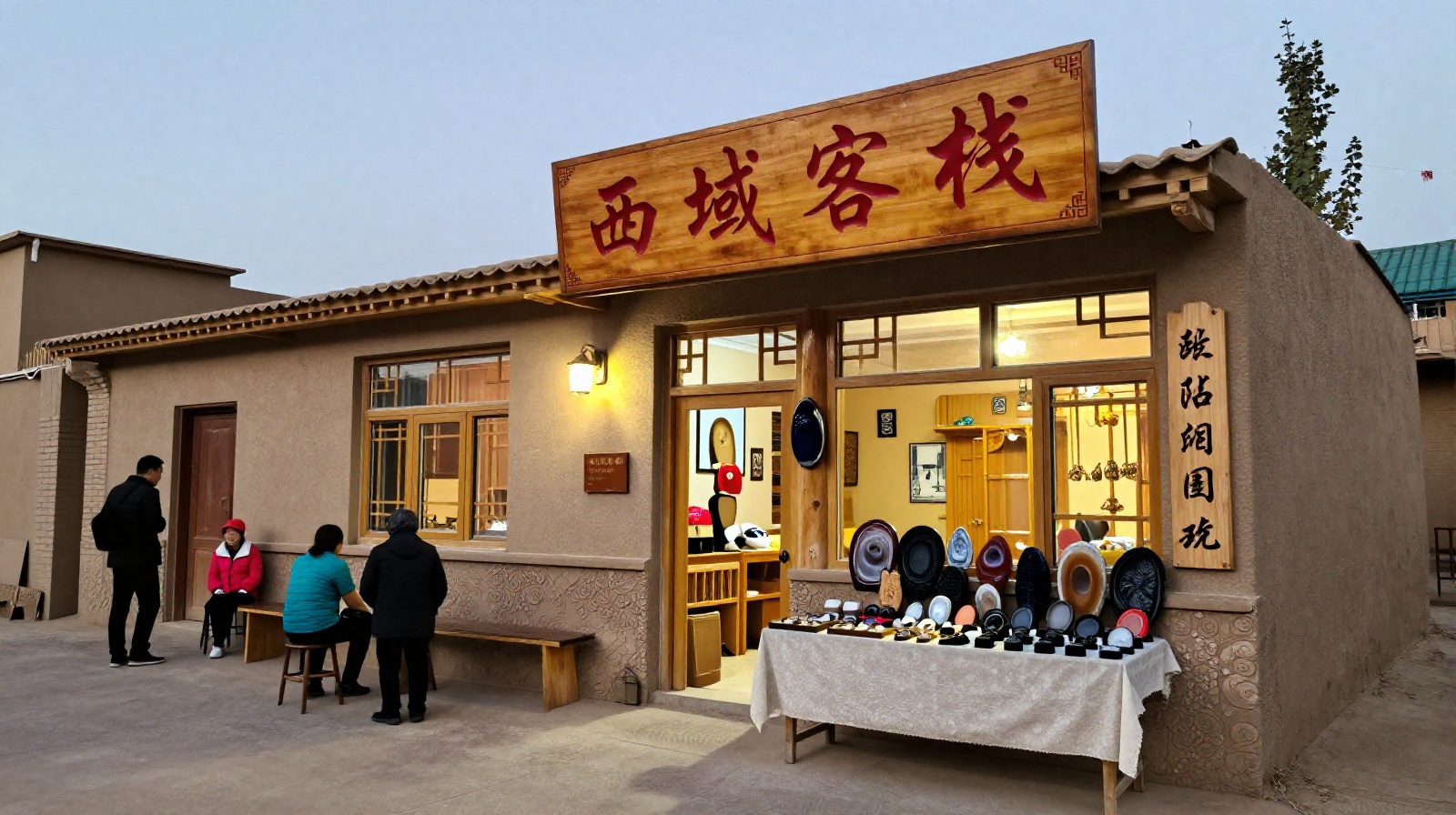
Tourism has transformed this region, but not always in the ways expected. Small family-run guesthouses now line the road to the park, replacing old mud-brick homes. Locals work as drivers, guides, or artisans selling local crafts like agate carvings.
However, the community is acutely aware of its responsibility. Strict rules limit visitor numbers in sensitive areas and ban drones in core zones to prevent erosion damage from foot traffic. The revenue doesn’t just build hotels; it funds soil conservation projects and reforestation efforts.
In the evenings, when the lights on the boardwalks dim, the local residents return to their daily lives. They gather in small squares to play chess or dance, surrounded by the silent, colorful giants that have watched over them for eons. The landscape isn’t just a backdrop for photos; it’s the foundation of their identity.