
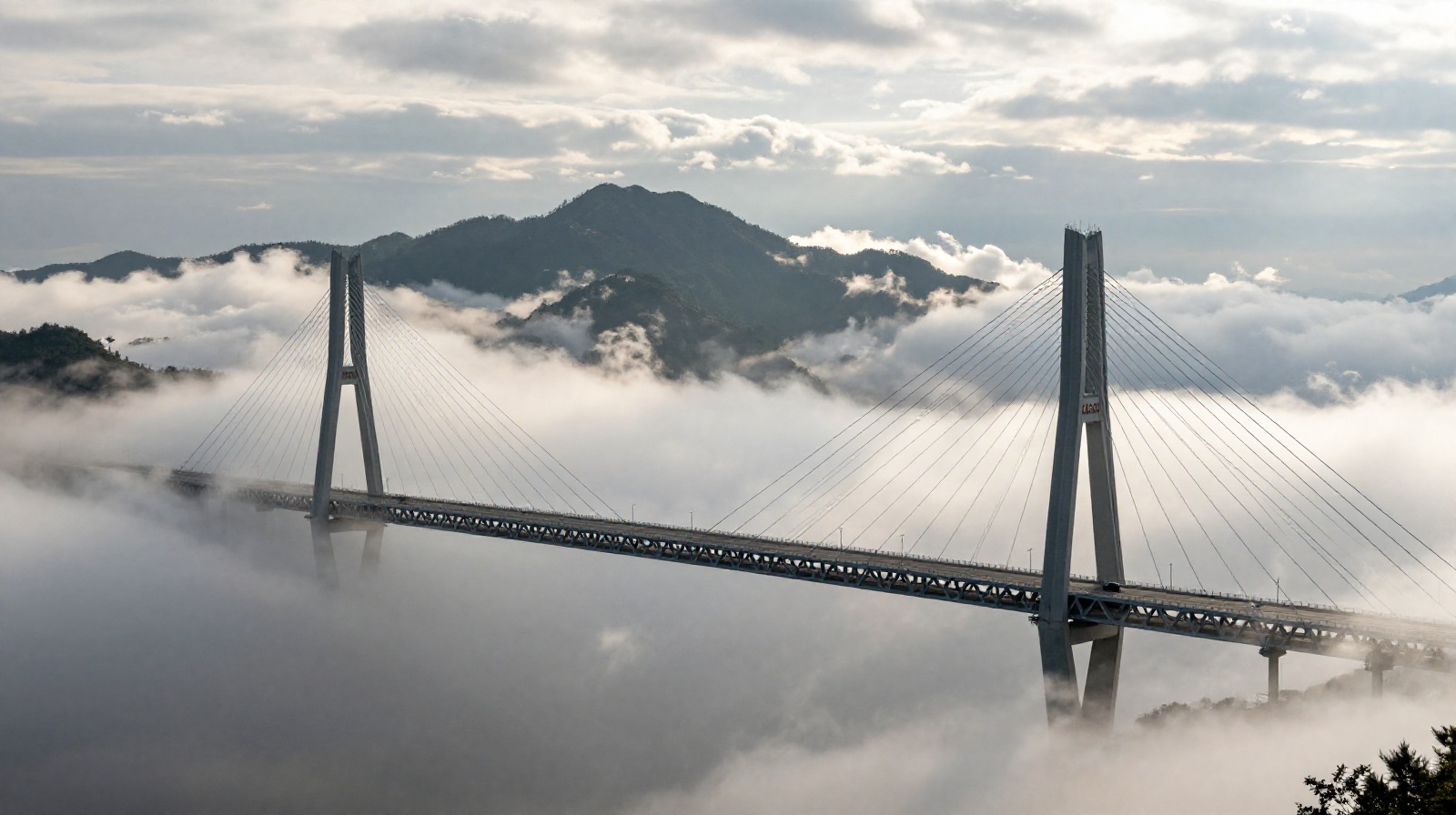

Where the Road Meets the Sky
The air is thin here. At 3,000 meters above sea level, every breath feels a fraction heavier than it does at sea level. The temperature hovers around zero Celsius even in mid-afternoon. But the most striking feature isn’t the weather; it’s the silence of the valley below and the roar of traffic on a steel ribbon stretching thousands of feet into the void.
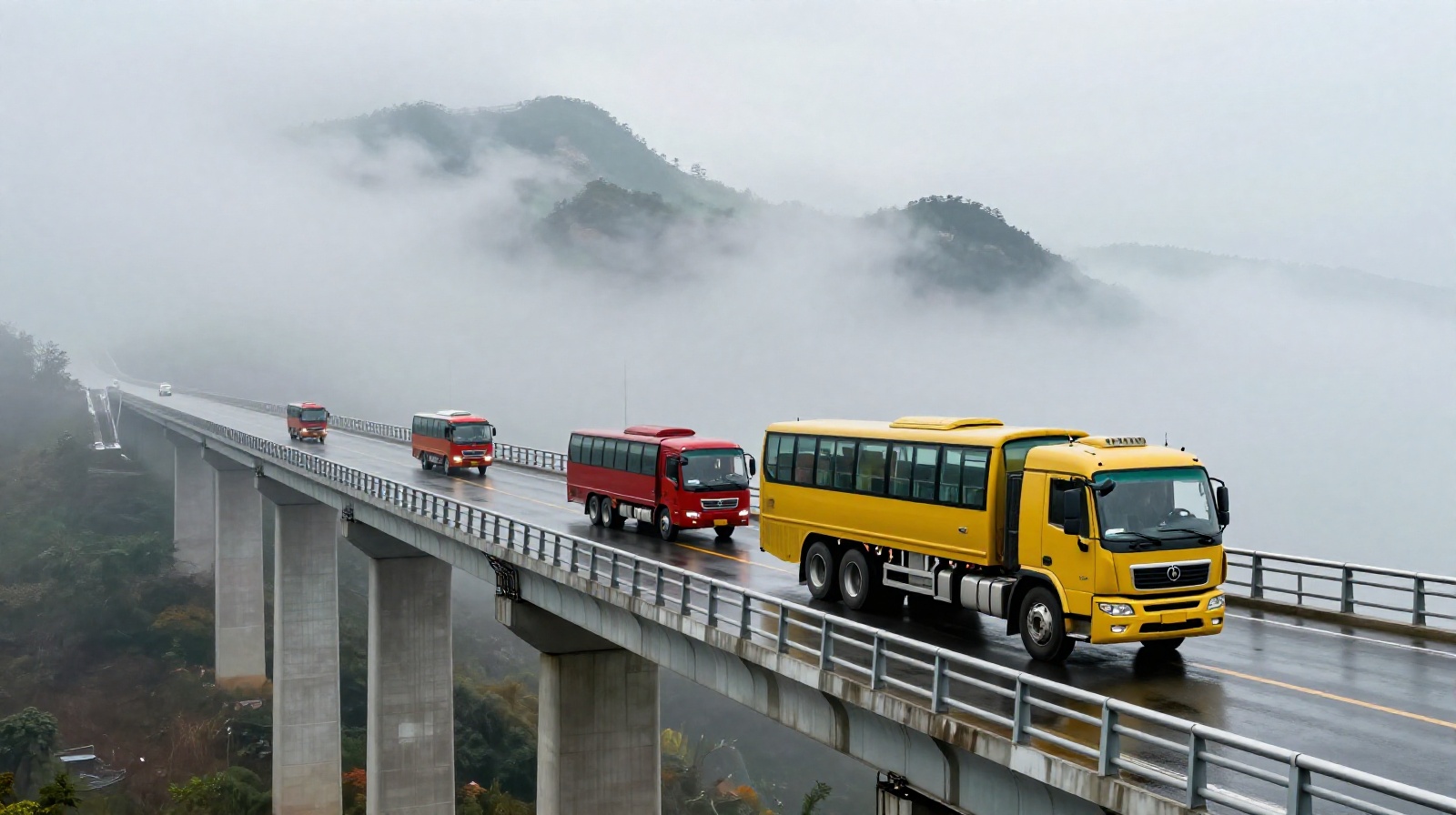
This is not a scene from a science fiction movie. This is a daily reality for drivers crossing one of China’s highest bridges, located in the rugged mountains of southwestern China. For decades, this valley was an impassable barrier. Villages were cut off. Goods had to be carried by hand or donkey over treacherous paths. Today, that same road carries heavy trucks and tourists at speeds exceeding 80 kilometers per hour.
Engineering Against the Elements
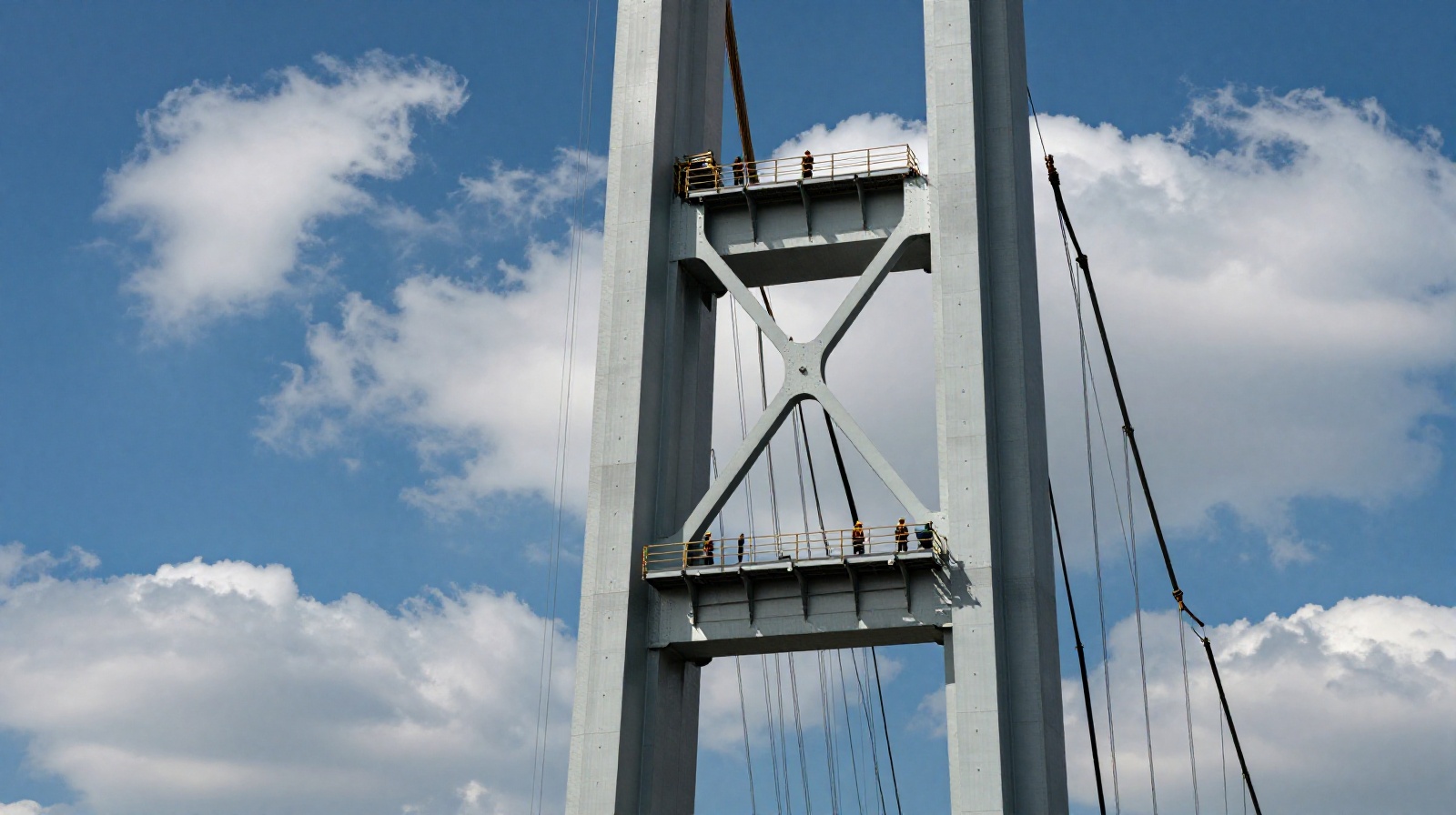
The bridge spans a deep gorge where the wind howls at hurricane speeds. Engineers faced two massive challenges: extreme winds and seismic activity. The design incorporates aerodynamic shapes to slice through gusts that would knock smaller structures down. Inside the steel towers, sensors monitor vibrations in real-time, adjusting tension as the structure sways gently with the mountain breeze.
The construction materials themselves are a marvel. Specialized high-strength steel was developed to withstand temperatures dropping below -30°C without becoming brittle. Concrete mixes include additives that prevent cracking under freeze-thaw cycles. The main span, covering over 1,000 meters, is one of the longest in the world for this elevation class, achieved through precise cable-stayed technology.
The Human Cost of High Altitude
Behind the steel and concrete are thousands of workers who faced conditions that would be lethal to others. During winter construction, the temperature dropped so low that ordinary welding equipment froze solid. Workers had to build temporary heated tents around their workstations.
Oxygen levels at 3,000 meters are roughly 70% of sea-level pressure. Many workers suffered from altitude sickness—headaches, dizziness, and fatigue were common companions on the job site. “You don’t sleep well,” says Li Feng, a former site supervisor who now manages logistics for the bridge. “But when you see the first cable locked into place, you know it was worth it.” The project required strict medical monitoring and rotating shifts to ensure no one worked while too exhausted.
Bridging the Economic Divide
Before this bridge, a trip from the neighboring county town to the valley took six hours on winding dirt roads. Now, it takes 20 minutes. This reduction in travel time has sparked an economic transformation.
Local farmers who once struggled to get their produce to market can now ship fresh vegetables and fruits daily to cities hundreds of kilometers away. The bridge has become a tourist magnet as well. Visitors come not just for the view, but to witness human ingenuity conquering nature’s obstacles. Hotels and local eateries near the bridge exit have boomed, providing jobs for thousands who previously had few options.
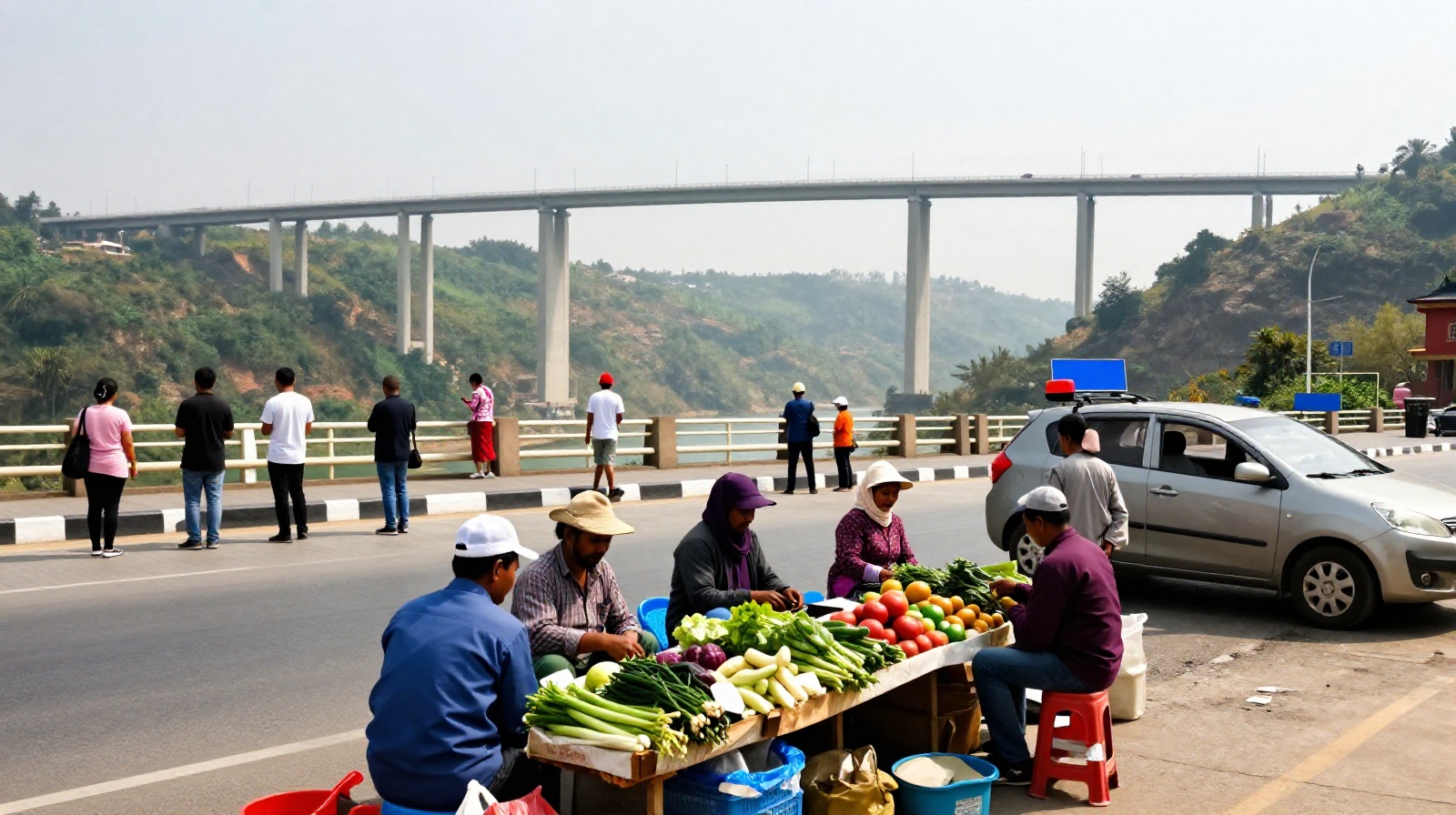
A Drive on Clouds
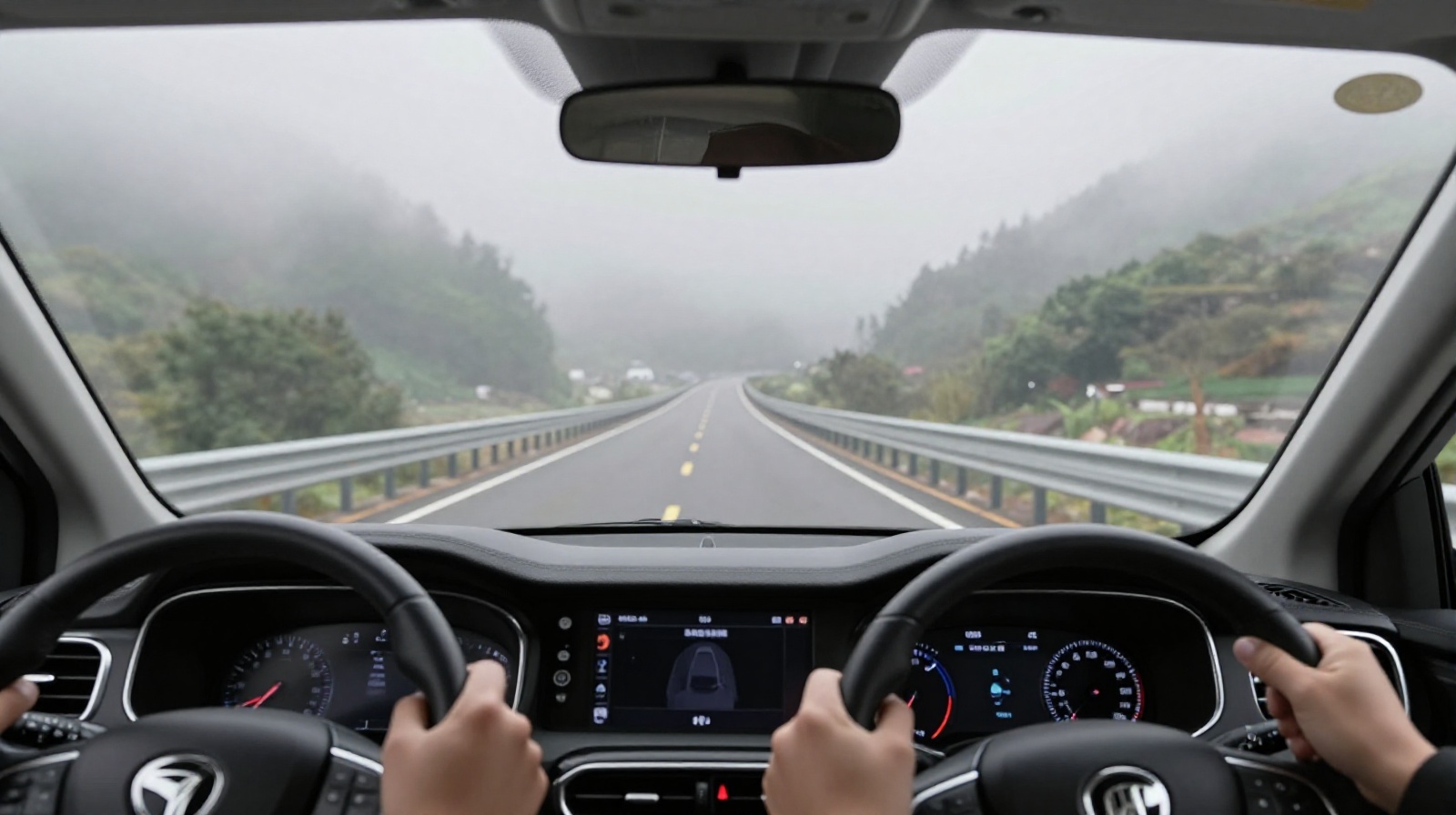
Stepping into a car to cross the bridge is an experience that defies gravity. As you ascend the ramps, the world below disappears into a sea of white fog. The road surface is smooth, marked with reflective lines that glow in the dim light.
The view from the driver’s seat is surreal. Below, the canyon walls are hidden by clouds; above, the sky seems close enough to touch. There is no guardrail anxiety here—modern engineering has ensured stability even in high winds. Yet, the sheer drop creates a primal sense of awe. You aren’t just driving on a road; you are navigating through the atmosphere.
This bridge represents more than concrete and steel. It symbolizes a shift in how China approaches infrastructure: tackling the hardest terrains first to connect remote communities. For those who drive across it, it is a tangible proof that distance no longer means isolation.