
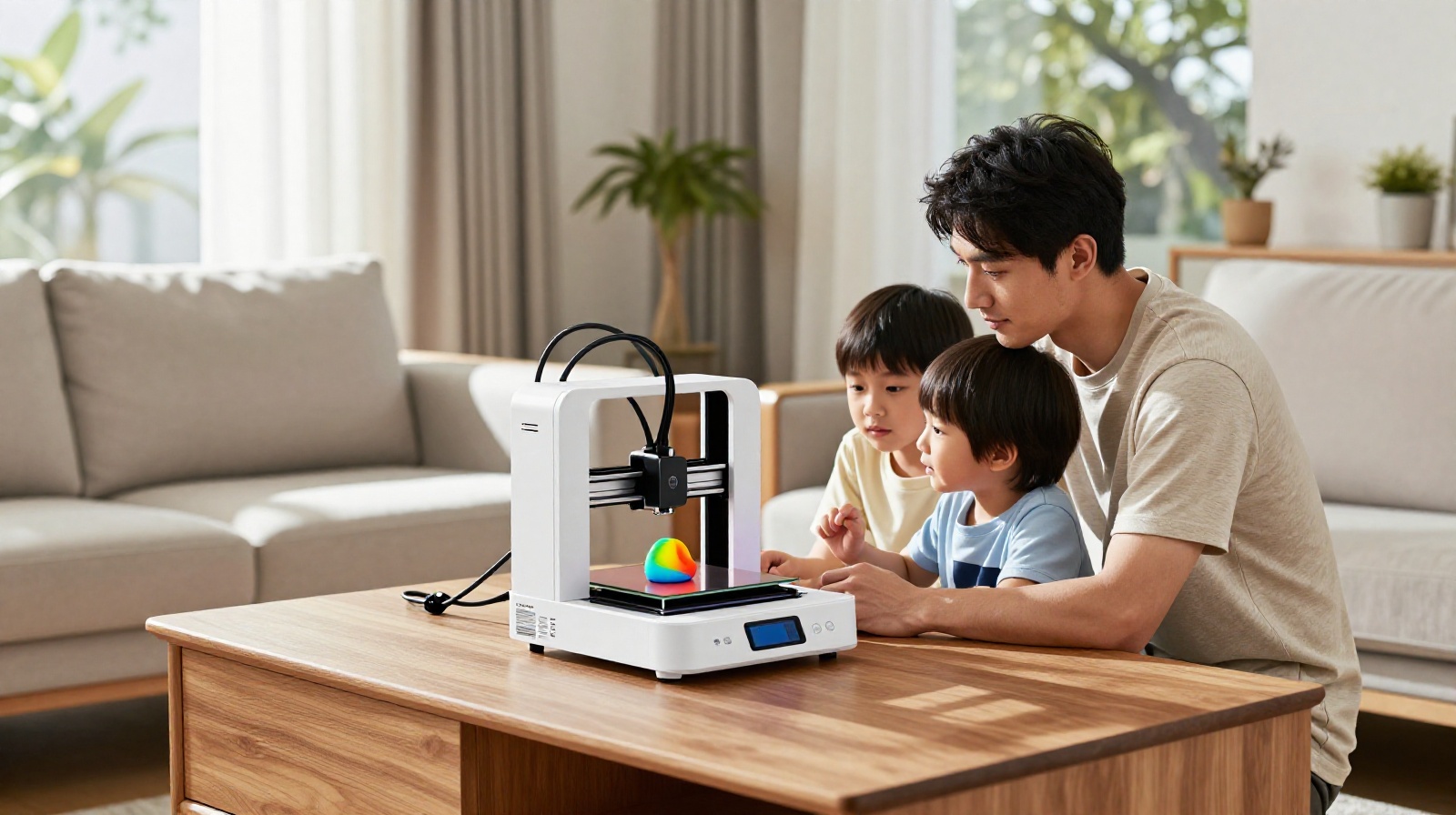

The Unlikely Hobbyist: A Scene in a Shanghai Apartment
It is a quiet Saturday afternoon in a standard apartment in Shanghai. Instead of the hum of a washing machine or the TV blaring, there is the soft whirring of a small machine on the dining table. Li Wei, a 34-year-old graphic designer, leans over his desktop. He isn’t printing plastic toys; he is fixing a broken gear for his child’s toy car that was lost in a thrift store.
He opens a model file from an online community, loads it into the printer—a device that cost him about $200 three months ago—and hits start. In two hours, a perfect replacement part sits on the bed of the machine. Li’s story is no longer an outlier. Across China, from tier-one cities to smaller counties, ordinary families are embracing what might be called “the kitchen table factory.” The stereotype of China as merely the world’s assembly line is fading, replaced by a reality where high-tech manufacturing tools have become affordable household appliances.
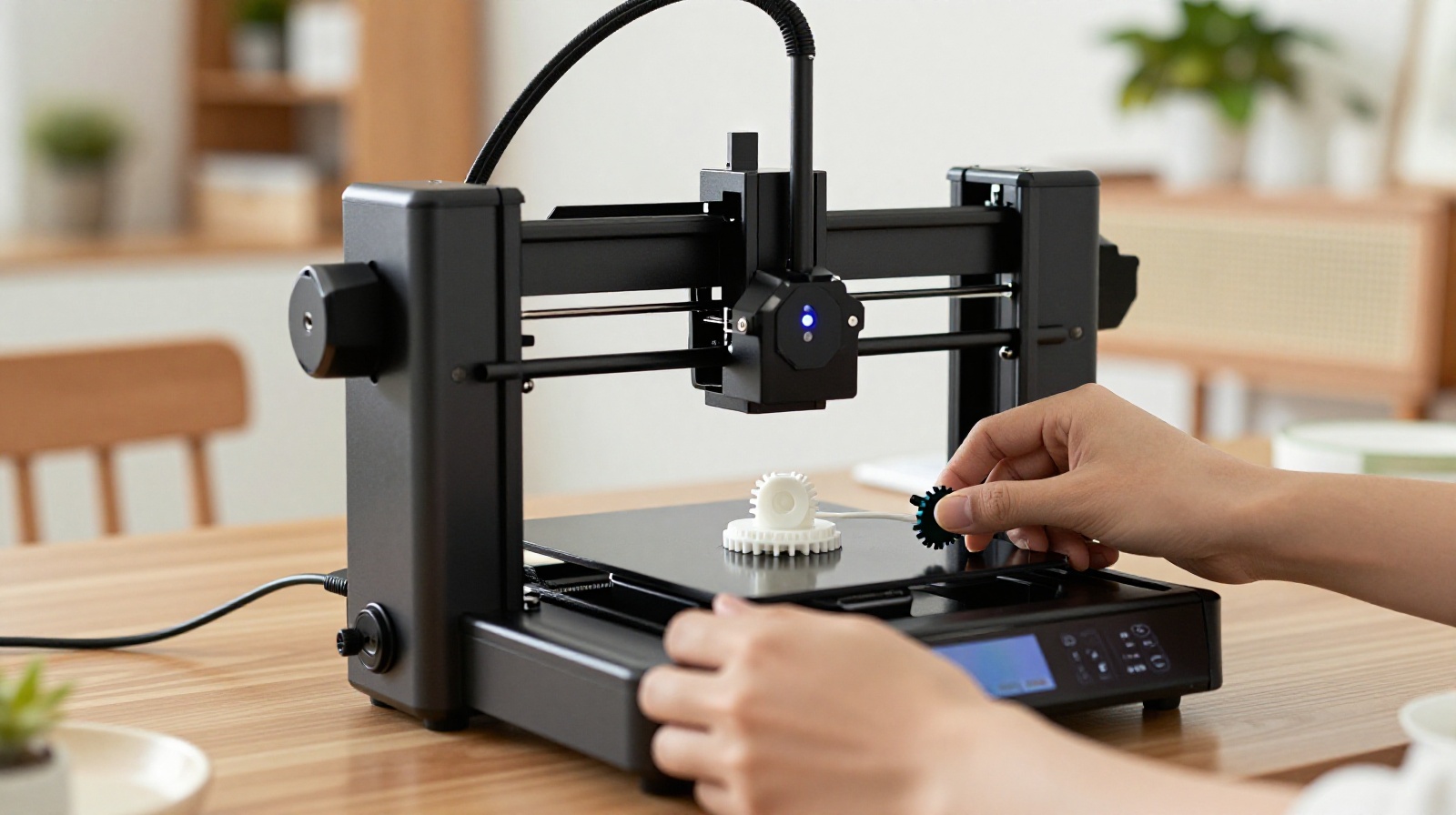
The Economics of Affordability: Why Now?
Why has this shift happened so quickly? The answer lies in China’s unique industrial ecosystem. Over the last decade, the country transformed from a consumer of 3D printing technology into its primary manufacturer.
In the early days, industrial-grade printers cost tens of thousands of dollars and required climate-controlled labs to operate. Today, thanks to domestic competition among Chinese tech firms like Creality, Bambu Lab, and Anycubic, the price barrier has collapsed. A reliable FDM (Fused Deposition Modeling) printer that once cost $500 can now be bought for under $200. This isn’t just a price drop; it is a fundamental change in accessibility.
For a typical middle-class family in China, spending $200 on a toy or gadget is comparable to buying a pair of high-quality sneakers or dining out several times. The technology has moved from the realm of engineers and scientists into the hands of parents, students, and retirees. This democratization of hardware means that innovation is no longer confined to R&D departments in Shenzhen; it is happening in living rooms across the country.
From Gadgets to Solutions: Practical DIY
In many Western countries, 3D printing is often associated with prototyping or artistic expression. In China, the application is strikingly pragmatic. Families use these machines not just for fun, but as a tool for maintenance and problem-solving in an era where disposable culture is slowly shifting.
Consider the story of Zhang Min in Chengdu. Her plastic handle on her rice cooker snapped last month. Instead of buying a new $60 appliance or waiting days for a shipping replacement from an online retailer, she scanned the broken piece and printed a reinforced version of the handle herself. The material cost was less than $2.
This pragmatism is widespread. Parents print custom parts for bicycles that are no longer in production. Students design organizers for their desks to manage clutter. In rural areas, farmers have used modified printers to create specialized jigs for repairing irrigation equipment. The narrative has shifted from “buying new” to “making what you need.” It reflects a broader cultural confidence: if a part exists digitally, it can be made physically, quickly, and cheaply.
The Digital Village: Community and Sharing
Technology alone does not create a culture; community does. The rise of the “home maker” in China is fueled by a vibrant digital ecosystem. Platforms like Bilibili (the Chinese equivalent of YouTube) and specialized forums are flooded with content from amateur makers.
You don’t need to be an engineer to start. If you buy a printer, online communities provide free blueprints for everything from phone stands to cosplay props. There is a distinct social aspect: sharing files, troubleshooting failures together in WeChat groups, and showcasing finished projects. This open-source spirit mirrors the global maker movement but operates with a unique intensity driven by China’s high-speed internet and mobile payment culture.
What This Means for China’s Economy
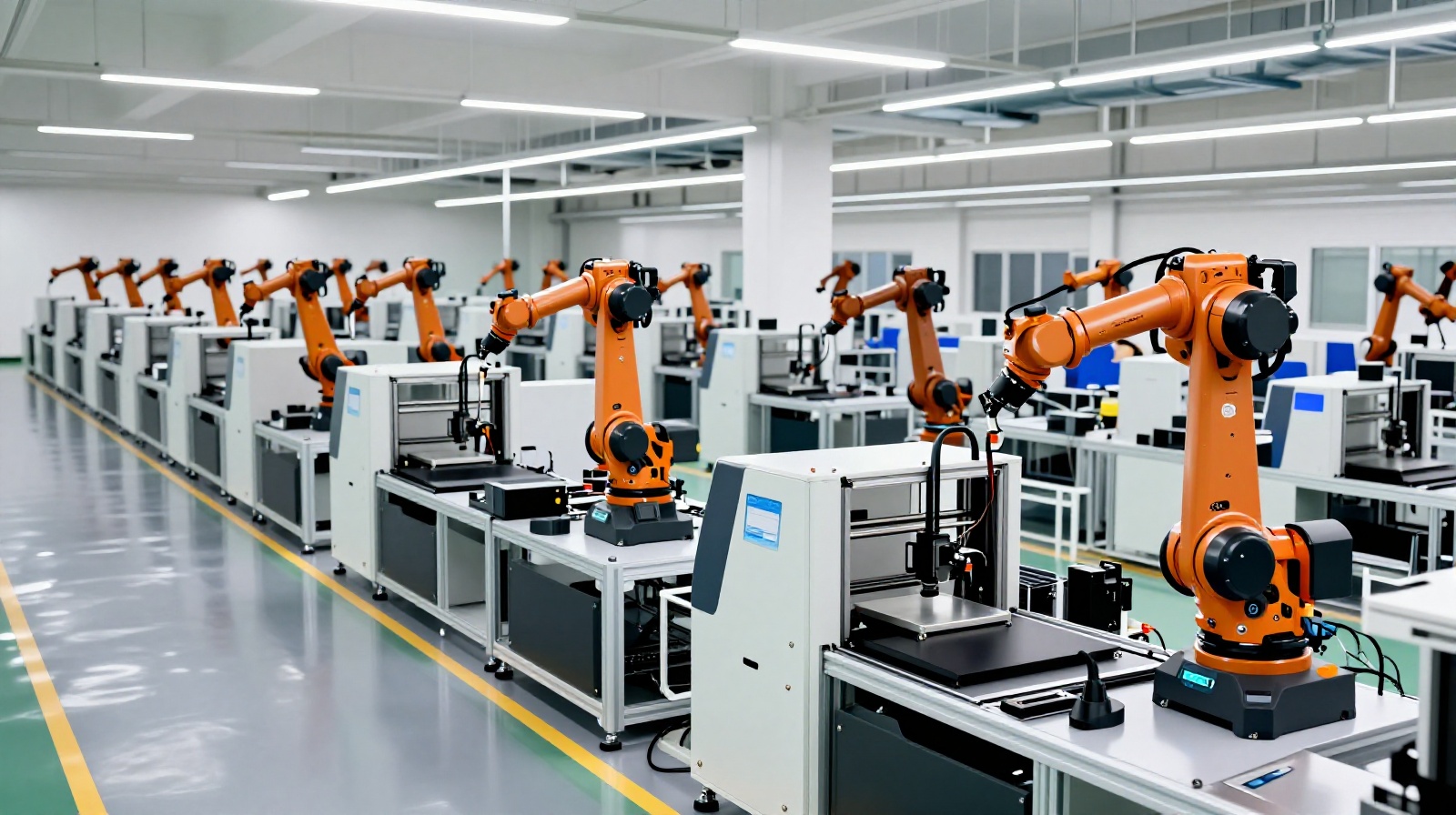
This trend is more than just a hobbyist fad; it signals a deeper economic transition. For decades, China’s growth was defined by massive scale—building the world’s largest factories and producing billions of identical items. Today, the focus is shifting toward customization, innovation, and high-value services.
The proliferation of household 3D printers is a microcosm of this shift. It represents a move from “mass production” to “mass customization.” When millions of households become potential micro-factories, the barrier between producer and consumer blurs. This bottom-up innovation fosters a generation comfortable with technology, not just as users, but as creators.
For global observers, this is a crucial signal. It suggests that China’s next phase of development will be driven less by cheap labor and more by a highly skilled, tech-literate population capable of solving local problems with digital tools. The “toy” on the dining table is actually a precursor to a new kind of industrial agility.
Looking Ahead: A New Normal
The image of China is evolving rapidly. It is no longer just a place where goods are made; it is a place where ideas are prototyped, fixed, and reinvented daily in millions of homes.
As prices continue to drop and software becomes more user-friendly, the “kitchen table factory” will likely become standard equipment in many households. The tools that once defined advanced engineering are now as common as a smartphone or a microwave. This democratization of technology offers a glimpse into a future where innovation is not a distant concept reserved for corporations, but a daily practice accessible to everyone.