
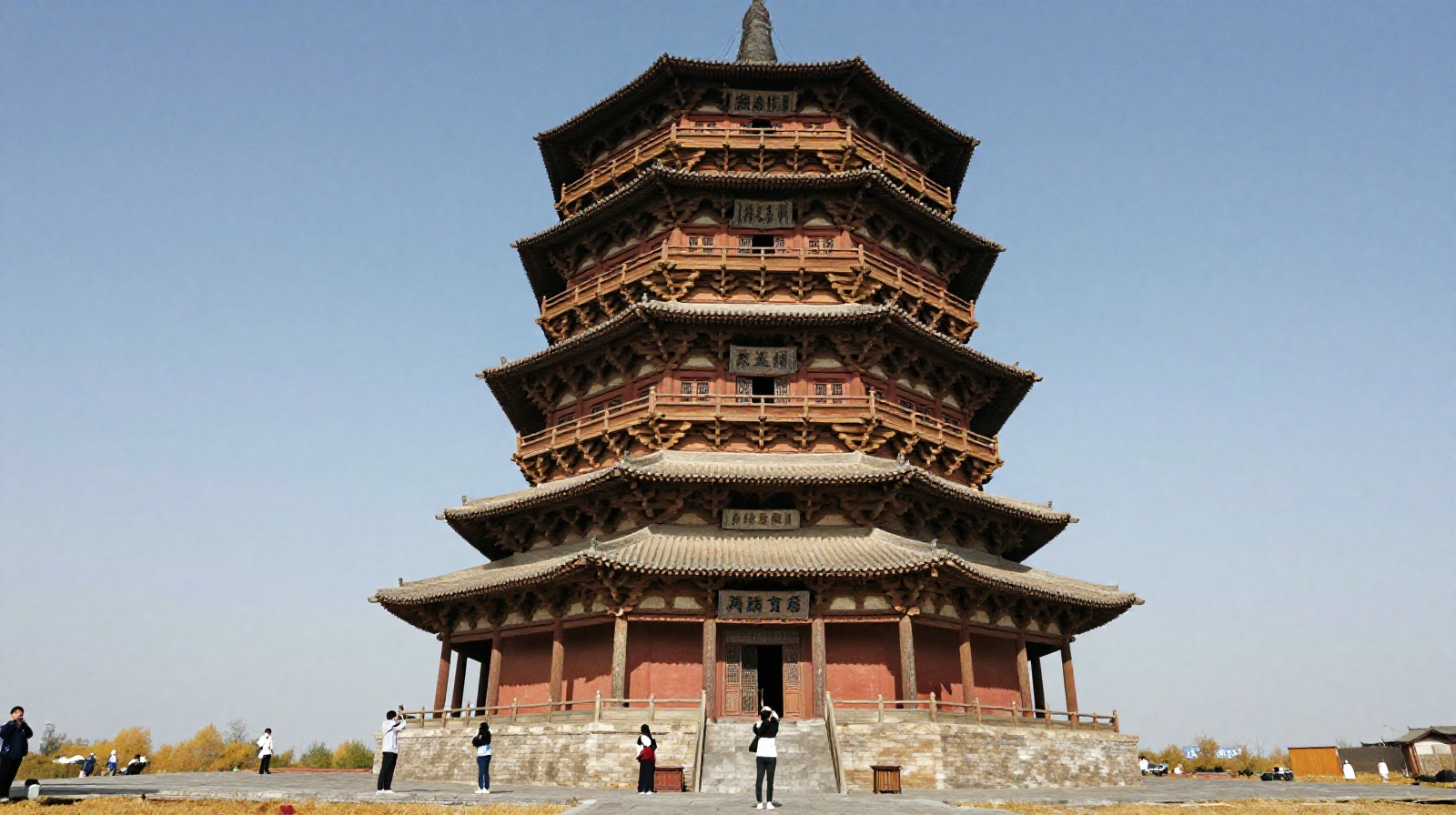

A Tower That Defies Gravity
Imagine walking into a room where the floorboards creak with every step, and the air feels heavy, yet the structure has stood for over a millennium. This is the reality inside the Second Story of the Yingxian Wooden Pagoda in Shanxi Province, China. Unlike the rigid steel and concrete towers that dominate modern skylines, this 98-meter-tall structure built in 1056 AD feels alive.
Visitors often ask: “How is it still standing?” The answer isn’t just luck; it’s a sophisticated interplay of biology and engineering. The wood used—mainly Chinese fir—is not dead timber in the way we think. It continues to react to the environment, expanding and contracting with humidity changes like living skin.
The Science of “Breathing” Wood
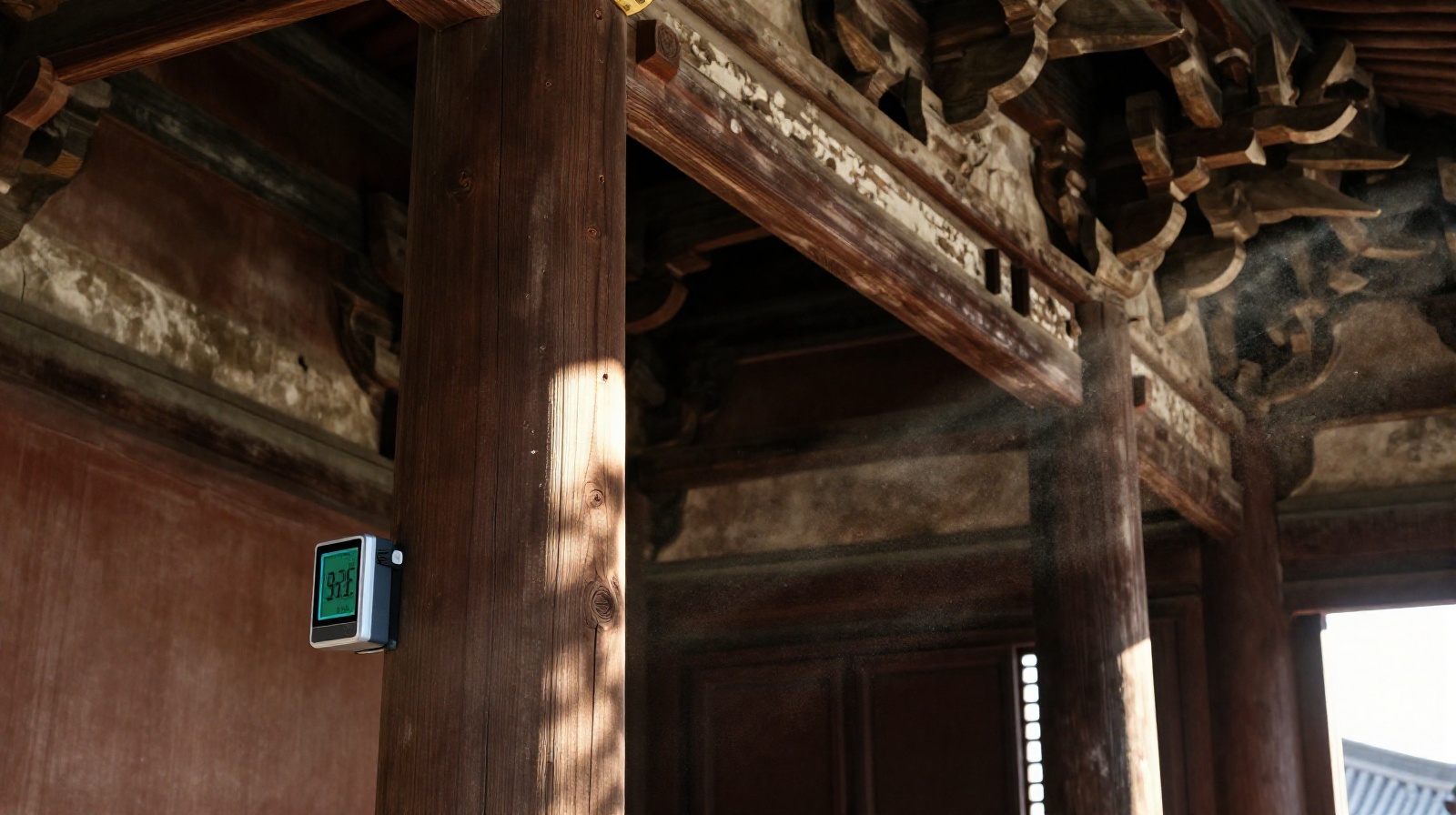
When you touch the darkened pillars inside the tower, they feel slightly cool and moist. This isn’t a sign of decay; it’s a feature. The wood absorbs moisture from the air during rainy days and releases it when dry. This natural cycle creates a dynamic equilibrium that prevents the structure from becoming brittle.
However, the real miracle lies in its skeleton. The pagoda is held together by dougong, an interlocking wooden bracket system without a single nail or piece of metal. Think of it as a complex 3D puzzle where every piece has a tiny amount of wiggle room.
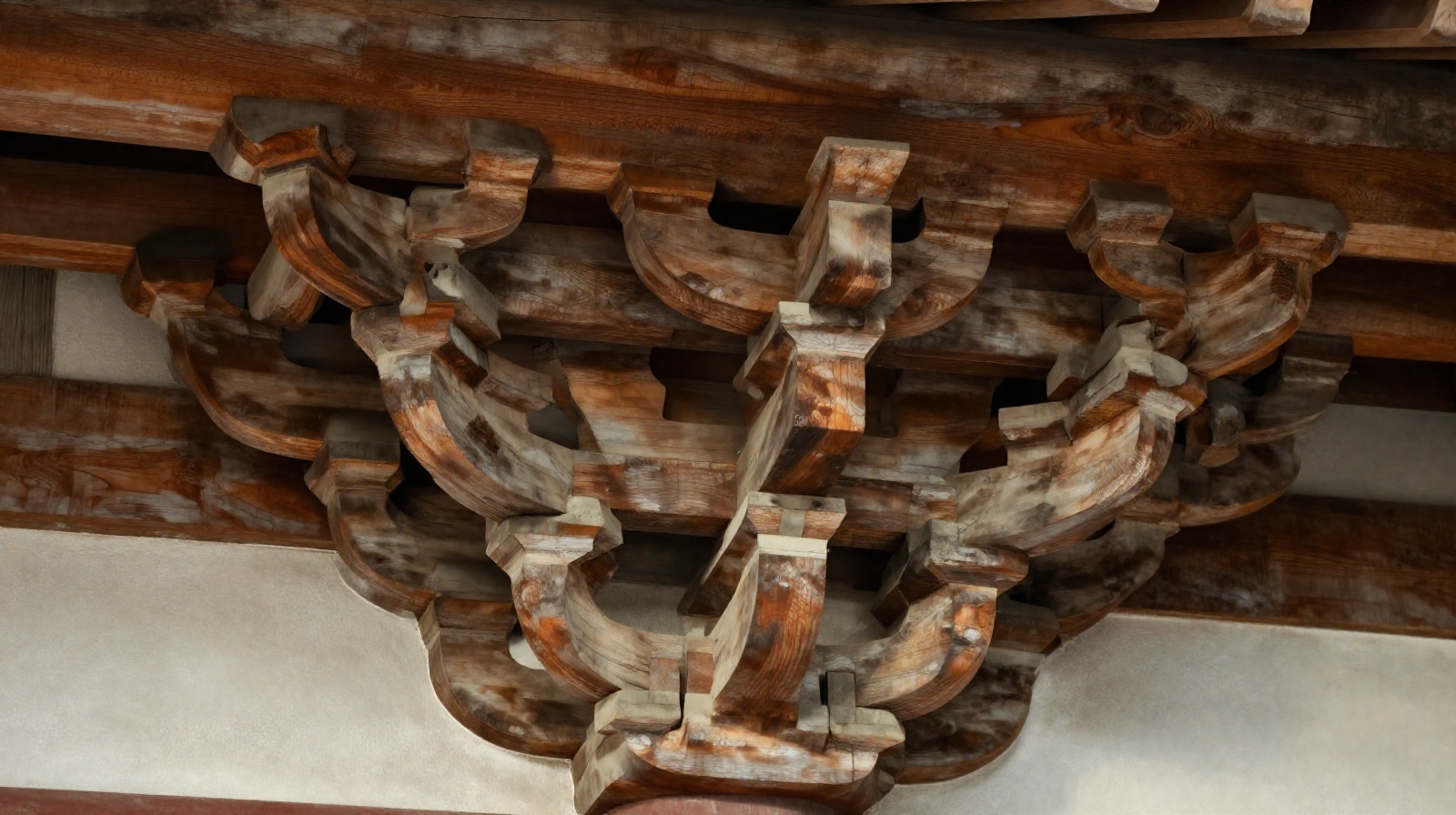
When the ground shakes, these brackets don’t fight the force; they dance with it. They absorb seismic energy by flexing and releasing, then snapping back into place once the tremor stops. This is why modern skyscrapers made of rigid concrete often crack during earthquakes, while this ancient tower sways gently and survives.
A Living Patient
For centuries, people treated the pagoda as a static relic to be admired from afar. Today, local restorers see it differently: as a living patient. “The wood is alive,” says Li Wei, a senior structural engineer working on the tower’s preservation. “It breathes, it swells, and it gets tired like we do. We don’t just patch holes; we help it maintain its natural rhythm.”

Restoration teams now use a mix of ancient techniques and modern science. They monitor humidity levels 24/7 with digital sensors hidden in the eaves. If the air gets too dry, they gently mist specific areas to prevent cracking. If a beam is showing signs of rot, they don’t replace it entirely; instead, they reinforce it using traditional joinery methods that allow for future movement.
Ancient Wisdom Meets Modern Tech
The contrast between the tower’s 10th-century design and today’s high-tech preservation efforts is striking. Engineers use laser scanning to create a millimeter-accurate digital twin of the entire structure, tracking every microscopic shift over time.

This isn’t just about saving a building; it’s about understanding how humanity can coexist with nature without dominating it. In a rapidly modernizing China, where cities change by the year, the Yingxian Pagoda stands as a quiet reminder that resilience often comes from flexibility, not rigidity.
What the Tower Teaches Us
The story of the Yingxian Wooden Pagoda is more than history; it’s a lesson in adaptation. As we face climate change and resource limits, the ancient Chinese approach of working with natural forces rather than against them offers valuable insights. The wood breathes, the earth moves, and the tower endures.