


From Dream Homes to Daily Security
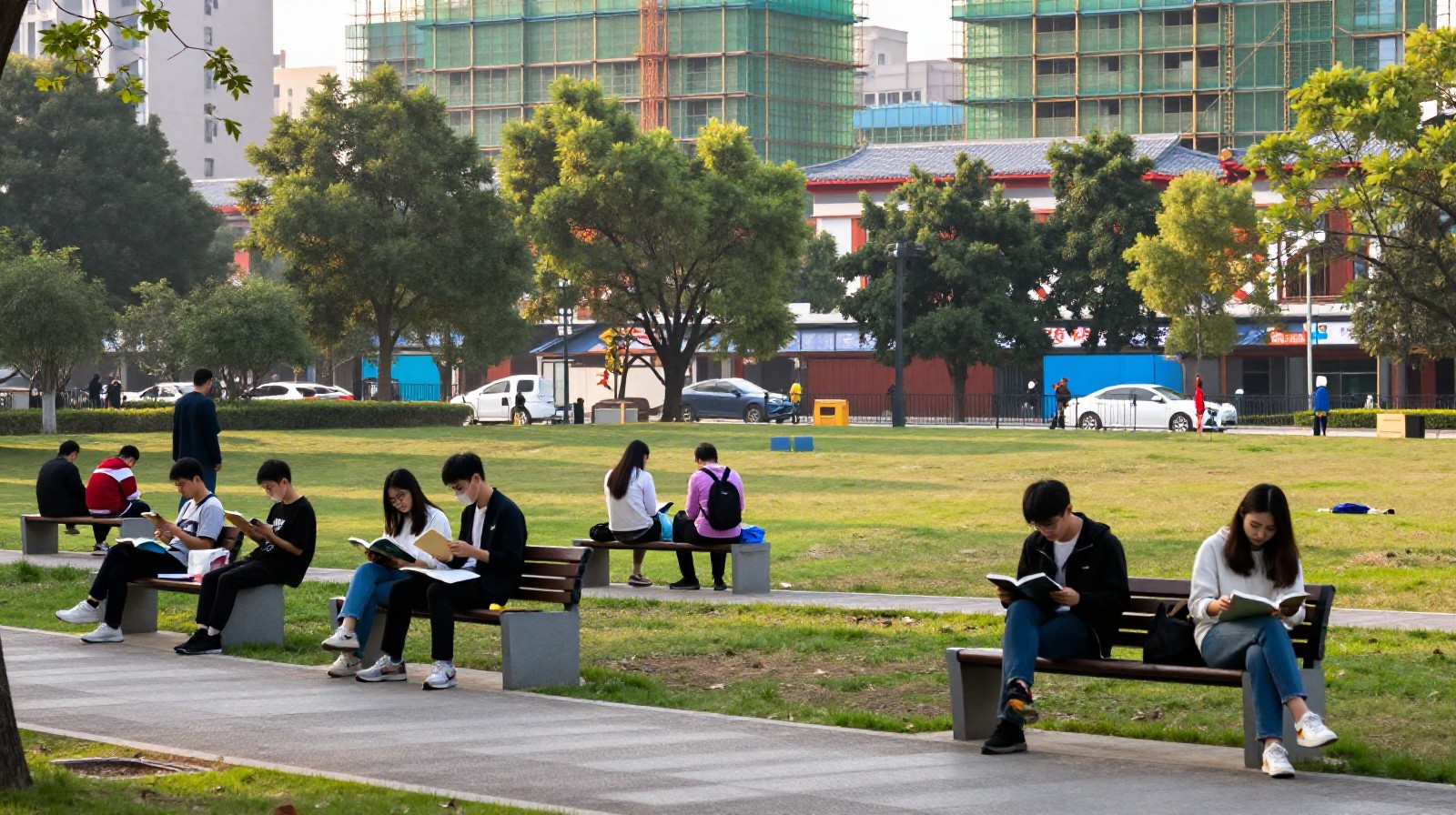
In the bustling district of Haidian, Beijing, 34-year-old software engineer Li Wei sits in a quiet park rather than a new apartment showroom. Just five years ago, his dream was to buy a larger flat near his workplace to accommodate his growing family. Today, he is saving aggressively for his daughter’s education and his parents’ medical needs.
Li represents millions of Chinese households navigating a fundamental shift. For decades, buying property was the primary vehicle for wealth accumulation in China, often seen as a guaranteed investment. But the market has cooled dramatically since 2021. The era of double-digit price increases is over, replaced by stagnation and even declines in many second- and third-tier cities.
The Shift in Household Priorities
The impact is not just on the real estate sector; it has rippled through daily consumption habits. In Shanghai, a small business owner named Zhang Min stopped planning to expand her retail space and instead invested in upgrading her family’s health insurance and travel funds.
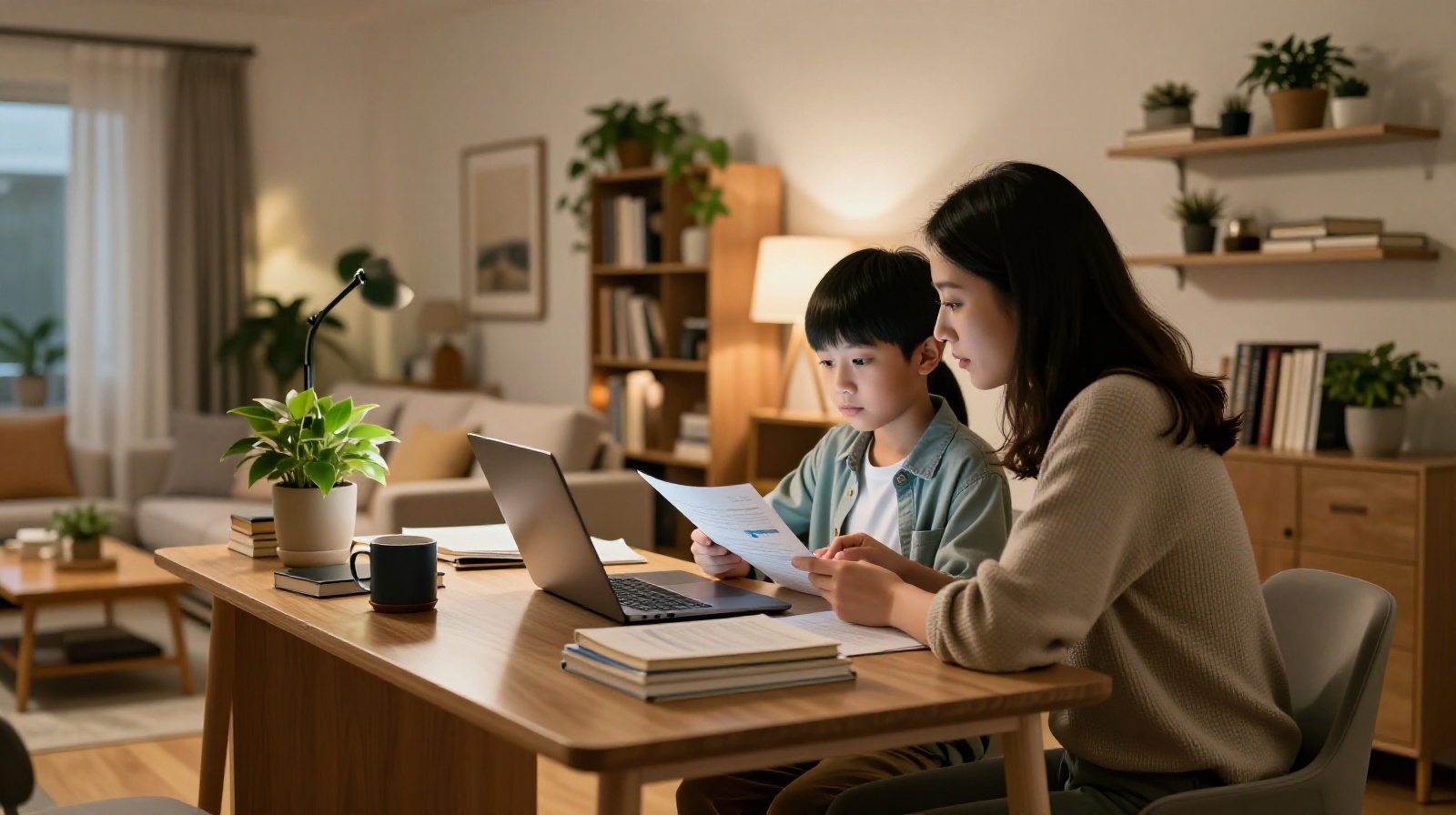
Data from the National Bureau of Statistics shows that household savings rates have surged as confidence in property values wavers. Families are no longer betting their entire life savings on bricks and mortar. Instead, they are prioritizing liquidity—keeping cash accessible for emergencies or unexpected opportunities.
This psychological shift is profound. The cultural belief that “property always goes up” has been challenged by reality. Young professionals like Li are increasingly viewing rental markets as a viable long-term solution rather than a temporary step before buying. In tier-one cities, high down payments and mortgage rates have pushed many to delay marriage or child-rearing plans until financial stability is assured.
Government Policy Meets Market Reality
The cooling trend is not accidental. It follows a concerted government effort to de-lever the economy away from excessive reliance on real estate. Policies aimed at curbing speculative buying, such as strict mortgage limits and bans on multi-property ownership for investors, have taken hold.
However, the transition is difficult. Local governments that previously relied heavily on land sales revenue for infrastructure projects now face budget constraints. This has led to a more cautious approach in public spending and infrastructure development.
The government’s response has been to pivot towards high-quality manufacturing and green energy sectors. While these industries are growing fast, they do not offer the same immediate liquidity or perceived safety as property did for ordinary families. The challenge lies in rebuilding trust in other asset classes.
Seeking New Sources of Security
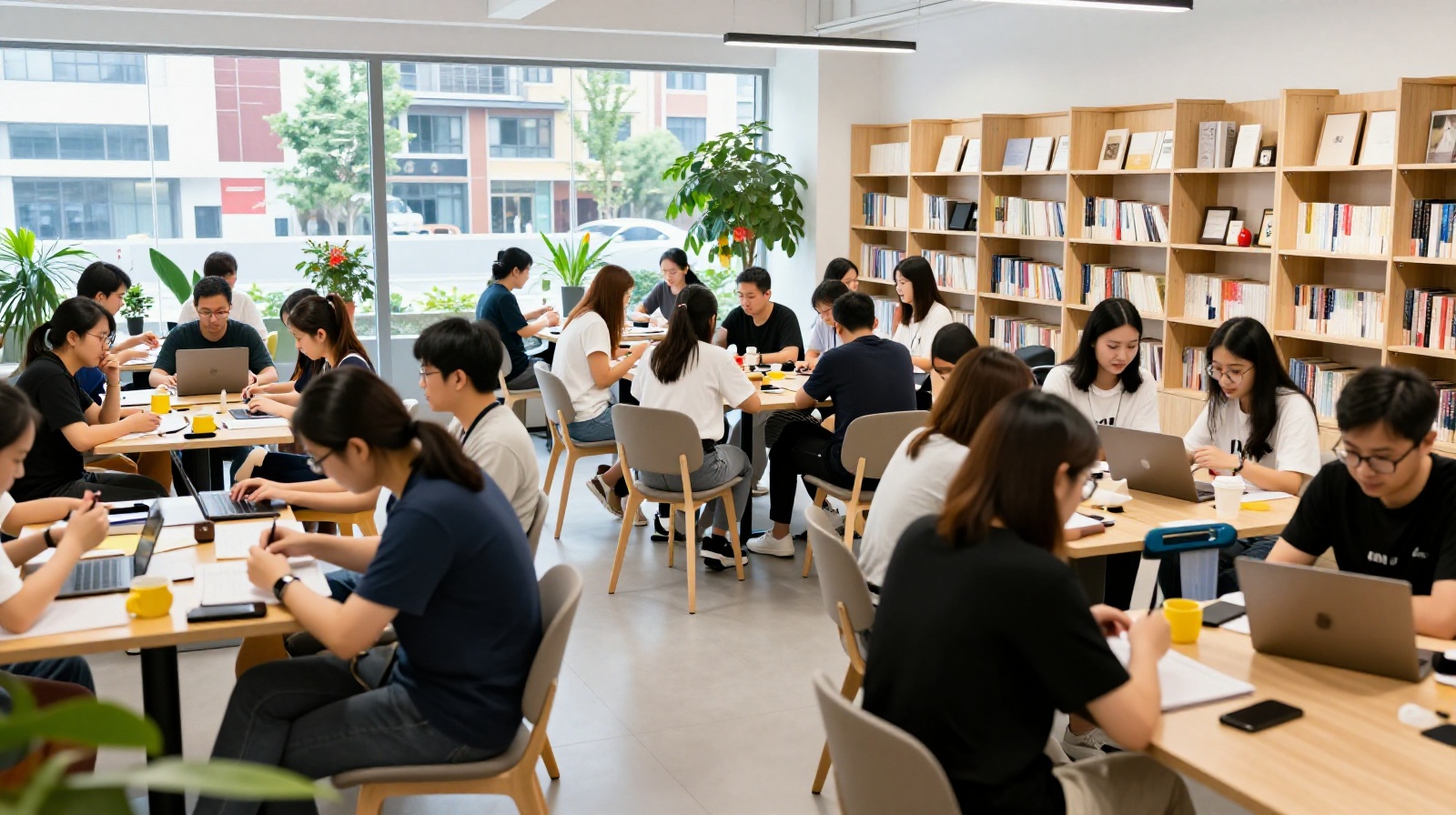
In this new landscape, security is being redefined. It is no longer about owning a specific plot of land or a luxury apartment. Instead, it is found in diversified savings, robust social safety nets, and personal skill development.
Communities are seeing a rise in shared services and cooperative consumption models. In cities like Hangzhou and Chengdu, neighbors are forming groups to share resources, from childcare to elder care, reducing the financial burden on individual households.
For Li Wei, this new normal means less anxiety about housing prices and more focus on what he can control: his skills, his health, and his family’s future. He spends his weekends taking courses in artificial intelligence and managing a diversified portfolio of savings rather than tracking property market trends.
The story of Li and millions like him reflects a broader truth: China is moving from a growth model driven by construction to one driven by innovation and consumption. While the transition brings uncertainty, it also offers a more sustainable foundation for long-term stability.