
The Hum of Change: Beyond the ‘Toy City’ Label
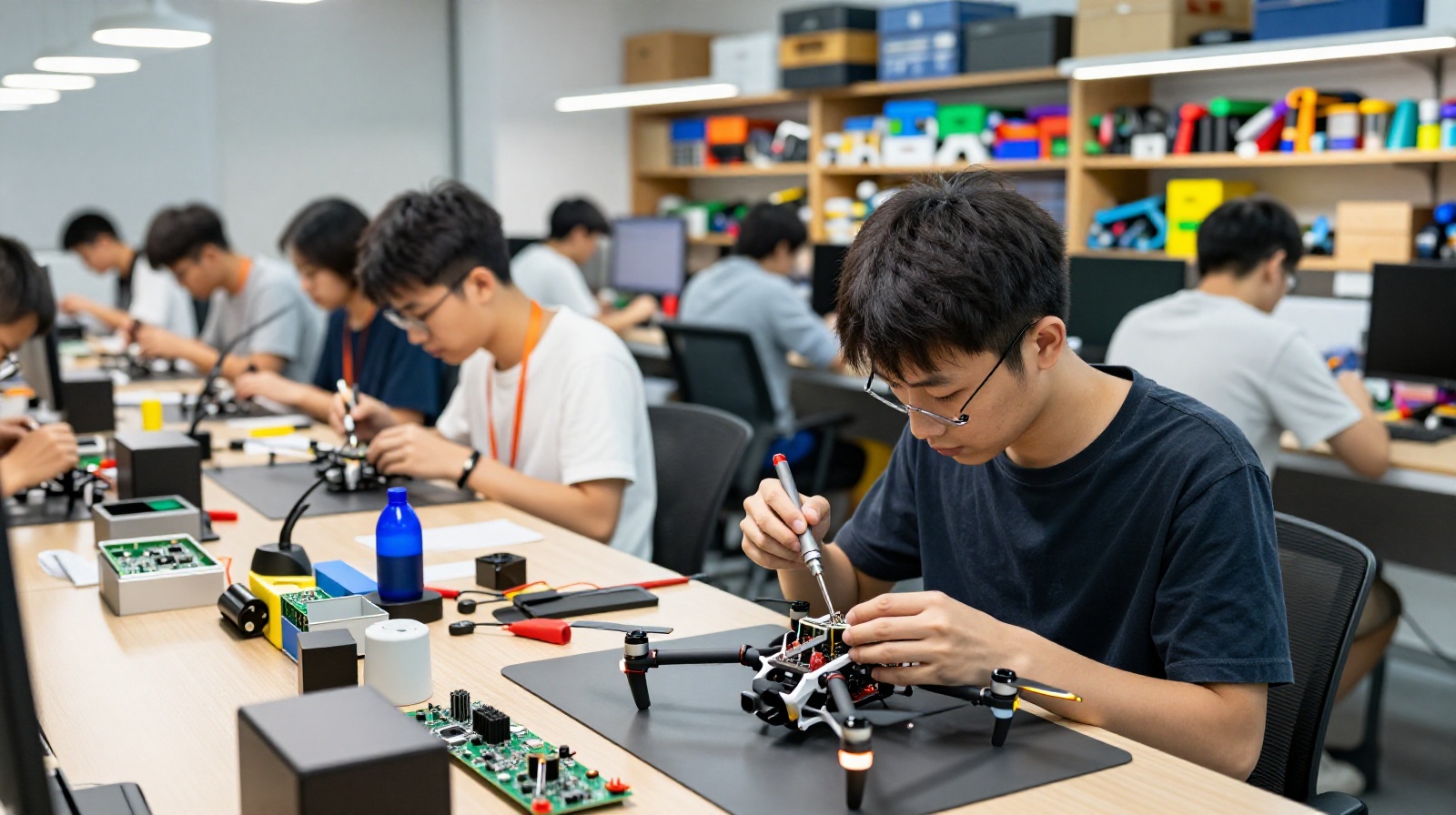
Close your eyes and imagine the sound. It isn’t just the mechanical whirring of assembly lines or the distant hum of traffic. In a small workshop in Shenzhen’s Nanshan district, the air smells sharply of hot soldering iron, plastic fumes, and cut copper wire. A young engineer named Li is hunched over a circuit board, his fingers moving with practiced speed. On the table next to him sits a box of cheap plastic toys from decades ago—the ones that once defined this city for the world. Today, those toys are gone, replaced by the sleek carbon-fiber arms of a delivery drone.
For years, outsiders labeled Shenzhen simply as “the toy city” or “the factory.” This was true in the 1980s and 90s, but it is a half-truth that misses the explosion happening now. The shift didn’t happen overnight with a single policy announcement. It happened because ordinary people in Shenzhen found a way to turn a dream into a physical object faster than anyone else on Earth.
A Day in the Life: The Maker Who Builds Drones
To understand this shift, I spoke with Chen, 28, a hardware engineer who works out of a co-working space near Huaqiangbei. His morning starts not with a commute through heavy traffic, but by walking to a nearby parts shop that has been open for twenty years.
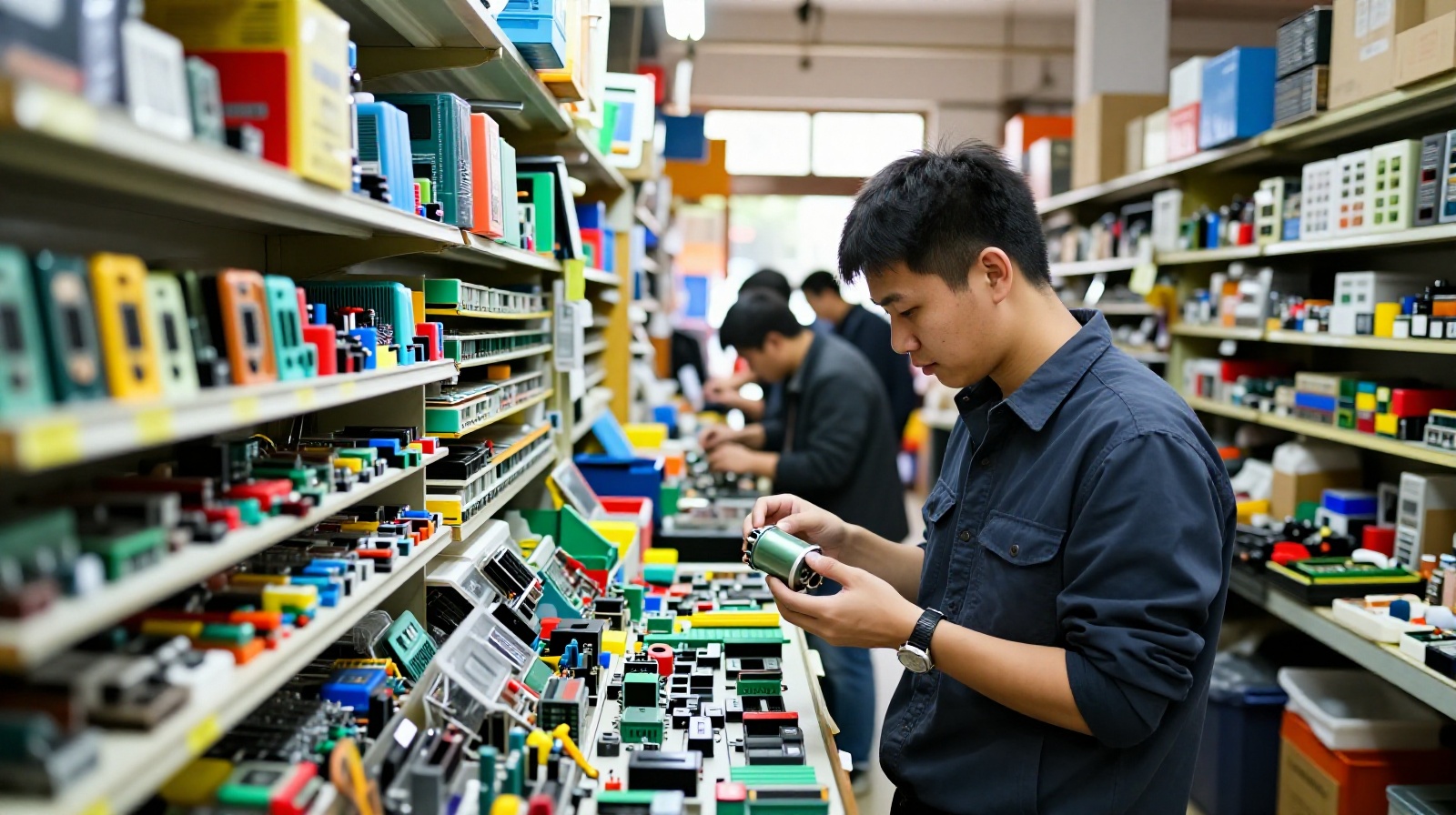
Chen needs a specific type of brushless motor and a custom flight controller. In the United States or Europe, ordering these might take weeks via email, shipping containers, and complex logistics. In Shenzhen, Chen walks into a small stall in the massive Huaqiangbei electronics market. He points to the part he needs. The shop owner nods, grabs it from a shelf stacked with thousands of similar components, and hands it over. “That will be 30 yuan,” the owner says casually.
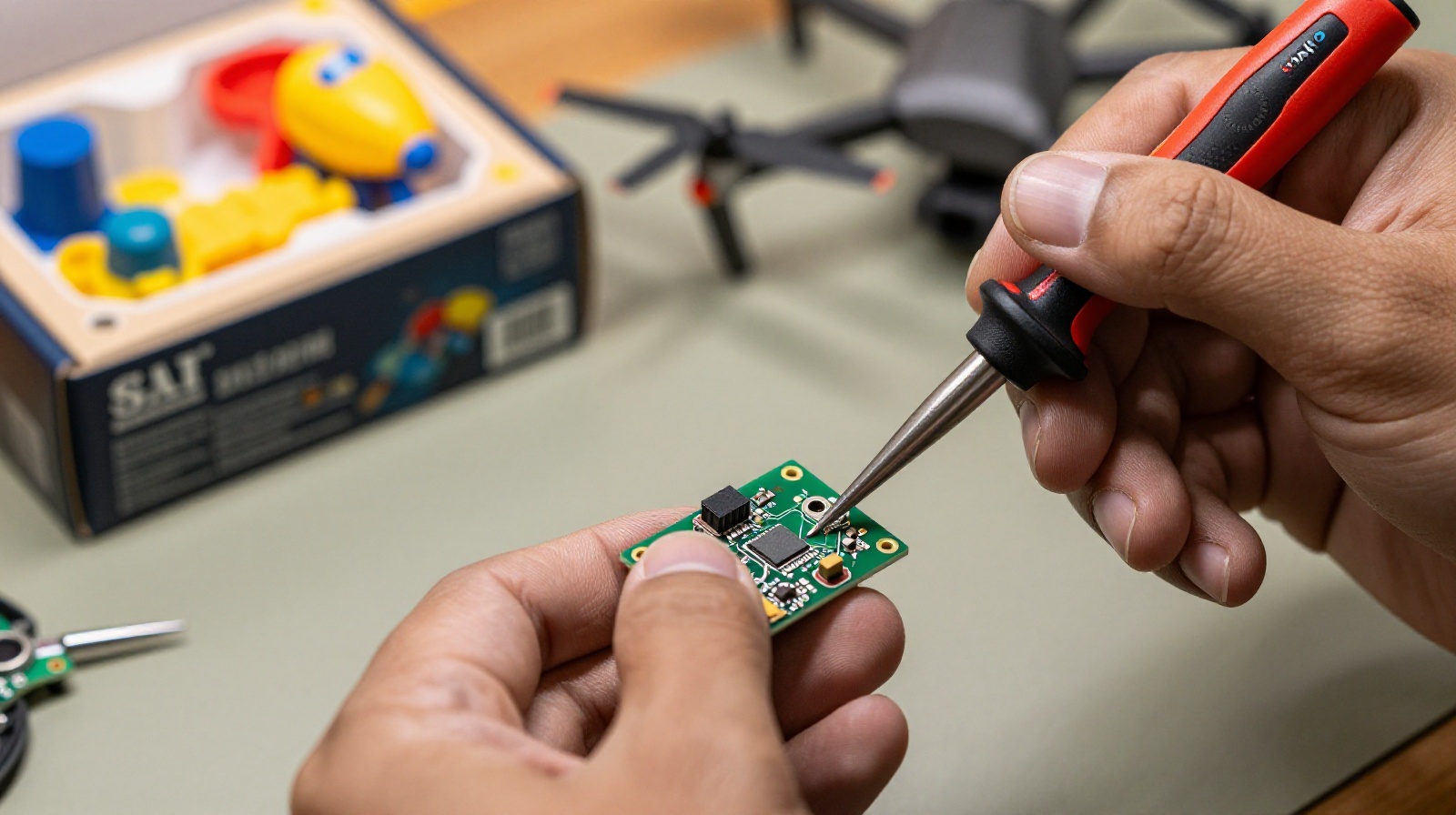
With parts in hand, Chen heads back to his studio. By afternoon, he has soldered the new motor onto his prototype drone frame. He uploads code, tests a flight, realizes the battery life is short, and immediately calls a friend who runs a small lab nearby to 3D print a better casing. Within 24 hours, from idea to improved product, Chen has completed what often takes Western startups three months.
What drives him? It’s not just money. It’s the sheer satisfaction of creation. “I can see my mistake and fix it before lunch,” Chen says with a laugh. “In other places, you design for weeks, wait for parts, and then find out it doesn’t work. Here, we live in a loop where failure is just data.”
The Supply Chain Superpower: Why Shenzhen Moves Fast
This speed relies on what experts call the “Shenzhen Ecosystem.” It is not magic; it is geography and density. The city has packed thousands of specialized factories, component suppliers, and design studios into a relatively small area.
Think of it like this: In most cities, if you need a specific screw for your machine, you might have to drive an hour to find a supplier, place an order, and wait days. In Shenzhen, that screw is likely in the next building, or maybe even just down the street. This density allows for what we call “Shenzhen Speed.” It means the gap between having an idea and seeing it on a store shelf can be as short as two weeks.
The Huaqiangbei market is the heart of this system. It looks chaotic to visitors—narrow aisles, piles of components, vendors shouting prices—but it is a highly efficient machine. If a new technology emerges globally, Shenzhen suppliers often have compatible parts within days. This capability turns Shenzhen into a global “accelerator.” Products don’t just get made here; they get iterated, improved, and perfected at a pace that forces the rest of the world to keep up.
From Factory Floor to Public Skies
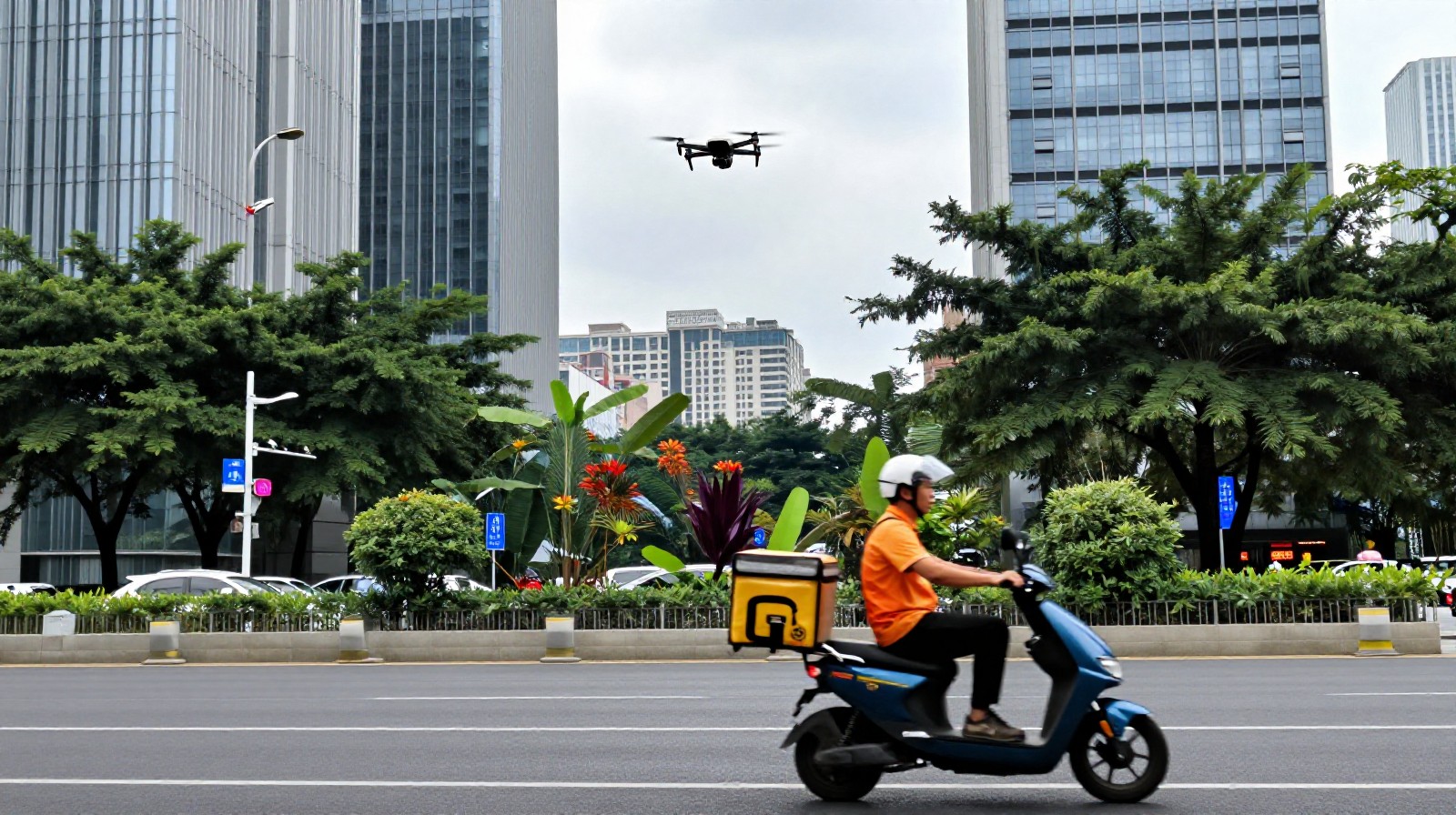
The technology born in these workshops doesn’t stay hidden. You can see Shenzhen’s innovation working every day across China. In rural areas, farmers use drones manufactured here to spray crops with precision, saving water and increasing yields. In busy cities like Guangzhou and Shenzhen, delivery riders zip through traffic on electric bikes, carrying packages that were assembled just days before.
Emergency responders also rely on this local tech. During heavy rains or floods, drones from Shenzhen are often the first to scout damaged areas, sending back real-time video to command centers. This isn’t science fiction; it is a routine part of daily life for millions of Chinese people.
The shift from making cheap plastic toys to building intelligent machines has transformed the city’s identity. It is no longer just about low-cost labor; it is about high-speed problem-solving. The same hands that once glued toy cars together now assemble complex robotic arms and autonomous navigation systems.
The Human Cost and Reward of Iteration
Is this picture perfect? Not entirely. The pace is exhausting. Long hours, intense competition, and the pressure to constantly innovate take a toll on workers’ health and personal lives. Many young engineers in Shenzhen work 10 to 12-hour days, six days a week.
Yet, there is a distinct pride in this community. When Chen talks about his latest drone project, his eyes light up. He knows that he is part of something bigger—a movement that has democratized high-tech manufacturing. In the past, only massive corporations could afford to build complex machines. Now, a small team with a laptop and access to Shenzhen’s supply chain can compete on the global stage.
Understanding Shenzhen requires looking beyond the headlines about GDP or export numbers. It means watching an engineer like Chen fix a circuit board at 9 PM, knowing that tomorrow, that same design might be flying over a village in Africa or landing on a rooftop in Berlin. The city is not just building products; it is building a future where innovation belongs to everyone.