
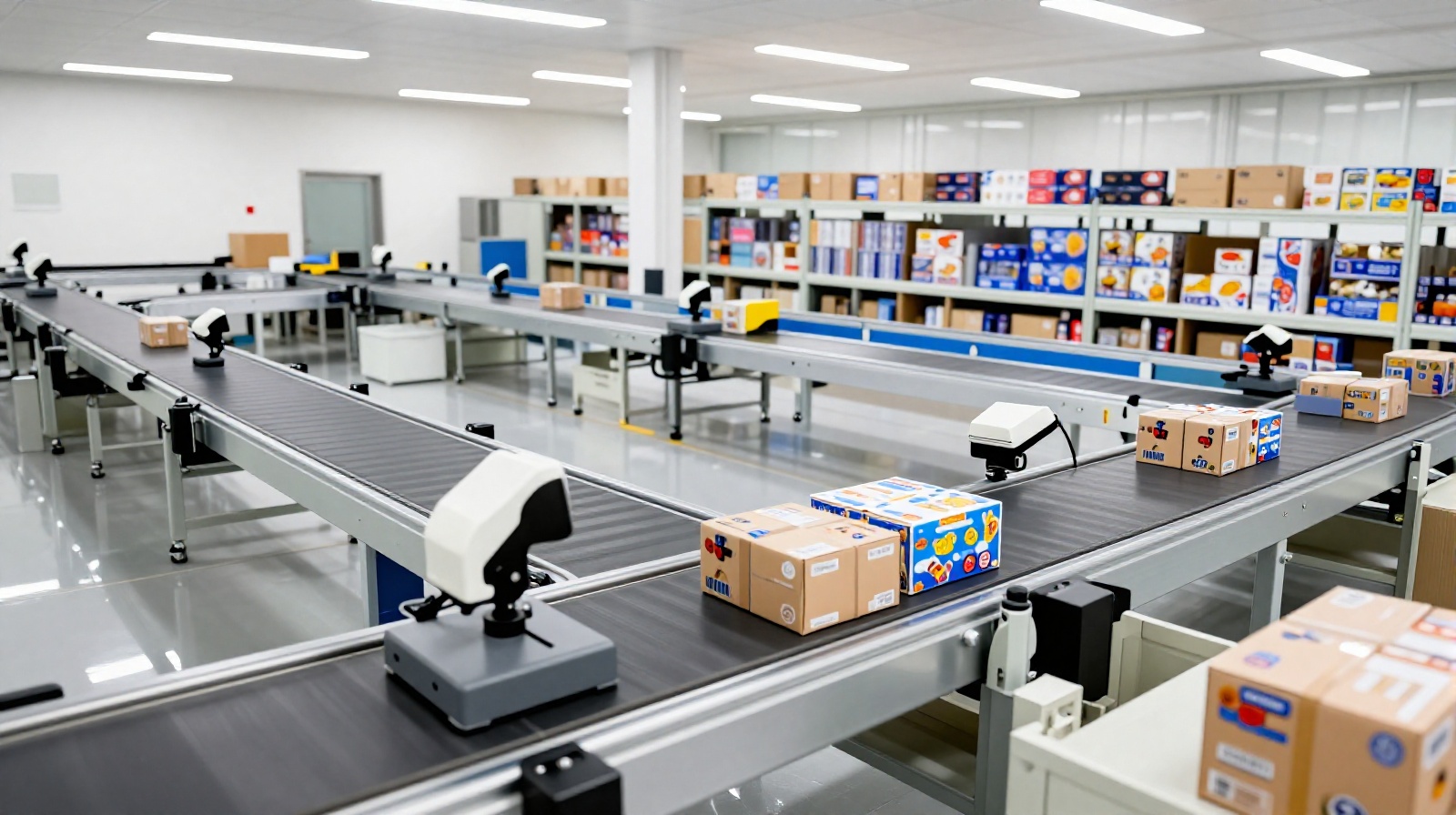

The Box That Broke My Assumption
When I ordered a small, custom-made robot toy for my niece online last month, I expected the standard two-week wait. It was from a niche seller in Shenzhen. Instead, it arrived on my doorstep in Guangzhou just four days later. Even more surprising: the packaging included a handwritten note from the factory manager who personally inspected the batch.
This speed is not an anomaly. For millions of global consumers, goods made in China’s Pearl River Delta often arrive faster than items produced locally in their own countries. The secret isn’t just “cheap labor” anymore; it is a hyper-connected physical and digital network that compresses time from idea to doorstep.
The 30-Mile Radius: A Factory Within a Factory
Imagine driving through Dongguan, a city of three million people. You don’t see isolated factories separated by miles of empty land. Instead, you see clusters where a single building might house injection molding machines on the ground floor, electronic component assembly on the second, and final packaging in the basement.
In this region, specifically around Shenzhen and Dongguan, everything happens within a 30-mile radius. If a designer sketches a new toy part at 9 AM, they can walk to a mold maker across the street by 10 AM. By noon, raw plastic pellets are being melted. By evening, the first prototype is printed. The next morning, assembly lines start running.
For international competitors, this proximity means shipping delays. A car part ordered from one continent might take weeks to arrive at a factory in another. In Guangdong, a missing screw can be sourced and delivered before the lunch break ends. This density reduces logistics costs by up to 30% compared to global supply chains that span oceans.
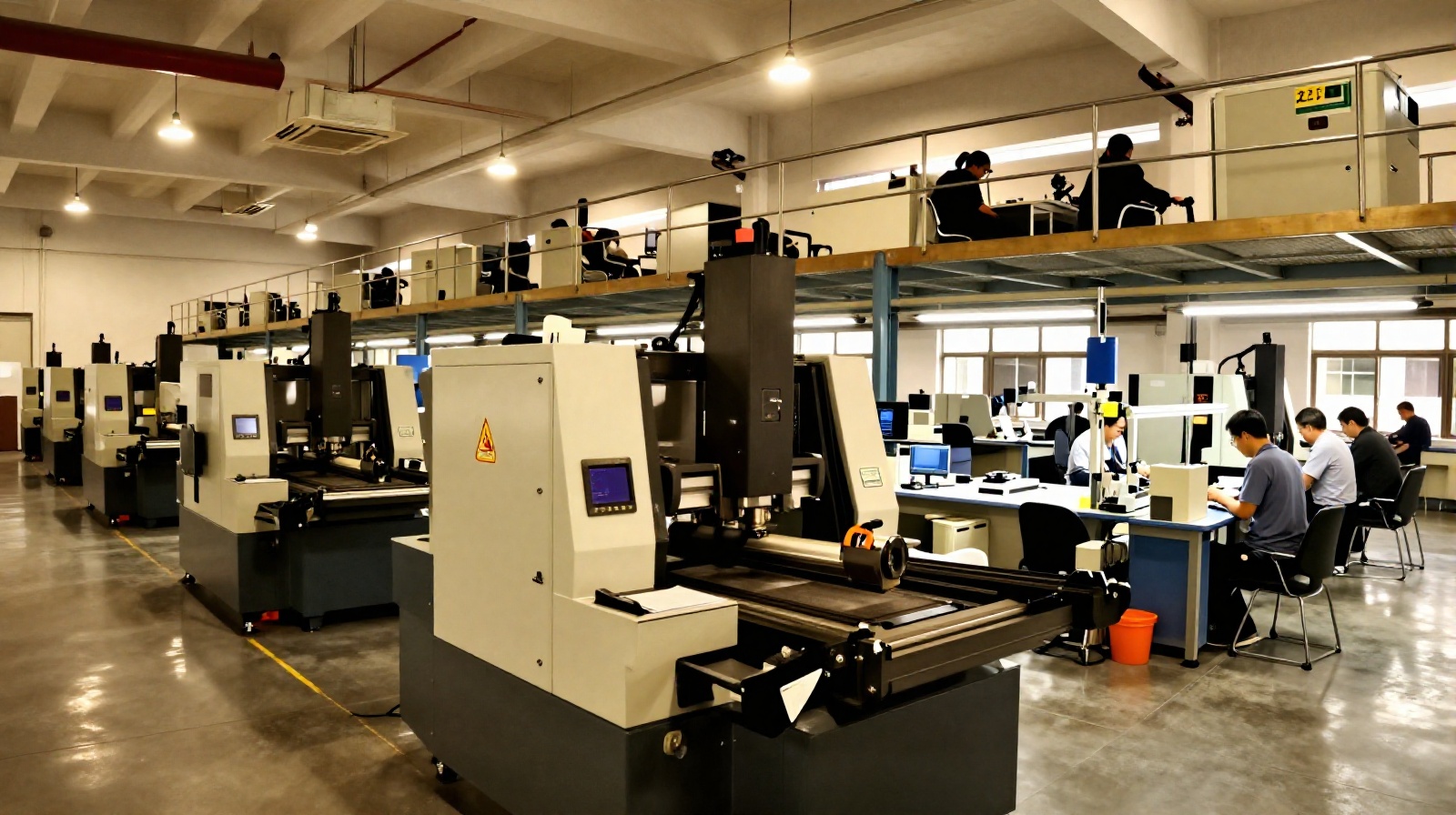
The Brain Behind the Machines: AI and Mobile Apps
Speed alone isn’t enough; precision is key. In a small workshop in Guangzhou’s Liwan District, I spoke with Chen, a 28-year-old owner of a custom toy assembly firm. He doesn’t use traditional spreadsheets anymore.
“I run everything on my phone,” Chen explained. “An app connected to the factory floor analyzes sales data from Amazon and TikTok in real time. If a specific robot style spikes in demand, the system automatically alerts the procurement team to buy more sensors and plastic. It predicts inventory needs with 85% accuracy weeks before the rush starts.”
This digital layer is invisible to the average consumer but critical for efficiency. Small workshops, often employing fewer than 20 people, can now coordinate with global giants. They use AI-driven inventory systems that adjust production schedules dynamically. When a shipping lane faces a delay in New York, the system reroutes goods or accelerates local stockpiling instantly.
The Humans Who Keep the Wheels Turning
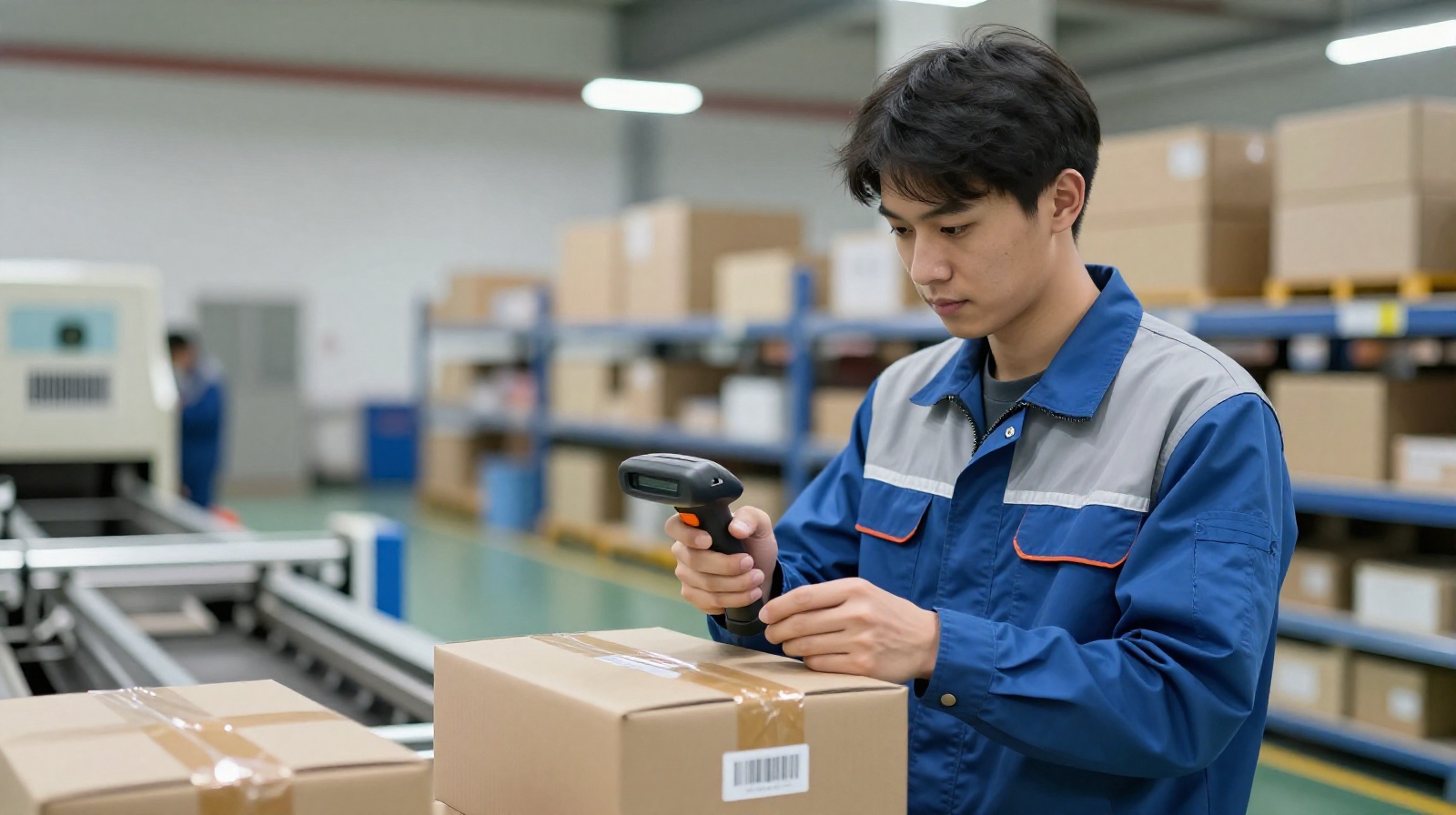
Behind every fast delivery are young workers balancing speed with safety. In a logistics hub near Shenzhen Bay, I watched Li, a 24-year-old sorting specialist. She scans over 500 packages an hour, her movements fluid and practiced.
“It’s not just about working fast,” Li said, pausing to check a barcode on a fragile item. “We have to be precise. If we mislabel one box, the whole shipment might get delayed for days. We use digital tools to track every step, so if there’s an issue, we fix it immediately.”
These workers are not just cogs in a machine; they are highly trained operators of complex systems. The average age of factory and logistics staff in this region has dropped significantly, with many holding technical certifications. They understand that speed is meaningless without quality control.
A Global Ripple Effect
This efficiency reshapes global consumer habits. A toy launched in a Beijing showroom can appear on shelves in London or New York within days of its prototype approval. This has forced retailers worldwide to rethink their inventory models, moving away from massive stockpiles toward just-in-time delivery.
For the average American or European shopper, this means access to the latest trends without the long wait times that characterized international trade a decade ago. The “China speed” is no longer just about low prices; it’s about agility and responsiveness.
The Invisible Infrastructure
If you look closely at your next package, you might see the fingerprints of this invisible network. It is a system where geography, technology, and human skill converge to make the impossible seem routine.
This isn’t just about toys. The same web supports electric vehicles, medical devices, and smart home gadgets. As these systems mature, they will likely become so seamless that we stop noticing them—until something breaks, reminding us how vital this invisible backbone really is.