

In a Dongguan Cafe: How Young People Are Changing Manufacturing with Coffee in Hand
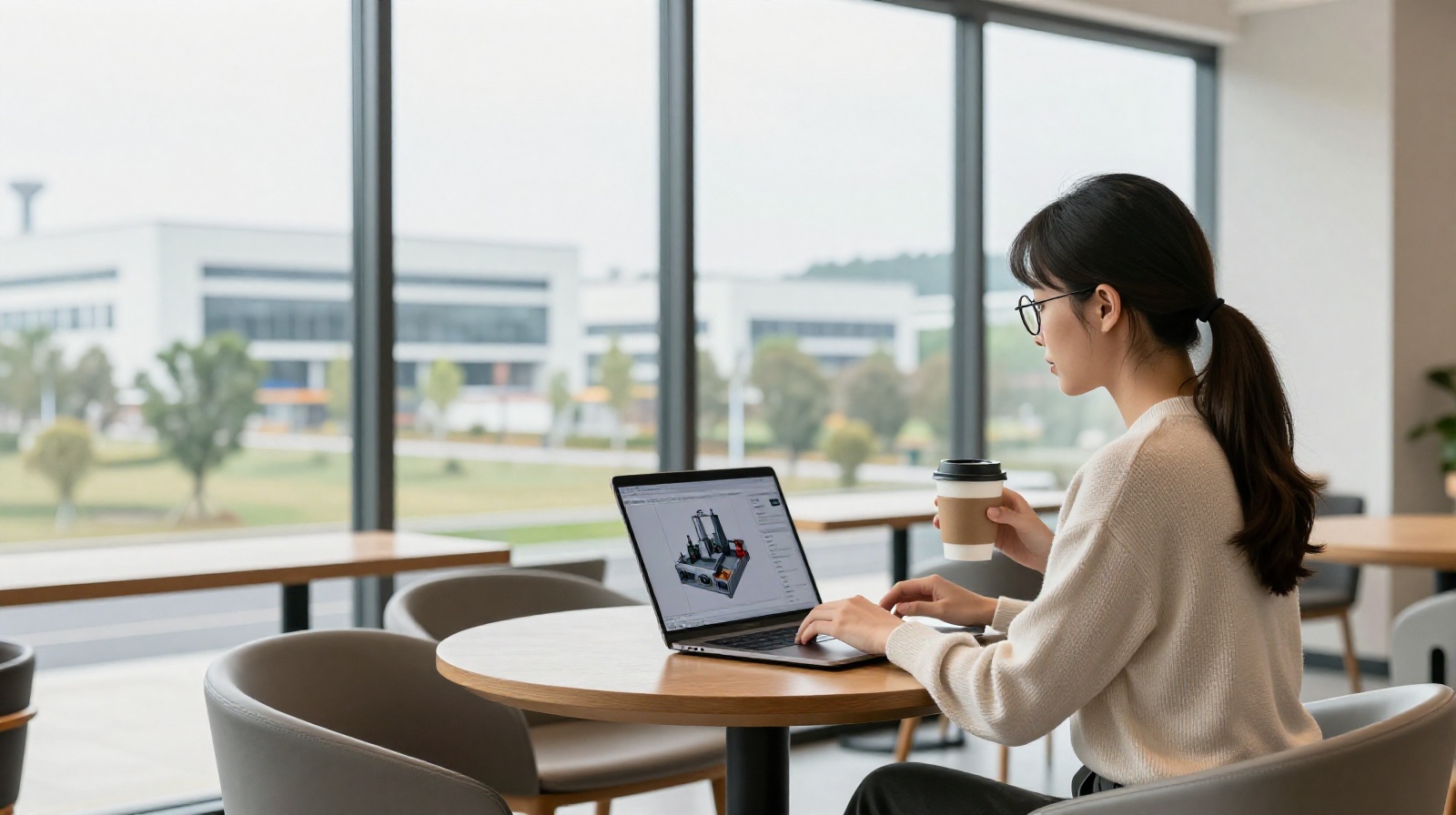
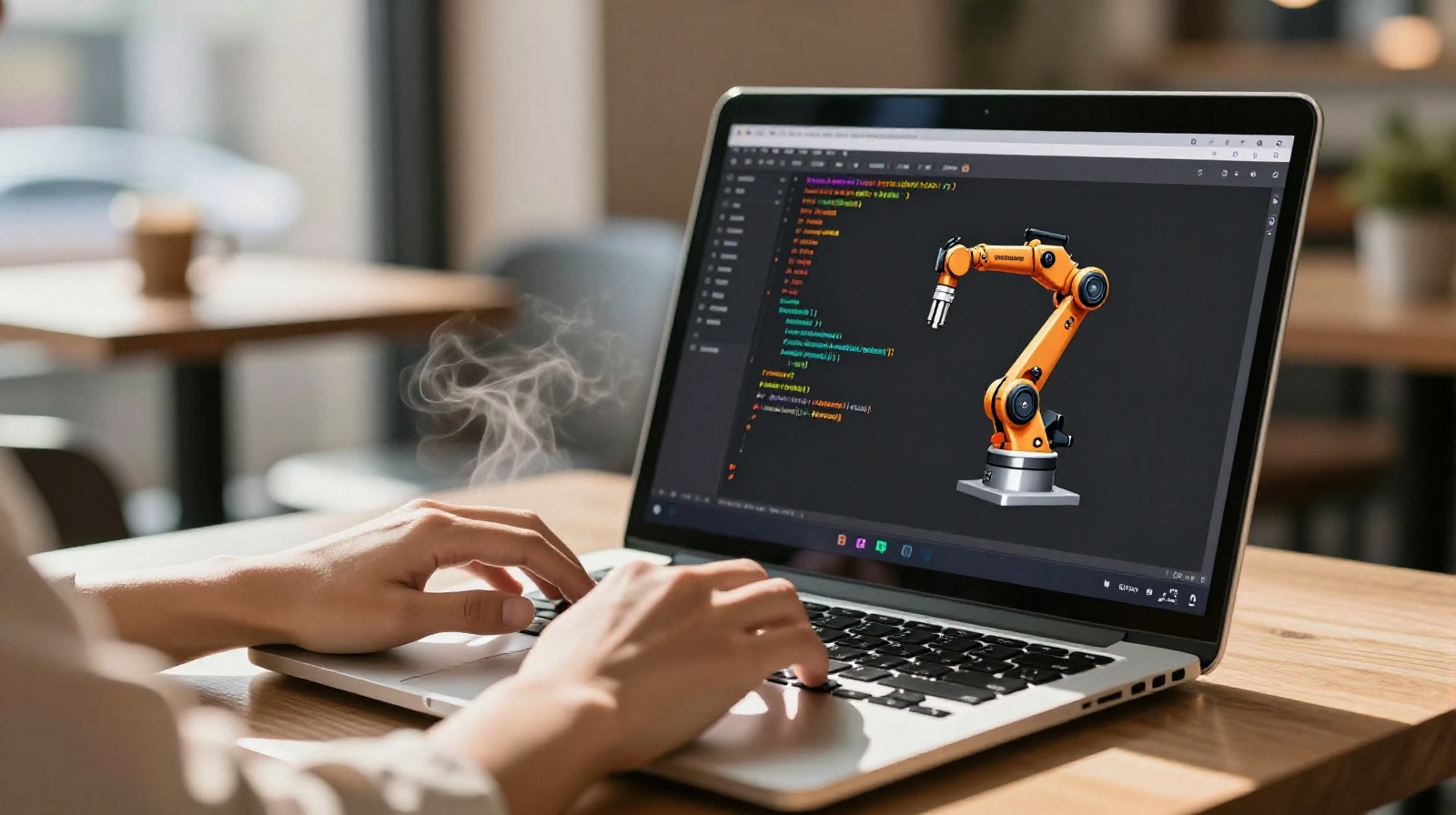
It is 8:45 AM on a humid Tuesday in Songshan Lake, Dongguan. The air smells of roasted Arabica and wet asphalt. Inside ‘The Hub,’ a minimalist cafe with exposed brick walls, 24-year-old Chen Wei isn’t scrolling through social media. She’s staring at a laptop screen displaying complex 3D models of robotic arms while sipping an oat milk latte. Just outside the window, a quiet road leads to a massive industrial park where her company is testing autonomous logistics bots.
This scene defies the old stereotype of China as merely a “world factory” churning out cheap plastics and assembly line labor. The reality in Dongguan today is far more dynamic. It is a place where young Chinese professionals, armed with degrees in robotics and AI, are merging the digital world with heavy industry. They aren’t just working on the production line; they are rewriting the code that runs it.
The Shift in Dongguan: Beyond Assembly Lines
Dongguan used to be synonymous with low-cost manufacturing. For decades, thousands of factories hummed with the sound of manual labor, producing everything from shoes to smartphone cases for Western brands. But that era is rapidly fading. The cost of labor has risen, and global demands have shifted toward customization and speed.
Today, the city’s skyline tells a different story. Cranes are less common than server racks in new industrial parks. Companies here are pivoting from “Made in China” to “Designed and Engineered in China.” Local manufacturers are investing heavily in smart factories—facilities where AI algorithms optimize production flows, sensors monitor equipment health in real-time, and robots handle the repetitive tasks.
Chen’s team is a prime example. They don’t just assemble products; they design the digital twins of the products before a single screw is turned. This shift reduces waste and allows for rapid prototyping, a luxury that older factories simply couldn’t afford.
The New Workforce: Education Meets Innovation
Who are these young changemakers? Many returned from universities in Beijing or Shenzhen, bringing fresh perspectives on automation and data science. Unlike the previous generation of migrant workers who moved to cities for manual jobs, this new cohort seeks intellectual challenges.
In a nearby co-working space that often doubles as a coffee shop, you’ll find teams of 25-year-olds debating the best Python libraries for predictive maintenance or analyzing supply chain bottlenecks on large monitors. They speak English fluently and understand global market trends intimately.
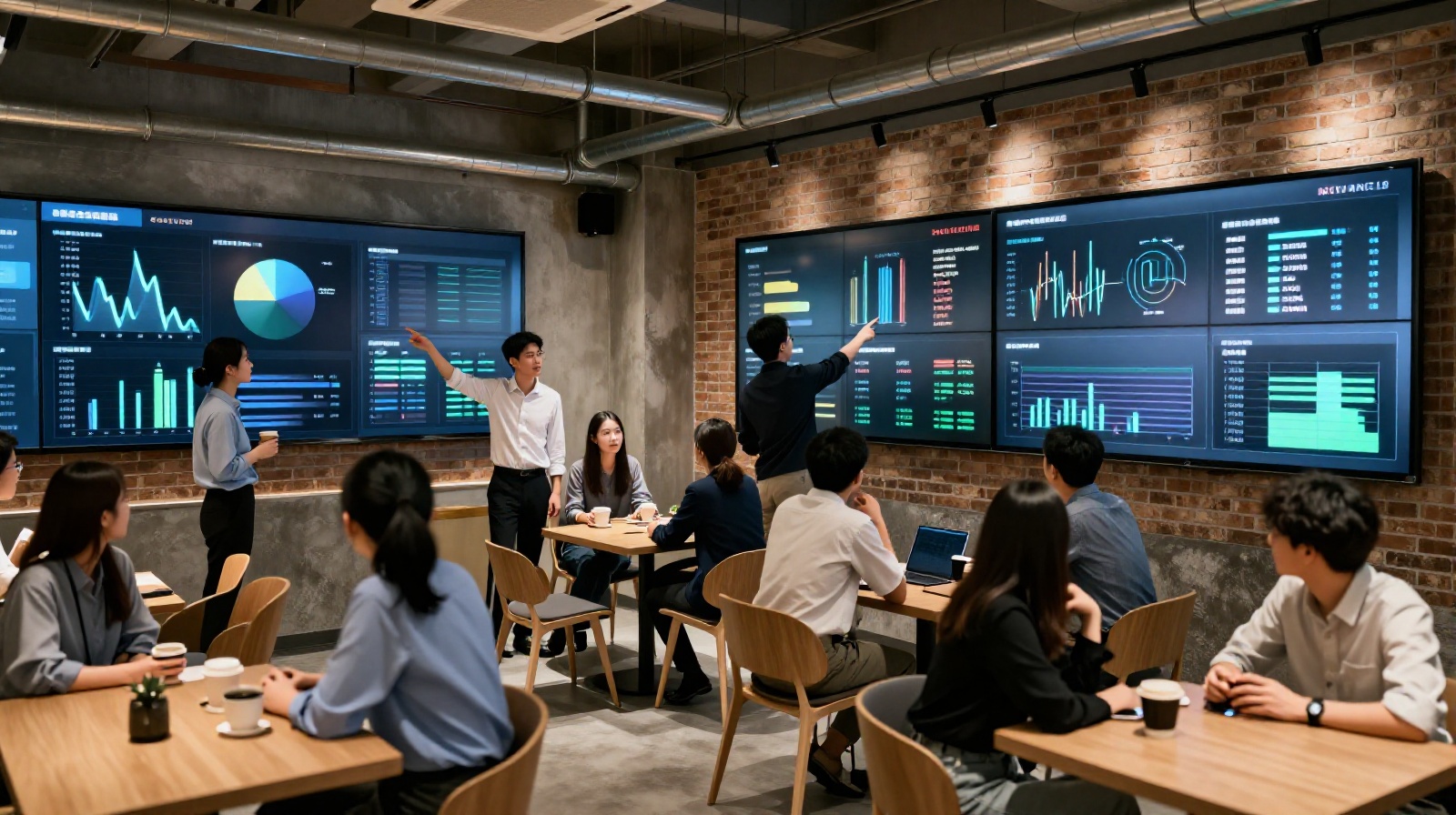
This demographic shift is crucial. It signals that China’s manufacturing transformation isn’t just about upgrading machines; it’s about upgrading the human capital behind them. The factory floor of 2024 looks more like a tech lab than an industrial plant, staffed by people who are as comfortable with code as they are with machinery.
The Café as a Hub of Change
Why does this happen over coffee? In Dongguan’s Songshan Lake High-tech Zone, cafes have become the unofficial headquarters for industrial innovation. These spaces provide the neutral ground where engineers, investors, and factory owners meet to exchange ideas away from the noise of the production floor.
In these cafes, you might see a conversation between a hardware startup founder and a veteran factory manager discussing how to integrate IoT sensors into an aging assembly line. The barrier between “office work” and “factory work” is blurring. A deal for a new smart logistics system can be struck over a cappuccino in the afternoon and implemented on the factory floor by Monday morning.
Impact on Global Supply Chains
This quiet revolution in Dongguan has ripple effects across the globe. As Chinese manufacturers become more efficient and flexible, they are no longer just low-cost alternatives; they are becoming essential partners for high-tech industries worldwide.
Global supply chains are adapting to this new reality. Brands that once moved production to Vietnam or India due to rising costs in China are now seeing value in staying put. The speed of iteration—going from a design concept to a finished prototype in days rather than months—is attracting companies looking for rapid innovation cycles.
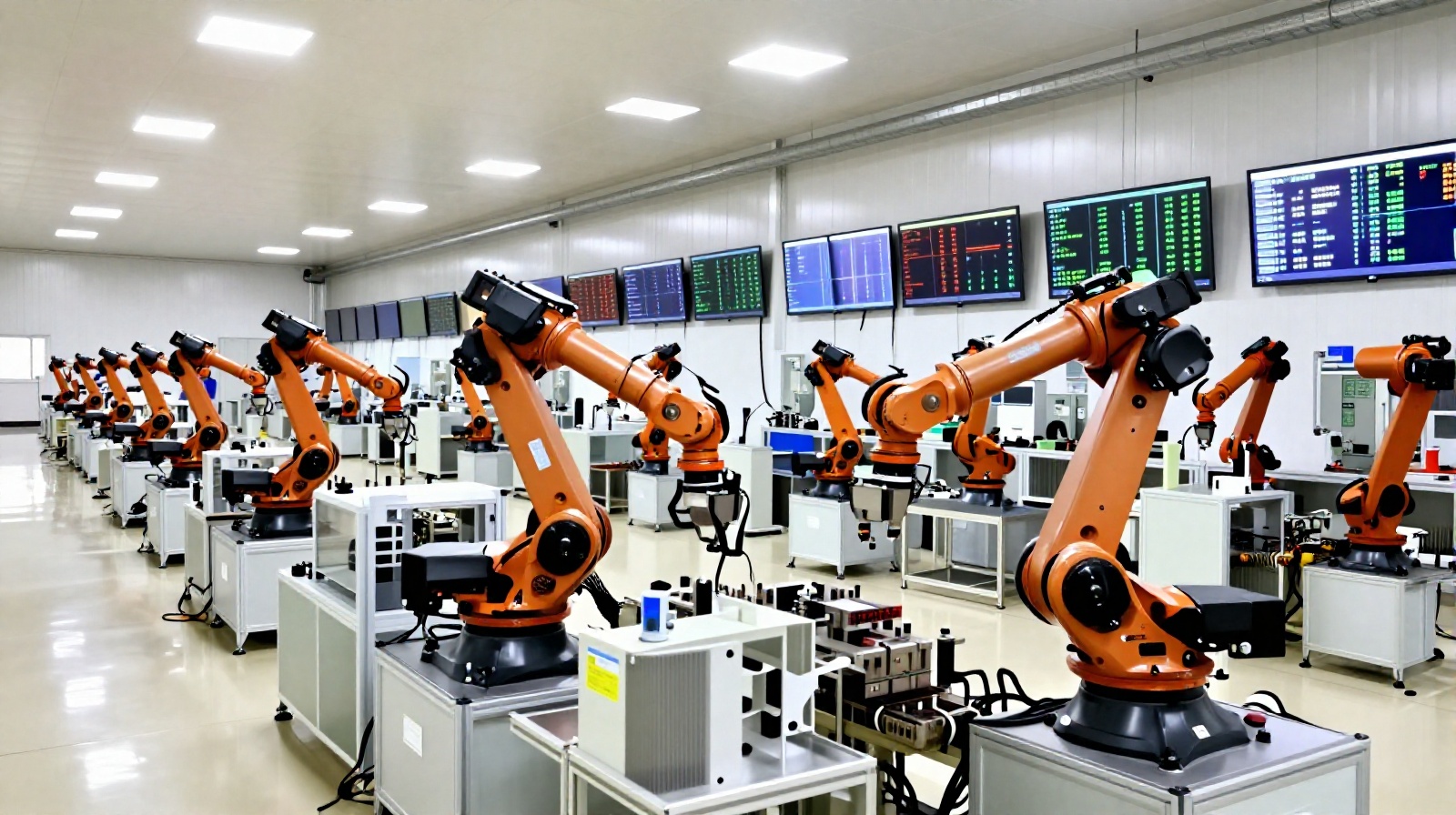
Moreover, the integration of AI and automation means that Chinese factories can handle smaller, more complex orders with ease. This flexibility is reshaping how global brands approach product launches, allowing for limited editions and personalized manufacturing models that were previously impossible at scale.
A Quiet Revolution
The image of China’s future isn’t a neon-lit cyberpunk city or a sterile white lab. It is often found in a crowded cafe in Songshan Lake, where young people are quietly redefining the country’s industrial identity. They are proving that innovation doesn’t always require a grand stage; sometimes, it just needs good coffee and a good idea.
As Dongguan continues to transform, the world is watching. The story of these young engineers isn’t just about China’s economic growth; it’s about how a nation is upgrading its soul, one line of code at a time. From the hum of robots in the background to the clinking of ceramic cups, the rhythm of modern Chinese manufacturing has changed forever.